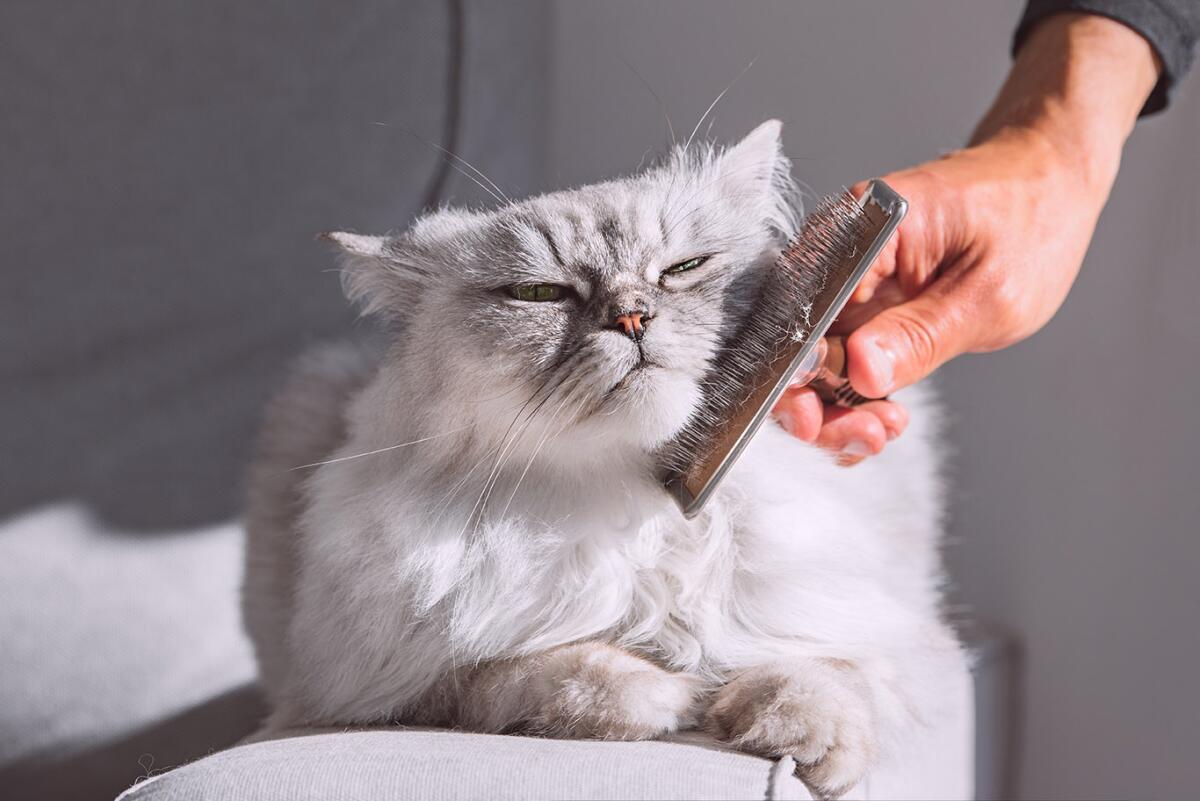
If you have a long-haired cat, you know how beautiful—and sometimes challenging—their fur can be. Keeping your cat’s coat clean, smooth, and free of mats isn’t just about looks; it’s key to their comfort and health.
But grooming doesn’t have to be a struggle or require expensive trips to the groomer. With the right approach, you can easily take care of your cat’s luxurious fur right at home. In this guide, you’ll discover simple, effective tips to make grooming a stress-free and bonding experience for both you and your feline friend.
Ready to make your cat’s coat shine like never before? Let’s dive in!

Credit: catit.us
Choosing The Right Tools
Choosing the right tools makes grooming your long-haired cat easier and more effective. The right equipment helps remove tangles and loose fur without hurting your pet. It also keeps their coat shiny and healthy. Using poor tools can cause discomfort and stress for your cat. Select tools that match your cat’s fur type and grooming needs.
Brush Types For Long Fur
- Slicker Brush:Has fine, short wires close together. Great for removing mats and loose hair.
- Wide-Toothed Comb:Perfect for detangling knots gently without pulling the fur.
- Pin Brush:Good for general brushing and smoothing the coat.
- Undercoat Rake:Designed to remove loose undercoat hair and reduce shedding.
Essential Grooming Accessories
- Grooming Scissors:Use curved scissors to trim mats or hair around sensitive areas.
- Nail Clippers:Keep your cat’s nails trimmed to avoid scratches during grooming.
- Grooming Gloves:Help remove loose fur and provide a gentle massage.
- Detangling Spray:Makes brushing easier and prevents hair breakage.
Preparing Your Cat
Preparing your long-haired cat for grooming is key to a smooth and stress-free experience. Before you even reach for the brush, focus on setting the stage so your cat feels safe and relaxed. This preparation helps prevent resistance and makes grooming a positive routine for both of you.
Creating A Calm Environment
Choose a quiet spot free from loud noises and distractions. Cats are sensitive to their surroundings, so a peaceful room can make a big difference. Dim the lights slightly or open a window for fresh air if your cat enjoys it.
Have all your grooming tools ready and within reach to avoid interruptions. Imagine trying to find your brush mid-session—your cat will notice your unease. Keeping everything close helps you stay calm and focused.
Consider playing soft, soothing music or using calming pheromone sprays designed for cats. These subtle touches can lower your cat’s anxiety, especially if they’re not used to grooming. Have you noticed how your cat reacts to background sounds during quiet moments?
Getting Your Cat Comfortable
Start by gently petting your cat to build trust and relax their muscles. Use slow, steady strokes along their favorite spots, like behind the ears or under the chin. This helps your cat associate your touch with comfort.
Introduce grooming tools gradually—let your cat sniff or paw at the brush before you use it. This simple step can reduce fear and curiosity turns into acceptance. You might find your cat even enjoys the new sensation.
If your cat seems tense or tries to escape, pause and try again later. Pushing too hard can create fear and make future grooming sessions harder. Can you tell when your cat needs a break based on their body language?
Reward your cat with treats or gentle praise after each grooming session. Positive reinforcement encourages them to cooperate next time. It’s a small habit that builds a big difference in how your cat feels about grooming.
Step-by-step Grooming Process
Grooming your long-haired cat at home can feel like a big task, but breaking it down into clear steps makes it manageable and even enjoyable. Each part of the grooming process plays a vital role in keeping your cat healthy and comfortable. Focusing on brushing, detangling, and cleaning ensures your cat looks great and feels loved.
Brushing Techniques
Start with gentle brushing using a wide-toothed comb to remove loose fur and prevent shedding around your home. Hold your cat comfortably and brush in the direction of hair growth to avoid pulling or hurting their skin.
Use short, calm strokes and praise your cat often to keep them relaxed. Switching to a finer brush can help smooth the coat and catch smaller tangles. Have you noticed how your cat’s mood changes with different brushing styles? Finding what they enjoy makes the process easier.
Detangling Mats And Knots
Mats can cause discomfort and skin problems if left untreated. Use your fingers first to gently loosen small knots. For tougher mats, try a mat splitter or detangling spray designed for cats.
Be patient and work slowly—rushing can hurt your cat and make them resistant next time. If a mat is too tight, carefully cut it out with rounded-tip scissors, avoiding the skin. How do you stay calm when your cat resists grooming? Your calmness helps them trust you during this delicate step.
Cleaning Ears And Eyes
Check your cat’s ears for dirt or wax buildup. Use a soft, damp cloth or cotton ball with a vet-approved cleaner to wipe the outer ear gently. Never insert anything deep into the ear canal to avoid injury.
For the eyes, dampen a clean cloth with warm water and wipe away any discharge or debris. Regular cleaning prevents infections and keeps your cat comfortable. Have you noticed changes in your cat’s eyes or ears during grooming? Early attention helps avoid bigger health issues.
Credit: www.diamondpet.com
Bathing Tips For Long Haired Cats
Bathing your long haired cat can feel like a daunting task, but with the right approach, it becomes manageable and even enjoyable for both of you. Keeping your cat’s coat clean not only enhances its beauty but also prevents mats and skin issues. Let’s dive into some practical bathing tips that make the process smoother and safer.
Choosing The Right Shampoo
Not all shampoos are created equal, especially for cats with long fur. You need a shampoo that is gentle, hypoallergenic, and formulated specifically for cats to avoid skin irritation.
Look for products that moisturize the coat and reduce tangles. Avoid human shampoos or dog shampoos, as their pH levels can harm your cat’s skin.
Have you checked the ingredients on your cat shampoo lately? Natural ingredients like aloe vera or oatmeal can soothe your cat’s skin while cleaning effectively.
Safe Bathing Practices
Bathing your long haired cat requires patience and preparation. Use lukewarm water and a non-slip surface to keep your cat steady and comfortable during the bath.
Start by gently wetting the fur, avoiding the head area initially. Use a cup or gentle sprayer for better control, and apply shampoo sparingly.
Rinse thoroughly to remove all shampoo residue, as leftover soap can cause itching. Dry your cat quickly with a soft towel, and if your cat tolerates it, a low-heat hairdryer can help prevent damp fur from matting.
Have you tried rewarding your cat with treats or praise during bath time? Positive reinforcement can make future baths easier for both of you.
Preventing Common Grooming Issues
Regular brushing prevents mats and tangles that cause discomfort for long-haired cats. Keeping fur clean and detangled reduces skin problems and shedding. Gentle grooming helps spot issues early and keeps your cat healthy and happy.
Grooming your long-haired cat at home can be a rewarding experience, but it comes with its set of challenges. Understanding how to prevent common grooming issues is essential for your cat’s health and happiness. By focusing on two significant concerns—shedding and hairballs—you can create a more pleasant grooming routine for both you and your feline friend.Dealing With Shedding
Long-haired cats are notorious for shedding, which can leave your home covered in fur. Regular brushing is your best friend here. Aim to brush your cat at least three to four times a week to manage shedding effectively. Choose a brush that suits your cat’s coat type. A slicker brush works wonders for removing loose hair and preventing mats. Make brushing a bonding activity; your cat will appreciate the attention and care. For extra control over shedding, consider using a de-shedding tool once a week. These tools reach deeper into the coat to pull out dead hair. Remember, a little effort goes a long way in keeping your home fur-free.Avoiding Hairballs
Hairballs are not just a nuisance; they can also pose health risks to your cat. To minimize the risk of hairballs, incorporate a high-fiber diet or specialized cat food designed to reduce hairball formation. Hydration is crucial. Ensure your cat has access to fresh water at all times, as it aids in digestion and can help prevent hairballs. Another tip is to include a small amount of fiber, like a dab of canned pumpkin, in their diet. Interactive play sessions can also help. Engaging your cat in regular play encourages activity, which can help move hair through the digestive tract. Have you ever noticed how playful your cat becomes after a grooming session? That’s the perfect time to introduce a game of chase with a feather toy. By focusing on these areas, you can effectively reduce shedding and hairballs, making grooming a less daunting task for both you and your cat. What strategies have you found most effective in managing your cat’s grooming needs?
Credit: justcatsclinic.com
When To Seek Professional Help
Knowing when to seek professional help is key for your long-haired cat’s grooming. Some problems need expert care to avoid pain or worsening conditions. A groomer or vet can handle tricky issues safely. Recognizing signs early can save your cat discomfort and keep their coat healthy.
Signs Of Skin Problems
- Red or irritated patches on the skin
- Excessive scratching or biting
- Hair loss or bald spots
- Scabs, sores, or wounds
- Dry, flaky, or oily skin
- Swelling or lumps under the fur
These signs often mean infection or allergies. Avoid grooming these areas yourself. A professional can diagnose and treat skin issues properly.
Handling Difficult Grooming Situations
Some cats resist grooming strongly. They may scratch, bite, or run away. Stress can make grooming unsafe for both of you.
- Severe matting that you cannot remove
- Cats with health problems or sensitive skin
- Behavioral challenges during grooming
- Large amounts of fur shedding or tangling
Professionals have special tools and experience. They know how to keep cats calm and safe. Trusting experts avoids injury and stress for your pet.
Frequently Asked Questions
How Often Should I Groom My Long-haired Cat?
You should groom your long-haired cat daily to prevent mats and tangles. Regular brushing keeps their coat healthy and reduces shedding. It also helps distribute natural oils for a shiny coat. Consistent grooming improves your cat’s comfort and reduces hairballs.
What Tools Are Best For Grooming Long-haired Cats?
Use a wide-toothed comb, slicker brush, and dematting tool for grooming. These tools gently remove tangles and loose hair without hurting your cat. Choose stainless steel and soft-bristle brushes for effective and safe grooming sessions.
How Can I Prevent Mats In My Cat’s Fur?
Prevent mats by brushing your cat’s fur daily, especially behind ears and under legs. Regular grooming stops tangles before they form. Keep your cat’s coat clean and dry to avoid matting. Professional trims also help maintain a mat-free coat.
Is Bathing Necessary For Long-haired Cats?
Bathing is not always necessary but helps if your cat is very dirty or oily. Use cat-specific shampoo and lukewarm water. Bathing every 4 to 6 weeks can maintain cleanliness but avoid overbathing to protect natural oils.
Conclusion
Grooming your long-haired cat at home helps keep its coat healthy. Regular brushing prevents mats and reduces shedding. Use gentle tools and be patient during grooming sessions. This routine also strengthens your bond with your pet. Watch for any skin changes or discomfort while grooming.
Clean your cat’s ears and trim nails carefully. Small daily efforts make a big difference in your cat’s happiness. Start slow, and your cat will enjoy the process over time. Keep your cat comfortable and clean with simple grooming habits.



Leave a Reply