Grooming your cat isn’t just about keeping them clean—it’s a way to strengthen the bond you share. When you know how to groom your cat properly, you help them stay healthy, comfortable, and happy.
Imagine fewer hairballs, less shedding around your home, and a cat that loves spending time with you. Ready to discover simple, effective tips that make grooming a breeze for both you and your furry friend? Keep reading, and you’ll find easy steps to turn grooming into a fun and stress-free experience.
Benefits Of Regular Grooming
Regular grooming offers more than just a clean and shiny coat for your cat. It supports their overall health and comfort in ways you might not immediately notice. Taking a few minutes each day to groom your cat can lead to big benefits for both of you.
Improved Coat Health
Grooming helps remove dirt, debris, and loose fur from your cat’s coat. This keeps their skin clean and reduces the chances of mats forming, especially in long-haired breeds. You might see your cat’s fur become softer and more vibrant with consistent brushing.
Have you ever noticed how your cat’s coat looks dull or feels rough? Regular grooming can bring back that healthy shine and smoothness, making your cat look and feel better.
Reduced Shedding And Hairballs
Shedding is natural for cats, but too much loose fur can be a problem around your home. Grooming regularly removes excess hair before your cat swallows it during self-cleaning. This simple step can significantly cut down on hairballs and the mess they create.
Think about the last time you found a hairball on the floor or your cat seemed uncomfortable. Could regular brushing prevent that? Many cat owners find that their pets are more comfortable and their homes cleaner with consistent grooming routines.
Early Detection Of Health Issues
Spending time grooming your cat gives you a chance to check for lumps, bumps, or skin problems early. Cats often hide discomfort, so spotting issues early can make a big difference. You might notice small wounds, parasites, or changes in their coat that signal a visit to the vet is needed.
Have you ever caught a small health problem before it became serious? Regular grooming lets you become familiar with your cat’s normal condition, so you can spot anything unusual right away.
Essential Grooming Tools
Grooming your cat keeps them healthy and happy. The right tools make this task easier and more effective. Essential grooming tools help remove loose fur, prevent mats, and keep your cat comfortable. They also support regular nail care and skin cleanliness.
Types Of Brushes And Combs
Different brushes serve different coat types. Use a soft-bristle brush for short-haired cats. It removes dust and loose hair gently. A slicker brush works well for medium to long fur. It untangles mats and removes dead hair. A metal comb with wide and narrow teeth helps find small mats and debris. Choose tools based on your cat’s coat length and texture.
Nail Clippers And Trimmers
Regular nail care prevents scratches and nail damage. Use nail clippers made for cats or small pets. Scissor-style clippers provide control and precision. Guillotine clippers are easy for quick trims. Trim nails carefully to avoid the quick, which is sensitive and bleeds if cut. Keep nail care calm and slow to reduce stress.
Shampoos And Wipes
Bathing is not always necessary but helpful for dirty or smelly cats. Use shampoos designed for cats with gentle, natural ingredients. Avoid human shampoos as they irritate cat skin. Waterless shampoos and grooming wipes clean fur without a bath. Wipes are handy for quick cleanups and sensitive areas like paws and face.
Preparing Your Cat For Grooming
Preparing your cat for grooming helps make the process calm and smooth. Gently brush your cat before grooming to remove loose fur. Create a quiet space where your cat feels safe and relaxed.
Preparing your cat for grooming is essential. A relaxed cat makes grooming easier. This process involves several steps to ensure your cat feels comfortable and safe.Creating A Calm Environment
Choose a quiet room for grooming. Remove any distractions. Soft music can help soothe your cat. Speak in a gentle voice. Make sure the room is at a comfortable temperature.Introducing Tools Gradually
Introduce grooming tools one at a time. Let your cat sniff and explore them. Start with a soft brush. Use the brush gently on your cat’s fur. Gradual introduction helps reduce stress.Building Positive Associations
Offer treats during grooming sessions. Praise your cat with a soft voice. Short sessions work best at first. Gradually increase the time as your cat adjusts. Positive experiences encourage cooperation during grooming.Step-by-step Grooming Routine
Creating a grooming routine for your cat can transform their coat, comfort, and health. Regular care helps you spot issues early and strengthens the bond you share. Let’s break down practical steps that make grooming straightforward and enjoyable for both of you.
Brushing Techniques
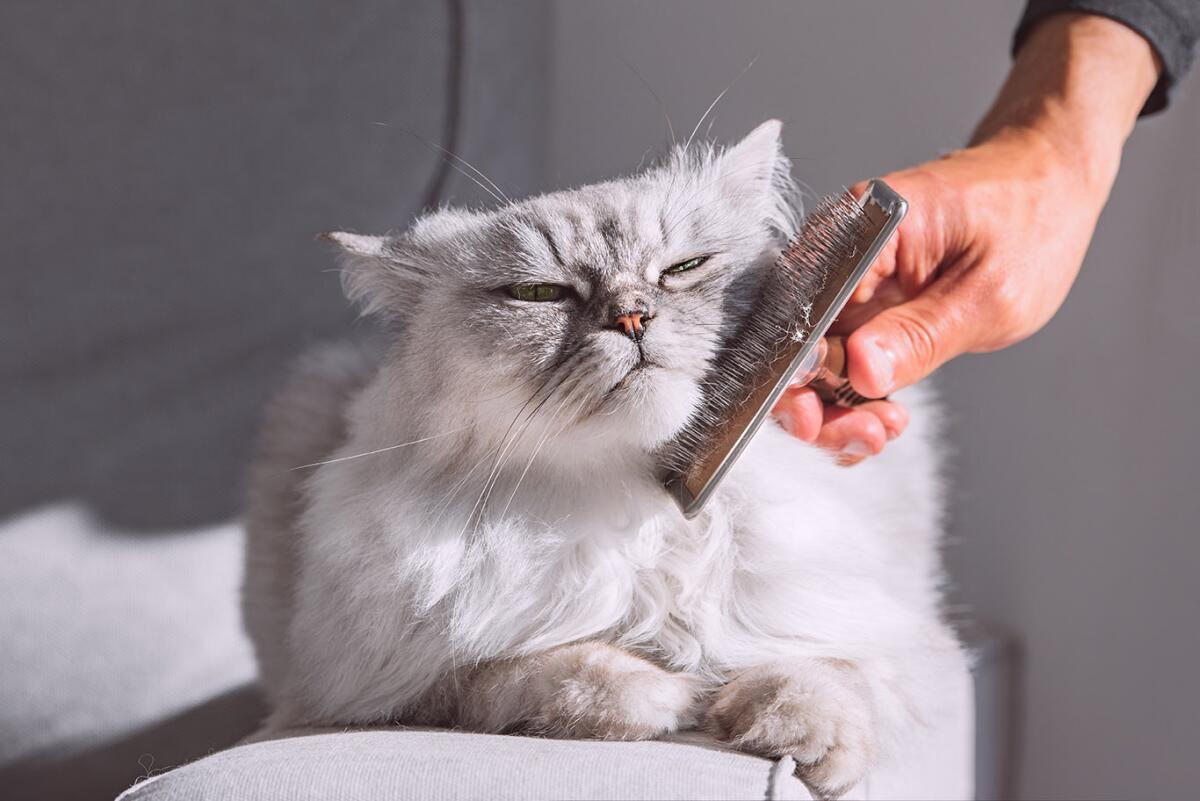
Choose a brush that fits your cat’s fur type—slicker brushes work well for long-haired cats, while rubber brushes suit short-haired ones. Gently brush in the direction of the fur growth to avoid causing discomfort.
Start with short sessions to help your cat get used to the sensation. Pay close attention to areas like behind the ears and under the legs where mats tend to form. Have you noticed your cat’s favorite spot to be brushed?
Bathing Tips
Most cats don’t need frequent baths, but occasional washing can help with dirt or skin conditions. Use a cat-specific shampoo and warm water to keep your feline calm and safe.
Before bathing, trim any matted fur to avoid pulling. Keep the water shallow and speak softly to soothe your cat throughout. Ever tried using a handheld sprayer or a cup to rinse gently?
Nail Care
Regular nail trimming prevents scratches and keeps your cat comfortable. Use a small, sharp trimmer designed for cats and avoid cutting into the quick, the pink sensitive part inside the nail.
If your cat resists, try trimming after a nap when they’re relaxed. Offering treats afterward can make the experience positive. How often do you check your cat’s nails?
Cleaning Ears And Eyes
Check ears weekly for dirt or unusual odor. Use a soft, damp cloth or a cotton ball with a vet-approved solution to wipe gently inside the ear flap—never insert anything deep into the ear canal.
For eyes, wipe away discharge with a clean, damp cloth. Consistent cleaning helps prevent infections and keeps your cat comfortable. Have you noticed any changes in your cat’s eyes or ears lately?
Handling Common Grooming Challenges
Cats may resist grooming, but patience and gentle strokes help calm them. Using the right tools prevents discomfort and makes brushing easier. Regular breaks keep your cat relaxed during grooming sessions.
Grooming your cat can be a delightful bonding experience, but it often presents challenges that test your patience and skill. Every cat is unique, and some may not be too thrilled about the grooming process. Understanding how to handle these common issues can make the experience more enjoyable for both you and your feline friend.Dealing With Matting And Tangles
Matting and tangles are common, especially in long-haired breeds. The key is to be gentle. Use a detangling spray and a comb to slowly work through the knots. Start from the ends and work your way up to avoid pulling on the skin. Regular brushing can prevent mats from forming, saving you from this tedious task in the future.Managing Fear And Anxiety
Grooming can be stressful for some cats. Create a calm environment with soothing music or soft lighting. Talk to your cat in a gentle voice to reassure them. If your cat shows signs of distress, take a break. Sometimes, a grooming session split into short, manageable periods can ease their anxiety.When To Seek Professional Help
Not all grooming challenges can be tackled at home. If your cat becomes aggressive or you encounter a particularly stubborn mat, it might be time to call in a professional. Groomers have specialized tools and experience to handle difficult situations. They can also provide tips on how to improve your grooming technique at home. Encountering grooming challenges is normal, but with patience and the right approach, you can overcome them. Have you ever wondered how your cat feels during grooming? Listening to their cues can lead to a more harmonious grooming experience.Seasonal Grooming Adjustments
Seasonal grooming adjustments help keep your cat comfortable throughout the year. Cats grow different coats depending on the season. Grooming routines should change to match these natural shifts. This care supports their health and reduces hair problems.
Winter Coat Care
During winter, cats develop thicker fur to stay warm. Brush your cat gently but thoroughly to remove loose hairs. This prevents mats and tangles. Check the skin for dryness caused by indoor heating. Use a soft brush to avoid irritation. Offer a warm resting spot to support their thicker coat.
Summer Shedding Control
In summer, cats shed their thick winter coat. Regular brushing helps remove excess fur. This reduces hairballs and keeps your home cleaner. Use a comb to reach undercoat hairs. Bathing is rarely needed but can help if your cat tolerates it. Provide plenty of water to keep your cat hydrated and cool.
Diet And Hydration Impact
Your cat’s diet and hydration have a big effect on its coat and overall skin health. What you feed your feline friend can either make its fur shine or look dull and unhealthy. Understanding the connection between nutrition, water intake, and grooming helps you take better care of your cat’s appearance and comfort.
Nutrition For Healthy Fur
Good nutrition is the foundation of a glossy, soft coat. Cats need a balanced diet rich in proteins and essential fatty acids like omega-3 and omega-6 to keep their fur healthy.
Look for cat foods that list real meat as the first ingredient and include supplements such as fish oil or flaxseed oil. These ingredients support skin repair and reduce dryness or flakiness.
Have you noticed how some cats lose hair or develop dandruff? This often links back to poor diet. Adding a high-quality wet food or a supplement designed for skin health can make a visible difference within weeks.
Hydration Tips
Hydration is just as critical as nutrition for your cat’s skin and coat. Cats naturally drink less water, so ensuring they stay hydrated can prevent dry, itchy skin.
- Provide fresh water daily in multiple locations around your home.
- Consider using a cat water fountain to encourage drinking by offering running water.
- Mix wet food into their diet to increase water intake through meals.
Have you ever checked if your cat drinks enough water? Dehydration can worsen coat problems and cause discomfort. Keeping an eye on their drinking habits helps you spot issues early and maintain their grooming routine effortlessly.
Signs Your Cat Needs Extra Care
Noticing when your cat needs extra grooming care can save you from bigger health issues down the road. Cats often hide discomfort well, so you must watch for subtle changes in their behavior and appearance. Knowing what signs to look for helps you act early and keep your furry friend comfortable and healthy.
Changes In Grooming Habits
Has your cat suddenly stopped cleaning itself as often? Cats usually groom several times a day, so a drop in this habit can signal pain or illness. Older cats or those with arthritis might find grooming difficult, leading to messy fur and mats.
On the other hand, if your cat is over-grooming, you might see bald spots or redness. Excessive licking can point to allergies, stress, or skin irritation. Have you noticed your cat spending more time licking a specific area? This behavior deserves a closer look and possibly a vet visit.
Skin And Coat Issues
A dull or patchy coat can indicate that your cat needs extra care. Healthy fur should be shiny and smooth, so flakes, dandruff, or greasiness are warning signs. You might also find bumps, sores, or scabs, which could mean infections or parasites like fleas.
Check your cat’s skin regularly by gently parting the fur. Does it look red, inflamed, or have unusual lumps? These changes often require prompt attention to avoid discomfort or worsening conditions. Paying attention to these details helps you keep your cat’s skin and coat in top shape.
Frequently Asked Questions
How Often Should I Groom My Cat?
Groom your cat at least once a week to maintain a healthy coat. Long-haired cats may need daily grooming to prevent mats and tangles. Regular grooming reduces shedding and hairballs, keeping your cat comfortable and clean.
What Tools Are Best For Cat Grooming?
Use a soft-bristle brush for short-haired cats and a wide-toothed comb for long-haired cats. Nail clippers and a flea comb are also essential. Choose tools designed specifically for cats to ensure safety and comfort during grooming.
How Can I Make Grooming Stress-free For My Cat?
Create a calm environment with gentle handling and positive reinforcement. Start grooming sessions short and gradually increase their length. Use treats and soothing voices to build trust and make grooming enjoyable for your cat.
When Should I Seek Professional Cat Grooming?
Seek professional grooming if your cat has severe matting, skin issues, or if you feel uncomfortable grooming them. Professionals have the right tools and experience to handle difficult grooming safely and effectively.
Conclusion
Grooming your cat helps keep them healthy and happy. Regular brushing reduces shedding and stops mats. Use gentle strokes to make grooming a good time. Check their ears, eyes, and nails often. Keep grooming tools clean and safe. Patience and kindness make the process easier.
A well-groomed cat looks and feels great. Start small and build a routine slowly. Enjoy this special time with your furry friend.

Leave a Reply