Taking care of your short-haired cat’s coat might seem simple, but doing it the right way can make a big difference in their health and happiness. You want your furry friend to feel comfortable and look their best, and grooming plays a key role in that.
Whether you’re a new cat owner or looking to improve your routine, this guide will show you easy steps to keep your cat’s fur shiny, clean, and free of tangles. Keep reading to discover how small changes in grooming can boost your cat’s well-being and deepen the bond you share.
Credit: www.latimes.com
Benefits Of Grooming Short Haired Cats
Grooming short haired cats offers many benefits beyond just keeping them clean. Regular brushing and care improve their health and happiness. It also helps build a stronger bond between you and your cat.
Short haired cats shed less than long-haired breeds. Still, grooming removes loose fur and reduces hair around the house. It keeps the skin healthy and prevents issues like dryness or irritation.
Improves Skin And Coat Health
Grooming stimulates natural oils in the cat’s skin. These oils keep the coat shiny and soft. It also removes dirt and dead skin cells. A healthy coat means fewer problems with dryness or dandruff.
Reduces Shedding And Hairballs
Brushing short haired cats catches loose fur before it falls off. This means less fur on your furniture and clothes. It also lowers the chances of hairballs forming in your cat’s stomach.
Detects Health Issues Early
Regular grooming lets you check your cat’s skin for bumps or wounds. You can spot fleas, ticks, or infections early. Catching problems early helps your cat stay healthy and happy.
Strengthens The Bond With Your Cat
Grooming sessions create quiet time with your cat. Many cats enjoy the gentle touch and attention. This time together builds trust and deepens your connection.
Helps With Stress Reduction
Short haired cats often feel calm during grooming. The gentle strokes relax their muscles. This can lower stress and anxiety in your cat.
Essential Grooming Tools
Short-haired cats need regular grooming to stay healthy and comfortable. Using the right tools makes grooming easier and more effective. Essential grooming tools help remove loose fur, prevent hairballs, and keep your cat clean. They also make bonding time enjoyable for both of you.
Brushes And Combs
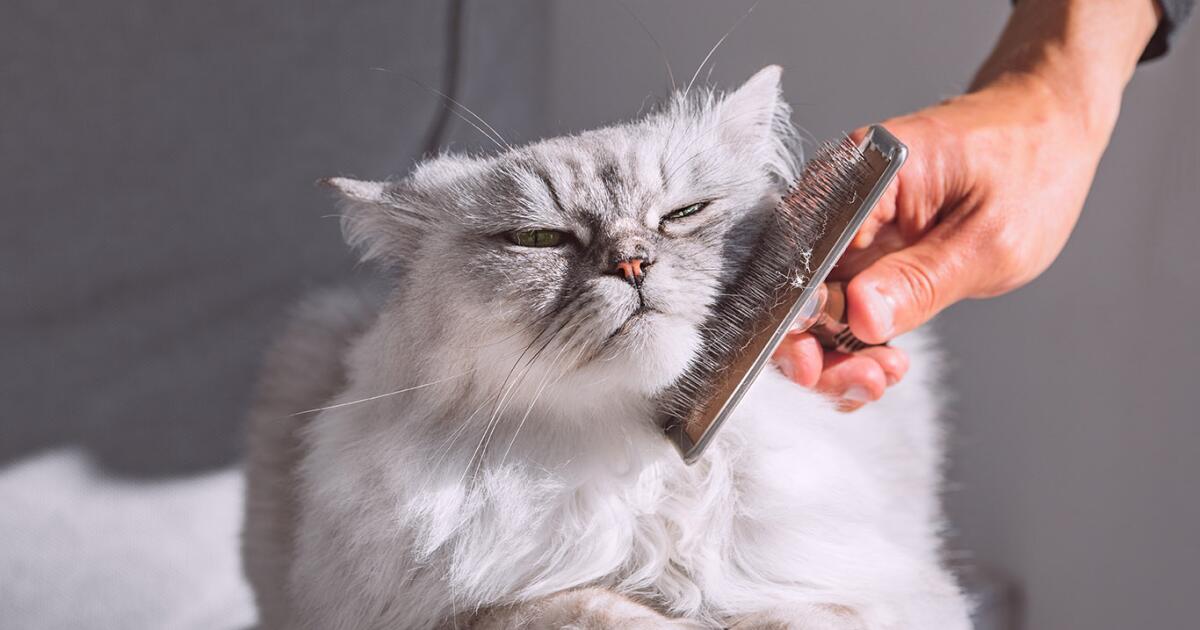
Choose a soft-bristle brush or a rubber grooming mitt for short-haired cats. These tools gently remove loose hair without irritating the skin. A fine-toothed comb helps untangle small knots and checks for fleas. Regular brushing reduces shedding and keeps the coat shiny.
Nail Clippers
Use nail clippers designed for cats to trim sharp claws. Keeping nails short prevents scratching injuries and damage to furniture. Trim only the sharp tips to avoid hurting the quick. Regular nail care supports your cat’s comfort and health.
Cleaning Supplies
Keep grooming wipes and pet-safe ear cleaners handy. Wipes help remove dirt and dander between baths. Ear cleaners prevent wax buildup and infections. Use a soft cloth to clean around the eyes and nose gently. These supplies keep your cat fresh and healthy.
Brushing Techniques
Brushing short-haired cats keeps their coat healthy and shiny. It also reduces shedding and hairballs. Using the right brushing techniques makes grooming easy and pleasant for your cat.
Frequency And Timing
Brush your short-haired cat two to three times a week. Regular brushing stops loose fur from spreading around the house. Pick a quiet time when your cat feels calm. Grooming after a nap or playtime helps your cat relax.
Gentle Strokes
Use soft, smooth strokes to brush your cat’s coat. Move in the direction of hair growth. Avoid pressing too hard to prevent skin irritation. Gentle brushing feels like a massage and builds trust.
Handling Sensitive Areas
Some spots need extra care, like the belly, tail, and under the chin. Approach these areas slowly and softly. Use your fingers to check for mats or dirt. Stop if your cat shows discomfort and try again later.
Bathing Your Cat
Bathing your short-haired cat may seem unusual, but it helps keep your pet clean and healthy. Cats groom themselves, but sometimes dirt, oils, or allergens build up on their coat. Bathing removes these and reduces shedding. It also helps if your cat has skin issues or allergies. Most cats dislike water, so gentle care is important during baths. Preparing well makes the experience easier for both you and your cat.
When To Bathe
Baths are not needed often for short-haired cats. Bath your cat only if it is very dirty or smells bad. Use a bath if your cat gets sticky or oily substances on its fur. Bathing helps if your cat has fleas or skin problems. Avoid frequent baths because they can dry out your cat’s skin. Normally, a bath every few months is enough.
Choosing Cat-friendly Shampoo
Choose shampoo made just for cats. Human shampoos or dog shampoos can harm your cat’s skin. Look for gentle, fragrance-free, and hypoallergenic formulas. Avoid shampoos with strong chemicals or dyes. A good cat shampoo cleans well and keeps the skin soft. Some shampoos also help with fleas or skin issues. Always read the label to make sure it is safe for cats.
Step-by-step Bathing Process
- Prepare everything before starting: shampoo, towels, and a cup for rinsing.
- Fill the sink or tub with a few inches of lukewarm water.
- Gently place your cat in the water. Speak softly to calm it.
- Use a cup to wet your cat’s fur, avoiding the face and ears.
- Apply a small amount of shampoo and massage it gently into the fur.
- Rinse thoroughly with lukewarm water until no shampoo remains.
- Use a soft towel to dry your cat as much as possible.
- Keep your cat in a warm room until fully dry to avoid chills.
Nail Care Tips
Proper nail care is essential for short-haired cats. It helps prevent scratches, infections, and damage to furniture. Regular trimming keeps your cat comfortable and safe. Nail care also promotes healthy paws and reduces stress for your cat.
Trimming Basics
Use a sharp, small pet nail clipper for better control. Gently hold your cat’s paw and press to expose the nails. Trim only the sharp tips to avoid cutting the quick. The quick is the pink area inside the nail with blood vessels. Cut slowly and carefully to prevent pain and bleeding.
- Choose a quiet place to keep your cat calm.
- Trim nails every 1-2 weeks to keep them short.
- Reward your cat with treats after trimming.
Avoiding Common Mistakes
Do not cut too close to the quick. This causes pain and bleeding. Avoid trimming all nails at once if your cat resists. Take breaks and try again later. Do not use human nail clippers; they can splinter cat nails. Never force your cat during trimming. This causes fear and stress.
- Check nails in good light to see the quick clearly.
- Keep styptic powder nearby to stop bleeding if needed.
- Do not ignore signs of infection or injury around nails.

Credit: www.latimes.com
Ear And Eye Maintenance
Maintaining your short-haired cat’s ears and eyes is crucial for their overall health and comfort. These areas can easily trap dirt and debris, leading to irritation or infection if left unchecked. Regular care helps keep your cat happy and prevents problems before they start.
Cleaning Routine
Clean your cat’s ears and eyes gently and regularly. Use a soft, damp cloth or cotton ball—never cotton swabs, as they can harm the ear canal.
- For ears, wipe the outer parts carefully, removing any visible dirt or wax.
- For eyes, dab away discharge from the corners using a separate clean cloth for each eye to avoid spreading infection.
- If you notice a lot of buildup, use a vet-recommended ear cleaner or eye wash solution.
Try to do this once a week or more often if your cat tends to get dirty. Notice how your cat reacts; if they seem uncomfortable, slow down and be extra gentle.
Signs Of Infection
Watch for signs that your cat’s ears or eyes might be infected. Redness, swelling, or a bad smell from the ears are clear warning signs.
- Excessive scratching or shaking of the head can also indicate ear problems.
- For eyes, look out for redness, swelling, discharge that is yellow or green, or frequent blinking.
- If your cat’s eyes seem cloudy or if they rub their face against furniture more than usual, it’s time to see a vet.
Ignoring these signs can lead to more serious issues. Have you ever noticed your cat acting differently after a grooming session? Paying attention to these subtle cues can make a big difference.
Diet And Coat Health
Grooming a short-haired cat involves more than just brushing. A well-balanced diet plays a crucial role in maintaining a healthy coat. The right nutrients can make your cat’s fur shiny and smooth. Let’s explore how diet impacts coat health.
Nutritional Needs
Short-haired cats need a balanced diet. This includes proteins, fats, and carbohydrates. Proteins from meat sources are essential for fur health. They support growth and repair. Good fats, like omega-3 and omega-6, keep the skin hydrated. Carbohydrates provide energy. Always choose high-quality cat food. Avoid fillers and artificial additives.
Supplements For A Shiny Coat
Supplements can enhance your cat’s coat. Omega-3 and omega-6 fatty acids are beneficial. They reduce skin inflammation and promote a glossy coat. Fish oil is a popular choice. It contains these essential fats. Biotin supplements also aid in fur health. They strengthen hair and prevent breakage. Always consult a vet before adding supplements. They can guide you on proper dosage.
Managing Shedding
Managing shedding in short-haired cats can be a challenge. These felines shed hair throughout the year. Regular grooming helps keep their coat healthy and your home clean. A good grooming routine can minimize shedding significantly.
Seasonal Changes
Short-haired cats experience shedding changes with the seasons. In spring, they shed their winter coat. This can lead to more fur around your home. In fall, they shed their summer coat. Understanding these cycles helps in planning grooming sessions.
Reducing Loose Fur
Regular brushing reduces loose fur in short-haired cats. Use a rubber brush or grooming mitt. These tools are gentle and effective. They help remove loose hair without hurting the cat. Aim for at least two grooming sessions each week.
Bathing can also reduce loose fur. Use a cat-safe shampoo. Bathing once a month can help. Be sure to dry your cat thoroughly afterwards.
When To See A Vet
Knowing when to see a vet is crucial for your short-haired cat’s health. Grooming helps spot issues early, but some signs need professional attention. Don’t wait if something feels off—your cat depends on you to catch problems early.
Skin Issues
Watch closely for unusual redness, swelling, or persistent scratching. These could signal infections, allergies, or parasites like fleas and mites. If your cat’s skin looks flaky, oily, or has bald patches, it’s time for a vet visit.
Remember, some skin problems might seem minor but can worsen quickly. I once ignored a small rash on my cat, which later turned into a painful infection. Early vet care saved her from a much bigger problem.
Behavioral Changes
Changes in your cat’s behavior can hint at discomfort or illness. If your cat suddenly grooms less or more than usual, seems withdrawn, or avoids being touched, these are warning signs. Loss of appetite or unusual aggression can also indicate something is wrong.
Ask yourself: is your cat acting like themselves? If not, don’t hesitate to consult a vet. Behavioral changes often reveal hidden health issues that grooming alone won’t uncover.

Credit: www.latimes.com
Frequently Asked Questions
How Often Should I Groom My Short-haired Cat?
Groom your short-haired cat once a week to remove loose hair. Regular grooming reduces shedding and prevents hairballs. It also helps you check for skin issues and strengthens your bond with your cat.
What Tools Are Best For Grooming Short-haired Cats?
Use a soft-bristle brush or grooming glove for short-haired cats. These tools gently remove loose fur without irritating the skin. Avoid harsh brushes, as they can cause discomfort or skin damage.
Can Grooming Prevent Hairballs In Short-haired Cats?
Yes, regular grooming reduces hair ingestion during self-cleaning. Removing loose fur lowers the chance of hairballs forming. Grooming also promotes healthy skin and a shiny coat.
Should I Bathe My Short-haired Cat Regularly?
Short-haired cats usually don’t need frequent baths. Bathe only if they get dirty or have skin conditions. Use a cat-specific shampoo and ensure thorough rinsing to avoid irritation.
Conclusion
Grooming a short-haired cat keeps their coat clean and healthy. Regular brushing removes loose hair and dirt easily. It helps reduce shedding and prevents hairballs too. Short grooming sessions build trust and comfort for your cat. Use gentle strokes and the right tools every time.
Watch for any skin problems or changes during grooming. A clean, well-groomed cat feels happy and cared for. Simple care makes a big difference in your pet’s life. Keep grooming a regular part of your routine. Your cat will thank you with love and purrs.



Leave a Reply