If you have a Persian cat, you know how beautiful their long, flowing fur is. But keeping that fur clean and tangle-free takes some work.
Grooming your Persian cat isn’t just about looks—it’s about their comfort and health too. You might wonder how to make grooming easier and less stressful for both of you. This guide will show you simple, effective steps to keep your Persian cat’s coat soft, shiny, and healthy.
Stick with me, and you’ll learn how to turn grooming into a bonding time you both will enjoy.
Choosing The Right Grooming Tools
Choosing the right grooming tools is key to keeping your Persian cat’s coat healthy and beautiful. The correct tools make grooming easier for both you and your cat. They help prevent discomfort and reduce the risk of damaging your cat’s delicate fur.
Combs And Brushes
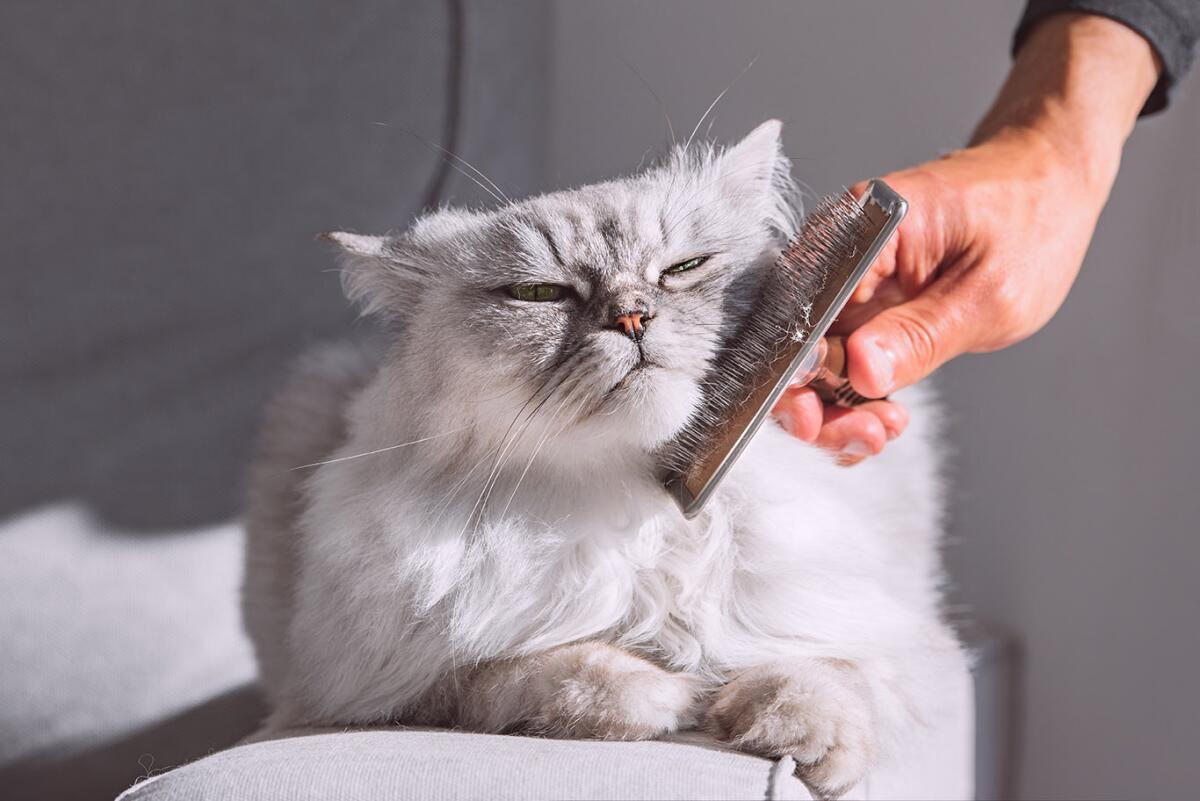
Persian cats need brushes and combs that can handle their long, thick fur without causing pain. A wide-toothed comb is perfect for gently detangling knots and mats. Follow up with a fine-toothed comb to remove loose hair and dirt.
Choose a slicker brush with soft bristles to remove loose fur and prevent hairballs. Avoid stiff bristles—they can irritate your cat’s sensitive skin. Think about the size of the tool too; smaller brushes might be easier to handle and less scary for your cat.
Nail Clippers And Scissors
Trimming your Persian’s nails is essential, but using the wrong clippers can cause injury or stress. Opt for small, sharp pet nail clippers designed for cats—they give you better control and a clean cut.
Keep a pair of rounded-tip scissors handy for trimming fur around the paws and eyes. This helps prevent dirt buildup and irritation. If your cat dislikes grooming near the face, try trimming in short, calm sessions to keep things stress-free.
Shampoos And Conditioners
Persian cats benefit from shampoos and conditioners made specifically for long-haired breeds. Choose gentle, hypoallergenic formulas to avoid skin irritation. A moisturizing conditioner helps keep the fur soft and tangle-free.
Don’t use human shampoos—they can disrupt your cat’s skin balance. Look for products with natural ingredients like aloe vera or oatmeal. Have you noticed how your cat’s coat reacts after a bath? The right shampoo can make a big difference in shine and softness.
Daily Grooming Routine
Daily grooming keeps Persian cats healthy and comfortable. Their long fur needs regular care to stay soft and clean. Small daily tasks prevent mats and skin problems. Establishing a routine makes grooming easy and stress-free for both of you.
Brushing Techniques
Use a wide-toothed comb to start. Gently work through the fur from roots to tips. Follow with a soft-bristle brush for smoothness. Brush in the direction of hair growth. Be gentle around sensitive areas like the belly and legs. Regular brushing removes loose hair and dirt.
Checking For Mats And Tangles
Look closely at common mat spots: behind ears, under legs, and around the neck. Feel for tight, thick clumps of fur. Use fingers to loosen small tangles carefully. For stubborn mats, use a mat splitter or scissors with caution. Address mats quickly to avoid pain or skin issues.
Cleaning Eyes And Ears
Persian cats often have tear stains and debris. Wipe eyes daily with a soft, damp cloth. Use a separate cloth for each eye to prevent infection. Check ears for wax or dirt buildup. Clean ears gently with a cotton ball dipped in vet-approved ear cleaner. Never insert objects deep into the ear canal.
Bathing Your Persian Cat
Bathing your Persian cat is an important part of grooming. Their long, thick fur can trap dirt and oils. A bath helps keep their coat clean and healthy. It also reduces shedding and prevents mats. Bath time can be relaxing for your cat with the right approach. Prepare carefully to make it safe and easy.
How Often To Bathe
Persian cats usually need a bath every 4 to 6 weeks. Frequent bathing can dry out their skin. Too few baths can cause greasy fur and tangles. Watch your cat’s coat for signs of dirt or odor. Adjust the bath schedule based on their activity and environment.
Preparing For Bath Time
- Brush your cat gently to remove loose fur and knots.
- Use a small tub or sink with warm water.
- Gather pet-safe shampoo made for cats.
- Keep towels and a non-slip mat nearby.
- Trim your cat’s nails to avoid scratches.
Stay calm and speak softly to your cat. This helps them feel safe and less scared.
Drying And Aftercare
Use a soft towel to pat your cat dry. Avoid rubbing as it can tangle fur. Keep your cat warm during drying. A blow dryer on low, cool setting works if your cat tolerates it. Brush their fur gently after drying to prevent mats. Check ears and eyes for water or shampoo. Reward your cat with treats to end bath time positively.
Dealing With Mats And Tangles
Mats and tangles can hurt your Persian cat’s skin and cause discomfort. Gently use a wide-tooth comb to loosen knots before brushing. Regular grooming prevents mats and keeps their coat soft and healthy.
Grooming Persian cats can feel like an art form, especially when it comes to dealing with mats and tangles. These fluffy companions boast a beautiful, long coat that requires consistent attention. Mats and tangles aren’t just a cosmetic issue; they can lead to discomfort and even skin infections if left unchecked. So, how can you keep your Persian cat looking fabulous and feeling great?Preventive Measures
Regular brushing is your best defense against mats. Aim for daily grooming sessions, even if it’s just a quick brush. This keeps the fur smooth and reduces the chance of knots forming. Use a high-quality brush designed for long-haired cats. A slicker brush or a wide-tooth comb can work wonders in preventing tangles. Remember, gentle strokes are key to avoiding stress for your cat. Incorporating a detangling spray can also help. These sprays condition the fur and make brushing easier. Your Persian will appreciate the extra pampering, and you’ll have fewer tangles to deal with.Safe Removal Methods
If a mat does form, don’t panic. Start by gently working through the tangle with your fingers. Use a detangling spray to ease the process and minimize discomfort for your cat. For stubborn mats, a mat splitter or dematting tool can be helpful. Work carefully, cutting through the mat without pulling on the skin. Patience and a steady hand will ensure a safe grooming session. Never use scissors to cut out mats. It’s easy to accidentally nick your cat’s skin, which can lead to injury. Instead, focus on gently loosening the mat over time.When To Seek Professional Help
Sometimes, mats become too severe to handle at home. If you find yourself struggling, it might be time to consult a professional groomer. They have the expertise and tools to safely remove even the toughest tangles. Professional help is especially crucial if your cat becomes stressed or aggressive during grooming. Experts can manage these situations calmly and effectively, ensuring your cat’s wellbeing. Always consider your cat’s comfort and safety. If grooming becomes a battle, a professional touch might be just what you need. Your Persian’s health and happiness are worth it!Maintaining Healthy Skin And Coat
Maintaining your Persian cat’s skin and coat health goes beyond regular brushing. The right care starts from within, focusing on nutrition, hydration, and essential supplements. These factors play a huge role in keeping your cat’s fur shiny, soft, and free from irritation.
Nutrition Tips
Your cat’s diet directly affects the condition of their skin and coat. Feeding high-quality protein sources like chicken, turkey, or fish provides the amino acids needed for fur growth.
Omega-3 and omega-6 fatty acids are essential for skin health. Look for foods rich in these fats or those labeled for skin and coat support.
Have you noticed your Persian shedding more than usual? It might be time to check the ingredient list of their food and consider switching to a more balanced formula.
Hydration Importance
Water keeps your cat’s skin hydrated and helps prevent dryness and flakiness. Always provide fresh, clean water and encourage your cat to drink frequently.
If your Persian isn’t drinking enough, try adding wet food to their diet. This simple change can increase water intake significantly.
Think about how your cat behaves on hot days—do you see signs of dehydration like lethargy or dry gums? These are red flags that you need to boost their hydration.
Supplements For Coat Health
Sometimes, diet alone isn’t enough to maintain a healthy coat. Supplements like fish oil capsules or specially formulated skin and coat vitamins can make a big difference.
Before adding any supplements, consult your vet to find the right dosage and type. Too much of certain nutrients can cause problems instead of helping.
Have you ever tried giving your Persian a daily dose of omega fatty acids? Many cat owners report noticeable improvements in fur softness and shine within a few weeks.
Trimming And Styling
Trimming and styling Persian cats is essential to keep their coat healthy and beautiful. Their long fur can easily tangle and mat, causing discomfort. Regular trims help manage the hair length and reduce shedding. Styling adds charm and keeps your cat looking neat. It also helps you spot skin issues early. Proper trimming requires patience and care to avoid hurting your pet.
Safe Clipping Tips
- Use sharp, clean scissors or clippers designed for pets.
- Keep your cat calm by trimming in a quiet, comfortable place.
- Trim small sections at a time to avoid mistakes.
- Never cut too close to the skin to prevent nicks or cuts.
- Check for mats or tangles before clipping to avoid pulling fur.
- Take breaks if your cat shows signs of stress or discomfort.
Popular Styles For Persian Cats
- Classic Lion Cut:Short fur on the body with a full mane around the neck.
- Full Trim:Evenly cut fur all over for easy maintenance.
- Face Trim:Short fur around the eyes and mouth to keep clean.
- Summer Cut:Short fur to help your cat stay cool during hot months.
- Natural Look:Minimal trimming, focusing on removing mats and tangles only.
Avoiding Common Grooming Mistakes
- Do not rush; hurried trimming can hurt your cat.
- Avoid using human scissors or tools not made for pets.
- Never pull on mats; use detangling spray or carefully cut them out.
- Don’t trim fur too short; it protects the cat’s skin.
- Avoid trimming sensitive areas without experience.
- Do not skip brushing before and after trimming to keep fur smooth.
Handling Grooming Stress
Grooming Persian cats can sometimes be a challenge, especially when they feel anxious or stressed. Handling grooming stress effectively is key to making the experience pleasant for both you and your cat. By learning how to recognize stress and calm your cat, you can turn grooming time into a bonding moment rather than a struggle.
Creating A Calm Environment
Start by setting up a quiet, comfortable space where your Persian feels safe. Avoid loud noises and sudden movements that can startle your cat. Soft lighting and a warm surface can help your cat relax during grooming sessions.
Consider playing gentle music or using pheromone diffusers designed to soothe cats. These subtle changes can make a big difference in your cat’s mood. Have all your grooming tools within reach so you can work smoothly without interruptions.
Using Positive Reinforcement
Reward your Persian cat with treats and praise throughout the grooming process. This encourages good behavior and helps your cat associate grooming with positive experiences. Try giving small treats after brushing a few strokes or after trimming a little fur.
Use a calm, cheerful voice to reassure your cat. Patience is important—if your cat resists, take a break and try again later. Over time, your cat will learn that grooming is not a threat but a form of care.
Recognizing Signs Of Stress
Watch your cat closely for signs of stress such as twitching tail, flattened ears, or heavy breathing. These signals tell you your cat needs a pause or a change in approach. Ignoring these signs can make your cat more anxious and harder to groom next time.
Sometimes subtle signs like licking lips or yawning indicate discomfort. If you see these, slow down or stop and let your cat calm down. Have you noticed how your cat’s body language changes during grooming? Paying attention can save both of you a lot of frustration.
Frequently Asked Questions
How Often Should I Groom A Persian Cat?
Persian cats need daily grooming to prevent matting. Their long fur easily tangles, so brushing every day keeps their coat healthy and clean.
What Tools Are Best For Grooming Persian Cats?
Use a wide-tooth comb, slicker brush, and grooming scissors. These tools help remove tangles, loose fur, and maintain coat smoothness effectively.
How Do I Prevent Matting In Persian Cats?
Regular brushing and checking for knots prevents matting. Bathing occasionally and keeping the fur dry also reduce mat formation and skin issues.
Can Grooming Reduce Persian Cat Shedding?
Yes, grooming removes loose hair and reduces shedding. Regular brushing controls fur loss and keeps your home cleaner by minimizing loose hairs.
Conclusion
Grooming Persian cats takes time and patience. Regular brushing keeps their fur soft and tangle-free. Clean their eyes and ears often to avoid problems. Use gentle tools and stay calm during grooming. Healthy grooming helps your cat feel happy and loved.
Remember, small daily care makes a big difference. Enjoy the special moments with your Persian cat. Keep these tips in mind for a smooth grooming routine. Your cat will thank you with purrs and affection.

Leave a Reply