
If you have a Persian cat, you know how important grooming is to keep their beautiful coat shiny and healthy. But sometimes, grooming can feel tricky or time-consuming.
What if you could learn the best way to groom your Persian cat, step by step, through a simple and clear video? This guide will show you exactly how to make grooming easy and stress-free for both you and your furry friend.
Keep reading, and you’ll discover tips that will save you time and help your Persian cat look their absolute best every day.
Choosing The Right Tools
Choosing the right tools is the foundation of effective grooming for your Persian cat. The long, dense coat of this breed demands specific brushes, combs, and cleaning products to keep it healthy and beautiful. Using the wrong tools can cause discomfort or damage, so understanding what to use is essential for both you and your cat.
Essential Grooming Brushes
Start with a high-quality slicker brush. Its fine, short wires help remove loose fur and prevent mats without hurting your cat’s sensitive skin.
A bristle brush works well for smoothing and shining the coat after detangling. You’ll notice how it adds a nice finish and keeps your cat looking sleek.
Many Persian cat owners swear by a pin brush with rounded tips. It’s gentle yet effective for daily brushing, reducing hairballs and shedding.
Combs And Dematting Tools
A wide-tooth comb is your best friend for tackling knots. Run it gently through your cat’s fur to separate tangles without pulling too hard.
If mats form, a dematting tool or rake designed for long-haired cats can help break them up carefully. Avoid using scissors unless you’re experienced, as accidental cuts can happen easily.
Think about your cat’s comfort as you choose these tools—soft handles and lightweight designs make grooming a less stressful experience for both of you.
Shampoos And Conditioners
Select shampoos specifically formulated for cats, ideally those that maintain the natural oils in their coat. Avoid human or dog shampoos, which can irritate their skin.
Conditioners help keep Persian fur silky and reduce static. Look for gentle, moisturizing formulas that won’t weigh the fur down.
Remember, your Persian’s skin is delicate. Test any new product on a small area first and watch for any signs of irritation before full use.
Preparing Your Persian Cat
Preparing your Persian cat for grooming is essential to make the entire process smooth and enjoyable for both of you. Persian cats have thick, long fur that requires gentle handling and patience. Taking the right steps before you start grooming will help reduce stress and prevent any mishaps.
Creating A Calm Environment
Your cat will respond better if the surroundings are quiet and comfortable. Choose a warm, well-lit room with minimal distractions. Soft background music or the gentle sound of a ticking clock can soothe nervous cats.
Speak to your cat in a soft, reassuring voice. This helps build trust and keeps your cat relaxed. Have all grooming tools ready nearby so you don’t have to leave your cat unattended.
Brushing Before Bathing
Before bathing your Persian cat, brushing is crucial to remove loose hair and prevent mats from tightening in water. Use a wide-toothed comb or a soft-bristle brush to gently detangle fur.
Focus on common trouble spots like behind the ears and under the legs. Brushing first also helps you spot any skin issues early on and makes bathing much easier.
Checking For Skin Issues
Take this time to examine your cat’s skin carefully. Look for redness, bumps, flakes, or any signs of irritation. These could indicate allergies, parasites, or infections that might need a vet’s attention.
If you find any unusual spots, avoid bathing those areas aggressively. Instead, consult your vet before proceeding. Caring for your cat’s skin health protects their coat and overall well-being.
Step-by-step Grooming Routine
Grooming a Persian cat requires patience and care. This routine keeps their coat healthy and shiny. Regular grooming prevents mats and tangles. It also helps your cat feel comfortable and clean.
Start with gentle brushing to remove loose hair. Follow with a bath to clean deep dirt. Finish by drying and fluffing to keep the fur soft and full.
Brushing Techniques For A Tangle-free Coat
Use a wide-tooth comb to gently detangle knots. Work slowly from the back to the front. Hold the fur near the skin to avoid pulling. Switch to a fine-tooth comb for smooth finishing. Brush daily to stop mats before they form.
Bathing Tips For Persian Cats
Choose a mild cat shampoo made for sensitive skin. Use lukewarm water to keep your cat calm. Wet the fur thoroughly, avoiding eyes and ears. Apply shampoo gently and rinse well. Keep bath time short to reduce stress.
Drying And Fluffing Fur
Use a soft towel to pat the fur dry. Avoid rubbing, which can cause tangles. Use a low heat setting on a hairdryer. Brush the fur while drying to keep it fluffy. Finish with a gentle comb to smooth the coat.
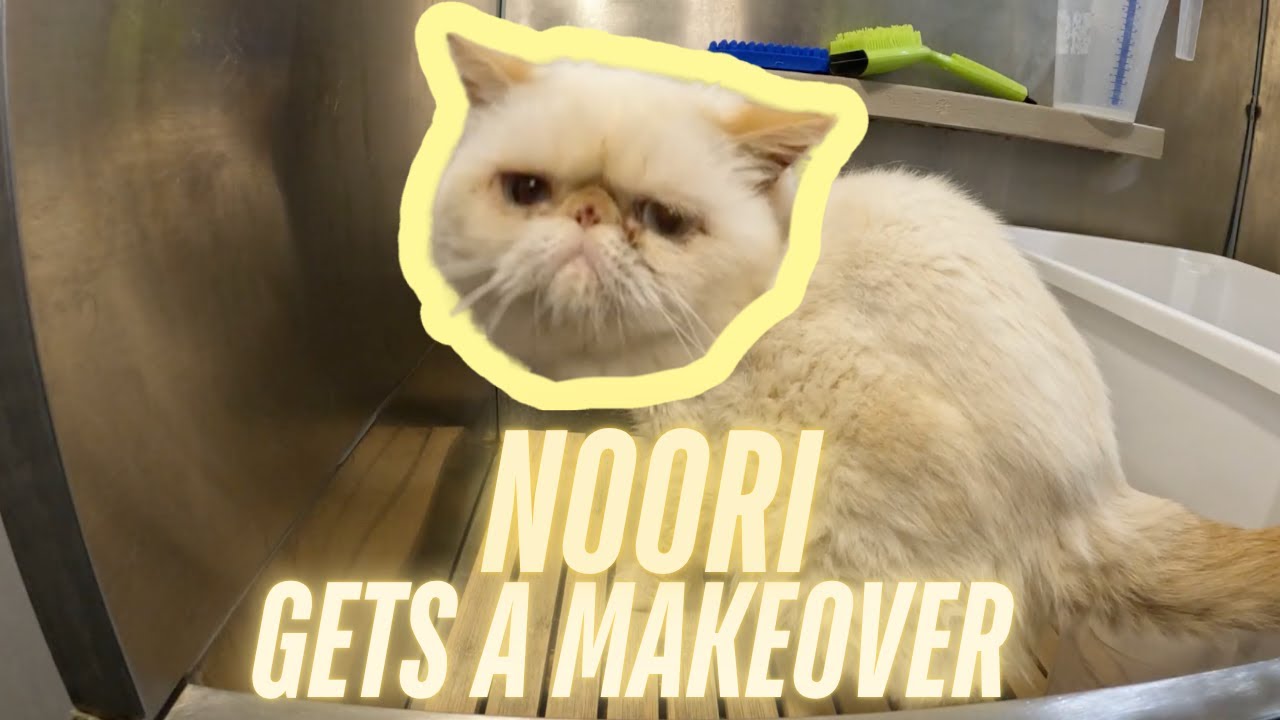
Credit: www.youtube.com
Maintaining Coat Health
Regular brushing removes dirt and prevents mats in your Persian cat’s thick fur. Gentle grooming keeps the coat soft and healthy, reducing shedding and skin problems. Watching a grooming video helps learn the best techniques for your pet’s comfort.
Maintaining Coat Health Keeping your Persian cat’s coat healthy is essential for their overall well-being and happiness. A well-maintained coat not only looks beautiful but also helps prevent common issues like matting and skin irritation. Let’s dive into some practical ways to ensure your furry friend’s coat remains in tip-top condition.Regular Grooming Schedule
Consistency is key when it comes to grooming your Persian cat. Aim for daily brushing to remove loose hair and prevent tangles. Use a high-quality brush designed for long-haired cats to make the task easier and more effective. Establishing a routine can make grooming a bonding experience for both you and your cat. Have you noticed how your cat purrs contentedly during a brushing session? That’s a sign of comfort and trust.Diet And Hydration Impact
What your cat eats plays a significant role in the health of their coat. A balanced diet rich in omega-3 and omega-6 fatty acids can enhance the shine and softness of their fur. Ensure your cat always has access to fresh water, as proper hydration supports skin and coat health. Consider adding a pet water fountain to encourage your cat to drink more. My Persian cat, Luna, started drinking more when I introduced a water fountain, and her coat became noticeably softer and shinier.Dealing With Shedding
Persian cats are known for their luxurious fur, which means shedding is an inevitable part of life. Regular grooming helps manage shedding, but you might still find hair around your home. Use a lint roller or a vacuum cleaner with a pet hair attachment to keep your living space tidy. Have you tried using a de-shedding tool? It can significantly reduce the amount of hair your cat sheds. Remember, a little extra effort can make a big difference in maintaining a clean home and a healthy coat for your Persian cat.Common Grooming Challenges
Grooming a Persian cat presents unique challenges. Their long, thick fur requires special care. Regular grooming keeps their coat healthy and shiny. It also prevents discomfort and health issues. Understanding common grooming challenges helps you prepare better. This section covers key difficulties and tips to manage them smoothly.
Handling Matting And Tangles
Persian cats often develop mats and tangles. Their dense fur traps dirt and oils easily. Mats can pull on the skin, causing pain. Use a wide-tooth comb to gently loosen knots. Start from the tips and work toward the roots. For stubborn mats, try softening with a little water. Never cut mats with scissors to avoid injury. Regular brushing prevents mats from forming.
Managing Sensitive Skin
Persian cats may have delicate skin. Rough handling can cause redness or irritation. Choose grooming tools with soft bristles or rubber tips. Use gentle strokes during brushing. Avoid harsh shampoos; opt for mild, cat-safe formulas. Check skin regularly for signs of dryness or redness. If you notice any issues, consult a vet promptly.
Keeping Your Cat Calm
Many Persian cats feel anxious during grooming. Sudden movements or loud noises increase stress. Create a quiet, comfortable space for grooming sessions. Speak softly and move slowly to soothe your cat. Short sessions work better than long ones. Offer treats or gentle petting as positive reinforcement. Patience and calmness help build trust over time.

Credit: www.youtube.com
Additional Care Tips
Grooming your Persian cat goes beyond just brushing its long fur. Paying attention to smaller details like eye cleaning, nail trimming, and ear care can prevent discomfort and health problems. These additional care tips ensure your cat feels comfortable and stays healthy, creating a stronger bond between you and your furry friend.
Eye And Face Cleaning
Persian cats often have watery eyes that can leave stains on their fur. Use a soft, damp cloth or cotton pad soaked in warm water to gently wipe away any discharge from the corners of their eyes.
Be gentle to avoid irritating the sensitive skin around their eyes. Regular cleaning prevents infections and keeps their face looking fresh.
Nail Trimming Basics
Trimming your Persian cat’s nails keeps them from getting too long and causing scratches or snagging on furniture. Use a pair of cat-specific nail clippers and hold your cat’s paw firmly but gently.
Look for the pink area inside the nail, called the quick; avoid cutting into it as it causes pain and bleeding. If you’re nervous, try trimming just the tips and gradually work up to more.
Ear Care Essentials
Check your Persian’s ears weekly for dirt, wax buildup, or signs of infection like redness or foul odor. Use a cotton ball slightly moistened with a vet-approved ear cleaner to wipe the outer ear gently.
Avoid inserting anything deep into the ear canal to prevent injury. Keeping ears clean can reduce the risk of infections and help your cat hear clearly.
When To Seek Professional Help
Grooming your Persian cat at home can be a rewarding experience, but there are times when professional help is necessary. Knowing when to seek expert assistance ensures your cat stays comfortable and healthy. It also prevents stress for both you and your feline friend.
Recognizing Grooming Difficulties
Sometimes, grooming becomes more than just a daily routine. If your cat resists brushing violently or shows signs of pain, it’s a clear signal to get help. Persistent matting, skin irritation, or unusual odors are also red flags.
Notice if your cat’s fur is tangled beyond what you can manage or if they hide or become anxious during grooming. These behaviors suggest that professional groomers, equipped with experience and tools, can handle the situation better.
Choosing A Grooming Salon
Picking the right grooming salon is crucial for your Persian cat’s well-being. Look for places that specialize in long-haired breeds and have certified groomers. Check reviews and ask about their approach to calming nervous cats.
Visit the salon beforehand to see how staff interact with animals and how clean the environment is. Don’t hesitate to ask about their handling of cats with sensitive skin or behavioral challenges. Your cat’s comfort should be their top priority.
Preparing Your Cat For Visits
Getting your cat ready for grooming appointments helps reduce stress. Start by gently handling your cat’s paws, ears, and tail regularly at home. This familiarizes them with touch and makes professional grooming less intimidating.
Bring along your cat’s favorite toys or a blanket with their scent to the salon. Communicate any health issues or special needs to the groomer beforehand. This preparation creates a smoother experience for both your cat and the groomer.

Credit: m.youtube.com
Frequently Asked Questions
How Often Should I Groom A Persian Cat?
You should groom a Persian cat daily. Their long fur tangles easily. Regular brushing prevents mats and keeps their coat healthy.
What Tools Are Best For Grooming Persian Cats?
Use a wide-toothed comb and a slicker brush. These tools gently remove tangles and loose hair. They help maintain the cat’s soft coat.
Can Grooming Reduce Persian Cat Shedding?
Yes, regular grooming reduces shedding. Brushing removes loose fur before it falls off. This keeps your home cleaner and your cat comfortable.
How Do I Prevent Mats In Persian Cat Fur?
Prevent mats by brushing daily. Focus on areas behind ears, under legs, and around the neck. Mats can cause pain and skin issues.
Conclusion
Grooming your Persian cat keeps its coat clean and healthy. Regular brushing prevents mats and tangles. Use gentle tools and be patient. Watching grooming videos helps you learn proper techniques. Remember, calm and care make grooming easier for your cat.
Keep a routine to maintain your cat’s beauty and comfort. Enjoy the bonding time during each grooming session. Your Persian cat will thank you with a shiny, soft coat. Simple steps lead to happy, healthy pets.

Leave a Reply