Caring for an older cat comes with its own special challenges, especially when it comes to grooming. You might notice your furry friend isn’t as eager to clean themselves or struggles with tangled fur.
But grooming your senior cat is more important than ever—it helps keep their coat healthy, reduces discomfort, and strengthens the bond between you. If you want to make grooming easier and more comfortable for your aging companion, keep reading. This guide will show you simple, effective ways to care for your old cat’s coat, so they stay happy and healthy in their golden years.
Benefits Of Grooming Senior Cats
Grooming your senior cat offers more than just a clean coat. It plays a vital role in their overall health and happiness. Older cats often struggle with grooming themselves, which can lead to discomfort and health issues you might not immediately notice.
Improves Skin And Coat Health
As cats age, their skin becomes thinner and less elastic. Grooming helps remove dead hair and dirt, preventing mats and tangles that can cause irritation.
Regular brushing also distributes natural oils across the coat, keeping it shiny and healthy. Have you noticed your cat’s fur becoming dull? Consistent grooming can bring back that soft texture.
Detects Health Issues Early
Grooming sessions are a chance to check your cat’s body closely. You can spot lumps, bumps, or skin infections before they worsen.
Early detection of problems like fleas, ticks, or wounds can save your cat from serious discomfort. Do you know what signs to look for during grooming?
Reduces Stress And Builds Bond
Many senior cats find grooming soothing, helping to reduce anxiety. It creates a quiet, calm time for you both to connect.
Even shy or nervous cats often relax during gentle brushing. Have you tried using grooming as a way to strengthen your relationship with your cat?
Supports Mobility And Comfort
Older cats can have arthritis or stiffness that makes self-grooming difficult. Helping them with grooming prevents painful mats and keeps them comfortable.
By assisting with grooming, you’re easing their daily struggles and improving their quality of life. How often do you check if your cat needs help grooming?
Recognizing Grooming Needs In Older Cats
Older cats have unique grooming needs that differ from their younger years. Their fur can become thinner, and their skin more sensitive. Recognizing these changes early helps you provide the right care and keeps your senior cat comfortable and healthy.
Changes In Coat Texture And Appearance
You might notice your older cat’s fur looking dull or patchy. This happens because aging affects oil production in their skin. Regular brushing can help distribute natural oils, but be gentle as their skin may be more fragile.
Reduced Grooming Behavior
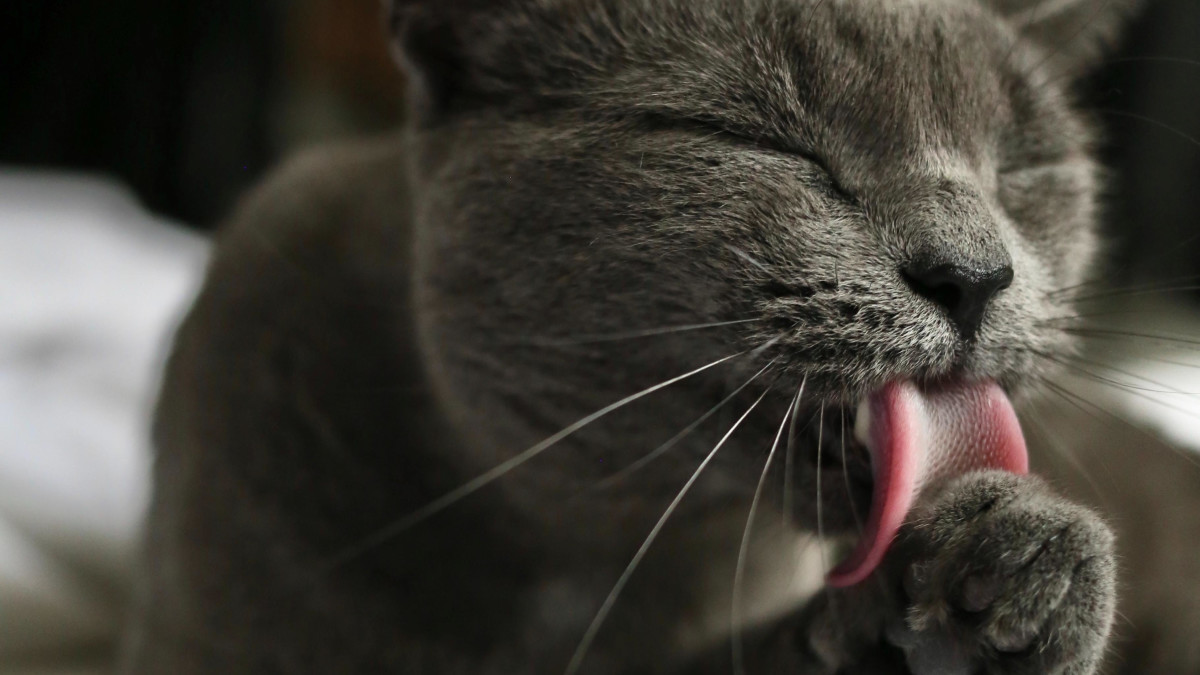
Older cats often groom less due to arthritis or dental pain. If your cat seems less clean than usual, it’s a sign they need your help. Check their fur for mats or dirt, especially in hard-to-reach areas like under the legs or belly.
Watch For Skin Issues
Dry or flaky skin can develop as cats age. Look closely for redness, bumps, or wounds that might be hidden beneath their fur. Early detection lets you address problems before they become serious.
Changes In Mobility Affect Grooming
Joint pain can limit your cat’s flexibility, making it tough to reach certain spots. You may need to assist with brushing or trimming nails to keep them comfortable. Think about how a lack of grooming might affect their overall well-being.
Behavioral Signs That Indicate Grooming Problems
If your cat becomes irritable or hides more often, discomfort from grooming issues might be the cause. Pay attention to any sudden changes in mood or activity. These subtle signs can guide you in deciding when to step in and offer grooming support.
Choosing The Right Grooming Tools
Choosing the right grooming tools for your old cat is crucial. Their skin becomes more delicate with age, so you need tools that are gentle yet effective. Using the wrong brush or comb can cause discomfort or even injury, so think carefully about what suits your cat’s specific needs.
Types Of Brushes And Combs
Soft bristle brushes are ideal for older cats with thin or sensitive fur. They help remove loose hair without pulling on the skin.
For cats with thicker coats, a rubber curry comb can gently lift dirt and dead fur without causing pain. Metal combs work well to detangle mats but should be used carefully to avoid scratching.
Choosing The Right Size And Grip
Smaller brushes with ergonomic handles are easier to hold and control, especially if your cat is nervous or fidgety. You’ll want a tool that fits comfortably in your hand so grooming sessions don’t become tiring.
Have you ever noticed how your old cat reacts to different grips? A soft, non-slip handle can make a big difference in keeping them calm and cooperative.
Special Grooming Tools For Sensitive Skin
Look for grooming tools designed specifically for sensitive skin. Some brushes have rounded tips that prevent scratching and irritation.
Additionally, grooming gloves can be a gentle option, letting you stroke your cat while removing loose hair. This can feel more like petting than grooming, which many older cats appreciate.
Preparing Your Cat For Grooming
Grooming an older cat needs patience and gentle handling. Offer calm, quiet time before grooming to help them relax and feel safe. Use soft brushes and speak softly to keep the experience comfortable and stress-free.
Preparing your cat for grooming is essential, especially as they age. Older cats may have sensitive areas or health issues. Gentle handling is crucial. This preparation ensures a calm and stress-free grooming experience. Let’s explore some effective steps to prepare your senior feline friend.Understand Your Cat’s Needs
Each cat is unique. Notice any sensitive spots or health issues. Adjust grooming accordingly.Create A Calm Environment
Choose a quiet, comfortable space. Soft lighting and soothing sounds help ease anxiety.Gather Necessary Supplies
Have all grooming tools ready. Brushes, combs, and towels should be within reach.Approach Your Cat Gently
Approach slowly and speak softly. Let them sniff grooming tools to reduce fear.Check For Health Concerns
Look for bumps, rashes, or sores. Contact a vet if you find anything unusual.Use Treats And Rewards
Offer treats during and after grooming. Positive reinforcement encourages cooperation.Keep Sessions Short
Limit grooming to a few minutes. It prevents stress and keeps your cat comfortable.Brushing Techniques For Sensitive Skin
Brushing an old cat with sensitive skin needs extra care. Use gentle strokes to avoid hurting your pet. Regular brushing helps remove loose fur and prevents mats. It also stimulates blood flow and keeps the skin healthy. Choose the right tools and techniques for a safe grooming experience.
Choose A Soft-bristled Brush
Use a brush with soft bristles to protect delicate skin. Avoid brushes with hard or sharp bristles. Soft brushes reduce the risk of irritation and discomfort. They help spread natural oils evenly across the fur.
Brush In The Direction Of Fur Growth
Always brush in the direction the fur grows. This reduces pulling and skin damage. Gentle, slow strokes make grooming more comfortable for your cat. Pay attention to sensitive areas like the belly and tail.
Use Short, Gentle Strokes
Short strokes give you better control over pressure. Gentle brushing helps avoid scratching or hurting the skin. Take breaks if your cat shows signs of stress or discomfort.
Check For Mats And Tangles Carefully
Look for mats without tugging hard. Use your fingers to loosen small tangles before brushing. Mats can trap dirt and cause pain. Use a detangling comb designed for sensitive skin if needed.
Keep Sessions Short And Calm
Short grooming sessions prevent your cat from getting anxious. Speak softly and offer treats to create a positive experience. Stop brushing if your cat becomes restless or upset.
Bathing Tips For Aging Cats
Bathing an aging cat requires extra care and patience. Older cats have more sensitive skin and may feel stressed more easily. You need to create a calm environment and use gentle products to keep your cat comfortable and clean.
Choose The Right Shampoo
Use shampoos specially formulated for cats, preferably ones designed for sensitive or aging skin. Avoid human shampoos or harsh chemicals that can irritate your cat’s skin. Look for products with natural ingredients like aloe or oatmeal to soothe and moisturize.
Prepare A Comfortable Bathing Area
Fill a sink or basin with lukewarm water—too hot or too cold can upset your cat. Place a non-slip mat at the bottom to prevent slipping. Keep everything you need within reach so you can focus on your cat without leaving them alone.
Use Gentle Handling And Talk Softly
Speak softly to your cat and move slowly to avoid startling them. Support your cat’s body securely, especially if they have arthritis or weakness. Handling them gently helps reduce stress and makes the bath less scary.
Rinse Thoroughly But Carefully
Make sure to rinse all shampoo out to prevent skin irritation. Use a gentle stream of water or a damp cloth if your cat dislikes water. Excess shampoo left on the fur can cause itching or dryness.
Dry Your Cat Warmly And Quickly
Wrap your cat in a soft towel and gently pat them dry. Avoid rubbing, which can irritate sensitive skin. If your cat tolerates it, use a hairdryer on the lowest setting, keeping it at a safe distance.
Watch For Signs Of Stress Or Discomfort
Notice if your cat is panting, struggling, or vocalizing more than usual. These signs mean you should pause or stop the bath. After all, your cat’s comfort and safety come first.
Nail Care Without Stress
Taking care of an older cat’s nails requires patience and gentleness. Nail trimming can cause stress for both you and your cat. Creating a calm, safe environment helps your cat stay relaxed. Regular nail care prevents painful overgrowth and keeps claws healthy.
Preparing Your Cat For Nail Trimming
Choose a quiet, comfortable spot to groom your cat. Hold your cat gently but firmly. Speak softly to soothe and reassure. Let your cat sniff the nail clippers before starting.
Using The Right Tools
- Use sharp, small clippers made for cats.
- Have styptic powder ready to stop bleeding.
- A nail file can smooth sharp edges after trimming.
Trimming Nails Safely
Look for the pink area inside the nail, called the quick. Avoid cutting into the quick to prevent pain and bleeding. Trim only the sharp tips. Take breaks if your cat gets restless.
Keeping Your Cat Calm
Pet and praise your cat during and after trimming. Use gentle strokes and soft words. Offer a favorite treat as a reward. Short, frequent sessions work better than long ones.
Managing Matted Fur And Tangles
Managing matted fur and tangles in older cats requires patience and gentle care. Their skin becomes delicate with age, so harsh brushing can cause pain or injury. Regular grooming sessions help prevent mats from forming and keep the coat healthy.
Start by checking your cat’s fur for any knots or tangled areas. Focus on places where mats are common, such as behind the ears, under the legs, and around the neck. These areas need extra attention to keep them smooth.
Tools Needed For Removing Mats
- Wide-tooth comb for loosening tangles
- Soft-bristle brush to smooth the coat
- Mat splitter or dematting tool for stubborn knots
- Scissors with rounded tips for safety
- Styptic powder in case of small cuts
How To Gently Detangle Matted Fur
Hold the matted fur at the base to avoid pulling the skin. Use a wide-tooth comb to slowly work through the tangle. Start at the ends and move closer to the skin. Work in small sections to prevent discomfort. If a mat is tight, try a dematting tool carefully. Never force the comb through hard mats.
When To Cut Mats Safely
Cutting may be needed if mats cannot be brushed out. Use scissors with rounded tips for safety. Hold the fur away from the skin before cutting. Cut small sections at a time to avoid injury. If the mat is close to the skin, seek help from a veterinarian or professional groomer.
Preventing Future Mats
- Brush your cat regularly, at least twice a week
- Keep the fur clean and dry
- Check for mats during daily petting sessions
- Trim long fur around problem areas if possible
- Provide a healthy diet to support coat health
Checking For Skin And Health Issues
Gently check your cat’s skin for bumps, redness, or dryness during grooming. Watch for signs of pain or unusual lumps. Early detection helps keep your old cat healthy and comfortable.
Grooming an old cat requires patience and attention. Senior cats need extra care, especially for their skin and health. Regular checks help spot issues early. Early detection can prevent serious problems. This section focuses on how to check for skin and health issues in older cats.Identifying Common Skin Problems
Look for redness, bumps, or dry patches on the skin. These signs can indicate allergies or infections. Check for any unusual hair loss, which might suggest skin problems. Regularly brushing helps spot these issues early.Examining For Lumps And Bumps
Gently feel your cat’s body for unusual lumps. Small bumps might not be serious. But they should still be monitored. Any growing or painful lumps need a vet’s attention immediately.Observing Behavioral Changes
Notice changes in your cat’s grooming habits. Excessive licking or scratching might indicate discomfort or skin irritation. A sudden lack of grooming might signal pain or illness.Checking Eyes And Ears
Inspect your cat’s eyes for clarity and signs of discharge. Cloudy eyes or redness can indicate health issues. The ears should be clean and free of odor. A bad smell can suggest an infection.Monitoring Weight And Appetite
Keep track of your cat’s weight and eating habits. Weight loss or gain can signal health issues. A decrease in appetite can indicate dental problems or illness.Evaluating Mobility And Pain
Watch your cat’s movements for stiffness or limping. Difficulty jumping or climbing might suggest arthritis. Regular playtime can help assess their mobility.Creating A Comfortable Grooming Routine
Creating a comfortable grooming routine for your old cat is key to keeping them happy and healthy. Older cats can be sensitive to touch and may have health issues that make grooming tricky. A calm, gentle approach makes the experience less stressful for both of you.
Understanding Your Cat’s Preferences
Pay close attention to how your cat reacts during grooming. Does she prefer soft brushing or gentle hand stroking? Notice which areas she enjoys being touched and which she avoids.
Adjust your routine based on these signals. If your cat pulls away from certain brushes, try a different tool or softer bristles. Your cat’s comfort should guide every grooming session.
Choosing The Right Time And Place
Pick a quiet, familiar spot where your cat feels safe. Grooming during calm moments—like after a nap or meal—can help your cat relax. Avoid busy or noisy areas that might cause anxiety.
Consistency is important. Try to groom your cat at the same time each day or week. This creates a predictable routine that your cat will come to expect and accept.
Using Gentle Techniques And Tools
Use brushes and combs designed for sensitive skin. Soft bristle brushes or grooming gloves work well for older cats. Avoid harsh pulling or quick movements that might hurt or scare your cat.
Break grooming into short sessions to prevent fatigue. You could spend just five minutes brushing one day, and gradually increase as your cat gets more comfortable. Does your cat respond better to brushing in small bursts?
Making Grooming A Positive Experience
- Offer treats or gentle praise during and after grooming to reinforce good behavior.
- Speak softly to calm your cat and build trust.
- Pay attention to signs of discomfort and stop if your cat becomes stressed.
Remember, patience is essential. I once struggled with grooming my aging cat until I slowed down and let her set the pace. The difference in her attitude was remarkable.
When To Seek Professional Help
Knowing when to ask for professional grooming help can save your aging cat from discomfort and prevent health issues. Older cats often have special needs that require more than just your everyday care. Recognizing the signs that your cat needs expert attention is key to keeping them healthy and happy.
Signs Your Old Cat Needs Professional Grooming
If your cat’s fur is matted beyond what you can handle, it’s time to call a groomer. Mats can pull on the skin and cause pain or infections if left untreated.
Notice if your cat is avoiding grooming or seems stressed during your attempts. This might mean they are dealing with pain or mobility issues that a professional is better equipped to manage.
Health Issues That Require Expert Attention
- Skin infections or wounds that need careful cleaning
- Severe flea infestations or other parasites
- Nail overgrowth causing discomfort or injury
- Dental problems affecting grooming behavior
These conditions often need specialized tools and knowledge to treat safely without causing more harm.
Benefits Of Professional Grooming For Senior Cats
Professionals can spot health problems early during grooming sessions. They know how to handle fragile skin and joints gently.
Besides the physical care, your cat can benefit from the calm environment and experienced handling, reducing stress and making grooming a positive experience.
How To Choose The Right Grooming Professional
- Look for groomers experienced with senior cats
- Ask about their handling techniques for cats with health issues
- Check reviews or get recommendations from your vet
Would you trust your cat’s delicate needs to someone unfamiliar with aging pets? Taking time to find the right groomer makes all the difference.
Frequently Asked Questions
How Often Should I Groom My Old Cat?
Groom your old cat at least once a week to maintain coat health. Older cats need gentle brushing to remove loose fur and prevent mats. Regular grooming also helps monitor skin issues and promotes bonding.
What Tools Are Best For Grooming Elderly Cats?
Use a soft-bristle brush or grooming mitt for older cats. These tools are gentle on delicate skin and help remove loose hair without causing discomfort. Avoid harsh combs that might irritate sensitive areas.
How Can I Make Grooming Comfortable For An Old Cat?
Choose a quiet, warm spot and use gentle strokes. Speak softly and take breaks if your cat shows stress. Patience and positive reinforcement create a calm grooming experience for elderly cats.
Should I Check For Health Issues During Grooming?
Yes, grooming is a great time to check for lumps, skin changes, or parasites. Early detection helps address health problems promptly. Notify your vet if you find any unusual signs.
Conclusion
Grooming an old cat takes patience and care. Regular brushing helps keep their fur clean and healthy. Gentle handling makes the cat feel safe and calm. Watch for signs of discomfort or pain during grooming. A clean and well-groomed cat often feels happier and healthier.
Small, consistent grooming sessions work best for older cats. Your attention shows love and helps your cat age well. Keep grooming simple and kind to build trust every day.

Leave a Reply