If you have a Persian cat, you know how beautiful and fluffy they are. But keeping that gorgeous coat looking its best takes some special care.
You might wonder, “How do I groom my Persian cat without causing stress or missing important steps? ” This guide will show you simple and effective ways to keep your furry friend clean, comfortable, and happy. By the end, you’ll feel confident handling grooming like a pro—your Persian cat will thank you for it! Keep reading to discover tips that make grooming easy and even enjoyable for both of you.
Choosing The Right Grooming Tools
Choosing the right grooming tools for your Persian cat is essential to keep their long, luxurious coat healthy and tangle-free. Using improper tools can lead to discomfort or even skin damage. Understanding which tools suit your cat’s unique needs will make grooming a smoother and more enjoyable experience for both of you.
Brush Types For Persian Cats
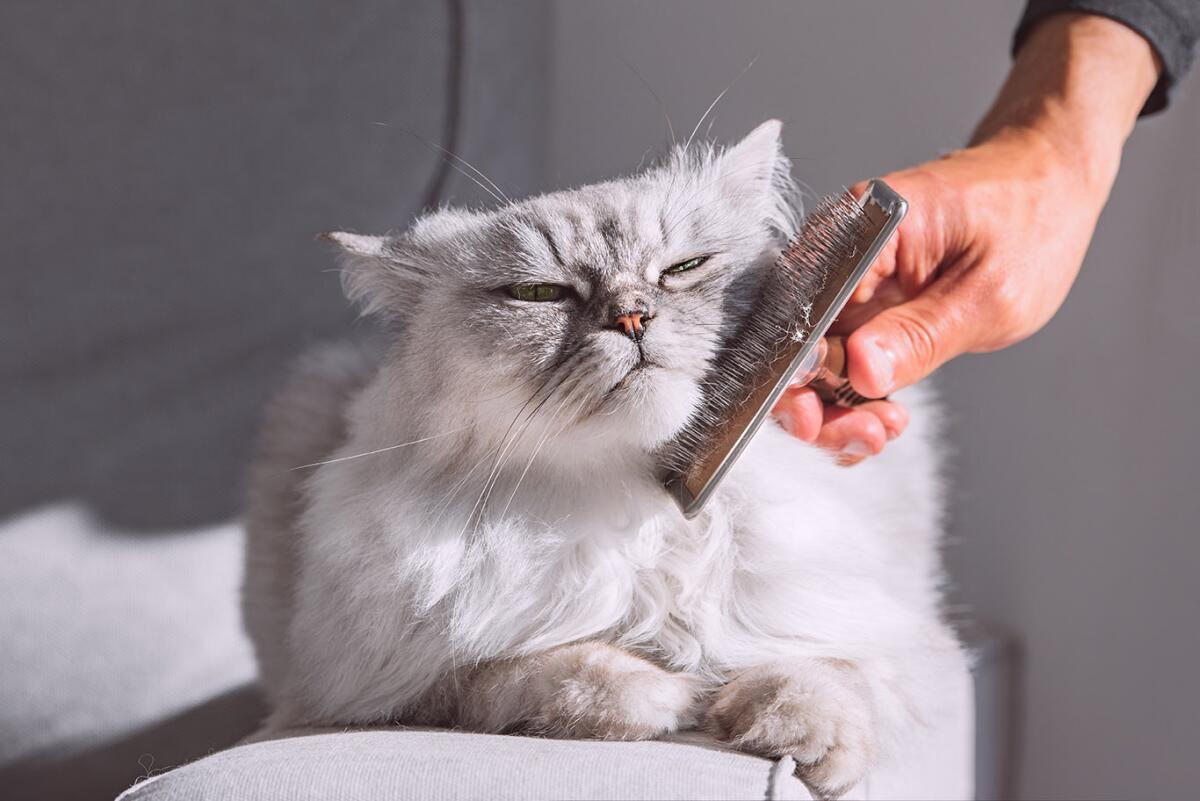
Persian cats have thick, long fur that can easily mat and tangle. A wide-toothed comb is great for gently detangling knots without pulling too hard. Once knots are removed, a slicker brush helps remove loose hair and prevent mats from forming.
Some owners find a pin brush useful for daily grooming because it mimics the feeling of a gentle massage. Ask yourself: does your cat prefer soft or firm bristles? Trying different brushes can reveal what your cat finds most comfortable.
Selecting Nail Clippers And Scissors
Keeping your Persian’s nails trimmed is important to avoid scratches and damage to furniture. Use small, sharp nail clippers designed for cats to ensure clean cuts without splintering. Guillotine-style clippers are easy to control, but scissors with rounded tips offer extra safety.
Scissors are also handy for trimming fur around the paws or delicate areas. Look for grooming scissors with blunt ends to protect your cat’s skin. Have you ever struggled trimming nails because the tool was too big or unwieldy? Choosing the right size can make all the difference.
Additional Grooming Accessories
Beyond brushes and clippers, a few extra tools can improve your grooming sessions. A grooming glove can help remove loose hair while petting your cat, making it less stressful. You might also want a detangling spray formulated for cats to ease combing through stubborn mats.
Don’t forget a soft towel or grooming mat to keep your cat comfortable and prevent slipping during grooming. What small accessory could make your grooming routine easier or more pleasant for your Persian?
Daily Grooming Routine
Grooming your Persian cat daily is not just about keeping them looking their best. It’s about ensuring their comfort and health as well. With their long, luxurious coats, Persian cats can quickly develop mats and tangles if not properly groomed. A daily routine can prevent these problems and also create a bonding experience between you and your furry friend.
Brushing Techniques To Prevent Mats
Persian cats require gentle yet thorough brushing to keep their coats free from mats. Use a metal comb with wide teeth to gently detangle any knots. Start from the head and work your way down to the tail, ensuring you cover all areas including the belly and under the legs.
Brushing daily helps distribute natural oils, keeping the fur shiny and healthy. Consider using a slicker brush for a more thorough grooming session. Remember, patience is key. Your cat might not love the process at first, but consistency will pay off.
Cleaning The Eyes And Face
Persian cats are prone to tear staining due to their facial structure. Clean their eyes daily using a soft, damp cloth. Gently wipe from the inner corner of the eye towards the outside.
Avoid using harsh chemicals or substances; simple warm water is usually sufficient. If you notice persistent staining, consult with your vet for a suitable cleaning solution. Regular cleaning prevents buildup and keeps your cat comfortable and looking their best.
Checking For Skin Issues
While grooming, take the opportunity to check your cat’s skin for any signs of irritation or infection. Look for redness, bumps, or unusual patches that might indicate a problem.
Early detection is crucial in addressing skin issues before they become severe. If you spot anything unusual, schedule a visit to the vet. Regular checks ensure your Persian cat remains healthy and happy.
Have you ever noticed a change in your cat’s behavior during grooming? It might be worth investigating further. Your daily grooming routine is not just a chore; it’s a chance to ensure your Persian cat’s overall wellbeing.
Bathing Your Persian Cat
Bathing your Persian cat is a key part of keeping that luxurious coat clean and healthy. Unlike some breeds, Persians need a bit more attention to their grooming routine, especially when it comes to baths. You might wonder how often to bathe your feline friend and which products are safe to use. Let’s break down the essentials to make bath time easier and more effective.
Frequency And Timing
Persian cats don’t need daily baths, but regular cleaning is important to avoid matting and oil buildup. Bathing every 4 to 6 weeks usually works well, but it depends on your cat’s lifestyle and coat condition.
Watch for signs like greasy fur or skin odors—they tell you when it’s time for a wash. Avoid bathing your cat when they’re stressed or cold, and choose a warm, calm environment to help them relax.
Safe Shampoos And Conditioners
Using the right shampoo is crucial to protect your Persian’s sensitive skin and thick coat. Always pick shampoos labeled specifically for cats, preferably those designed for long-haired breeds.
- Look for products that are free from harsh chemicals and fragrances.
- Conditioners help keep the coat soft and reduce tangles, so consider adding a cat-safe conditioner after shampooing.
- Never use human shampoos—they can irritate your cat’s skin and strip natural oils.
Drying Tips For A Fluffy Coat
After the bath, drying your Persian properly is key to maintaining that fluffy look. Start by gently towel-drying to remove excess water without rubbing hard, which can tangle the fur.
Many cats tolerate a low-heat blow dryer if you keep it moving and at a safe distance. If your cat hates the dryer, let them air dry in a warm room but brush frequently to prevent mats.
Have you noticed how a well-dried coat feels smoother and looks shinier? That’s the result of careful drying combined with consistent grooming.
Dealing With Mats And Tangles
Mats and tangles are common problems for Persian cats due to their long, thick fur. These knots can cause discomfort and skin issues if not handled properly. Regular grooming helps prevent mats, but sometimes they form despite your efforts. Knowing how to deal with them safely is essential for your cat’s health and happiness.
Identifying Problem Areas
Check your Persian cat’s fur regularly, especially in places prone to mats:
- Behind the ears
- Under the legs
- Around the neck
- Near the tail
Look for clumps of fur that feel tight or hard. These knots can pull on the skin and cause pain. Early detection makes removal easier and less stressful for your cat.
Safe Mat Removal Methods
Use a wide-toothed comb to gently loosen small tangles. Hold the fur close to the skin to avoid pulling. For stubborn mats, try these steps:
- Apply a detangling spray made for cats
- Gently work through the mat with your fingers
- Use a mat splitter or dematting tool carefully
Never cut mats with scissors near the skin. This can cause injury. Patience and gentle handling are key to safe mat removal.
When To Seek Professional Help
Some mats are too tight or large to remove at home. Professional groomers have special tools and experience. They can safely remove mats without hurting your cat. Visit a groomer if your cat:
- Has painful, thick mats
- Shows signs of skin irritation or infection
- Becomes stressed or aggressive during grooming
Regular visits to a groomer can keep mats under control and maintain your cat’s comfort.
Nail And Paw Care
Taking care of your Persian cat’s nails and paws is essential to keep them healthy and comfortable. These areas can easily be overlooked, but they play a big role in your cat’s overall well-being. Regular attention helps prevent discomfort and potential infections.
Trimming Nails Safely
Use a pair of sharp, cat-specific nail clippers to avoid crushing the nails. Trim only the sharp tips, staying clear of the pinkish quick inside the nail, which contains nerves and blood vessels. If your Persian cat resists, try trimming after a play session when they’re calm and relaxed.
Do you know the feeling of accidentally cutting too deep? It can hurt your cat and cause bleeding. Keep styptic powder or cornstarch nearby to stop any bleeding quickly if it happens.
Checking For Injuries Or Infections
Regularly inspect your cat’s paws for cuts, swelling, or redness. Persian cats, with their long fur, can sometimes hide small injuries beneath the fur. Look closely between the toes and pads for any signs of irritation or infection.
Have you noticed your cat licking or favoring one paw? This might be a sign of discomfort or injury. Early detection can save your cat from pain and more serious issues down the line.
Keeping Paws Clean
Persian cats can accumulate dirt and litter between their paw pads, especially if they have long fur. Use a damp cloth or pet-safe wipes to gently clean their paws after outdoor time or litter box use. Make sure to dry the paws thoroughly to prevent fungal infections.
Adding paw cleaning to your grooming routine can improve your cat’s comfort and reduce unpleasant odors. Have you tried wiping your cat’s paws regularly? You might find it strengthens your bond while keeping your home cleaner.
Diet And Coat Health
Keeping your Persian cat’s coat healthy starts with what you feed them. A well-balanced diet supports not only their overall health but also the shine and softness of their luxurious fur. You might notice that certain foods can make a visible difference in their coat’s condition over time.
Foods That Promote A Shiny Coat
Proteins are the building blocks of a strong coat. Include high-quality animal proteins like chicken, turkey, or fish in your cat’s meals to help maintain healthy fur.
Fatty acids, especially omega-3 and omega-6, play a key role in skin and coat health. Fish oils and flaxseed oils are excellent sources you can add to their diet.
- Salmon or sardines provide natural omega-3 fatty acids.
- Eggs contain biotin, which supports hair growth.
- Vegetables like pumpkin or sweet potato offer vitamins that boost coat shine.
Have you ever noticed how a change in diet affected your cat’s fur? Sharing those observations can help you tune their nutrition perfectly.
Supplements For Skin And Fur
Sometimes regular food isn’t enough, and supplements can fill the gap. Fish oil capsules or liquid supplements rich in omega fatty acids can improve dryness and brittleness in your Persian’s coat.
Adding a vitamin E supplement can also help reduce skin inflammation and promote a glossy coat.
Always check with your vet before adding supplements to avoid overdosing. A little goes a long way when it comes to these nutrients.
Hydration And Its Importance
Water intake is often overlooked but crucial for coat health. Dehydration can lead to dry, flaky skin and dull fur.
Make sure fresh water is always available. You might try a pet water fountain to encourage your Persian to drink more.
Canned cat food can also help boost hydration, as it contains more moisture than dry kibble. Can you spot the difference in your cat’s coat when they drink enough water?
Regular Vet Checkups
Regular vet checkups are essential for keeping your Persian cat healthy and comfortable. These visits help catch health problems early, especially since Persian cats have unique needs. By scheduling consistent appointments, you ensure your pet stays in top shape and gets the care they deserve.
Monitoring For Common Persian Cat Issues
Persian cats are prone to certain health problems like respiratory issues, eye infections, and kidney disease. During vet visits, your vet will check for these conditions and track any changes over time. Have you noticed your cat sneezing more or rubbing their eyes? These could be signs to mention at your next appointment.
Vaccinations And Preventive Care
Keeping your Persian cat’s vaccinations up to date protects them from serious illnesses. Your vet will advise on the right vaccination schedule based on your cat’s age and lifestyle. Preventive care also includes parasite control and dental checkups, which can prevent bigger problems down the road.
Addressing Grooming-related Health Concerns
Grooming your Persian cat regularly can help spot health issues like skin infections or matting that might cause discomfort. Sometimes, problems like hairballs or clogged tear ducts require medical attention. Discuss any grooming challenges with your vet to get tips tailored to your cat’s needs.
Frequently Asked Questions
How Often Should I Groom My Persian Cat?
Persian cats need daily grooming to prevent mats and tangles. Their long fur easily traps dirt and debris. Regular brushing keeps their coat healthy and shiny. It also reduces hairballs and skin issues. Consistency is key for optimal grooming results.
What Tools Are Best For Grooming Persian Cats?
Use a wide-toothed comb, slicker brush, and stainless steel scissors. These tools gently remove tangles and loose fur. A fine-toothed flea comb helps with delicate areas. Quality tools make grooming easier and more effective for Persian cats.
How Do I Prevent Mats In My Persian Cat’s Fur?
Brush your Persian cat daily, focusing on problem areas like behind ears. Use detangling spray to ease knots. Regular grooming sessions reduce mat formation. If mats form, carefully cut them out or consult a professional groomer.
Can I Bathe My Persian Cat At Home?
Yes, bathing is recommended every 4 to 6 weeks. Use cat-specific shampoo and lukewarm water. Dry your cat thoroughly with a towel and low-heat dryer. Bathing helps maintain coat cleanliness and reduce oil buildup.
Conclusion
Grooming your Persian cat keeps it healthy and happy. Brush your cat’s fur gently every day. Clean its eyes and ears often to avoid problems. Trim nails carefully to prevent scratches. Use the right tools made for Persian cats. Patience and kindness build trust with your pet.
Enjoy the time spent caring for your furry friend. A well-groomed cat looks beautiful and feels good. Simple steps make grooming easier for both of you. Keep these tips in mind for a happy Persian cat.

Leave a Reply