If you have a Maine Coon cat, you know how majestic and fluffy they are. But keeping their beautiful coat looking its best takes some care.
You might wonder how to groom your Maine Coon without stressing them out or missing important steps. This guide will show you simple, effective ways to keep your cat’s fur smooth, healthy, and tangle-free. By the end, you’ll feel confident handling grooming like a pro—and your Maine Coon will thank you with happy purrs and a shiny coat.
Ready to learn the secrets of Maine Coon grooming? Let’s dive in!
Maine Coon Coat Characteristics
The Maine Coon cat is famous for its thick, lush coat. This coat protects the cat from cold weather. Understanding the coat helps in proper grooming and care.
Their fur is unique. It needs regular attention to stay healthy and shiny. Knowing the coat’s texture and shedding patterns makes grooming easier.
Fur Texture And Length
Maine Coons have a double coat. The top layer is long and smooth. The undercoat is soft and dense. This mix keeps them warm and dry.
The fur around the neck and chest is especially thick. It forms a ruff that looks like a lion’s mane. Their tail is bushy and full, like a plume.
The length varies by season but is usually longer than other cats. The fur feels silky but can mat without grooming.
Seasonal Shedding Patterns
Maine Coons shed more in spring and fall. This helps them adjust to temperature changes. Shedding can leave loose fur around the house.
Regular brushing reduces shedding and prevents hairballs. It also keeps the skin healthy by spreading natural oils.
During heavy shedding, daily grooming is best. In winter, the shedding slows down as their coat thickens.
Essential Grooming Tools
Grooming a Maine Coon cat requires the right tools to keep its coat healthy and shiny. These cats have thick, long fur that can easily tangle without proper care. Using essential grooming tools makes the process easier and more comfortable for your pet. Good tools help remove loose hair, prevent mats, and maintain skin health.
Brush Types For Different Fur
Maine Coons have dense fur with a soft undercoat and long guard hairs. Choosing the right brush is key to effective grooming.
- Slicker Brush:Great for removing loose hair and small tangles.
- Pin Brush:Works well on long fur to smooth and detangle.
- Undercoat Rake:Helps remove dead undercoat hair and reduce shedding.
Combs And Nail Clippers
Combs help reach areas where brushes can miss mats and tangles. Use a wide-tooth comb for thick fur and a fine-tooth comb for delicate spots.
- Wide-Tooth Comb:Detangles knots gently without pulling.
- Fine-Tooth Comb:Checks for small mats and debris.
- Nail Clippers:Keep claws trimmed to avoid scratches and injury.
Bathing Supplies
Bathing a Maine Coon is not always necessary but can help keep the coat clean. Use gentle products made for cats.
- Cat Shampoo:Choose mild, fragrance-free shampoos to protect skin.
- Conditioner:Optional, but it helps keep fur soft and shiny.
- Towels:Use absorbent towels to dry your cat after baths.
Brushing Techniques
Brushing your Maine Coon is more than just a grooming task; it’s a way to keep their coat healthy and shiny while bonding with your cat. Using the right brushing techniques can make the experience enjoyable for both you and your furry friend. Let’s look at how you can master these techniques for the best results.
Daily Brushing Routine
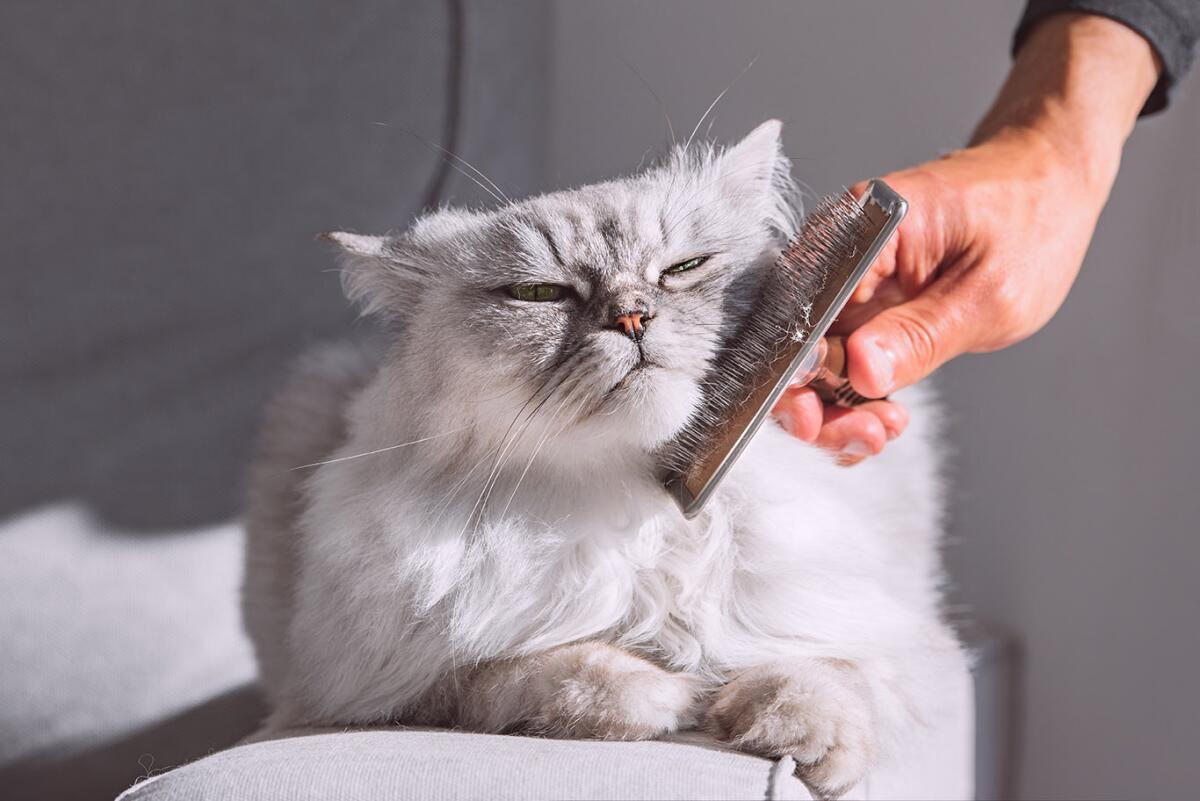
Set aside a few minutes each day to brush your Maine Coon’s fur. Their thick, long coat can develop tangles quickly, so daily attention helps prevent mats from forming. Use a wide-toothed comb to start, followed by a slicker brush to smooth the coat.
Keep your strokes gentle and follow the direction of hair growth. This reduces discomfort and helps your cat relax. If your Maine Coon enjoys the brushing, it can become a calming ritual for both of you.
Detangling Mats And Knots
Mats and knots can be painful and damaging if left untreated. Begin by teasing apart smaller tangles with your fingers before using a comb. For stubborn mats, apply a detangling spray made for cats to soften the fur.
Work patiently from the edges of the mat inward to avoid pulling your cat’s skin. If a mat is too tight, it’s better to trim it carefully rather than forcefully combing. Have you noticed your cat’s mood change when mats are handled roughly? Keeping it gentle makes a big difference.
Handling Sensitive Areas
The belly, behind the ears, and under the legs are sensitive spots that might make your Maine Coon squirm. Approach these areas slowly and talk softly to keep your cat calm. Use a soft brush or your fingertips to avoid startling them.
Watch for signs of discomfort, like tail flicking or sudden movements, and pause if needed. Gradually increasing your cat’s tolerance in these areas can help you groom more thoroughly over time. Are you paying enough attention to these sensitive zones during your grooming sessions?
Bathing Your Maine Coon
Bathing your Maine Coon can be a unique experience, given their thick, water-resistant coat. Many owners shy away from baths, worried about stressing their gentle giants. However, regular bathing, done right, can help keep their fur clean and reduce shedding.
When To Bathe
Consider bathing your Maine Coon only when necessary—such as after they get into something sticky or smelly. Their natural oils usually keep the coat healthy, so over-bathing can strip these oils and cause dry skin.
Look for signs like dirt buildup, greasy fur, or dandruff. If your cat has skin conditions or allergies, ask your vet about a bathing schedule tailored to their needs.
Step-by-step Bathing Process
- Prepare warm water in a tub or sink, ensuring it’s not too hot or cold.
- Use a cat-friendly shampoo that’s gentle and free of harsh chemicals.
- Before wetting, brush your Maine Coon’s coat to remove tangles and loose fur.
- Gently wet their fur, avoiding the head to prevent water in ears and eyes.
- Massage the shampoo into the fur, focusing on the neck, back, and tail areas.
- Rinse thoroughly to remove all shampoo, as residue can irritate the skin.
- Use a washcloth to clean the face carefully, avoiding the eyes and ears.
Drying Tips
After the bath, wrap your Maine Coon in a large, soft towel to absorb excess water. Some cats tolerate a hairdryer on a low, cool setting; others might find it stressful. If you use a dryer, keep it moving and at a safe distance to avoid overheating their skin.
Brush their fur gently while drying to prevent mats and encourage fluffiness. Make sure your cat stays warm during the drying process to avoid chills.
Nail And Ear Care
Regularly trim your Maine Coon’s nails to prevent scratches and discomfort. Clean their ears gently with a soft cloth to avoid infections and keep them healthy.
Grooming your Maine Coon cat is more than just brushing their luxurious coat. Paying attention to nail and ear care is essential to keep your feline friend healthy and comfortable. Regular maintenance in these areas can prevent health issues and make your Maine Coon feel pampered and loved.Trimming Nails Safely
Trimming your Maine Coon’s nails can be a bonding experience if done correctly. Begin by gently pressing each paw to extend the nails. Use a sharp, pet-specific nail clipper to trim just the tip, avoiding the quick—the sensitive part of the nail that can cause bleeding. Create a calm environment to reduce stress for both you and your cat. If your Maine Coon is fidgety, try trimming one or two nails per session. Reward your cat with a treat and praise to make this a positive experience.Cleaning Ears Properly
Maine Coons are prone to earwax buildup, so regular ear cleaning is important. Use a vet-recommended ear cleaner and a soft cotton ball. Gently wipe the inside of the ear, being careful not to insert anything deep into the ear canal. Observe your cat’s ears for signs of infection, such as redness or a foul smell. If you notice anything unusual, consult your vet promptly. Regular ear checks can prevent discomfort and keep your Maine Coon purring happily. Have you ever noticed how your Maine Coon reacts after a grooming session? Taking care of their nails and ears can significantly improve their mood and health. Remember, a well-groomed cat is a happy cat!Diet And Hydration Impact
Diet and hydration play a crucial role in grooming a Maine Coon cat. A balanced diet supports strong, shiny fur and healthy skin. Proper hydration keeps the coat soft and reduces shedding. Paying attention to what your cat eats and drinks helps maintain its majestic appearance and overall health.
Nutrition For Healthy Fur
High-quality protein is essential for fur growth and repair. Maine Coons need foods rich in animal proteins like chicken, fish, or turkey. Omega-3 and omega-6 fatty acids keep the coat glossy and prevent dryness.
- Include fish oil supplements for extra shine
- Feed foods with vitamins A and E for skin health
- Choose wet food to increase moisture intake
- Limit grains and fillers that may cause allergies
Balanced nutrition reduces hair breakage and supports thick, soft fur. Avoid sudden diet changes to prevent digestive upset.
Hydration Benefits
Water is vital for healthy skin and fur. Proper hydration helps flush out toxins and keeps the coat hydrated. Dry skin causes itching and fur loss.
- Provide fresh water daily in clean bowls
- Use water fountains to encourage drinking
- Feed wet food to increase fluid intake
- Monitor your cat’s water consumption regularly
Well-hydrated Maine Coons have less dandruff and a more luxurious coat. Hydration also supports overall organ function and energy.
Common Skin And Coat Issues
Maintaining the beautiful coat of your Maine Coon means staying alert to common skin and coat issues that can affect their health and comfort. These gentle giants are prone to specific problems like dryness, mats, and allergies that can quickly worsen if ignored. Recognizing these signs early helps you act before minor issues turn into serious concerns.
Identifying Problems Early
Keep a close eye on your cat’s fur and skin during grooming sessions. Look for:
- Redness or irritationwhich might indicate allergies or infections.
- Excessive sheddingbeyond the usual seasonal changes.
- Dry, flaky skinthat can signal a nutritional deficiency or environmental dryness.
- Matted furespecially behind the ears and under the legs where Maine Coons tend to tangle more.
- Unusual bumps or soresthat don’t heal quickly.
Have you ever noticed your Maine Coon scratching more than usual? That could be your first clue to start checking for fleas, mites, or even food allergies. Regular grooming lets you catch these problems before they cause discomfort or more serious infections.
When To Consult A Vet
Not every skin issue needs a vet visit, but some signs demand professional attention:
- Persistent itching or scratching lasting more than a week.
- Wounds or sores that worsen or don’t heal.
- Sudden hair loss or bald patches.
- Swelling, pus, or foul odor coming from the skin.
- Changes in behavior like lethargy or loss of appetite accompanying skin issues.
Your vet can perform tests to identify infections, parasites, or allergies and recommend treatments that work. Don’t wait too long; skin problems can quickly become painful or lead to other health complications.
Grooming Tips For Kittens
Grooming Maine Coon kittens is vital for their health and comfort. Start grooming early to make the process enjoyable. Regular grooming helps maintain their beautiful coat and prevents matting. It also strengthens your bond with your kitten.
Building Grooming Habits
Introduce grooming tools gradually to your kitten. Let them sniff and explore brushes. Begin with short grooming sessions to avoid overwhelming them. Aim for consistency by grooming at the same time daily.
Reward your kitten with treats for cooperating. This positive reinforcement encourages them to enjoy grooming. Make grooming sessions pleasant and stress-free for them.
Handling Young Cats Gently
Handle your kitten with care and kindness. Use gentle movements while brushing. Talk softly to soothe them during grooming. Avoid pulling or tugging on their fur.
Support your kitten’s body to help them feel secure. Patience is key; take breaks if they seem restless. Gradually increase grooming time as they grow comfortable.
Frequently Asked Questions
How Often Should I Groom My Maine Coon Cat?
You should groom your Maine Coon cat at least 2-3 times weekly. Their long fur needs regular brushing to prevent mats and tangles. Frequent grooming also reduces shedding and keeps their coat healthy and shiny.
What Tools Are Best For Grooming Maine Coon Cats?
Use a wide-toothed comb, slicker brush, and grooming scissors. These tools help detangle fur, remove loose hair, and trim any mats. Avoid harsh brushes to protect their soft, thick coat.
How Do I Prevent Mats In Maine Coon Fur?
Regular brushing and combing prevent mats by removing loose hair and dirt. Focus on areas prone to tangles, like behind ears and under legs. Consistent grooming keeps their coat soft and free from painful knots.
Can Grooming Help Reduce Maine Coon Shedding?
Yes, grooming helps reduce shedding by removing dead fur before it falls out. Regular brushing spreads natural oils, promoting a healthy coat and minimizing hair around your home. This also keeps your cat comfortable.
Conclusion
Grooming a Maine Coon cat keeps their coat healthy and shiny. Regular brushing stops mats and reduces hairballs. Clean their ears and trim nails carefully. Watch for signs of skin problems or discomfort. Make grooming a calm, fun time together.
This care helps your cat stay happy and strong. Small steps every day make a big difference. Your Maine Coon will thank you with love and purrs. Keep up the routine for a beautiful, healthy pet.

Leave a Reply