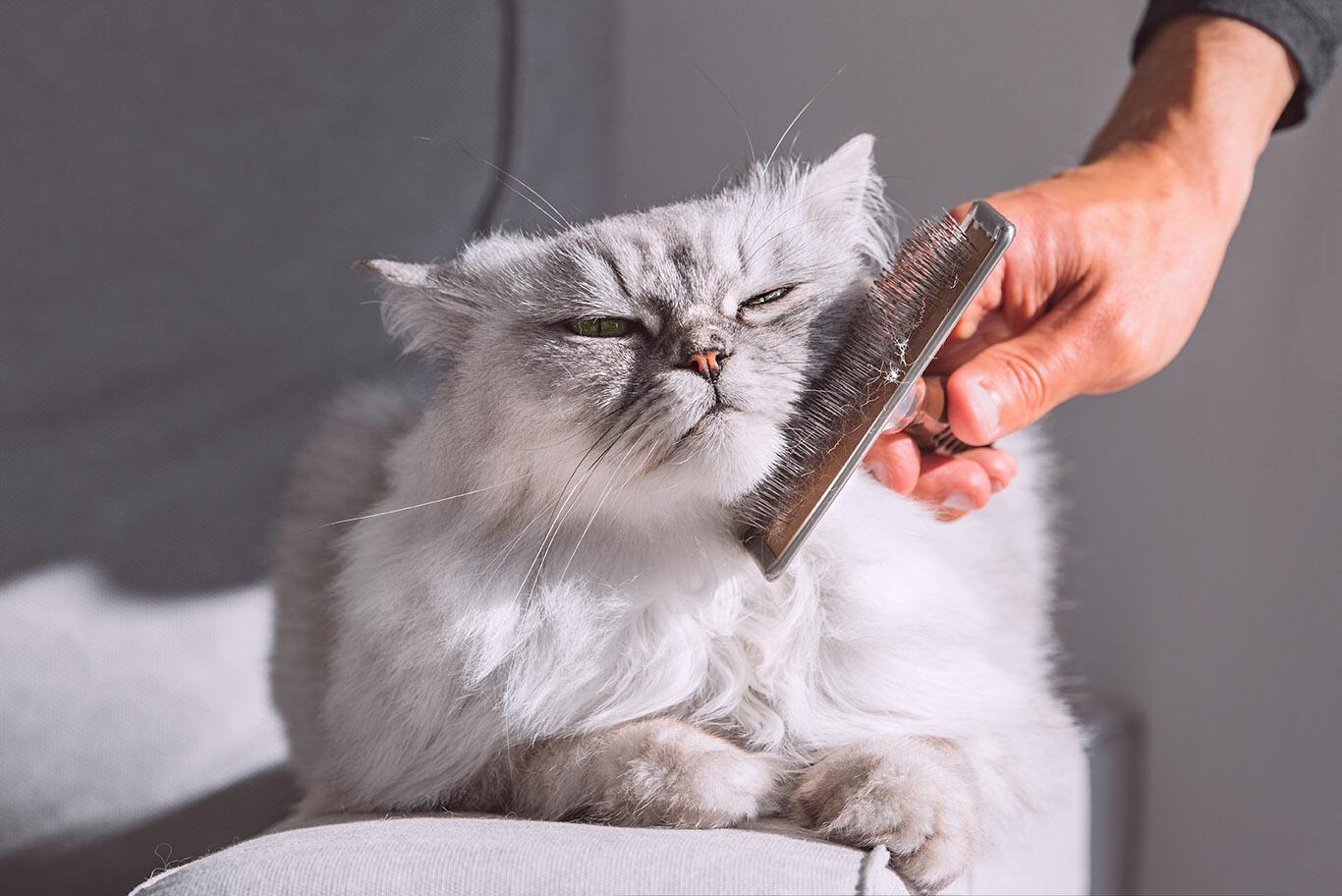
If you have a long-haired cat, you know how quickly their beautiful fur can turn into a tangled mess. Grooming your cat might seem like a chore, but it’s actually one of the best ways to keep them healthy and happy.
Imagine your cat feeling comfortable, looking sleek, and even enjoying the grooming time with you. You’ll discover simple, effective tips to make grooming easy for both you and your furry friend. Ready to say goodbye to mats and hello to a shiny coat?
Let’s dive in and learn how to groom your long-haired cat like a pro.
Choosing The Right Tools
Choosing the right tools makes grooming long-haired cats easier and more effective. The right brush, comb, and other supplies help keep your cat’s coat healthy. These tools reduce tangles, mats, and discomfort during grooming sessions.
Using the correct tools also saves time and makes your cat more relaxed. It creates a pleasant grooming routine. Picking tools designed for long hair prevents damage to the fur and skin.
Brush Types For Long Hair
- Slicker Brushes:Fine, short wires close together. Great for removing loose fur and preventing mats.
- Pin Brushes:Wide-spaced pins with rounded tips. Ideal for detangling and smoothing the coat.
- Bristle Brushes:Soft bristles that add shine. Best for finishing and gentle grooming.
Combs And Detanglers
- Wide-tooth Combs:Help separate knots without pulling the hair.
- Fine-tooth Combs:Remove small tangles and dirt close to the skin.
- Detangling Sprays:Make combing easier by loosening mats and reducing static.
Additional Grooming Supplies
- Grooming Scissors:Trim mats or uneven fur carefully.
- Nail Clippers:Keep claws short to avoid scratching during grooming.
- Grooming Gloves:Help remove loose fur while petting your cat.
Credit: www.squeakycleangrooming.com
Creating A Grooming Routine
Creating a grooming routine for your long-haired cat helps keep their coat healthy and reduces shedding and mats. It’s about making grooming a regular, stress-free part of your and your cat’s day. Establishing a routine builds trust and makes the process easier for both of you.
Frequency Of Brushing
Long-haired cats need brushing at least every other day to prevent tangles. Some cats with very thick or silky coats may require daily brushing to keep mats at bay. Watch your cat’s coat closely—if you notice knots forming or shedding increasing, it’s a sign to brush more often.
Have you noticed how your cat reacts on days you skip brushing? Their discomfort can be a clear signal to stick to a more consistent schedule.
Best Time For Grooming Sessions
Pick a time when your cat is calm and relaxed, like after a nap or meal. This reduces resistance and makes grooming smoother. Avoid times when your cat is energetic or hungry, as they may be less patient.
Keep sessions short at first—five to ten minutes works well. You can gradually increase the time as your cat gets used to the routine.
Setting Up A Comfortable Space
Choose a quiet, well-lit area free from distractions. A soft towel or blanket can make the spot more inviting. Having everything you need—brushes, combs, and treats—within reach helps keep the session flowing without interruptions.
Try to make the space a positive place by offering gentle praise or treats during and after grooming. This encourages your cat to associate grooming with comfort and rewards.
Brushing Techniques
Brushing long-haired cats requires patience and the right techniques. Regular brushing stops mats and keeps your cat’s coat shiny. Use gentle strokes and the right tools for comfort. Understanding proper brushing helps your cat enjoy grooming time.
Detangling Knots Safely
Start by finding knots early before they get tight. Use a wide-tooth comb or a detangling brush designed for cats. Hold the fur close to the skin to avoid pulling. Gently work through knots from the ends to the base. If a knot is too tight, use a small pair of scissors carefully to cut it out.
Handling Sensitive Areas
Areas like the belly, behind the ears, and under the legs need soft care. Use a soft brush and move slowly. Watch your cat’s reactions to avoid causing stress. Speak softly and offer treats during grooming to keep the mood calm. Stop if your cat shows signs of discomfort and try again later.
Avoiding Common Grooming Mistakes
- Do not brush too hard; it can hurt your cat’s skin.
- Avoid brushing wet fur to prevent breakage.
- Don’t rush; short sessions are better than long stressful ones.
- Never use human hair products on your cat.
- Clean grooming tools regularly to avoid infections.
Bathing Tips For Long Hair Cats
Grooming long hair cats requires gentle bathing and regular brushing. Use lukewarm water to keep them comfortable. A mild cat shampoo will clean their coat without irritation.
Bathing your long-haired cat might seem daunting, but with the right approach, it can become an enjoyable bonding experience. Long fur requires special attention to prevent tangles and matting. Regular baths help maintain their coat’s health and shine. Let’s dive into some effective tips for bathing your furry friend.Choosing Cat-friendly Shampoos
Picking the right shampoo is crucial for your cat’s skin and coat health. Always choose a shampoo formulated specifically for cats, as human products can irritate their skin. Look for shampoos that are gentle, hypoallergenic, and free from harsh chemicals. Natural ingredients like oatmeal and aloe vera are great for soothing and moisturizing. You can find these in most pet stores or online. Make sure to avoid any products with artificial fragrances or dyes.Preparing Your Cat For A Bath
Preparation is key to a successful bath. Start by brushing your cat’s fur to remove any loose hair and tangles. This will make the washing process smoother and prevent mats from forming when wet. Gradually introduce your cat to water by letting them play with a shallow dish of water. This helps reduce anxiety and makes the actual bath less stressful. Remember, patience is your best friend here.Drying And Post-bath Care
After the bath, gently squeeze excess water from your cat’s fur. Use a soft towel to pat them dry, ensuring not to rub too hard to avoid tangling the hair. If your cat is comfortable, you can use a hairdryer on a low setting, keeping it at a safe distance. Ensure their bathing area is warm to prevent your cat from getting cold. After drying, give your cat a gentle brush to prevent any knots from forming as their coat dries completely. Don’t forget to reward your cat with their favorite treat for a job well done.Maintaining A Shiny Coat
A shiny coat on a long-haired cat shows good health and proper care. It feels soft and looks smooth, making your cat more beautiful. Maintaining this shine needs attention to daily grooming and overall well-being. Clean fur does not just depend on brushing but also on what your cat eats and its health condition.
Nutrition For Healthy Fur
Good food supports a bright and healthy coat. Cats need a balanced diet rich in proteins and fats. Omega-3 and omega-6 fatty acids are essential for skin and fur health. Wet food can help keep your cat hydrated, which also benefits the coat. Avoid feeding low-quality food that lacks vital nutrients. Fresh water should always be available.
Supplements To Consider
Some cats may need extra help through supplements. Fish oil capsules provide omega-3 fatty acids that improve fur shine. Biotin and vitamin E support skin health and reduce dryness. Always talk to a vet before starting supplements to ensure safety. Supplements should not replace a good diet but support it.
Regular Health Checks
Regular visits to the vet help catch skin or fur problems early. Parasites like fleas can cause itching and dull fur. Allergies and infections also affect coat quality. A healthy cat has a glossy coat. Keep vaccinations up to date and monitor your cat’s skin condition regularly.
Credit: www.downtowntabbycattery.com
Dealing With Hairballs
Dealing with hairballs is a common challenge for owners of long-haired cats. These pesky clumps of fur can cause discomfort for your feline friend and frustration for you. Understanding why hairballs happen and how to manage them can make grooming easier and keep your cat healthier.
Causes Of Hairballs
Cats groom themselves by licking their fur, which leads to swallowing loose hairs. Long-haired cats naturally ingest more fur due to their thick coats. This fur can accumulate in their stomach and form hairballs.
Stress, poor diet, and lack of hydration can also increase hairball formation. Have you noticed your cat coughing or gagging after grooming? That’s often a sign of hairballs trying to pass through.
Preventive Grooming
Regular brushing removes loose fur before your cat swallows it. Aim to groom your cat daily, especially during shedding seasons.
- Use a slicker brush or comb designed for long hair.
- Be gentle to avoid skin irritation.
- Focus on areas where mats form easily, like behind the ears and under the legs.
Adding fiber to your cat’s diet can also help move hair through their digestive system. Water intake matters too — keep fresh water available at all times to support digestion.
When To See A Vet
Not all hairballs are harmless. If your cat vomits frequently, stops eating, or shows signs of lethargy, it’s time to consult a vet. These could be signs of a blockage or other health issues.
Your vet can recommend treatments, special diets, or even medications to reduce hairball problems. Don’t ignore repeated hairball incidents; early action can prevent serious complications.
Handling Grooming Challenges
Grooming long-haired cats can be tricky. Some cats resist brushing, while others have knots and mats. Handling these challenges carefully keeps your cat happy and healthy. Patience and gentle care make grooming easier for both of you.
Managing Anxious Cats
Many cats feel nervous during grooming. Create a calm space with soft lighting. Speak softly to soothe your cat’s nerves. Use slow, gentle strokes with the brush. Take breaks if your cat seems stressed. Reward your cat with treats or petting after grooming sessions.
Dealing With Matted Fur
Matted fur can hurt your cat’s skin. Use a wide-toothed comb to gently work through tangles. Hold the fur close to the skin to avoid pulling. For tough mats, try softening the fur with a damp cloth. Avoid cutting mats yourself to prevent injury. Regular brushing helps stop mats from forming.
Seeking Professional Help
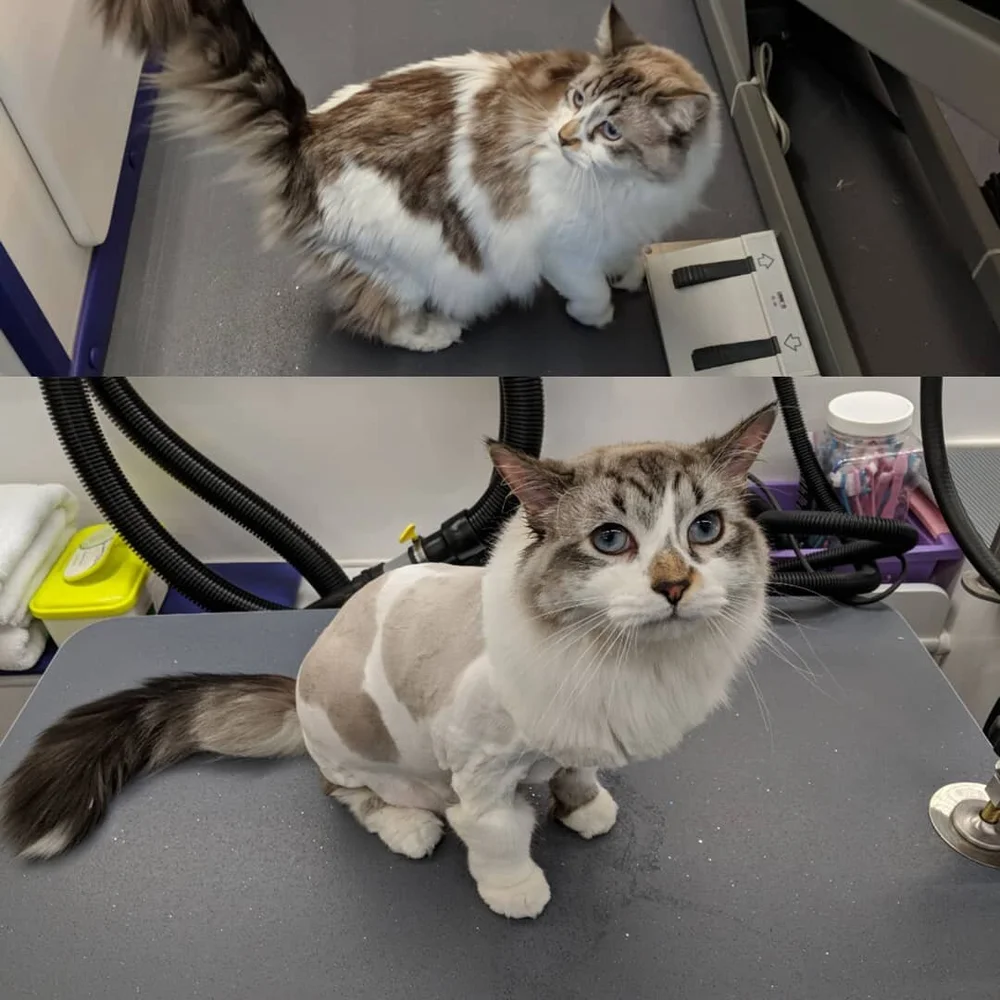
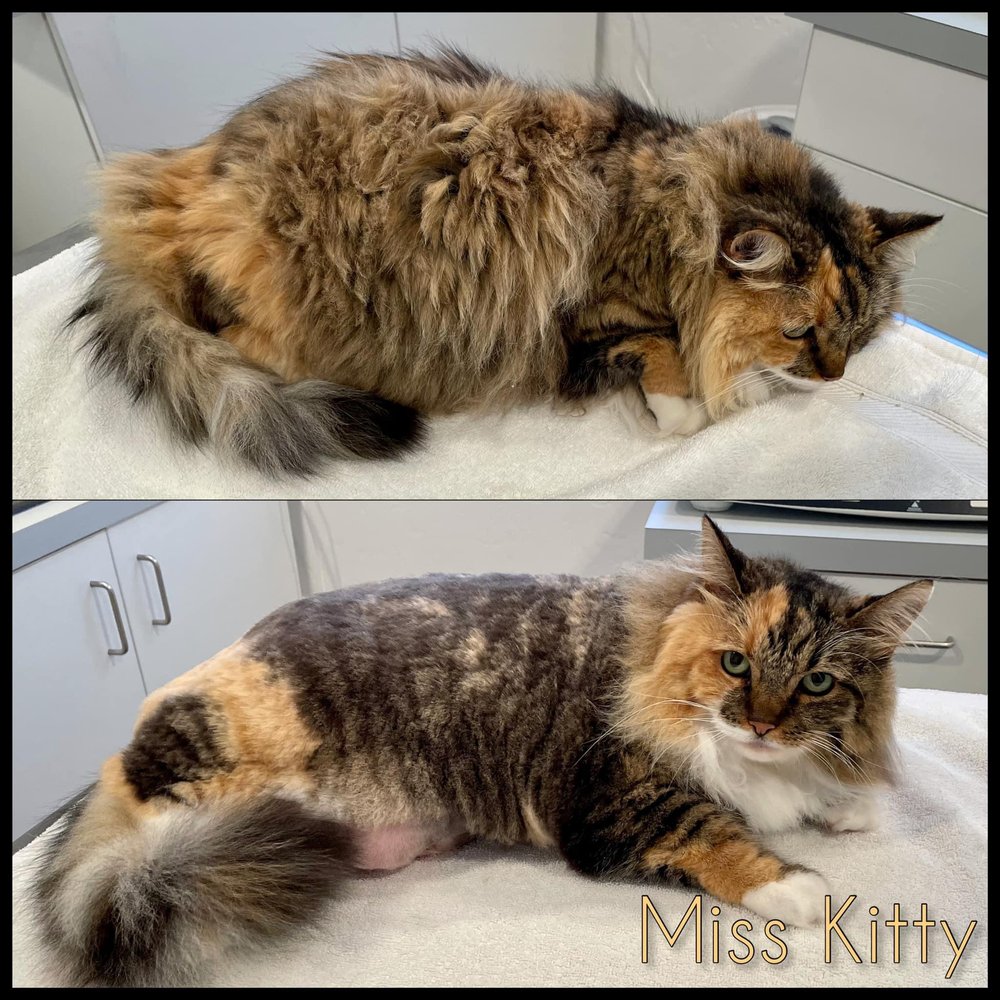
Sometimes mats or anxiety require expert care. Professional groomers have tools and skills to handle tough cases. They can trim mats safely and clean hard-to-reach areas. Ask your vet for groomer recommendations. Regular professional grooming supports your cat’s health and comfort.

Credit: meowcove.com
Frequently Asked Questions
How Often Should I Groom My Long-haired Cat?
Groom your long-haired cat daily to prevent mats and tangles. Regular brushing reduces shedding and keeps fur clean. It also promotes healthy skin and strengthens your bond with your cat.
What Tools Are Best For Grooming Long-haired Cats?
Use a wide-toothed comb and a slicker brush for grooming. These tools help remove tangles and loose fur gently. A dematting tool can be used carefully if mats form.
How Do I Prevent Mats In My Cat’s Fur?
Brush your cat’s fur daily, focusing on problem areas like behind ears. Keep your cat’s coat clean and dry. Regular grooming and checking help prevent painful mats and skin issues.
Can Grooming Improve My Cat’s Health?
Yes, grooming improves skin health by stimulating blood flow. It reduces hairballs and prevents infections caused by dirt or mats. Grooming also helps you spot health problems early.
Conclusion
Grooming long hair cats takes patience and gentle care. Regular brushing stops mats and keeps fur soft. Use the right tools to avoid hurting your cat. Watch for signs of skin problems or discomfort. Make grooming a calm and happy time together.
A well-groomed cat looks healthy and feels good. Keep these tips in mind for easier grooming days ahead. Your cat will thank you with a shiny, smooth coat. Simple steps can create a strong bond between you both.

Leave a Reply