Grooming your cat at home might seem tricky, but it’s easier than you think. When you take a few simple steps, you can keep your furry friend looking great and feeling comfortable.
Imagine saving money, building trust, and avoiding stressful trips to the groomer—all from the comfort of your living room. You’ll discover practical tips that make grooming a calm, enjoyable experience for both you and your cat. Ready to become your cat’s favorite groomer?
Let’s dive in!
Choosing The Right Grooming Tools
Choosing the right grooming tools is key to keeping your cat healthy and comfortable. The right tools make grooming easier and less stressful for both you and your cat. Different cats need different tools based on their coat type and grooming needs.
Investing in quality tools designed for cats helps prevent skin damage and discomfort. It also makes the grooming process quick and effective. Here are the main tools to consider for home cat grooming.
Brush Types For Different Coats
Short-haired cats benefit from a soft-bristle brush. It removes loose hair and dirt gently.
Long-haired cats need a slicker brush or a wide-toothed comb. These help detangle mats and reduce shedding.
Cats with thick undercoats do well with an undercoat rake. It removes loose fur beneath the top layer.
- Soft-bristle brush:Best for short, smooth coats.
- Slicker brush:Ideal for long or curly coats.
- Wide-toothed comb:Helps with tangles and knots.
- Undercoat rake:Removes loose fur from thick coats.
Selecting Nail Clippers
Choose nail clippers made for cats. They are smaller and safer for their tiny claws.
Scissor-style clippers offer better control and precision. Guillotine clippers can work but need careful handling.
Look for clippers with a safety guard. It prevents cutting the quick, which causes pain and bleeding.
Using Grooming Wipes And Shampoos
Grooming wipes clean your cat without water. They are useful for quick freshening and sensitive skin.
Choose shampoos made specifically for cats. Human or dog shampoos can irritate their skin.
Use gentle formulas that keep the fur soft and skin healthy. Avoid strong scents and harsh chemicals.
Preparing Your Cat For Grooming
Preparing your cat for grooming sets the stage for a smooth experience. Cats can feel nervous about grooming. Helping them stay calm and comfortable improves the process. Small steps make a big difference in how your cat reacts.
Creating A Calm Environment
Choose a quiet room with few distractions. Soft lighting helps your cat feel relaxed. Keep loud noises and sudden movements away. Play gentle music or white noise to soothe your cat. Make sure the room is warm and cozy. A calm space lowers stress and helps your cat stay still.
Getting Your Cat Comfortable
Let your cat explore the grooming tools first. Show them the brush or comb without using it. Offer treats near the tools to build positive feelings. Gently pet your cat before you start grooming. Talk softly and use a calm voice. Touch your cat’s paws and ears gently to get them used to handling. Patience is key to making your cat comfortable.
Timing Your Grooming Sessions
Pick a time when your cat is relaxed or sleepy. Avoid grooming right after play or meals. Keep sessions short, around 5 to 10 minutes. End on a positive note with treats or play. Gradually increase the time as your cat adjusts. Frequent short sessions help build good grooming habits.
Brushing Techniques
Brushing your cat regularly is key to keeping their coat healthy and shiny. It also helps reduce shedding and prevents hairballs. Knowing the right brushing techniques for your cat’s fur type can make grooming a pleasant experience for both of you.
Brushing Short-haired Cats
Short-haired cats usually require less brushing, but they still benefit from a quick daily session. Use a soft-bristled brush or a rubber grooming glove to remove loose hairs gently.
Brush in the direction of hair growth to avoid irritating your cat’s skin. Pay attention to areas like the neck and behind the ears where shedding tends to accumulate more.
Have you noticed how your cat reacts when you brush certain spots? This can guide you to focus on the areas they enjoy most.
Brushing Long-haired Cats
Long-haired cats need more frequent grooming to prevent tangles and mats. A wide-toothed comb is excellent for detangling, followed by a slicker brush to smooth the coat.
Start brushing from the head and work your way down to the tail, gently separating the fur with your fingers if needed. This helps avoid pulling and makes the process less stressful.
Consistency is crucial. Even just a few minutes every day can keep your cat comfortable and their fur in great condition.
Dealing With Mats And Tangles
Mats can be painful for your cat, so tackle them carefully. Use a detangling spray or apply a small amount of conditioner to soften the fur before you start.
Hold the base of the mat close to the skin to reduce pulling, then gently work through the knots with a comb or your fingers. If a mat is too tight, consider seeking help from a professional groomer to avoid injury.
Have you ever faced a stubborn mat that just wouldn’t come out? Sometimes patience and a calm approach make all the difference.

Credit: www.purina.com
Bathing Your Cat Safely
Bathing your cat can be a delicate task. Cats generally groom themselves well. But sometimes, a bath is necessary to keep them clean and healthy. Bathing your cat safely means making the experience calm and gentle. This helps avoid stress and injury for both you and your cat.
When To Bathe Your Cat
Cats rarely need baths. Only bathe your cat if:
- They are very dirty or sticky
- They have fleas or skin problems
- They got into something harmful
- Your vet recommends it
Bathing too often can dry out their skin. Keep baths rare and necessary.
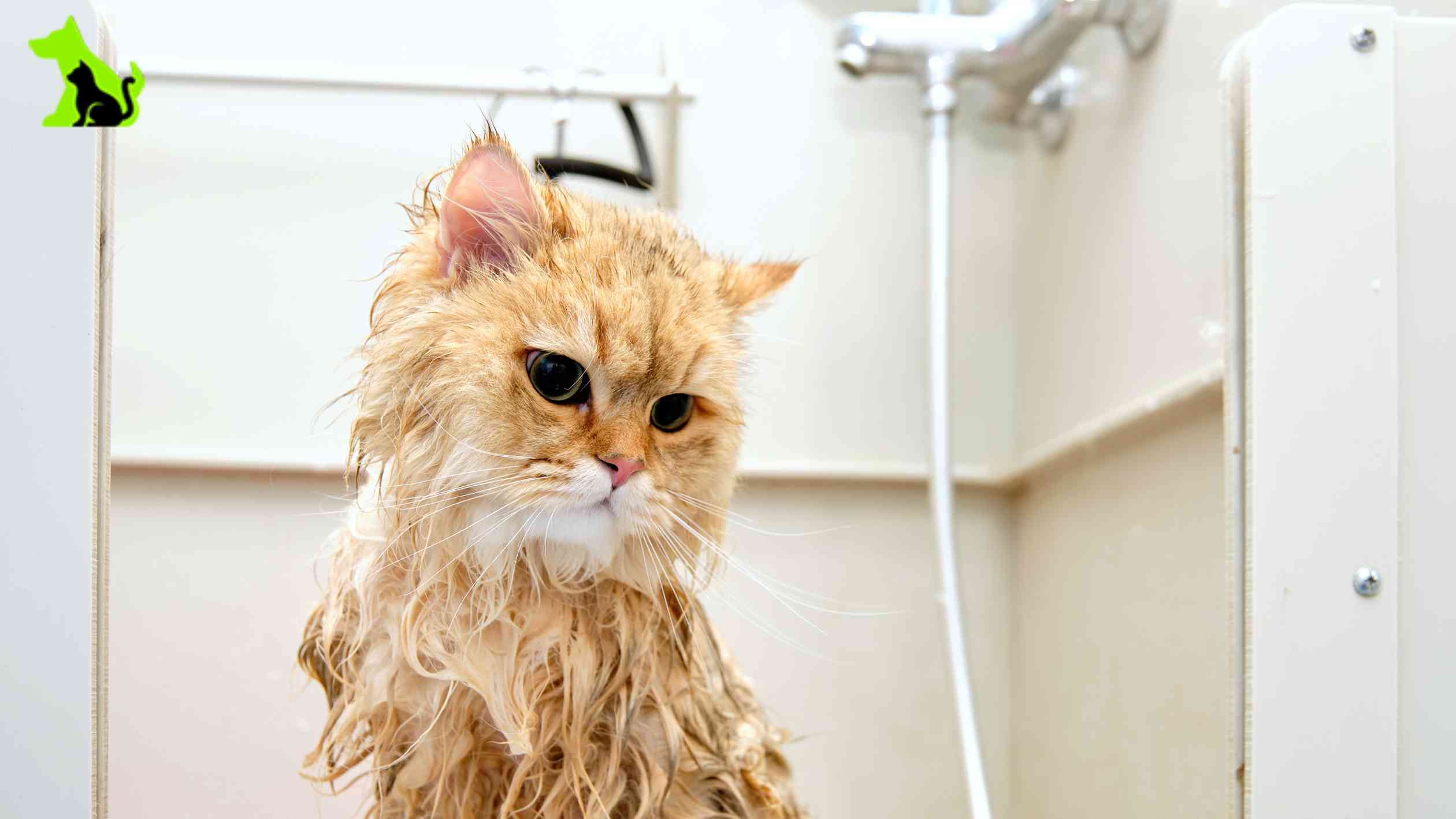
Steps For A Stress-free Bath
- Brush your cat before the bath to remove loose fur
- Use lukewarm water, not hot or cold
- Place a rubber mat in the sink or tub to prevent slipping
- Wet your cat gently, avoiding the head and ears
- Use a cat-safe shampoo and lather carefully
- Rinse thoroughly to remove all shampoo
- Speak softly to calm your cat during the process
Drying Your Cat Properly
Wrap your cat in a soft towel right after the bath.
Pat gently to remove water. Avoid rubbing, which can tangle fur.
Use a low-heat hairdryer only if your cat tolerates it.
Keep the dryer moving and far from the skin.
Let your cat dry in a warm, draft-free room.
Trimming Nails Without Stress
Trimming your cat’s nails can be calm and easy with gentle handling and the right tools. Keep your cat relaxed by trimming a few nails at a time in a quiet place. Praise and small treats help your cat stay comfortable during grooming.
Trimming your cat’s nails at home can be a bonding experience rather than a stressful ordeal. The key lies in preparation and patience. With the right approach, you can ensure your feline friend stays calm and comfortable while keeping their claws in check.Tools And Tips For Nail Trimming
Having the right tools is essential. Invest in a high-quality pair of cat nail clippers or a pet-specific nail grinder. They are designed to make the task easier and safer. Keep some styptic powder handy to quickly stop any bleeding in case you accidentally cut too close. A soft towel can also help to gently restrain your cat if needed. Regular trimming helps your cat get used to the process. It’s best to make it a part of your routine, like a monthly spa day for your pet.How To Avoid Cutting The Quick
The quick is the sensitive part of your cat’s nail that contains nerves and blood vessels. Cutting it can be painful for your cat, so it’s important to avoid it. Look for the pinkish area in your cat’s nails; that’s the quick. Trim only the white part of the nail, leaving a small margin to ensure you don’t cut too close. If your cat has dark nails, trim small amounts at a time. This cautious approach reduces the risk of cutting into the quick.Keeping Your Cat Calm During Trims
Your cat’s comfort is paramount. Choose a quiet, comfortable space where your cat feels safe, and keep distractions to a minimum. Consider trimming nails after playtime or a meal when your cat is more relaxed. You can also use treats as positive reinforcement, rewarding your cat for staying calm. Speaking softly and petting your cat can help soothe them during the process. Remember, patience is your best tool—if your cat becomes agitated, take a break and try again later.
Credit: danspetcare.com
Cleaning Ears And Eyes
Cleaning your cat’s ears and eyes keeps them healthy and comfortable. Dirt and wax can build up quickly. This can cause irritation or infections. Regular care helps spot problems early. Use gentle methods for sensitive areas. Always be calm and patient during grooming.
Safe Ear Cleaning Methods
Check your cat’s ears for dirt or wax. Use a soft cloth or cotton ball. Avoid cotton swabs as they can harm the ear canal. Use a vet-approved ear cleaner for cats. Apply a small amount on the cloth. Gently wipe the inside of the ear flap. Never push deep into the ear canal. Look for redness or bad smell. These signs need a vet’s attention.
Removing Tear Stains And Debris
Tear stains appear as brown or red marks near the eyes. Use a damp, soft cloth or a pet-safe wipe. Gently wipe from the inner corner outward. Clean daily to prevent buildup. Avoid harsh chemicals or soaps near the eyes. If tears are frequent or thick, check with a vet. Keep your cat’s face clean to avoid infections.
Maintaining Dental Health
Maintaining your cat’s dental health is crucial for their overall well-being. Poor dental care can lead to painful infections, bad breath, and even affect their heart and kidneys. Keeping your cat’s teeth clean helps them eat comfortably and stay happy.
Brushing Your Cat’s Teeth
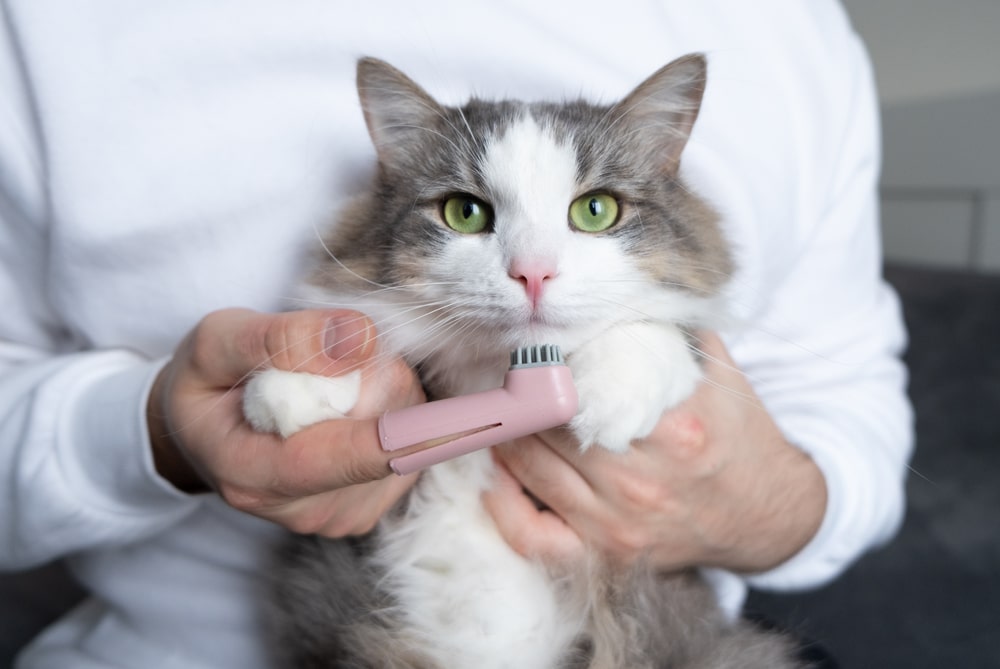
Brushing your cat’s teeth might sound tricky, but it’s easier than you think. Use a toothbrush designed for cats or a soft child’s toothbrush. Always choose toothpaste made specifically for cats; human toothpaste can harm them.
Start by letting your cat taste the toothpaste. Then, gently lift their lips and brush in small circles. Short, calm sessions work best—don’t rush or force it. Have you noticed how some cats actually enjoy the attention during brushing?
Dental Treats And Toys
Dental treats and toys are great tools to help reduce plaque and keep your cat’s teeth clean between brushings. Look for treats approved by veterinary dental associations—they often have ingredients that help clean teeth or freshen breath.
Toys that encourage chewing can scrape off tartar naturally. Consider rubber or nylon chew toys designed for cats. Do you pay attention to your cat’s chewing habits? You might discover their favorite dental toy by observing what they enjoy the most.
Credit: hellopetsinc.com
Recognizing Grooming-related Health Issues
Watch for signs like skin redness, bald spots, or unusual bumps during grooming. These may indicate health problems needing attention. Regular checks help catch issues early and keep your cat healthy.
Recognizing grooming-related health issues in cats is crucial for their well-being. Regular grooming helps maintain a cat’s coat and skin health. It also offers an opportunity to check for potential health problems. Observing your cat closely during grooming can alert you to any issues. Let’s explore some signs and symptoms to watch for.Signs Of Skin Problems
Cats can develop skin problems that are noticeable during grooming. Look for redness, bumps, or scabs on their skin. Dry, flaky skin can indicate allergies or nutritional deficiencies. Excessive scratching might suggest an underlying issue. Pay attention to hair loss or thinning patches. These could be symptoms of a skin condition.Detecting Parasites
Parasites can cause discomfort and health issues in cats. Check for fleas, ticks, and mites during grooming sessions. Fleas leave tiny black specks, known as flea dirt. Ticks are small, dark, and can be felt under the fur. Mites are harder to spot but cause intense itching. Regular grooming helps in early detection of these parasites.When To Consult A Vet
Some issues require veterinary attention for proper diagnosis and treatment. If you notice persistent skin problems, consult a vet. Sudden hair loss or bald patches need professional evaluation. If you suspect a heavy parasite infestation, seek veterinary help. Regular vet check-ups ensure your cat’s health remains in top condition.Making Grooming A Positive Experience
Grooming your cat should be a calm and happy time for both of you. Creating a positive experience helps your cat feel safe and relaxed. Gentle care builds trust and makes future grooming easier.
Patience and kindness go a long way. Notice how your cat reacts and adjust your approach. Small rewards and a steady routine encourage good behavior and cooperation.
Using Treats And Praise
Offer small treats during and after grooming. This connects grooming with good things. Speak softly and use kind words. Your cat will learn to expect rewards and feel happier.
Try to give treats your cat really likes. Praise your cat with a gentle pet or soft voice. These simple actions boost comfort and trust.
Building A Grooming Routine
Set a regular time for grooming. Cats feel safer with routines. Keep sessions short at first to avoid stress.
Gradually increase grooming time as your cat gets used to it. Consistency helps your cat know what to expect. A steady routine makes grooming less scary.
Adapting To Your Cat’s Personality
Every cat is different. Some like being touched in certain spots. Others prefer less handling.
Observe your cat’s reactions. Change your style to match their comfort level. Use softer brushes or slower strokes if needed.
Respect your cat’s limits. Stop if they become upset. Try again later with a gentler approach.
Frequently Asked Questions
How Often Should I Groom My Cat At Home?
Groom your cat at least once a week to remove loose fur and prevent matting. Long-haired cats may need grooming more often. Regular grooming helps reduce hairballs and keeps your cat’s coat healthy and shiny.
What Tools Do I Need To Groom Cats At Home?
Basic grooming tools include a slicker brush, comb, nail clippers, and grooming wipes. Choose tools based on your cat’s fur type. Using proper tools ensures effective grooming and keeps your cat comfortable.
How Can I Make Grooming Stress-free For My Cat?
Create a calm environment and use gentle strokes during grooming. Start with short sessions and reward your cat with treats. Patience and consistency help your cat feel safe and enjoy grooming time.
Can I Trim My Cat’s Nails Safely At Home?
Yes, you can trim your cat’s nails with proper nail clippers. Avoid cutting the quick, which causes pain and bleeding. Regular nail trimming prevents scratching damage and keeps your cat comfortable.
Conclusion
Grooming your cat at home keeps them clean and healthy. Regular brushing reduces hairballs and matting. Use gentle tools and stay calm to make grooming easy. Watch your cat’s reactions to avoid stress. Clean their ears and trim nails carefully.
Small sessions work better than long ones. Consistency helps your cat enjoy grooming more. A well-groomed cat looks happy and feels good. Start today and build a strong bond with your furry friend. Simple care makes a big difference every day.




Leave a Reply