Does your cat run away every time you bring out the brush? You’re not alone.
Many cats hate being brushed, making grooming a stressful experience for both you and your furry friend. But regular grooming is important to keep your cat’s coat healthy and free of mats. What if there was a way to make brushing easier and even enjoyable for your cat?
You’ll discover simple, effective tips to groom your cat gently, calm their nerves, and turn grooming time into a bonding moment. Keep reading to learn how you can help your cat feel comfortable and cared for—without the struggle.
Reasons Cats Resist Brushing
Understanding why your cat resists brushing is the first step to making grooming less stressful for both of you. Cats have unique sensitivities and experiences that shape their reactions. Sometimes, what seems like simple brushing can feel overwhelming or even painful to them.
Common Discomforts During Grooming
Cats may find brushing uncomfortable for several reasons:
- Skin Sensitivity:Some cats have delicate skin that gets irritated by certain brushes or too much pressure.
- Matted Fur:Brushing through knots can pull at their skin, causing pain.
- Previous Bad Experiences:If your cat was brushed roughly before, they may associate grooming with fear or discomfort.
Think about your cat’s coat type and condition. A long-haired cat with tangles will likely react differently than a short-haired one. Have you noticed any specific spots that your cat avoids during brushing?
Behavioral Triggers To Avoid
Cats are sensitive to more than just physical discomfort. Their behavior during grooming can be influenced by triggers you might not expect:
- Sudden Movements:Quick or jerky strokes can startle your cat and make them defensive.
- Overstimulation:Brushing for too long or in one spot can overwhelm your cat’s nerves.
- Unfamiliar Tools or Environment:New brushes or noisy grooming areas can raise anxiety.
Have you tried brushing your cat in a quiet, familiar place? Adjusting how and where you groom can make a big difference in how your cat reacts. Pay attention to their body language—ears back or tail flicking can signal it’s time to pause or change your approach.
Choosing The Right Tools
Choosing the right tools can make a huge difference when grooming a cat that hates being brushed. Using the wrong brush might make your cat more anxious and resistant. It’s important to find tools that feel gentle and comfortable on their skin to turn grooming into a calm experience.
Brush Types For Sensitive Cats
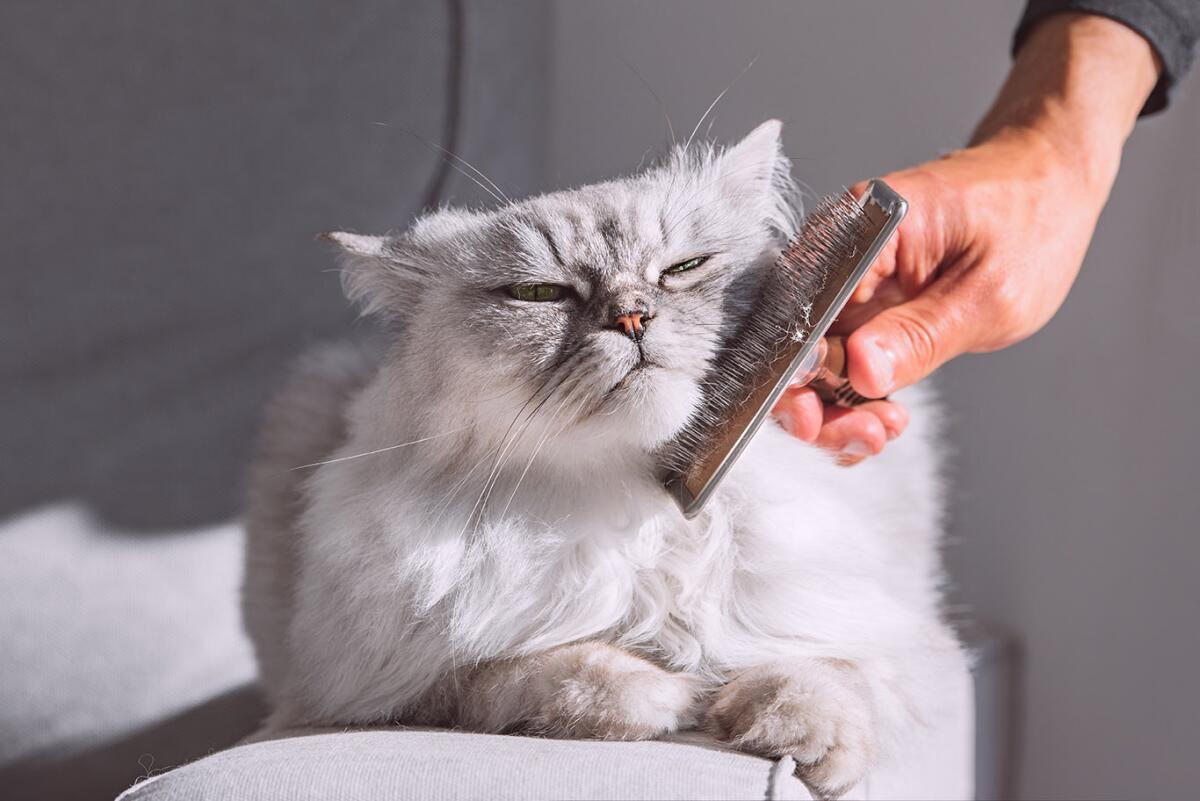
Look for brushes designed specifically for sensitive skin. Soft-bristle brushes with gentle, flexible bristles work well to avoid pulling on fur or hurting your cat.
- Slicker brusheswith fine, soft wires can remove loose fur without causing pain.
- Rubber grooming gloveslet you stroke your cat while massaging their skin, which many cats enjoy more than a traditional brush.
- Pin brusheswith rounded tips help detangle fur gently.
Have you noticed how your cat reacts differently to various brush types? Their response can guide you to the best choice. Sometimes, combining tools can also help—for example, starting with a rubber glove to relax them, then switching to a soft brush.
Additional Grooming Accessories
Besides brushes, accessories can ease the grooming process and keep your cat comfortable. Combs with wide teeth are great for detangling knots carefully without pulling.
- Detangling spraysmade for cats can loosen mats and reduce discomfort.
- Pet wipeshelp clean fur between brushing sessions and soothe irritated skin.
- Grooming matsprovide a soft surface that can calm your cat during grooming.
Think about how you can create a stress-free grooming spot using these accessories. Could a calm environment combined with the right tools change your cat’s attitude toward grooming?
Preparing Your Cat For Grooming
Preparing your cat for grooming is key to a smooth experience. Cats that dislike brushing need gentle handling and a calm start. Taking time to prepare helps reduce stress and resistance. Patience and care create trust, making grooming easier over time.
Creating A Calm Environment
Choose a quiet room with few distractions. Soft lighting and a warm spot help your cat relax. Remove loud noises like TVs or vacuum cleaners. Keep other pets away during grooming time. Sit or kneel at your cat’s level for comfort.
Use a soft voice to speak gently to your cat. Slow movements avoid startling or scaring them. Allow your cat to explore the grooming area before starting. A calm space helps your cat feel safe and secure.
Building Positive Associations
Introduce the brush slowly without forcing contact. Let your cat sniff and touch the brush first. Reward calm behavior with treats or gentle petting. Repeat short sessions to build trust over days or weeks.
- Offer a favorite treat before and after grooming.
- Play soothing music to help your cat relax.
- Use a soft brush that feels pleasant on the skin.
- Keep sessions brief to avoid overwhelming your cat.
Positive experiences make grooming less frightening. Your cat will learn to expect good things during brushing.
Step-by-step Grooming Techniques
Begin by gently petting your cat to build trust before brushing. Use a soft brush and short strokes to keep your cat calm. Offer treats and take breaks to make grooming a positive experience.
Step-by-Step Grooming Techniques Cats can be fussy about grooming. Especially those that hate being brushed. Following the right steps makes the process easier. Let’s explore some effective techniques.Starting Slow And Gentle
Begin with a calm environment. Allow your cat to sniff the brush first. Start with short sessions. Gently stroke their back using the brush. If they get anxious, stop immediately. Gradually increase the brushing time. Patience is key to success.Handling Sensitive Areas
Be extra careful around sensitive spots. These include the belly, tail, and legs. Use a softer brush for these areas. Move slowly to avoid startling your cat. Watch for signs of discomfort. If they resist, try another day. Stay calm and reassuring.Using Treats And Rewards
Positive reinforcement works wonders. Keep treats handy during grooming. Reward your cat after each session. Praise them with a soft voice. This creates a positive association with brushing. Gradually, they will enjoy the process. Consistency helps build trust.Alternatives To Brushing
Brushing isn’t the only way to keep your cat’s coat clean and healthy, especially if your furry friend strongly dislikes the brush. Finding alternatives can make grooming less stressful for both of you. These options help maintain your cat’s hygiene without the struggle of a brush.
Using Grooming Wipes
Grooming wipes are a gentle and effective way to clean your cat’s fur. They remove dirt, loose hair, and dander without causing discomfort. I once used wipes on my shy cat, and she tolerated it much better than brushing.
Look for wipes made specifically for cats that are free from harsh chemicals. Wipe in the direction of the fur to avoid irritating your pet. This method also helps reduce shedding around your home.
Regular Nail Trims And Baths
Regular nail trims keep your cat comfortable and prevent accidental scratches during grooming. You don’t have to be a pro—just a few trims every few weeks can make a big difference. If your cat hates baths, try using a damp cloth to gently clean them instead.
Baths can be stressful, but occasional washing with cat-safe shampoo helps remove oils and dirt your cat might not get rid of alone. If you avoid brushing, keeping up with baths and nail trims ensures your cat stays healthy and comfortable.
When To Seek Professional Help
Knowing when to seek professional help is key for cats that hate brushing. Some cats resist brushing due to fear or discomfort. But certain signs show it’s more than just dislike. These signs may point to skin or coat problems needing expert care.
Ignoring these issues can cause pain and worsen your cat’s condition. Professionals have the right tools and skills to groom safely and gently. They can also spot health problems early and suggest treatments. Understanding when to get help protects your cat’s health and comfort.
Signs Of Skin Or Coat Issues
- Red or inflamed skin
- Hair loss or bald patches
- Scabs, sores, or wounds
- Excessive dandruff or dry skin
- Persistent scratching or biting
- Matted fur that hurts when touched
- Foul odor from the coat
These signs mean your cat may have infections, allergies, or parasites. A vet or groomer can diagnose and treat these problems properly.
Choosing A Professional Groomer
Pick a groomer with experience in handling nervous cats. Look for someone who is patient and gentle. Check if the groomer uses cat-friendly brushes and tools.
Ask about their approach to calming anxious cats. A good groomer will work slowly and avoid force. Make sure they can spot health issues and inform your vet.
Read reviews and get recommendations from other cat owners. Visit the salon to see the environment before booking. A calm, clean space helps reduce your cat’s stress.
Frequently Asked Questions
How Can I Groom A Cat That Hates Brushing?
Start slowly by letting your cat sniff the brush. Use gentle strokes and reward with treats. Groom in short sessions to build trust and reduce stress.
What Are The Best Brushes For Sensitive Cats?
Soft-bristle brushes or rubber grooming gloves work best for sensitive cats. They cause less discomfort and help remove loose fur gently.
How Often Should I Groom A Cat That Dislikes Brushing?
Aim for short grooming sessions 2-3 times per week. Frequent, gentle grooming prevents matting and keeps your cat comfortable without overwhelming them.
Can I Use Alternatives To Brushing For Grooming?
Yes, alternatives include using grooming gloves, pet wipes, or combs. These options are less intimidating and help maintain coat cleanliness effectively.
Conclusion
Grooming a cat that hates brushing takes time and patience. Start slow and use gentle strokes to build trust. Offer treats and praise to make grooming positive. Use soft brushes designed for sensitive cats. Watch your cat’s body language to avoid stress.
Regular grooming keeps your cat’s coat healthy and clean. Small steps each day lead to better results. Stay calm and kind—your cat will appreciate it. With care, grooming becomes easier for both of you. Keep trying, and enjoy a happy, well-groomed cat.

Leave a Reply