Grooming your cat with a razor might sound tricky, but it doesn’t have to be. If your furry friend’s fur is getting tangled or too thick, using the right razor can make a huge difference.
You want to keep your cat comfortable and looking great, without causing any stress or harm. In this guide, you’ll discover simple, step-by-step tips that make grooming easy and safe for both you and your cat. Keep reading to learn how to master the art of cat razor grooming and enjoy a happier, healthier pet.
Choosing The Right Razor
Choosing the right razor for grooming your cat is more than just picking the first tool you see. The right razor ensures a smooth grooming experience and keeps your pet safe and comfortable. It also makes your job easier, whether you’re trimming mats or shaping fur.
Types Of Cat Grooming Razors
There are several types of razors designed for cat grooming, each suited for different needs. Manual razors give you control and precision but require a steady hand. Electric grooming razors offer speed and efficiency, which is useful for thicker coats.
Consider the texture and length of your cat’s fur before choosing. A fine-toothed razor works well for delicate trimming, while a coarse-toothed razor handles thick mats better. What kind of coat does your cat have, and what grooming challenges do you face most?
Safety Features To Look For
Safety should be your top priority when selecting a grooming razor. Look for features like rounded blade edges to prevent nicks and cuts. A good grip on the handle helps you maintain control, especially if your cat moves suddenly.
Some razors come with blade guards or adjustable blade lengths to add an extra layer of protection. These features can make a big difference in keeping your cat calm and injury-free during grooming sessions.
Blade Sizes And Uses
Blade size affects how much fur you remove and how close the cut is. Smaller blades are perfect for detailed work around the face, paws, and ears. Larger blades cover big areas quickly but can be tricky to use near sensitive spots.
Understanding blade sizes helps you avoid cutting too close or missing mats hidden under thick fur. It’s worth having a few blade options on hand so you can switch as you work through different parts of your cat’s coat.
Preparing Your Cat
Preparing your cat before using a razor is key to a smooth grooming session. A calm and comfortable cat makes the process easier and safer. Taking time to prepare helps prevent stress and accidents. Start by creating a quiet space where your cat feels safe. Gentle handling builds trust and cooperation. Watch your cat’s mood and body language closely. Preparing well sets the stage for a successful trim.
Calming Techniques
Speak softly to your cat to reduce anxiety. Offer gentle pets and slow strokes. Use treats to create a positive experience. Try a warm towel or blanket for comfort. Play calming music or white noise to mask sharp sounds. Let your cat explore the grooming area before starting. Patience is vital to keep your cat relaxed.
Brushing Before Trimming
Brush your cat to remove loose fur and tangles. Use a soft brush suited for your cat’s coat type. Brushing helps spot mats that need extra care. It also reduces hair pulling during shaving. Brush in the direction of hair growth. Stop if your cat shows signs of distress. Clean fur makes trimming safer and more efficient.
Checking For Skin Issues
Inspect your cat’s skin carefully before shaving. Look for redness, bumps, or wounds. Avoid trimming over irritated or broken skin. Note any fleas, ticks, or parasites. Healthy skin prevents infections after grooming. If you find problems, consult a vet first. A quick skin check protects your cat’s health during grooming.
Setting Up The Grooming Area
Preparing the space for grooming your cat with a razor sets the tone for a smooth and stress-free experience. A well-organized area can help keep your cat calm and make the process easier for you. Let’s break down the essentials to create the perfect grooming spot.
Choosing A Comfortable Spot
Pick a quiet place where your cat feels safe and relaxed. Avoid noisy areas or spots with a lot of foot traffic. A familiar room with soft surfaces, like a padded table or a cozy blanket on the floor, works great.
Think about your cat’s personality—do they like sitting near windows or away from distractions? Setting up in a space your cat already enjoys can reduce anxiety and make grooming less of a struggle.
Gathering Necessary Tools
Having everything ready before you start saves time and prevents interruptions. Keep your cat’s razor, comb, scissors, and treats within arm’s reach. Don’t forget items like a brush to remove loose hair and a towel to clean up any messes.
Organize tools in a small basket or tray so you can easily grab what you need. This helps maintain focus and keeps your hands free to calm your cat when necessary.
Ensuring Good Lighting
Bright, natural light is best for spotting mats and uneven fur. If natural light isn’t available, use a strong lamp that won’t cast shadows. Good lighting helps you work precisely and avoid accidentally nicking your cat’s skin.
Have you noticed how better lighting can reveal hidden knots that were easy to miss? It’s a small detail that makes a big difference in grooming quality and your cat’s comfort.

Credit: www.amazon.ca
Trimming Techniques
Grooming a cat with a razor requires gentle, slow strokes to avoid skin cuts. Keep the blade clean and trim small areas at a time for safety.
Trimming Techniques Grooming your cat with a razor can seem daunting, but mastering the right trimming techniques will make it a smoother experience for both you and your feline friend. Proper technique not only ensures a cleaner cut but also keeps your cat safe and comfortable. By focusing on key elements such as holding the razor correctly and understanding safe stroke directions, you can transform grooming time into a bonding session.Holding The Razor Correctly
The way you hold the razor can significantly impact the grooming process. Grasp it firmly but gently, ensuring your hand is steady. A relaxed grip reduces the risk of accidental cuts and makes it easier to maneuver around tricky areas. Imagine you’re holding a delicate paintbrush, where precision is key. Have you ever noticed how professional groomers seem to glide the razor effortlessly? It’s all in the grip.Safe Stroke Directions
Always move the razor in the direction of hair growth. This prevents irritation and ensures a smoother cut. Start from the top of your cat’s back and work your way down, using long, gentle strokes. Avoid going over the same area multiple times as it can cause discomfort. Remember, your goal is to emulate how a cat’s tongue moves when they groom themselves. Isn’t it fascinating how nature provides clues for our grooming techniques?Dealing With Mats And Tangles
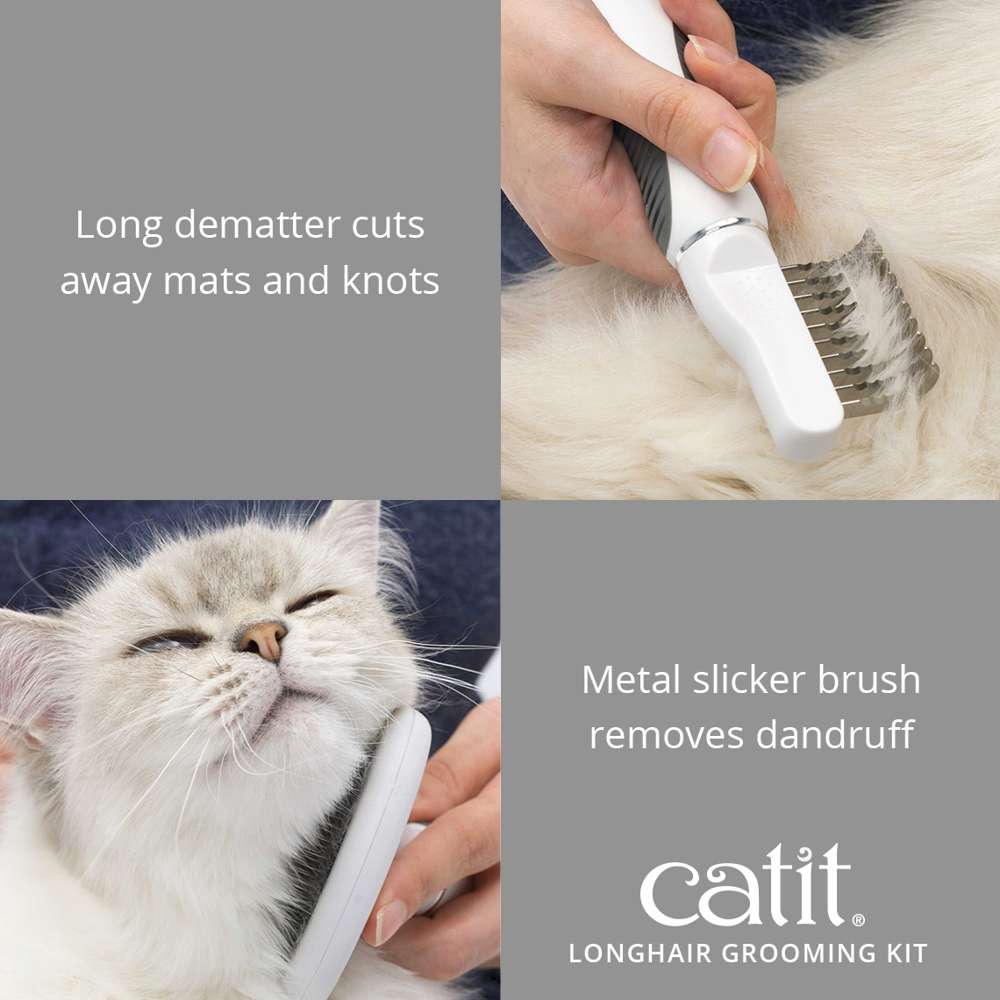
Mats and tangles can be tricky, but they are manageable with the right approach. Before trimming, gently untangle knots using your fingers or a de-matting tool. Never pull or yank, as this can hurt your cat. If a mat is particularly stubborn, carefully snip it with scissors, keeping the blades parallel to the skin to avoid cuts. Have you ever noticed how a little patience can turn a tangled mess into a smooth, sleek coat? Your cat will surely thank you for it.Handling Common Challenges
Grooming a cat with a razor can bring up a few tricky moments. Handling these challenges calmly makes the process smoother and safer for both of you. Knowing how to manage your cat’s nerves, prevent cuts, and recognize when to pause can transform grooming from a stressful chore into a positive routine.
Managing Nervous Cats
Some cats get anxious the moment they see grooming tools. To ease their nerves, start by letting your cat sniff and explore the razor while it’s turned off. This small step helps your cat feel more comfortable around the unfamiliar object.
Speak softly and use gentle strokes to build trust. If your cat struggles, try distracting them with treats or a favorite toy. Have you noticed how your cat reacts to calm, steady movements? Watching their body language closely helps you adjust your approach.
Avoiding Cuts And Irritation
Sharp blades require careful handling. Always check the razor’s sharpness before use—dull blades tug on fur and can irritate the skin. Hold the skin taut to avoid accidental nicks, especially around delicate areas like the belly and paws.
Use short, gentle strokes and shave in the direction of hair growth. If your cat has sensitive skin, apply a light grooming spray to reduce friction. How often do you inspect your cat’s skin during grooming? Regular checks help catch redness or irritation early.
Taking Breaks When Needed
Patience is key. If your cat becomes restless or stressed, pause the session immediately. Even a short break can calm your cat down and prevent negative associations with grooming.
Use breaks to pet or reward your cat, turning the experience into something positive. Sometimes, dividing grooming into shorter sessions over several days works better than one long session. Have you tried this approach to keep your cat relaxed?

Credit: www.amazon.eg
Post-grooming Care
Post-grooming care is essential for your cat’s comfort and health. It helps keep the skin calm and the razor in good condition. Taking time after grooming ensures your cat stays happy and clean. Follow these simple steps to care for both your cat and the grooming tools.
Cleaning The Razor
After grooming, remove hair from the razor carefully. Use a small brush or cloth to clean the blades. Avoid water if the razor is electric. For manual razors, wipe the blades with a damp cloth and dry thoroughly. Proper cleaning prevents rust and keeps the razor sharp for next use.
Soothing Your Cat’s Skin
Grooming can irritate your cat’s skin. Use a gentle pet-safe moisturizer or aloe gel to calm any redness. Avoid strong chemicals or human lotions. Give your cat a quiet, warm place to rest after grooming. This helps reduce stress and supports skin healing.
Maintaining Grooming Routine
Set a regular grooming schedule based on your cat’s coat type. Short-haired cats need less frequent grooming than long-haired ones. Check your cat’s skin and fur often for any problems. Consistent care keeps your cat clean and reduces mats and shedding.

Credit: www.mercattoria.com.br
Frequently Asked Questions
How Often Should I Groom A Cat With A Razor?
Groom your cat with a razor every 4 to 6 weeks. Regular grooming prevents matting and keeps the coat smooth. Adjust frequency based on your cat’s hair growth and comfort.
What Tools Do I Need For Cat Razor Grooming?
You need a pet-safe razor, comb, scissors, and grooming gloves. Ensure blades are sharp and clean. Use gentle tools to avoid skin irritation.
How To Prepare A Cat For Razor Grooming?
Brush your cat thoroughly before using the razor. Choose a calm environment and use treats to relax your cat. Trim nails to prevent scratches during grooming.
Is It Safe To Shave A Cat With A Razor?
Yes, if done carefully with pet-safe razors. Avoid sensitive areas like the face and belly. If unsure, consult a professional groomer or vet.
Conclusion
Grooming your cat with a razor keeps their coat neat and healthy. Take your time and be gentle to avoid hurting your pet. Regular grooming reduces hairballs and matting, making your cat more comfortable. Use the right tools and clean the razor after each use.
Stay calm and patient; your cat will get used to the process. A well-groomed cat looks happy and feels great. Keep these tips in mind for easy and safe grooming sessions.




Leave a Reply