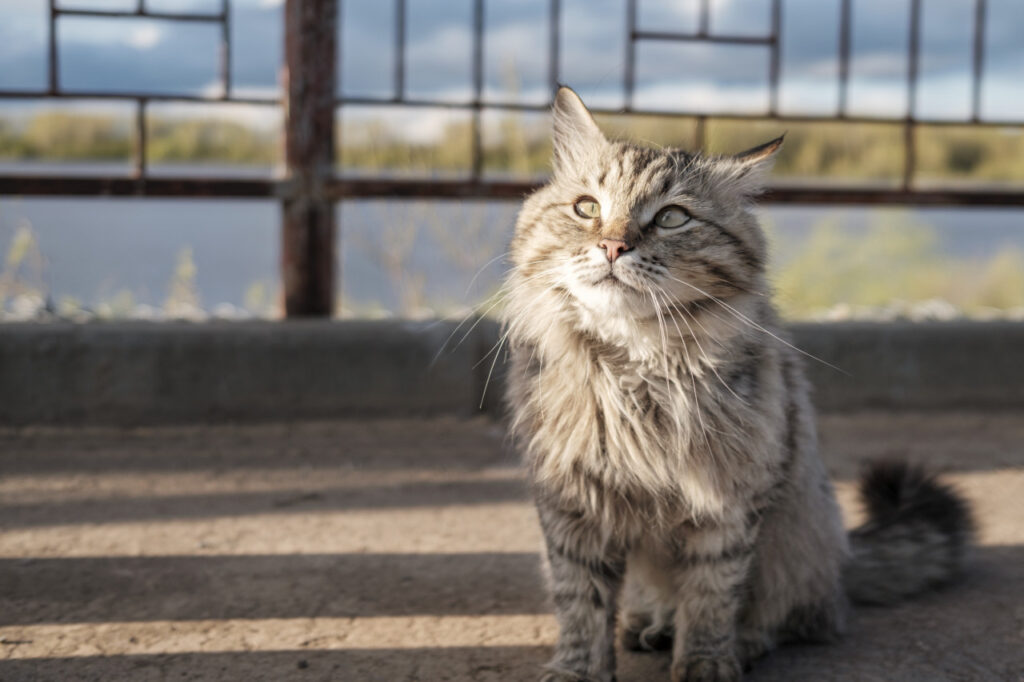
Caring for an older cat takes a little extra attention, especially when it comes to grooming. You want your furry friend to stay comfortable, healthy, and happy as they age.
But how do you groom an old cat without causing stress or discomfort? If you’re wondering how to keep your senior cat’s coat clean and their skin healthy, you’re in the right place. You’ll discover simple, effective grooming tips designed just for older cats.
Keep reading—you’ll learn easy ways to make grooming a gentle and enjoyable experience for both you and your beloved pet.
Credit: www.purina.com
Changes In Senior Cat Grooming
Grooming an older cat requires more attention and care than grooming a younger feline. As cats age, their grooming needs change due to shifts in their health, mobility, and skin condition. Understanding these changes helps you keep your senior cat comfortable and healthy.
Recognizing Aging Signs
Older cats often show visible signs of aging that affect their grooming habits. You might notice their fur becoming thinner, duller, or more prone to matting. Sometimes, they groom less because arthritis or dental pain makes the process uncomfortable.
Have you observed your cat skipping their usual grooming sessions? This could be a sign they need your help. Watch for dry skin, flaky patches, or oily fur as these indicate a need for more frequent brushing or special care.
Adjusting Grooming Routine
Your grooming routine must adapt to your cat’s changing needs. Use a softer brush to avoid hurting sensitive skin and take extra care around sore spots or joints. Shorter, gentler sessions are often better tolerated by senior cats.
Consider adding regular checks for lumps, bumps, or skin changes during grooming. If your cat resists, try breaking grooming into several short sessions throughout the day. Does your cat enjoy being brushed in certain spots? Focus on these areas to keep grooming positive and stress-free.
Brushing Techniques For Older Cats
Brushing an older cat requires patience and gentle care. Their skin becomes more delicate with age. Using the right brushing techniques keeps their coat healthy and comfortable. It also helps spot any skin issues early. Regular grooming supports their well-being and strengthens your bond.
Choosing The Right Brush
Select a brush that suits your cat’s fur type and skin sensitivity. Soft-bristled brushes work well for thin or short fur. For longer fur, use a wide-tooth comb to prevent pulling. Avoid harsh brushes that can hurt sensitive skin. A rubber brush can remove loose hair gently. Test the brush on a small area first. Watch your cat’s reaction to find the best fit.
Handling Sensitive Areas
Older cats often have sensitive spots around the belly, tail, and legs. Approach these areas slowly and calmly. Use light strokes to avoid discomfort. If your cat resists, pause and try again later. Talk softly to keep your cat relaxed. Use your fingers to loosen mats before brushing. Never pull hard on tangles or knots. Patience helps keep grooming a positive experience.
Bathing Tips For Senior Cats
Bathing an older cat requires care and patience. Senior cats have sensitive skin and less energy. Their grooming needs differ from younger cats. Bathing can help keep their coat clean and healthy. It also reduces shedding and prevents skin problems. Follow these tips to make bath time safe and comfortable for your senior cat.
Frequency And Safety
Bath senior cats only when necessary. Too much bathing can dry their skin. Usually, bathing every 4 to 6 weeks is enough. Watch your cat’s health and coat condition. Use warm water, not hot or cold. Keep the room quiet and calm to reduce stress. Never leave your cat alone during a bath. Dry them gently with a soft towel. Avoid using a hairdryer, which may scare or burn them.
Using Gentle Products
Choose shampoos made for cats, especially for sensitive skin. Avoid human shampoos or harsh chemicals. Look for products labeled “hypoallergenic” or “for sensitive skin.” Use small amounts and rinse thoroughly. Residue can irritate your cat’s skin. Test the shampoo on a small skin area first. Watch for redness or itching after the bath. Use conditioner only if recommended by your vet.
Nail Care For Aging Felines
Taking care of an old cat’s nails is very important. Aging cats often have slower nail growth, but their nails still need regular attention. Proper nail care helps prevent pain and injury. It also keeps your cat comfortable and mobile.
Trimming Frequency
Older cats may need nail trims every 2 to 3 weeks. Their nails can grow unevenly or curl, causing discomfort. Watch for nails that touch the floor or get caught in fabric. Regular checks help you catch these issues early. Trim nails carefully to avoid the quick, the sensitive part inside the nail.
Preventing Discomfort
Long nails can cause pain and difficulty walking. They might scratch furniture or your skin accidentally. Keep nails short to avoid these problems. Use a gentle touch and calm voice during grooming. If your cat resists, try trimming a few nails at a time. Soft nail caps can protect surfaces and reduce scratching. Always inspect paws for swelling or redness. This signals potential infections or injuries that need attention.
Ear And Eye Maintenance
Clean your old cat’s ears gently with a soft cloth to remove dirt. Wipe around the eyes carefully to clear discharge and prevent infection. Regular checks keep your cat comfortable and healthy.
Caring for an older cat can be a deeply rewarding experience. As they age, their grooming needs change, especially when it comes to ear and eye maintenance. These areas are crucial for your cat’s overall health and comfort. Regular maintenance not only helps in keeping your furry friend comfortable but also in detecting potential health issues early on.Cleaning Methods
To clean your cat’s ears, use a soft cloth or cotton ball slightly moistened with warm water. Gently wipe the outer parts of the ear, avoiding the ear canal to prevent damage. If your cat’s ears have a lot of wax or debris, a vet-recommended cleaning solution can be helpful. For eyes, a similar approach works well. Take a damp cloth and gently clean around the eye area. Pay special attention to any crust or tear stains. Regular cleaning can prevent infections and keep your cat’s eyes sparkling.Spotting Health Issues
Ear and eye maintenance is not just about cleaning; it’s also about observing. Watch for signs of redness, swelling, or unusual discharge. These could indicate infections or other health concerns. Does your cat frequently shake its head or paw at its eyes? These behaviors might signal discomfort or irritation that needs veterinary attention. Early detection of such issues can lead to quicker, more effective treatment. Have you noticed any changes in your cat’s behavior related to its ears or eyes? Monitoring these aspects can provide insights into their well-being and ensure they lead a comfortable life even in their senior years.Dental Care For Senior Cats
Dental care is vital for senior cats to keep them healthy and comfortable. Older cats often face dental issues like tartar buildup, gum disease, and tooth loss. Regular dental care can prevent pain and infections. It also helps your cat eat and groom properly. Small daily steps can make a big difference.
Brushing Tips
Start brushing your senior cat’s teeth gently and slowly. Use a soft toothbrush made for cats or a finger brush. Choose toothpaste made especially for cats; human toothpaste is unsafe. Brush in small circles and focus on the gum line. Keep sessions short to avoid stress. Praise your cat after each brushing to create a positive experience.
- Begin by letting your cat taste the toothpaste.
- Brush 2-3 times a week for best results.
- Support your cat’s head gently during brushing.
- Use calm tones and gentle movements.
Recognizing Dental Problems
Watch for signs of dental problems in your senior cat. Bad breath may indicate infections. Red or swollen gums show inflammation. Difficulty eating or dropping food suggests pain. Excessive drooling or pawing at the mouth are warning signs. Loose or missing teeth also need attention. Early detection helps prevent serious issues.
- Check your cat’s mouth regularly for changes.
- Note any sudden changes in eating habits.
- Consult your vet if you see swelling or bleeding.
- Schedule dental exams during regular vet visits.
Diet And Hydration Impact On Coat
The diet and hydration of an older cat play a vital role in maintaining a healthy coat. As cats age, their nutritional needs change. Proper nutrients and enough water help keep their fur soft and shiny. Poor diet or dehydration can cause dry, dull, or patchy fur. Understanding these aspects ensures your senior cat stays comfortable and looks great.
Nutritional Needs
Older cats need balanced meals rich in protein and fatty acids. Protein supports muscle and skin health. Omega-3 and omega-6 fatty acids boost coat shine and reduce inflammation. Vitamins like A and E help skin repair and protect against damage.
Choose cat food formulated for senior cats. These foods often contain:
- Higher protein levels
- Essential fatty acids
- Antioxidants
- Digestible ingredients
Avoid too many fillers or artificial additives. They can harm coat quality and overall health.
Encouraging Water Intake
Hydration is key for skin elasticity and coat moisture. Older cats often drink less water. This can lead to dry skin and brittle fur.
Ways to encourage water intake:
- Provide fresh water daily in multiple bowls
- Use a cat water fountain for attraction
- Offer wet food to increase moisture intake
- Add a little water to dry food
Hydrated skin helps the coat stay smooth and less prone to shedding. Watch your cat’s water habits closely and adjust as needed.
Credit: www.purina.com
When To Seek Veterinary Help
Seek veterinary advice if your old cat shows pain, swelling, or skin infections during grooming. Sudden behavior changes or difficulty moving also need professional attention. Early care can prevent bigger health problems.
When grooming your elderly cat, it’s crucial to know when to seek veterinary help. As cats age, they can develop various health issues that might make grooming uncomfortable or even painful. Noticing the signs early and acting promptly can make a significant difference in your cat’s comfort and well-being.Signs Of Discomfort
Cats are masters at hiding pain, but there are subtle signs you can look out for. If your cat starts growling, hissing, or attempting to bite when you groom them, it could indicate discomfort. Also, watch for any limping, excessive licking of certain areas, or changes in their usual grooming habits. If your cat appears to be in pain when you touch certain areas, it might be a sign of arthritis or another underlying issue. It’s important to pay attention to these behaviors, as they can guide you to seek professional advice at the right time.Professional Grooming Options
Sometimes, despite your best efforts, your cat might need professional grooming. Professional groomers are equipped to handle older cats with special needs. They have the tools and expertise to groom safely without causing stress or harm. Consulting with a professional groomer can also provide insight into new grooming techniques or products that can make the process easier for you and your cat. Have you ever wondered if a professional touch could make a difference in your cat’s grooming routine? It might be time to find out. Remember, seeking veterinary advice or professional grooming services is not about admitting defeat. It’s about ensuring your beloved pet is comfortable and healthy as they age gracefully.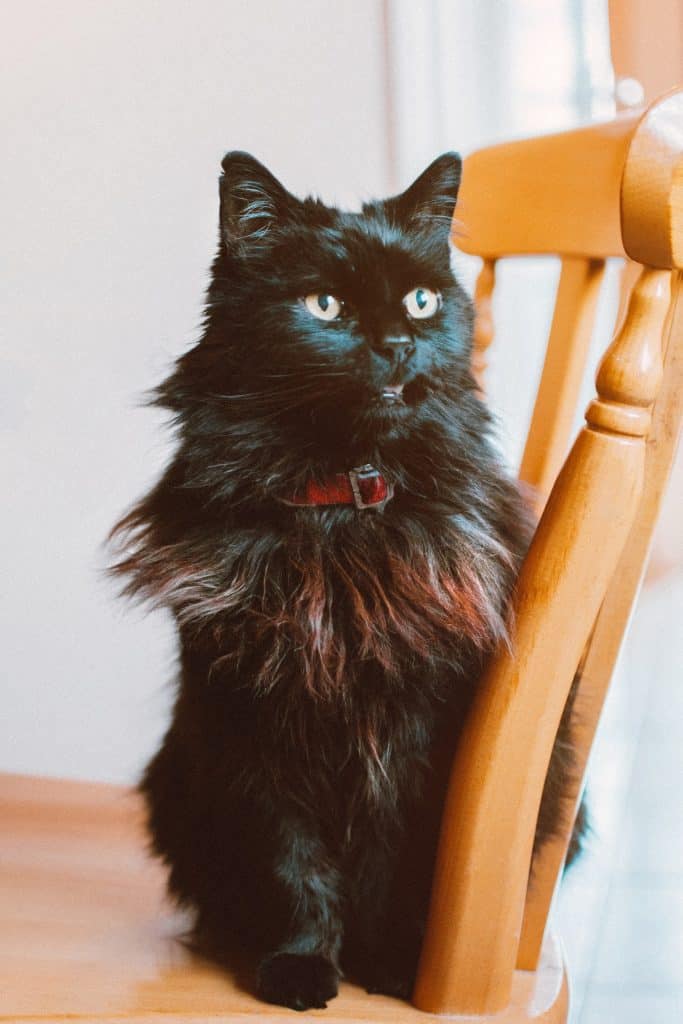
Credit: lifeandcats.com
Frequently Asked Questions
How Often Should I Groom An Old Cat?
Groom an old cat at least once a week. Older cats need regular brushing to prevent matting and hairballs. Frequent grooming also helps monitor skin health and detect any lumps or parasites early.
What Grooming Tools Are Best For Senior Cats?
Use a soft-bristle brush or a grooming glove for senior cats. These tools are gentle on sensitive skin and help remove loose fur without causing discomfort. Avoid harsh combs or brushes that may irritate aging skin.
How Do I Handle Grooming If My Old Cat Resists?
Stay calm and patient when grooming a resistant old cat. Break sessions into short intervals and reward with treats. Use gentle strokes and avoid forcing the cat, which can cause stress or injury.
Can Grooming Help With My Old Cat’s Health Issues?
Yes, grooming supports your senior cat’s health by improving circulation and reducing skin problems. Regular checks during grooming can spot health issues like lumps or infections early, ensuring timely veterinary care.
Conclusion
Grooming an old cat helps keep them happy and healthy. Regular brushing removes loose fur and prevents mats. Gentle care respects their comfort and age. Watch for signs of skin problems or discomfort. A calm, patient approach builds trust and ease.
Small grooming sessions work best for older cats. This care strengthens your bond and supports their well-being. Take time each day to show love through grooming. Your old cat will thank you with purrs and affection. Simple steps make a big difference in their life.




Leave a Reply