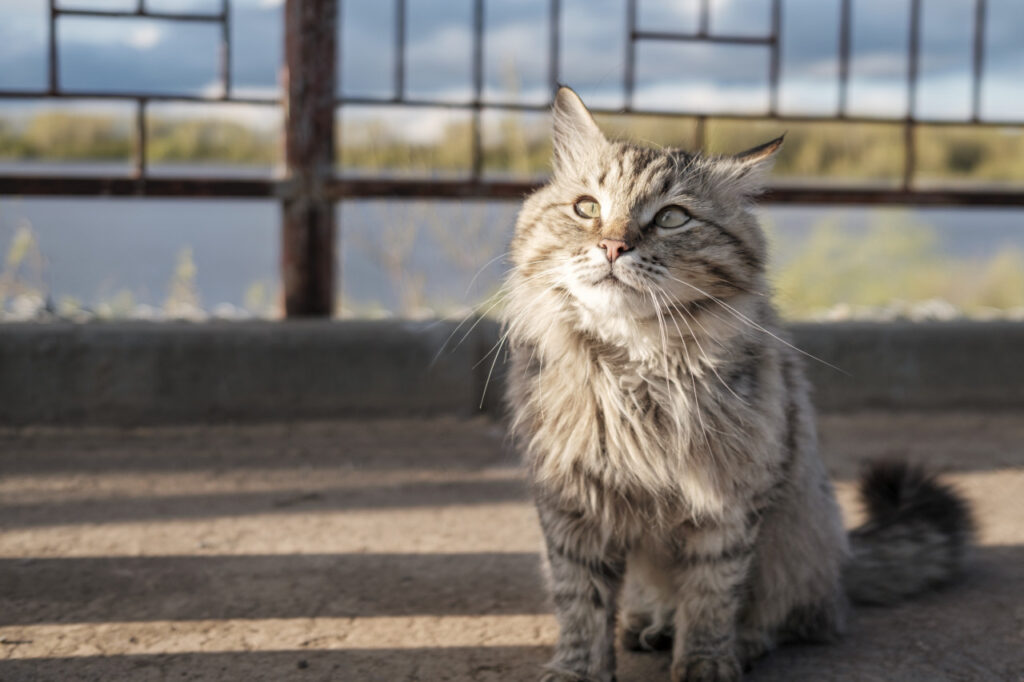
Taking care of an elderly cat is a special responsibility, and grooming plays a big part in keeping your furry friend happy and healthy. You might notice your older cat isn’t as agile or eager to clean themselves like before.
That’s where you come in. Knowing how to groom an elderly cat properly can make a huge difference in their comfort and well-being. You’ll discover simple, effective tips to keep your senior cat’s coat shiny, skin healthy, and spirits high.
Keep reading—you’ll learn exactly what your cat needs to feel their best every day.

Credit: nationalcatgroomers.com
Benefits Of Grooming Older Cats
Grooming an elderly cat offers many benefits. It helps keep your cat healthy and happy. Regular grooming supports their changing needs as they age. It also creates a calm and loving time for both of you. Understanding these benefits encourages consistent care for your older cat.
Health Improvements
Grooming removes dirt and loose fur, reducing hairballs. It improves skin health by spreading natural oils. Brushing helps prevent mats that can cause pain. Grooming also keeps the coat shiny and soft. Older cats often groom less, so your help is key.
Bonding And Comfort
Grooming builds trust and strengthens your bond. It provides comfort, reducing stress for your cat. Gentle brushing feels soothing and calming. This quiet time lets your cat feel safe. It shows your care through gentle touch and attention.
Early Detection Of Issues
Grooming helps spot health problems early. You can notice lumps, bumps, or skin changes quickly. It reveals signs of fleas or infections. Detecting issues early means faster treatment. Regular checks keep your elderly cat healthier longer.
Choosing The Right Grooming Tools
Choosing the right grooming tools for an elderly cat is essential. Older cats have delicate skin and fragile fur. Using harsh tools can cause discomfort or injury. Soft, gentle tools help maintain their coat and skin health. Proper tools make grooming easier and more enjoyable for both cat and owner.
Soft Brushes And Combs
Soft brushes and combs prevent skin irritation. They remove loose fur without pulling or hurting. Look for brushes with gentle bristles or rubber tips. Wide-tooth combs help detangle fur carefully. These tools reduce mats and keep the coat smooth.
Nail Clippers Designed For Seniors
Older cats have brittle nails that need careful trimming. Use nail clippers made for small, delicate nails. Clippers with safety guards prevent cutting too close. Sharp, precise blades make trimming quick and safe. This keeps your cat comfortable and prevents injury.
Gentle Bathing Supplies
Bathing an elderly cat requires mild, soothing products. Use shampoos made for sensitive skin or kittens. Avoid strong scents or harsh chemicals. Soft sponges or washcloths help clean without stress. Warm water and gentle handling keep your cat calm during baths.
Creating A Calm Grooming Environment
A calm space helps elderly cats feel safe during grooming. Soft lighting and gentle sounds keep them relaxed and cooperative. Patience and slow movements reduce stress and make grooming easier.
Creating a Calm Grooming Environment Grooming an elderly cat can be a rewarding experience when done in a serene setting. Cats, especially as they age, are sensitive to their surroundings. Establishing a peaceful environment ensures your feline friend feels safe and relaxed during grooming sessions.Quiet Space Setup
Choose a room where your cat feels comfortable. This could be a spot they often nap or a quiet corner away from household noise. Ensure the space is free from distractions like loud appliances or active family members. Prepare the area with your grooming tools within reach. Keep items like brushes, towels, and treats nearby to avoid leaving your cat alone. A familiar blanket or cushion can also help your cat feel at ease.Using Soothing Techniques
Before starting, spend a few minutes petting your cat gently. This helps them associate the grooming session with positive attention. Speak softly to reassure them throughout the process. Consider playing soft music or using a white noise machine. These sounds can mask sudden noises that might startle your cat. Some pet owners find that using lavender oil diffusers can have a calming effect, but always ensure it’s safe and not too strong.Timing Sessions Appropriately
Observe your cat’s natural rhythm and choose a time when they are most relaxed. This is often after a meal or during their usual nap time. Grooming when your cat is calm can prevent resistance and make the process smoother. Aim for shorter sessions, especially if your cat is new to grooming or seems uneasy. Gradually increasing the duration can help your cat become more accustomed to the routine. Remember, patience is key—rushing can lead to stress for both you and your cat. Creating a calm grooming environment is a small step that can make a big difference. How do you ensure your elderly cat stays relaxed during grooming?
Credit: justcatsclinic.com
Step-by-step Grooming Process
Grooming an elderly cat requires patience and gentle care. Their skin and fur are more delicate than younger cats. A calm approach helps keep your cat comfortable during grooming. Follow this step-by-step process to maintain your cat’s hygiene and well-being.
Brushing Fur Carefully
Use a soft-bristled brush or comb made for cats. Brush slowly to avoid pulling on tangled fur. Focus on areas where mats form easily, like behind ears and under the legs. Gentle strokes remove loose hair and prevent skin irritation. Take breaks if your cat seems stressed.
Cleaning Eyes And Ears
Use a damp, soft cloth to wipe around the eyes. Avoid touching the eyeball directly. For ears, use a cotton ball slightly moistened with a vet-approved cleaner. Wipe inside the outer ear gently. Never insert anything deep into the ear canal. Check for redness or unusual odor, which may need vet attention.
Trimming Nails Safely
Choose a quiet spot and have your cat sit comfortably. Use nail clippers designed for pets. Hold the paw firmly but gently. Trim only the sharp tips to avoid the quick, which is sensitive. If unsure, trim small amounts. Reward your cat with a treat after each session.
Bathing Tips For Sensitive Skin
Use a mild, cat-safe shampoo made for sensitive skin. Fill the tub or sink with a few inches of lukewarm water. Wet your cat gently with a cup or hand. Lather the shampoo softly, avoiding the face and ears. Rinse thoroughly to remove all soap. Dry your cat with a soft towel and keep them warm until fully dry.
Handling Common Challenges
Grooming an elderly cat can be rewarding but also challenging. Older cats often face physical and emotional changes that make grooming trickier than when they were younger. Understanding how to handle these challenges will help you keep your cat comfortable and maintain their health.
Dealing With Stiffness Or Pain
Older cats may have arthritis or other joint issues, making movement painful during grooming. Be gentle and avoid forcing your cat into uncomfortable positions. Support their body carefully, especially around hips and shoulders.
If your cat shows signs of pain, try shorter grooming sessions spread over several days instead of one long session. Using a soft brush can reduce discomfort while still removing loose fur. You might also want to check with your vet about pain relief options to ease your cat’s stiffness.
Managing Anxiety Or Resistance
Grooming can stress elderly cats who feel vulnerable or confused. Create a calm environment by choosing a quiet room and speaking softly. Let your cat sniff and explore the grooming tools before you start.
If your cat resists, pause and try again later. Sometimes, using treats or favorite toys can help your cat associate grooming with positive experiences. Have you noticed a particular time of day when your cat is calmer? Try grooming then.
Adjusting Grooming Frequency
Your elderly cat’s grooming needs may change as they age. Some cats groom themselves less, while others develop more mats and loose fur. Pay attention to your cat’s coat condition and adjust how often you groom accordingly.
Instead of sticking to a strict schedule, watch for signs like tangles or shedding. Groom more frequently during shedding season or if your cat becomes less active. This flexible approach helps keep your cat comfortable without overwhelming them.
When To Seek Veterinary Help
Knowing when to seek veterinary help is crucial for grooming elderly cats safely. Older cats may hide discomfort or health issues beneath their fur. Regular grooming can reveal problems that need a vet’s attention. Early detection helps prevent serious health concerns.
Signs Of Skin Or Coat Problems
Look for unusual hair loss or bald spots. Red, swollen, or irritated skin signals trouble. Scaly or flaky patches may mean dry skin or infection. Persistent scratching or licking shows discomfort. These signs need veterinary examination to find the cause.
Detecting Infections Or Parasites
Watch for wounds that do not heal or sores. Fleas, ticks, or mites cause itching and hair loss. Small dark spots or flea dirt are clear signs. Discharge or bad odor from the skin signals infection. A vet can diagnose and treat these issues properly.
Consulting About Grooming Concerns
Discuss any difficulties during grooming with your vet. Changes in your cat’s behavior, like hiding or aggression, might relate to pain. Your vet can offer advice on safe grooming tools and techniques. They may recommend professional grooming if needed.
Credit: www.purina.com
Frequently Asked Questions
How Often Should I Groom An Elderly Cat?
Groom elderly cats weekly to prevent mats and reduce shedding. Older cats groom less due to arthritis or illness. Regular grooming supports skin health and detects issues early. Adjust frequency based on your cat’s coat type and comfort level.
What Tools Are Best For Grooming Senior Cats?
Use soft-bristle brushes or grooming gloves for elderly cats. These tools are gentle on sensitive skin and reduce discomfort. Avoid harsh combs that may irritate. Choose tools suitable for your cat’s fur length and condition.
How Can I Make Grooming Easier For Senior Cats?
Create a calm, quiet environment for grooming sessions. Use gentle, slow strokes and take breaks if needed. Reward your cat with treats to build positive associations. Be patient and observe signs of stress to avoid discomfort.
Are There Special Grooming Needs For Elderly Cats?
Yes, elderly cats may have dry skin or sensitive areas. Focus on gentle brushing to stimulate circulation and remove loose hair. Check for lumps, bumps, or wounds during grooming. Keep nails trimmed to prevent scratching or injury.
Conclusion
Grooming an elderly cat keeps them healthy and happy. Gentle brushing helps remove loose fur and stops mats. Regular checks can spot skin or health problems early. Use soft tools and take breaks to avoid stress. Patience and care build trust and comfort.
Small grooming sessions make a big difference over time. Keep your cat calm and enjoy these quiet moments together. A clean, well-groomed cat feels better every day. Simple steps can improve your older cat’s quality of life.



Leave a Reply