
Grooming a cat can be a peaceful bonding time, but what happens when your furry friend turns aggressive? If your cat scratches, bites, or hisses every time you try to groom them, you’re not alone—and there’s a way to make this easier for both of you.
You don’t have to dread grooming sessions or risk getting hurt. You’ll discover simple, effective steps to calm your cat and keep them clean without the stress. Keep reading, and you’ll learn how to turn grooming from a battle into a moment of trust.
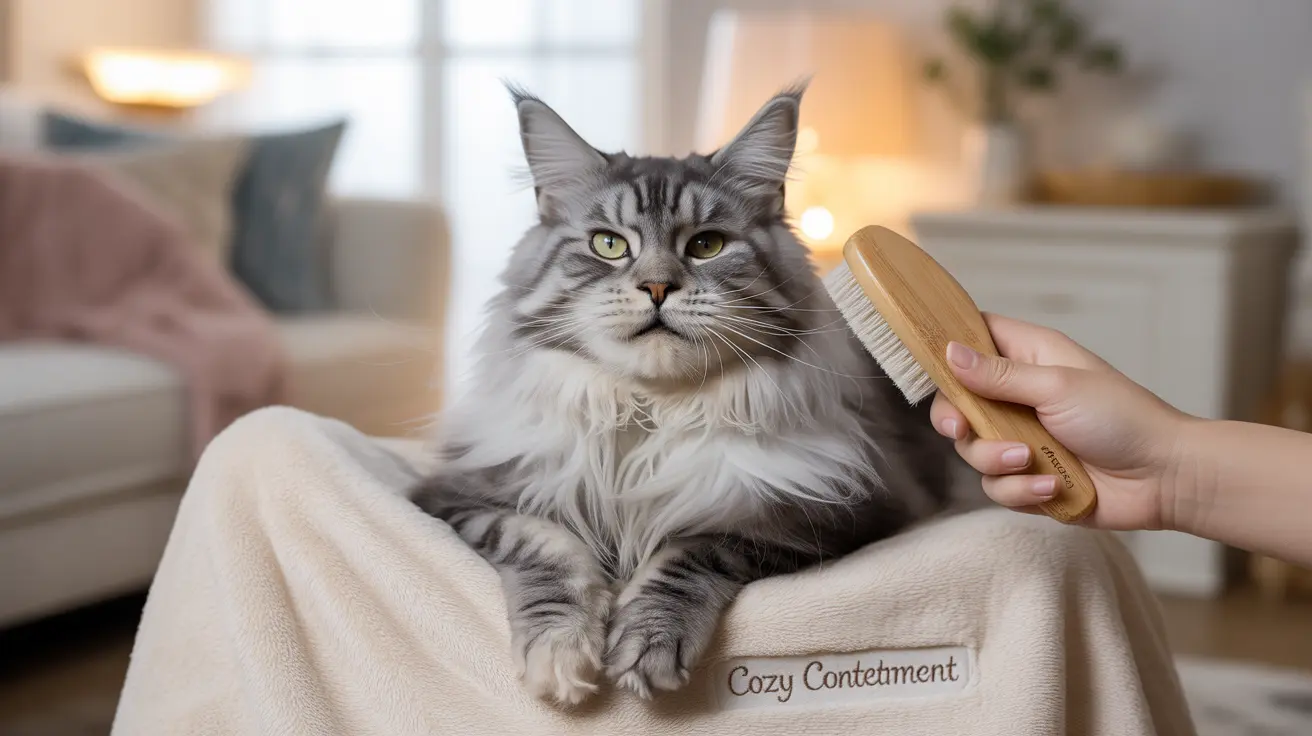
Credit: www.petscare.com
Recognizing Aggressive Behavior
Recognizing aggressive behavior in cats is key to safe grooming sessions. Aggression can stem from fear, pain, or stress. Early detection helps prevent injuries and builds trust. Knowing what to watch for gives you an advantage. Observe your cat’s body language closely. This lets you act calmly and confidently.
Common Signs Of Aggression
- Hissing or growling sounds
- Swatting with paws or scratching
- Flattened ears pressed back
- Wide, staring eyes with dilated pupils
- Tail flicking or lashing rapidly
- Arched back or puffed-up fur
- Sudden biting attempts
Triggers To Watch For
- Touching sensitive areas like belly or tail
- Sudden movements or loud noises
- Using unfamiliar grooming tools
- Approaching when the cat is resting
- Being forced into uncomfortable positions
- Presence of other pets causing stress
- Previous negative grooming experiences

Credit: m.youtube.com
Preparing For Grooming
Preparing for grooming an aggressive cat takes more than just gathering tools. It involves setting the right mood and having everything ready to make the process smoother for both you and your cat. Taking time to prepare can reduce stress and make grooming a safer experience.
Creating A Calm Environment
Your cat’s mood can change quickly if the environment feels threatening. Choose a quiet room where your cat feels comfortable and safe. Soft lighting and minimal noise help keep your cat relaxed.
Try playing gentle music or using a pheromone diffuser to ease anxiety. Have a cozy blanket or your cat’s favorite bed nearby to encourage calm behavior. Remember, your calm energy will influence your cat’s reaction too.
Have you noticed how your cat reacts in different rooms? Pick the one where they seem least stressed and stick with it for grooming sessions.
Essential Grooming Tools
Having the right tools ready before you start can prevent frustration. Use a brush or comb suited for your cat’s fur type—slicker brushes work well for long-haired cats, while rubber brushes are gentle on short hair.
Keep grooming gloves or a soft mitt handy if your cat resists direct brushing. A pair of blunt-nosed scissors or nail clippers should be nearby if you need to trim fur or nails carefully. Always have treats ready to reward good behavior.
- Slicker brush or rubber brush
- Grooming gloves or mitt
- Blunt-nosed scissors
- Nail clippers
- Treats for positive reinforcement
Think about how each tool fits your cat’s personality. A tool that feels gentle can make all the difference in calming your cat during grooming.
Approach Techniques
Approach an aggressive cat slowly and calmly to avoid startling it. Use soft voices and gentle movements to build trust before grooming.
Approaching an aggressive cat for grooming demands patience and understanding. Cats may show aggression due to fear, pain, or unfamiliarity. Recognizing these triggers is essential. Approach them with calmness and caution. This requires a strategic plan to ensure safety for both you and the cat.Building Trust Gradually
Begin by spending time near your cat without direct interaction. This helps your cat get used to your presence. Offer treats or toys to create positive associations. Speak softly and avoid sudden movements. This encourages trust. Over time, try gently petting your cat in a familiar area. Observe their reactions closely. If they seem relaxed, gradually increase contact. Consistency in these interactions strengthens the bond and reduces aggression.Safe Handling Methods
Use a towel to wrap your cat snugly. This method prevents scratches and bites. Hold the cat firmly yet gently to avoid injury. Focus on grooming one section at a time. Keep sessions short to prevent stress. Use a calm and reassuring tone while handling. Always be prepared with necessary grooming tools within reach. In case your cat becomes too aggressive, pause and allow them to calm down before resuming.Grooming Strategies
Grooming an aggressive cat requires patience and the right approach. These strategies focus on making grooming calm and safe. Understanding your cat’s mood helps prevent scratches and bites. Small, slow movements reduce fear. Use tools that suit your cat’s coat and temperament. Regular short sessions build trust over time.
Brushing Tips For Aggressive Cats
- Choose a soft brush to avoid hurting your cat’s skin.
- Brush in the direction of hair growth for comfort.
- Start with just a few strokes and increase gradually.
- Use gentle, slow movements to keep your cat calm.
- Watch your cat’s body language for signs of stress.
- Reward your cat with treats or praise after brushing.
- Stop immediately if your cat becomes too aggressive.
Bathing Without Stress
- Prepare everything before starting to avoid rushing.
- Use warm water and mild cat shampoo only.
- Keep water level low to prevent fear of drowning.
- Speak softly to soothe your cat throughout the bath.
- Use a cup or gentle spray to wet and rinse.
- Dry your cat with a soft towel quickly but calmly.
- Keep bath time short and positive with treats afterward.
Managing Resistance
Dealing with an aggressive cat during grooming can be challenging. Managing resistance is key to making the experience smoother for both of you. Understanding when to pause and how to redirect your cat’s focus can reduce stress and build trust over time.
When To Take Breaks
Recognizing signs of stress in your cat is crucial. If your cat’s ears flatten, tail twitches, or claws come out, it’s time to pause. Continuing to push through aggression can make your cat more defensive next time.
Short breaks give your cat a chance to calm down. Step away for a few minutes and speak softly to reassure your pet. You might find that a few calm moments make your cat more cooperative when you resume grooming.
Have you noticed how your own patience affects your cat’s behavior? Staying calm yourself can encourage your cat to relax, making breaks even more effective.
Using Distractions Effectively
Distractions can shift your cat’s attention away from grooming discomfort. Try offering a favorite treat or a new toy during grooming sessions. This can create a positive association with the experience.
Some cats respond well to gentle sounds, like a soft humming or a ticking clock nearby. Experiment with different distractions to see what keeps your cat engaged without adding stress.
- Use treats strategically—offer small bites to keep your cat focused.
- Introduce interactive toys that your cat loves but only during grooming.
- Play calming music or soft noises to mask the sound of brushes or clippers.
Have you tried changing your grooming environment to reduce resistance? Sometimes, a quiet room with fewer distractions outside can help your cat feel more secure and open to grooming.
Safety Precautions
Handling an aggressive cat during grooming requires more than just patience—it demands strict safety precautions. Protecting yourself and your feline friend minimizes stress and prevents injuries. Before you even pick up the brush, consider what measures can keep both of you safe throughout the process.
Protective Gear For Groomers
Wearing the right protective gear is essential when grooming a cat prone to aggression. Thick gloves can shield your hands from sharp claws and potential bites. Long sleeves made from durable fabric act as a barrier against scratches on your arms.
Eye protection, like safety goggles, is often overlooked but can save you from unexpected swipes near your face. If you’ve ever been caught off guard by a cat’s sudden move, you know how valuable this can be. Using a grooming apron can also help keep fur and scratches off your clothes, making cleanup easier.
Avoiding Injuries
Understanding your cat’s body language is key to preventing injuries. Watch for signs of agitation such as tail flicking, ear flattening, or dilated pupils. If you notice these, pause and give your cat a break before continuing.
Use gentle restraint techniques instead of force. Wrapping your cat in a towel can calm them and limit movement without causing harm. Have treats ready to reward calm behavior—this can shift the mood and make grooming less stressful.
Have you ever tried grooming without any safety measures and ended up with scratches? Learning from those moments can help you avoid repeating the same mistakes. Safety isn’t just about protecting yourself; it’s about creating a positive grooming experience your cat can tolerate and eventually accept.
When To Seek Professional Help
Grooming an aggressive cat can be tough and sometimes risky. Knowing when to seek professional help protects both you and your cat. Professionals have the right tools and experience to handle difficult cats safely. It also ensures your cat stays calm and stress-free during grooming sessions.
Signs You Need A Groomer Or Vet
Look for clear signs that your cat needs expert care. Intense scratching, biting, or hissing during grooming shows aggression. If your cat’s fur is matted badly, grooming at home may harm their skin. Sudden changes in behavior or health problems like skin infections require a vet’s attention. Persistent fear or anxiety around grooming is another sign to call a pro.
Choosing The Right Expert
Selecting the right groomer or vet makes all the difference. Find someone who has experience with aggressive cats. A gentle, patient approach helps reduce stress for your pet. Ask if they use special equipment or techniques for difficult cats. Check reviews and get recommendations from other pet owners. A good expert will explain the process and answer your questions clearly.

Credit: petradioshow.com
Maintaining Grooming Routine
Maintaining a grooming routine is key to handling an aggressive cat safely. Regular grooming helps your cat stay clean and comfortable. It also reduces stress for both of you. Consistency builds trust and makes grooming less frightening over time.
Start small and be patient. Focus on short sessions that your cat can tolerate. Gradually increase the time as your cat becomes more relaxed. A steady routine helps your cat know what to expect. This familiarity lowers anxiety during grooming.
Establishing A Schedule
Choose specific days and times for grooming sessions. Keep the timing consistent to create a habit. Short sessions work best, especially at first. Aim for 5 to 10 minutes per session. Watch your cat’s mood and stop if it becomes too stressed.
Use quiet places with few distractions. A calm environment helps your cat feel safe. Gather all grooming tools before starting. This keeps the session smooth and quick. A set schedule reduces surprises and builds routine.
Positive Reinforcement Techniques
Reward your cat with treats after each grooming session. Use gentle praise and soft petting to show approval. Rewards create a good link between grooming and positive feelings. Let your cat sniff and explore tools before using them.
Try to keep a calm voice throughout grooming. Avoid sudden movements that can scare your cat. Stop and take breaks if your cat gets tense. Over time, your cat will begin to accept grooming as normal. Patience and rewards make grooming easier.
Frequently Asked Questions
How Do I Calm An Aggressive Cat Before Grooming?
Use gentle, slow movements and speak softly to calm your cat. Offer treats and take breaks to reduce stress.
What Tools Are Best For Grooming Aggressive Cats?
Choose soft brushes and nail clippers designed for sensitive cats. Avoid noisy or sharp tools to prevent agitation.
How Often Should I Groom An Aggressive Cat?
Groom your cat regularly but in short sessions. Frequent grooming helps reduce stress and keeps the cat comfortable.
Can I Groom An Aggressive Cat Alone Safely?
It’s safer to have a helper when grooming aggressive cats. Use towels to gently restrain the cat and prevent scratches.
Conclusion
Grooming an aggressive cat takes time and patience. Stay calm and gentle during each session. Use soft tools and speak in a soothing voice. Watch your cat’s body language to avoid stress. Small, frequent grooming helps build trust slowly. Remember, safety comes first for you and your pet.
With care, grooming can become a peaceful routine. Keep trying, and your cat will grow more comfortable. This helps keep your cat healthy and happy.

Leave a Reply