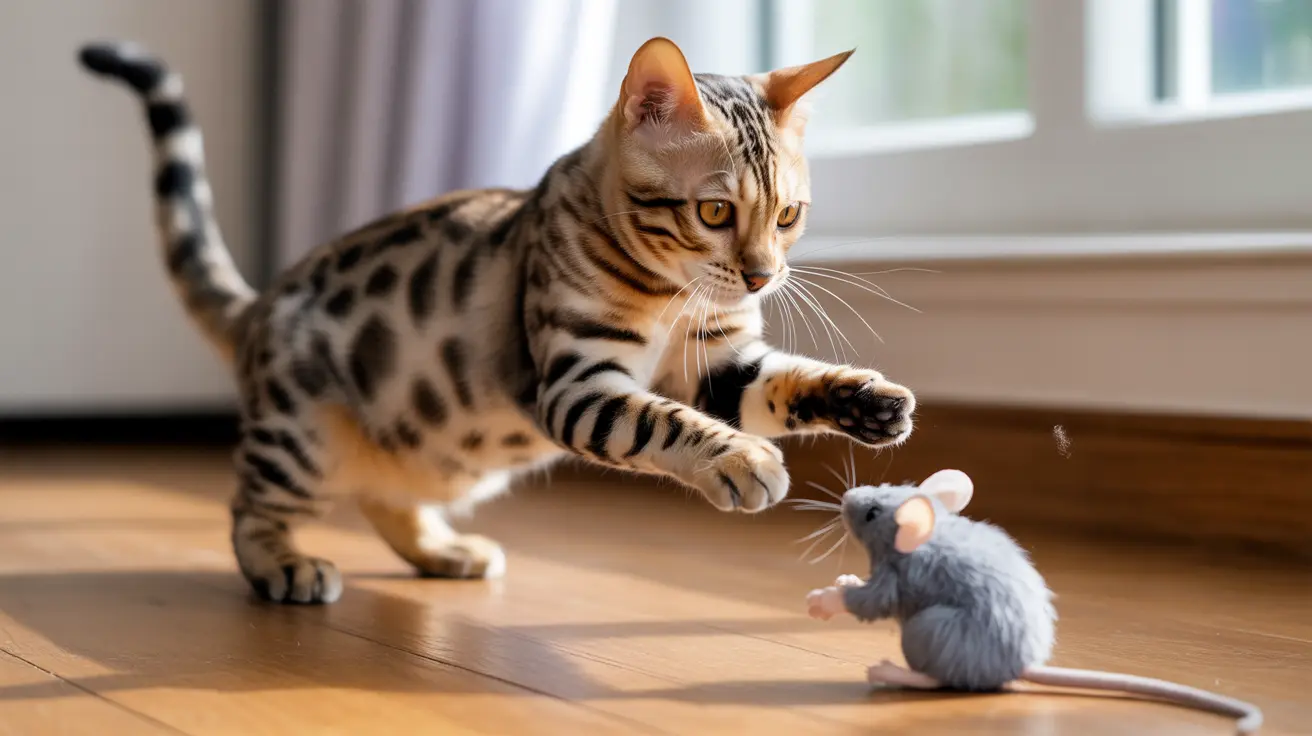
Have you ever wondered if your playful cat can catch parvo just by playing with toys? It’s a scary thought, especially when you want to keep your furry friend safe and happy.
You might be asking yourself, “Can something as simple as a toy actually spread this serious disease? ” Understanding the risks and how parvo spreads can help you protect your pet better. Keep reading to find out what you need to know to keep your cat healthy while enjoying their favorite playtime.
Parvo Virus Basics
Understanding the basics of the parvo virus is essential if you want to protect your pets from potential infections. This virus can be scary due to its rapid spread and severe effects, especially in dogs. But what does it mean for cats, and can your furry friend catch it through play?
What Is Parvo?
Parvo, short for parvovirus, is a highly contagious virus that mainly affects the digestive system. It causes severe vomiting, diarrhea, and dehydration, making it dangerous if left untreated. The virus survives well in the environment and spreads through contact with infected feces, contaminated surfaces, or objects.
You might wonder if your cat’s favorite toy could harbor this virus. Since parvo can live on surfaces, toys touched by an infected animal could pose a risk. However, the likelihood depends on the type of parvovirus and the species it affects.
Parvo In Cats Vs. Dogs
Parvo is often associated with dogs, but cats have their own version called feline panleukopenia virus (FPV). Both viruses are part of the parvovirus family but affect different species. Dogs are vulnerable to canine parvovirus (CPV), while cats contract FPV, which has similar symptoms but is species-specific.
- Canine Parvovirus (CPV):Primarily targets dogs, causing severe intestinal issues.
- Feline Panleukopenia Virus (FPV):Affects cats, leading to immune suppression and digestive problems.
This means your cat is unlikely to get canine parvo from a toy contaminated by a dog. But if the toy has been exposed to feline panleukopenia, it could be risky. Have you checked your pet’s toys for cleanliness lately? Regular cleaning can help you avoid these hidden dangers.

Credit: www.reddit.com
Transmission Risks
Understanding transmission risks is crucial when thinking about your cat’s health, especially with viruses like parvo. While parvo is more commonly associated with dogs, it’s important to consider how transmission could happen in your home environment. Knowing the risks helps you take the right steps to keep your furry friend safe.
How Parvo Spreads
Parvo mainly spreads through direct contact with an infected animal’s feces. The virus is very hardy and can survive in the environment for months. This means your cat could pick it up from contaminated areas like a yard or a shared litter box.
Transmission can also occur if your cat comes into contact with objects that carry the virus. This includes food bowls, bedding, or even your hands after touching an infected dog. Are you aware of all the places your cat explores daily?
Role Of Toys In Virus Transmission
Toys can play a surprising role in spreading viruses. If your cat’s toys are shared with or come into contact with an infected dog, they can carry the virus. Since cats often chew or lick their toys, this creates a direct path for infection.
Regularly cleaning and disinfecting toys is a simple step to reduce risk. Using pet-safe disinfectants or washing soft toys in hot water can help. Have you checked when you last cleaned your cat’s favorite playthings?
Remember, prevention starts with awareness. Watching where your cat plays and what they touch could be the difference between health and illness.
Symptoms In Cats
Recognizing the symptoms of parvo in cats is crucial for early intervention. This viral infection can escalate quickly, and knowing what to look for can make all the difference in your cat’s recovery. Keep a close eye on any sudden changes in your cat’s behavior or health, especially after playing with toys that might be contaminated.
Common Signs Of Parvo
- Vomiting and Diarrhea:These are often the first noticeable signs. The diarrhea might be severe and watery, sometimes with blood.
- Loss of Appetite:Your cat may suddenly refuse food, even treats they usually love.
- Lethargy:A cat with parvo will seem unusually tired and weak, avoiding movement and play.
- Fever:An elevated temperature is common, though it might not always be obvious without a vet’s thermometer.
- Dehydration:Due to vomiting and diarrhea, dehydration sets in quickly. Check for dry gums or sunken eyes as warning signs.
Have you noticed your cat suddenly acting dull or refusing to eat after playing with a new toy? These symptoms might be more than just a phase—they could signal parvo exposure.
When To Seek Veterinary Care
If your cat shows any of the above symptoms, don’t wait to get professional help. Parvo can become life-threatening within 48 hours if untreated.
Contact your vet immediately if you observe:
- Persistent vomiting or diarrhea lasting more than 12 hours
- Signs of dehydration such as dry mouth or reduced skin elasticity
- Extreme lethargy or unresponsiveness
- Sudden refusal to eat or drink
Early treatment improves survival chances dramatically. Could delaying a vet visit cost your cat its life? Always err on the side of caution.

Credit: www.reddit.com
Prevention Tips
Protecting your cat from parvo through toys is possible with simple care. Cleanliness and health habits reduce infection risks. Toys can carry viruses if not kept clean. Healthy cats resist infections better. Follow these tips to keep your cat safe during play.
Sanitizing Cat Toys
Clean toys often. Use warm water and mild soap. Rinse well to remove soap residue. Dry toys completely before giving them to your cat. Avoid harsh chemicals that can harm pets. Soft toys need extra care; wash them in the machine if possible. Regular cleaning stops virus buildup on surfaces.
Vaccination And Health Practices
Keep your cat’s vaccinations up to date. Vaccines protect against many harmful diseases. Schedule regular vet visits for health checks. Isolate new or sick cats to prevent spreading germs. Provide a balanced diet and fresh water. A strong immune system helps fight infections. Watch for signs of illness and act quickly.
Treatment Options
Cats rarely catch parvo from toys, but cleaning toys regularly helps prevent infections. Treatment focuses on supportive care like fluids and medication. Veterinary help is essential for proper diagnosis and care.
When a cat plays with toys that might be contaminated with the parvo virus, and if infection occurs, treatment options become crucial. Early detection and prompt treatment can make a significant difference in the cat’s recovery. Understanding the available treatments can help you take swift and effective action.Veterinary Interventions
Veterinary care is often the first line of defense. If your cat shows symptoms of parvo, such as vomiting or diarrhea, seek professional help immediately. Veterinarians typically administer fluids to combat dehydration, a common and serious complication of parvo. They may also prescribe antibiotics to prevent secondary infections while the cat’s immune system is compromised. In some cases, hospitalization is necessary to ensure your pet receives the intensive care needed. This might involve nutrient-rich intravenous feeding and constant monitoring.Home Care Support
While veterinary intervention is essential, you can also support your cat’s recovery at home. Ensure they have a quiet, comfortable space to rest away from other pets to prevent further spread of the virus. Encourage hydration by offering fresh water frequently. Adding a bit of chicken broth to their water can entice them to drink more. Monitor your cat’s behavior and symptoms closely. Note any changes and communicate them to your vet. Your attentive care plays a crucial role in their healing journey. Are you prepared to recognize the signs of recovery in your cat? Staying informed and vigilant can make all the difference.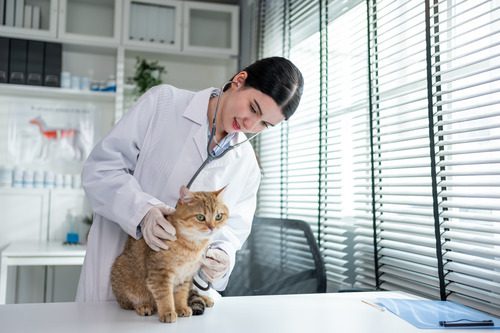
Credit: cvhcp.com
Frequently Asked Questions
Can Cats Get Parvo From Playing With Toys?
Cats cannot get parvo from toys. Parvovirus primarily affects dogs and is species-specific. However, cats can get feline panleukopenia, a similar virus, but it doesn’t spread through toys.
How Does Parvo Spread Among Cats And Dogs?
Parvo spreads mainly through direct contact with infected feces or contaminated environments. It is highly contagious among dogs but does not easily transmit between cats and dogs.
Are Cat Toys A Risk For Spreading Viruses?
Cat toys can carry germs if not cleaned regularly. However, they are unlikely to spread parvo. Maintaining toy hygiene reduces the risk of infections.
Can Parvo Survive On Cat Toys?
Parvovirus can survive on surfaces for months. If a toy contacts infected dog feces, it may carry the virus. Cleaning and disinfecting toys prevent this risk.
Conclusion
Cats rarely get parvo from playing with toys. The virus mainly affects dogs, not cats. Still, keep your cat’s toys clean and safe. Germs can spread if toys are dirty. Regular cleaning helps protect your pet’s health. Watch your cat for any signs of illness.
Early care can make a big difference. Stay informed and keep your pet happy. Safe play means a healthy cat.

Leave a Reply