
Grooming an aggressive cat can feel like a challenge you’re not ready for. You want your furry friend to look and feel their best, but their sharp claws and restless movements make it hard.
What if you could turn grooming time into a calm, stress-free routine? You’ll discover simple, effective ways to handle your cat’s aggression and keep them clean without the struggle. Keep reading—you’re just a few steps away from making grooming easier for both you and your cat.

Credit: petradioshow.com
Recognizing Aggression Triggers
Recognizing what triggers aggression in your cat helps make grooming safer and easier. Cats show aggression for many reasons. Spotting these signs early can prevent bites and scratches during grooming sessions.
Understanding your cat’s mood and environment is key. Watch closely for behaviors that hint at stress or anger. This knowledge helps you approach grooming with care and patience.
Common Causes Of Cat Aggression
- Fear of unfamiliar people or places
- Previous bad experiences during grooming
- Pain or illness causing discomfort
- Territorial behavior around home or belongings
- Overstimulation from petting or handling
- Sudden loud noises or quick movements
- Protectiveness over food or toys
- Changes in household routine or environment
Signs Your Cat Is Stressed
- Flattened ears pointing backward
- Hissing or growling sounds
- Swishing or twitching tail
- Wide, dilated pupils
- Trying to hide or escape
- Sudden biting or scratching
- Excessive grooming or licking
- Freezing or tense body posture

Credit: m.youtube.com
Preparing For Grooming Sessions
Preparing your aggressive cat for grooming sessions is crucial for a smoother experience. It’s not just about holding a brush or clipper; it’s about setting the stage where your cat feels safe and less defensive. Proper preparation can reduce stress for both of you and make grooming a more manageable task.
Creating A Calm Environment
Your cat picks up on your energy, so a calm setting helps lower their anxiety. Choose a quiet room away from loud noises and distractions. Dim the lights slightly if your cat prefers softer environments—it can make a big difference.
Play soft, soothing music or white noise to mask sudden sounds that might startle your cat. Have a cozy blanket or bed ready, so your cat has a familiar spot to settle. You might notice your cat relax more when you speak in a gentle, steady voice—try it and observe their reaction.
Have treats or favorite toys on hand to reward calm behavior. This not only distracts but also creates positive associations with grooming time. Ask yourself: could this space feel more like a haven than a chore zone for your cat?
Choosing The Right Tools
Using the wrong tools can make an aggressive cat even more defensive. Start with a soft-bristled brush if your cat has sensitive skin or a fine coat. For thicker fur, a slicker brush or grooming glove might work better, but always test gently first.
Keep nail clippers sharp and designed for cats to avoid painful snags. If your cat hates the sound or feel, try trimming nails after a play session when they’re more tired. Have styptic powder nearby in case of accidental nicks—it shows you’re prepared and calm, which helps your cat stay calm too.
Consider the texture and size of combs and brushes—small, lightweight tools can feel less intimidating. Have everything within reach before you start so you’re not scrambling mid-session. What tools does your cat respond to best, and how can you adapt your kit accordingly?
Techniques To Calm Your Cat
Calming an aggressive cat during grooming is essential for a safe and positive experience. Patience and a calm approach help reduce your cat’s stress. Understanding your cat’s mood signals can guide your actions. Gentle methods build trust over time, making grooming easier.
Using Gentle Touch And Voice
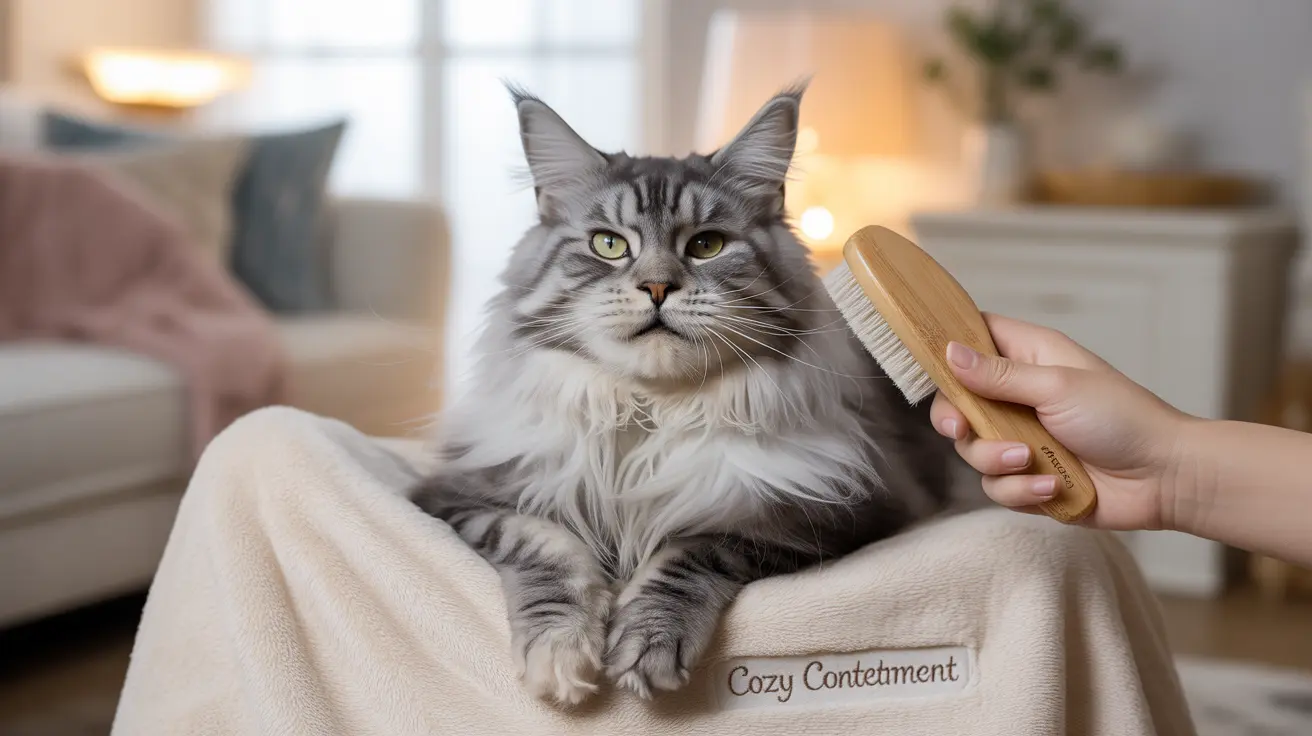
Start by using soft, slow strokes on your cat’s fur. Avoid sudden movements that may scare your cat. Speak in a low, soothing voice to comfort them. Keep your hands relaxed and avoid gripping tightly. Pause often to let your cat adjust to your touch. Watch for signs of discomfort and stop if needed.
Incorporating Treats And Rewards
Use small, tasty treats to reward calm behavior. Give treats during breaks or after gentle strokes. This creates a positive link between grooming and rewards. Choose treats your cat loves and offer them consistently. Praise your cat softly to encourage cooperation. Gradually increase grooming time as your cat stays calm.
Credit: www.petscare.com
Step-by-step Grooming Tips
Grooming an aggressive cat requires patience and calmness to avoid stress. Use gentle strokes and offer treats to build trust gradually. Keep sessions short and watch for signs of discomfort to ensure safety for both you and your pet.
Grooming an aggressive cat can be a daunting task, but with the right approach, it becomes manageable. Understanding the root of your cat’s aggression is essential. Is it fear, pain, or just plain dislike? Once you identify the cause, you can tailor your grooming strategy to meet your cat’s unique needs. Below, we’ll dive into step-by-step grooming tips that can help turn your grooming sessions into a more peaceful experience for both you and your feline friend.Brushing Without Resistance
Start by choosing the right brush for your cat’s coat type. A slicker brush is often effective for long-haired cats, while a rubber brush can work wonders on short-haired breeds. Introduce the brush gradually, allowing your cat to sniff and inspect it. Create a calm environment. Consider brushing your cat when they’re naturally relaxed, like after a meal. Speak softly and use gentle strokes, starting with areas your cat enjoys being touched. Reward your cat with treats and praise to create positive associations with brushing. If your cat shows signs of stress, take a break and try again later. Patience is key.Handling Nails And Ears Safely
Trimming nails can be especially challenging with an aggressive cat. Begin by getting your cat comfortable with having their paws touched. Gently massage their paws daily, rewarding them with treats. Use a quiet, well-lit space to trim nails. A cat-specific nail clipper is recommended. Clip just the tip of the nail, avoiding the quick, which can be painful if cut. For ear cleaning, use a vet-recommended ear cleaner and soft cotton balls. Gently lift your cat’s ear flap and wipe away any dirt or wax. Never use cotton swabs, as they can damage the ear canal. Remember, consistency and patience are your best allies when grooming an aggressive cat. What strategies have you found effective in keeping your cat calm during grooming sessions?When To Seek Professional Help
Knowing when to seek professional help is key to safely grooming an aggressive cat. Some cats become too stressed or dangerous during grooming. At that point, trying alone risks injury to you and your cat. Professionals have the right tools and experience to handle difficult cats without causing harm.
Professional help ensures your cat gets gentle care. It also prevents worsening behavior caused by fear or pain. Recognizing the signs that call for expert grooming or veterinary care protects both you and your pet.
Signs You Need A Groomer Or Vet
- Your cat scratches or bites aggressively during grooming attempts
- Fur mats are too tight or extensive to remove safely at home
- Skin irritation, wounds, or infections appear under the fur
- Your cat hides or shows unusual fear around grooming tools
- Grooming causes excessive stress, shaking, or vocalizing
- Your cat has medical conditions needing special care during grooming
Options For Stress-free Grooming
- Professional groomers trained in handling aggressive cats
- Veterinarians offering grooming combined with health checks
- Mobile groomers who come to your home, reducing travel stress
- Use of calming sprays or pheromone diffusers before grooming
- Short, frequent grooming sessions instead of long ones
- Gentle restraint techniques applied by experts to keep cats safe
Long-term Strategies For Behavior Improvement
Improving an aggressive cat’s behavior takes patience and consistent effort. Quick fixes rarely work, so focusing on long-term strategies can create lasting change. You’ll need to invest time in building a bond and creating a calm environment that naturally reduces aggression.
Building Trust Over Time
Trust is the foundation for any positive change in your cat’s behavior. Start by letting your cat approach you on their own terms instead of forcing interaction.
Offer treats or soft words when your cat shows calm behavior. This helps your cat associate you with positive experiences.
Spend quiet time near your cat without trying to touch them. Just being present can make your cat feel safer and more comfortable around you.
Have you noticed how some cats slowly warm up to you after repeated gentle interactions? That’s trust growing—and it’s crucial for reducing aggression.
Using Enrichment To Reduce Aggression
Boredom and excess energy often fuel aggressive behavior. Adding enrichment activities can distract your cat and make them less likely to lash out.
Try interactive toys like feather wands or puzzle feeders. These not only engage your cat physically but also stimulate their mind.
Set aside specific playtimes daily to burn off energy. This routine can calm your cat and improve their mood over time.
Consider adding vertical spaces like cat trees or shelves. Cats feel safer and more relaxed when they can observe their surroundings from a height.
What simple enrichment could you add to your cat’s day to keep them mentally and physically satisfied?
Frequently Asked Questions
How Can I Safely Groom An Aggressive Cat?
Start by calming your cat with gentle petting and a soft voice. Use slow, deliberate movements. Wear protective gloves if needed. Take breaks to avoid stress. Use a sturdy brush suited for your cat’s fur type. Reward your cat with treats after grooming.
What Tools Work Best For Grooming Aggressive Cats?
Use a rubber grooming glove or a soft-bristle brush to reduce discomfort. Avoid noisy clippers or harsh tools. Choose tools that are easy to hold and control. Ensure tools are clean to prevent infections. Gentle grooming tools help minimize your cat’s aggression.
How Do I Reduce My Cat’s Grooming Anxiety?
Create a quiet, safe environment with minimal distractions. Groom your cat at their most relaxed time. Use treats and praise to build positive associations. Gradually increase grooming sessions to build trust. Consistency helps your cat feel secure and less anxious.
When Should I Seek Professional Help For Grooming?
If your cat shows extreme aggression or fear, consult a vet or groomer. Professional groomers have experience handling difficult cats safely. Persistent grooming resistance may indicate health issues. Early intervention prevents injury to both you and your cat.
Conclusion
Grooming an aggressive cat takes patience and care. Stay calm and gentle during every session. Use small steps to build trust over time. Choose quiet places where your cat feels safe. Watch for signs of stress and stop if needed.
Regular grooming helps keep your cat healthy and happy. With kindness, grooming becomes easier for both you and your cat. Keep trying and celebrate small progress. Your effort makes a big difference in your cat’s life.


Leave a Reply