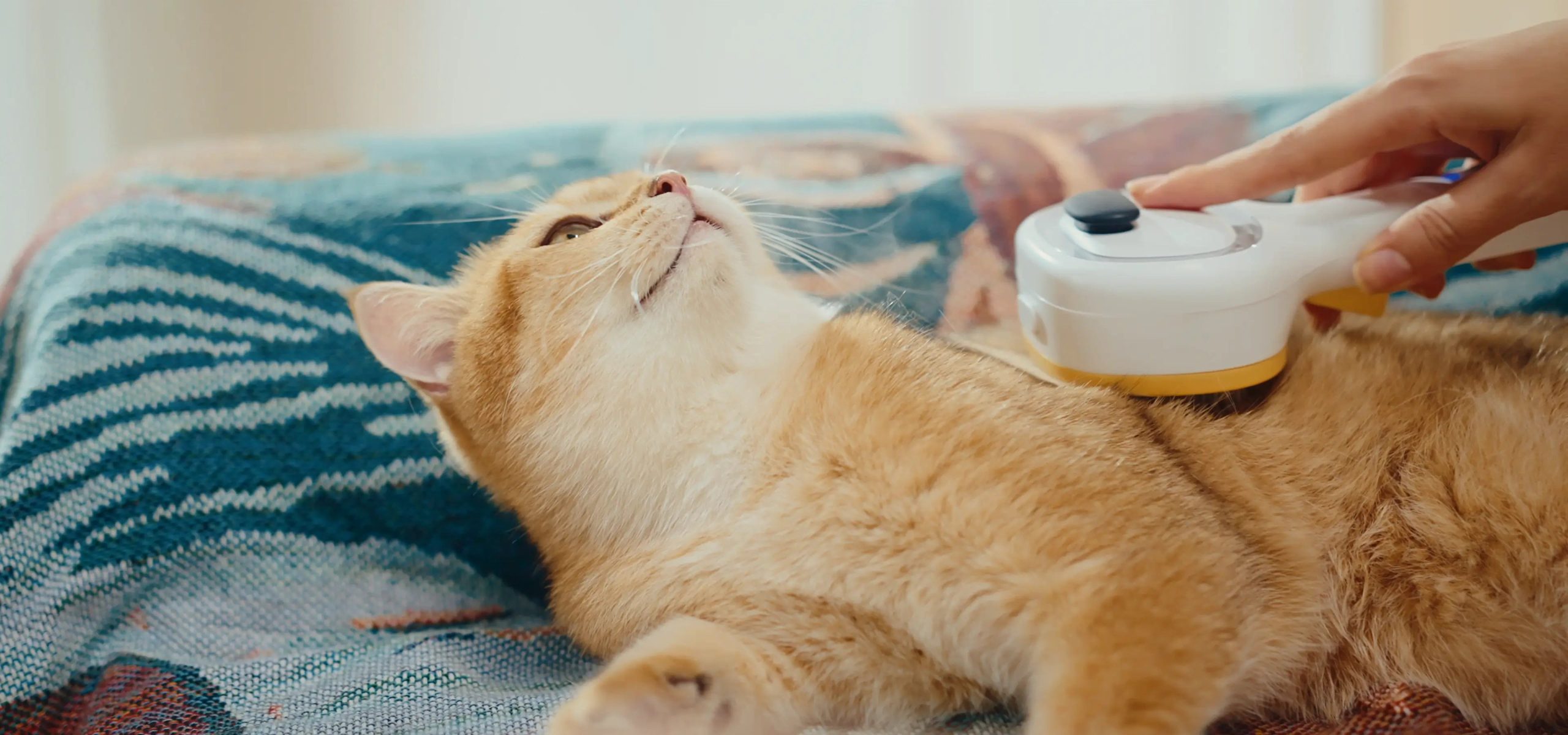
Grooming a skittish cat can feel like a tricky task. You want to keep your furry friend clean and comfortable, but their nervousness makes it hard.
If you’ve ever struggled to brush your cat without causing stress or scratches, you’re not alone. The good news is, with the right approach, you can turn grooming time into a calm and even enjoyable experience for both of you.
Keep reading, and you’ll discover simple, effective tips to help your shy cat feel safe and relaxed while you care for their coat.
Recognizing A Skittish Cat
Recognizing a skittish cat is the first step to making grooming a calm and positive experience for both of you. Skittish cats often hide their discomfort until they feel cornered, so learning to spot subtle signs is crucial. Understanding these signals helps you approach grooming with patience and care, reducing stress for your furry friend.
Behavioral Signs
Skittish cats may avoid eye contact and freeze when approached, showing fear without obvious aggression. You might notice them crouching low, ears flattened, or tail twitching rapidly—these are clear signs of anxiety. Some cats will try to escape or hide, while others might hiss or swat if they feel trapped.
Have you ever seen your cat suddenly bolt away from a simple touch? That quick reaction often means they’re not comfortable with the situation. Paying attention to these behaviors before you start grooming can prevent a negative experience.
Common Triggers
Sudden movements and loud noises can easily startle a skittish cat, making grooming a challenge. Even the sound of a brush or the sight of nail clippers might trigger anxiety. Changes in environment, unfamiliar people, or new scents also tend to unsettle sensitive cats.
Think about your cat’s past experiences—have they had any negative interactions that might cause fear during grooming? Identifying these triggers helps you create a calm and familiar setting. For example, using a soft brush and gentle movements can make a big difference.
Preparing The Environment
Preparing the environment is key to grooming a skittish cat. A calm setting helps reduce stress and makes grooming easier. Small changes in the space can create comfort and safety for your cat. This helps them stay relaxed and cooperative during grooming sessions.
Creating A Calm Space
Choose a quiet room with minimal noise and few distractions. Close windows to block outside sounds like traffic or birds. Use soft lighting instead of bright or flickering lights. Place a soft towel or blanket on a flat surface for your cat to sit on. Keep the room warm and cozy, avoiding cold drafts. Sit close to your cat to provide gentle reassurance. Speak softly and move slowly to avoid startling them.
Essential Grooming Tools
Gather all necessary tools before starting to avoid interruptions. Use a soft-bristled brush to gently remove loose fur. A fine-toothed comb helps with tangles and mats. Nail clippers designed for cats keep claws trimmed safely. Have grooming wipes or a damp cloth ready for cleaning. Keep treats nearby to reward calm behavior. Store tools within reach but out of your cat’s sight until needed.
Building Trust Gradually
Building trust with a skittish cat takes patience. Start by creating a calm environment. Gradually introduce grooming tools, allowing the cat to sniff and explore them. Gentle, slow movements help ease their anxiety, fostering a sense of safety.
Building trust with a skittish cat takes time. Cats are naturally cautious creatures. They need to feel safe before they relax. Establishing trust requires patience and understanding. This process is crucial for grooming a fearful cat. Follow these steps to create a bond with your cat.Approaching With Patience
Approach your cat slowly and calmly. Sudden movements can startle them. Sit quietly near them and let them come to you. Speaking softly reassures them. Avoid direct eye contact, which might seem threatening. Instead, look slightly away. This shows your cat you mean no harm.Using Positive Reinforcement
Reward calm behavior with treats or gentle petting. Use their favorite treats to create positive associations. Each time they stay calm, offer a small reward. Gradually introduce grooming tools, letting them sniff first. Praise them for staying calm. This encourages them to associate grooming with good things. Building trust takes time. Be patient and consistent. With time, your skittish cat will become more comfortable.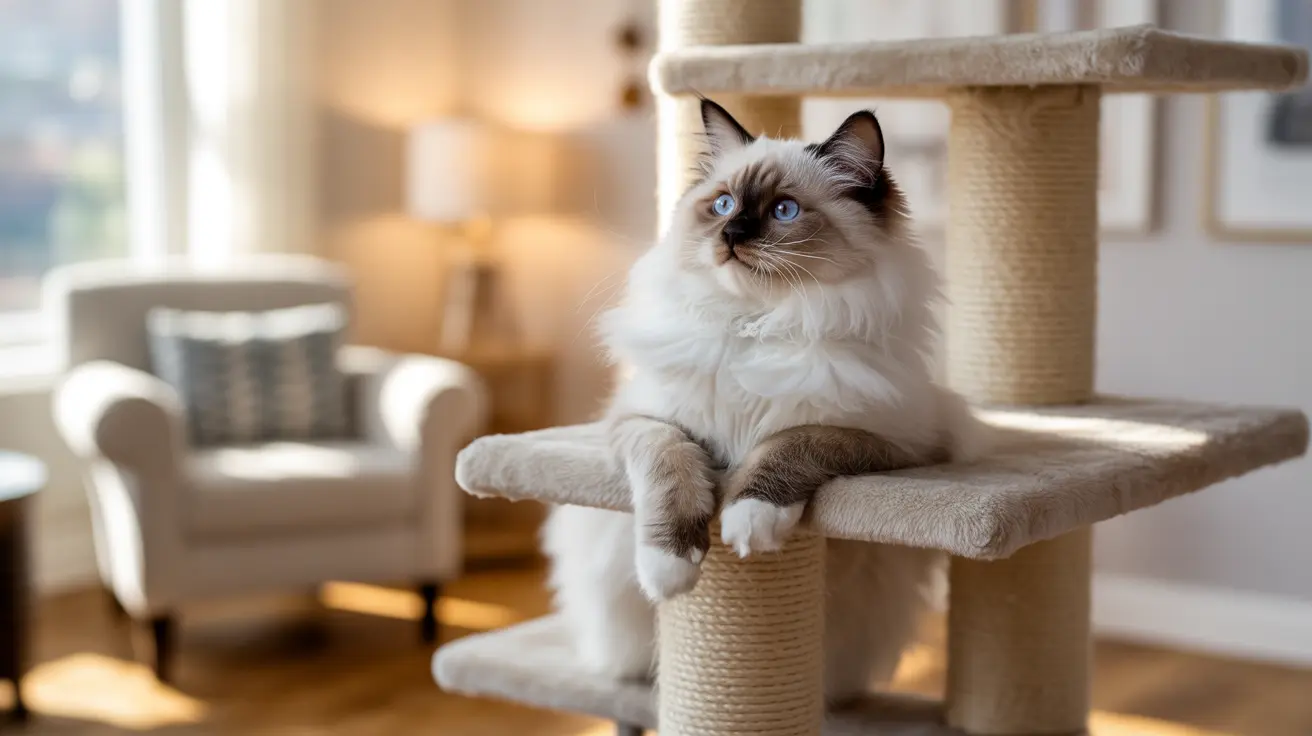
Credit: www.petscare.com
Gentle Grooming Techniques
Grooming a skittish cat requires a soft touch and a lot of patience. The goal is to make grooming a positive experience without triggering anxiety. Gentle grooming techniques can help build trust and keep your cat calm and comfortable.
Brushing Tips
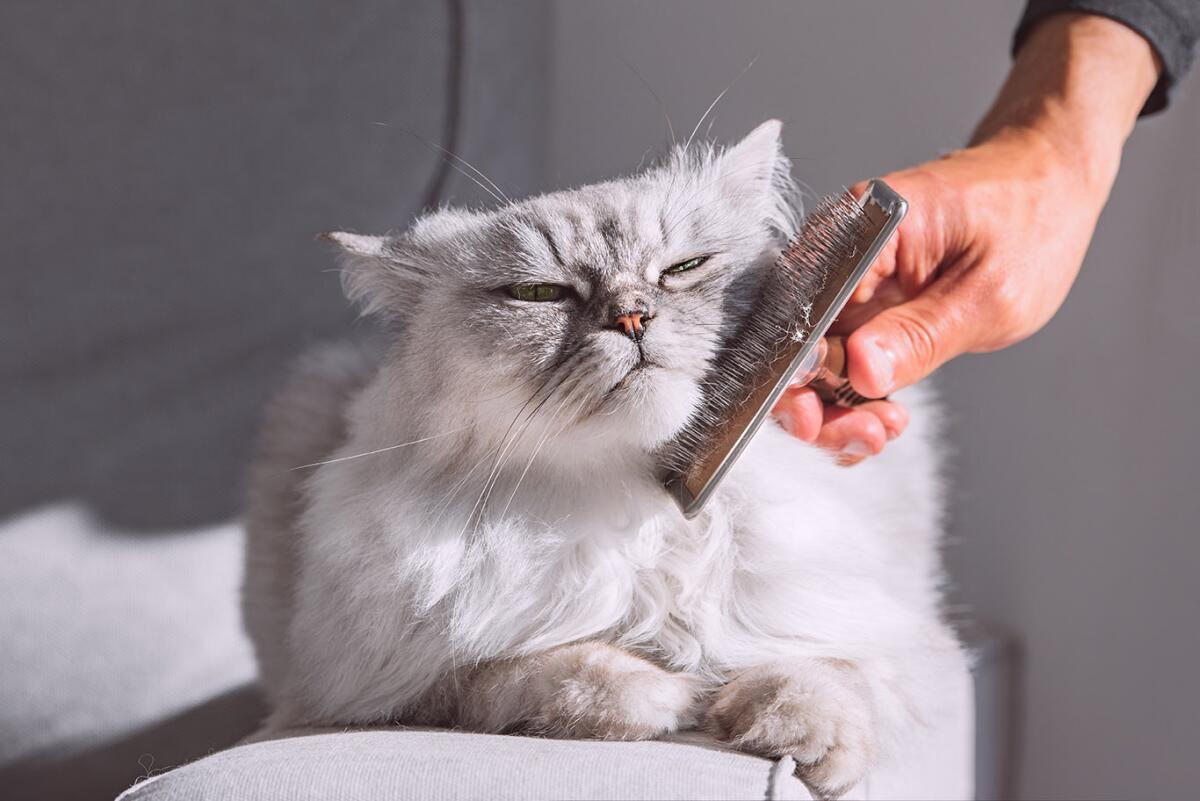
Start brushing your cat in short sessions, just a few minutes at a time. Use a brush with soft bristles designed for sensitive skin. Let your cat sniff and explore the brush first to reduce fear.
Brush in the direction of the fur growth, using slow and gentle strokes. Pay attention to your cat’s body language—if they tense up or try to escape, pause and try again later. Offering treats during and after brushing creates a positive link.
Try brushing in a quiet, comfortable spot where your cat feels safe. Avoid forcing your cat to stay still; instead, groom when they are relaxed or sleepy. Could changing the time or place of grooming make your cat more cooperative?
Bathing Without Stress
Bathing a skittish cat can be tricky, but it’s not impossible. Use a shallow basin or sink with just a few inches of lukewarm water. Let your cat get used to the water by gently placing a wet cloth on their fur first.
Keep your voice calm and soothing throughout the bath. Use a cup to pour water slowly rather than spraying, which can startle your cat. Have towels ready to wrap your cat immediately after the bath to keep them warm and secure.
Consider using a waterless shampoo or pet wipes if your cat is extremely fearful. These alternatives can keep your cat clean without the stress of a full bath. What small changes can you make to turn bath time into a peaceful routine?
Handling Resistance Safely
Handling a skittish cat during grooming requires patience and a calm approach. Resistance can quickly escalate into stress or injury if not managed carefully. Knowing how to recognize your cat’s signals and using gentle restraint methods can make the experience safer for both of you.
Reading Warning Signs
Watch your cat’s body language closely. Dilated pupils, flattened ears, and a twitching tail often mean your cat feels threatened or uncomfortable.
Hissing, growling, or sudden attempts to escape are clear signs your cat is reaching its limit. Ignoring these signals can lead to scratches or bites. Have you noticed how your cat’s behavior changes right before it tries to bolt? Learning to spot these early signs helps you pause or adjust your approach before things get tense.
Safe Restraint Methods
Use gentle restraint to avoid hurting your cat or yourself. Wrapping your cat in a soft towel can help keep claws covered and limit sudden movements.
Place the towel loosely around your cat, leaving the head exposed, to keep it calm but secure. Alternatively, try cradling your cat in your lap with one arm supporting the body and the other holding the front paws. This method offers control without feeling too restrictive.
- Keep your grip firm but gentle to avoid causing panic.
- Take breaks if your cat becomes too stressed.
- Use treats or soothing talk to reassure your cat during restraint.
Have you tried different restraint techniques to see which your cat tolerates best? Finding the right balance is key to making grooming a less scary experience for your furry friend.

Credit: www.reddit.com
Maintaining Regular Grooming Habits
Maintaining regular grooming habits helps your skittish cat feel safe and calm. Consistency builds trust and reduces fear during grooming sessions. Small, daily efforts make grooming a positive experience. Patience and gentle care encourage your cat to relax over time.
Setting A Routine
Choose a quiet time for grooming when your cat is calm. Try the same place to create a sense of security. Short sessions work best to keep your cat comfortable. Use soft brushes and gentle strokes to avoid startling your cat. Keep grooming tools nearby to avoid interruptions.
Adapting To Your Cat’s Needs
Watch your cat’s body language carefully. Stop if your cat shows signs of stress or discomfort. Adjust the grooming speed and pressure based on your cat’s reactions. Use treats and praise to reward calm behavior. Gradually increase session length as your cat gets used to grooming.
When To Seek Professional Help
Grooming a skittish cat can be tough. Some cats react badly to touch or sudden movements. Knowing when to seek professional help is key. Professionals have the skills and tools to groom cats safely and calmly. This ensures your cat stays stress-free and healthy.
Signs You Need A Groomer
- Your cat shows aggressive behavior during grooming.
- Your cat hides or runs away constantly.
- Matting or tangles are too hard to handle at home.
- Your cat has skin issues that need special care.
- You find it difficult to keep your cat calm.
- Grooming causes your cat to panic or bite.
Choosing The Right Professional
Look for groomers with experience handling nervous cats. They should use gentle techniques and calm voices. A clean and quiet environment helps your cat feel safe. Ask if the groomer offers a trial session first. Check reviews or ask for recommendations from your vet. Make sure the groomer uses cat-friendly tools and shampoos. A good groomer respects your cat’s pace and needs.

Credit: missmeow.ae
Frequently Asked Questions
How Do I Calm A Skittish Cat Before Grooming?
Create a quiet environment with soft voices. Use treats to build trust. Let your cat explore grooming tools first. Patience is key to reducing anxiety during grooming sessions.
What Grooming Tools Work Best For Nervous Cats?
Use soft-bristled brushes and gentle combs. Avoid noisy or harsh tools. Choose lightweight, easy-to-handle equipment to keep your cat comfortable and calm throughout grooming.
How Often Should I Groom A Skittish Cat?
Groom your cat 2-3 times a week. Regular sessions help your cat get used to grooming. Short, consistent grooming reduces stress and prevents matting and shedding.
Can Grooming Help Reduce My Cat’s Skittish Behavior?
Yes, gentle grooming builds trust and confidence. It creates positive bonding time and helps your cat feel secure. Over time, grooming can lessen fear and anxiety.
Conclusion
Grooming a skittish cat takes time and patience. Start slow and keep sessions short. Use gentle strokes and calm voices. Reward your cat with treats and praise. Watch their body language closely. Create a safe and quiet space. Regular grooming helps build trust and comfort.
Remember, every cat is different. Keep trying and stay calm. Soon, grooming will become easier for both. Your cat will feel happier and cleaner. Small steps lead to big progress.

Leave a Reply