Taking care of a sick cat can be challenging, especially when it comes to grooming. You want to keep your furry friend clean and comfortable, but you might worry about causing pain or stress.
Grooming your sick cat the right way can make a big difference in their recovery and happiness. You’ll learn simple and effective tips to groom your cat safely and gently. Keep reading to discover how you can help your cat feel better with care that shows your love and attention.

Credit: petradioshow.com
Signs Your Cat Needs Gentle Grooming
Caring for a sick cat requires extra attention, especially during grooming. Illness can make cats less active and affect their ability to clean themselves. Recognizing the signs that your cat needs gentle grooming helps keep them comfortable and healthy.
Gentle grooming supports your cat’s well-being by preventing matting and skin problems. It also offers comfort during recovery. Watch your cat closely for any changes that suggest grooming help is needed.
Identifying Grooming Challenges
Sick cats often struggle with regular grooming tasks. Their fur may become tangled or matted. Dirt and debris can stick to their coat more easily. You might notice:
- Clumps of fur falling out
- Sticky or greasy coat
- Unpleasant odor from the fur
- Visible dirt or debris
- Dry, flaky skin or dandruff
These signs show your cat needs extra help to stay clean. Grooming gently prevents discomfort and skin infections.
Behavioral Changes In Sick Cats
Sickness often changes how cats behave during grooming. They may avoid being touched or become irritable. Watch for these signs:
- Hiding or avoiding contact
- Growling or hissing when touched
- Less self-cleaning activity
- Reluctance to move or play
- Increased sleep or lethargy
Understanding these behaviors helps you approach grooming calmly and gently. Patience is key to keeping your cat relaxed and safe.

Credit: walkinpets.com
Preparing For A Gentle Grooming Session
Preparing for a gentle grooming session with a sick cat requires patience and careful planning. Your cat’s comfort and safety must come first, especially when they’re not feeling well. Setting the right tone before you start can make a big difference in how your cat responds to grooming.
Choosing The Right Tools
Use soft brushes designed for sensitive skin to avoid causing discomfort. A rubber grooming mitt or a fine-toothed comb can help remove loose fur without pulling. Avoid noisy or vibrating tools that might scare your cat.
Keep grooming supplies within easy reach to minimize handling time. Have some pet-safe wipes handy to gently clean areas without soaking your cat. Using familiar items can reduce stress and help your cat feel more at ease.
Creating A Calm Environment
Find a quiet spot where your cat feels safe and secure. Dim the lights and reduce background noise to help your cat relax. Soft, soothing voices and slow movements can reassure your cat that grooming is not a threat.
Try to groom your cat at a time when they are naturally calm, such as after a nap. Offering gentle petting before starting can build trust and ease tension. Have treats ready to reward your cat, making grooming a positive experience.
Have you noticed how your cat’s mood changes with the environment? Adjust your space to match their comfort level and watch how grooming sessions improve.
Step-by-step Grooming Techniques
Grooming a sick cat requires patience and gentle care. The process helps keep your cat comfortable and clean. Follow these simple steps to groom your cat safely and effectively. Each step focuses on minimizing stress and avoiding harm.
Brushing With Care
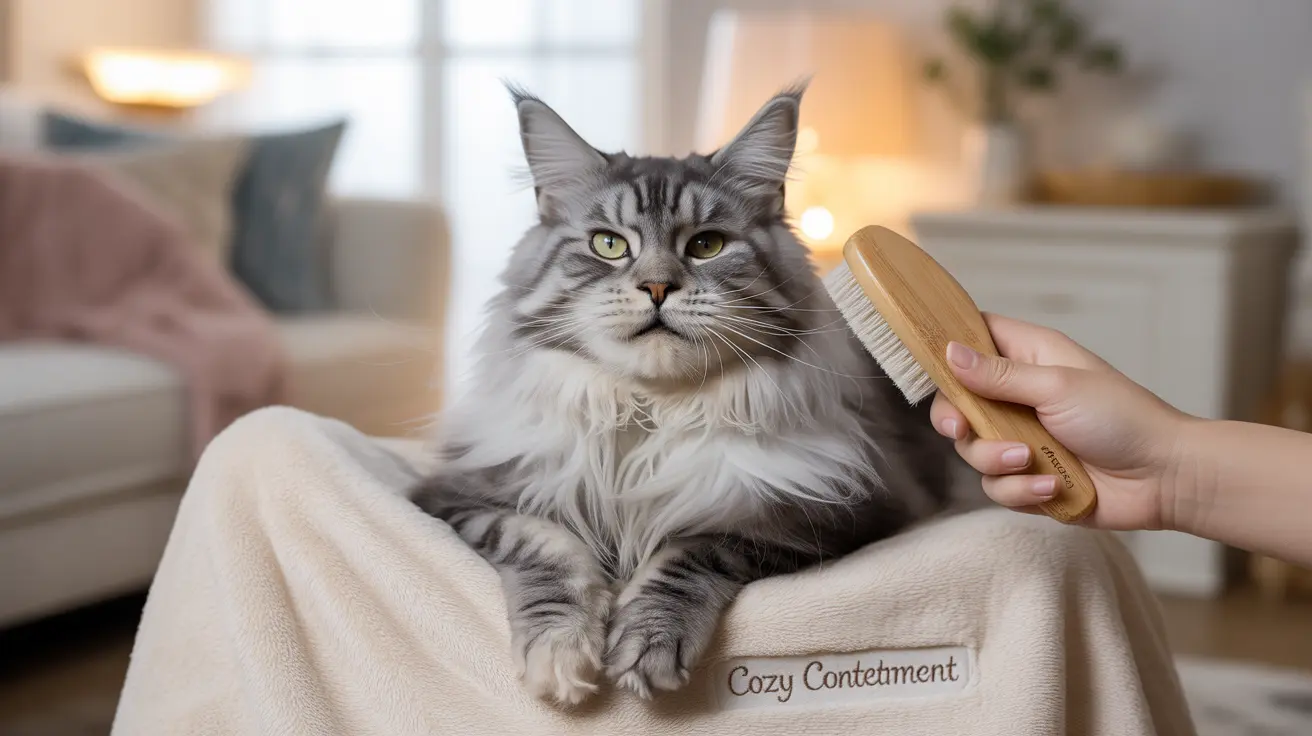
Choose a soft brush designed for sensitive skin. Brush gently in the direction of fur growth. Use short strokes and avoid pulling on tangles. Stop if your cat shows signs of pain or stress. Brushing removes loose fur and prevents matting.
Cleaning Sensitive Areas
Use a damp, soft cloth to clean eyes, ears, and nose. Wipe gently to avoid irritation. For dirty paws or tail, use a mild pet-safe wipe. Avoid water near open wounds or irritated skin. Keep these areas dry and clean to prevent infection.
Handling Matted Fur Safely
Matteds can be painful, so approach with care. Use your fingers to loosen small mats before brushing. For large mats, try cutting them carefully with rounded scissors. Never pull hard on the fur. If mats are severe, consult your vet or groomer.
Credit: www.petscare.com
Managing Stress During Grooming
Grooming a sick cat requires more than just gentle hands; managing stress is crucial to make the experience safe and comfortable. Cats are sensitive creatures, and illness can make them even more vulnerable to anxiety during grooming. Paying attention to their emotional state helps you avoid resistance and keeps the grooming process smooth.
Recognizing Stress Signals
Knowing how your cat shows stress can save both of you from a difficult grooming session. Look for signs like:
- Flattened ears or rapid ear movement
- Hissing, growling, or sudden vocalizations
- Rapid breathing or panting
- Restlessness or attempts to escape
- Excessive licking or hiding
Sometimes, subtle signs like a twitching tail or dilated pupils can hint at growing anxiety. Have you noticed how your cat behaves just before grooming? Catching these signals early lets you pause and adjust your approach.
Calming Methods For Anxious Cats
Creating a calm environment is key to easing your cat’s nerves. Start by choosing a quiet room with familiar scents and minimal distractions. Soft lighting and a warm blanket can offer comfort.
Try gentle, slow movements and speak in a soothing voice throughout grooming. Using treats or a favorite toy can distract and reward your cat, turning grooming into a positive experience.
Some cats respond well to pheromone sprays or diffusers that mimic natural calming scents. If your cat is very sensitive, consider shorter grooming sessions spread over several days rather than one long one. Have you ever paused mid-groom to let your cat relax? Giving your cat breaks can prevent overwhelm and build trust.
When To Seek Veterinary Help
Signs like swelling, bleeding, or extreme discomfort mean a vet visit is needed. Grooming should stop if your cat shows severe pain or unusual behavior. Always ask a professional when unsure about your sick cat’s health during grooming.
When your feline friend is under the weather, grooming might be the last thing on your mind. However, knowing when to seek veterinary help is crucial. Cats often hide their discomfort, so you need to be vigilant. Unusual behavior during grooming can signal health issues. If your cat becomes aggressive or withdrawn, it’s time to consult a vet. Ignoring these signs could worsen their condition.Signs Grooming Should Be Avoided
Cats are typically fastidious groomers. If your cat suddenly stops grooming, it might indicate pain or illness. Check for signs like excessive shedding, matted fur, or skin irritations. Avoid grooming if your cat shows signs of distress or pain. Their comfort should always come first. Instead, focus on keeping them calm and consult a vet for guidance.Professional Grooming Options
Consider professional grooming if your cat is too sick to groom itself. Professionals know how to handle sick cats with care. They can offer services that ensure your pet stays clean without stress. Some groomers have special training for handling sick or anxious pets. This might be a worthwhile investment for your cat’s well-being. Make sure to discuss your cat’s health issues with the groomer beforehand. Is it really worth the risk to groom a sick cat yourself? Sometimes, leaving it to the experts is the best decision for your furry companion.Maintaining Hygiene Between Grooming Sessions
Maintaining your sick cat’s hygiene between grooming sessions is essential to keep them comfortable and prevent further health issues. When your cat isn’t feeling well, they may not groom themselves properly, leading to dirt buildup and potential skin problems. Taking small, regular steps to clean your cat gently can make a big difference in their recovery and overall well-being.
Spot Cleaning Techniques
Spot cleaning helps you address specific areas without stressing your cat with a full grooming session. Use a damp, soft cloth or pet-safe wipes to gently clean dirty spots like the face, paws, or rear end.
Focus on areas where your cat may have difficulty reaching, such as under the chin or around the eyes. Be gentle—rubbing too hard can irritate sensitive skin, especially if your cat is sick. You might find it easier to clean one small area at a time, giving your cat breaks to avoid overwhelming them.
Have you noticed your cat avoiding certain spots? That might signal pain or discomfort, so adjust your cleaning accordingly or consult your vet.
Monitoring Health Changes
Keeping an eye on your cat’s skin and coat condition between grooming sessions can reveal important health clues. Look for signs like redness, swelling, unusual odors, or excessive shedding, which might suggest an infection or other issues.
Track any changes in appetite, energy, or behavior alongside grooming. These observations help you decide if your cat needs a vet visit sooner rather than later. By paying close attention, you can catch problems early before they worsen.
Have you ever spotted a subtle change in your cat’s coat that turned out to be a sign of illness? Your daily observations are more powerful than you might think.
Frequently Asked Questions
How Often Should I Groom A Sick Cat?
Groom a sick cat gently every 2-3 days. This prevents matting and promotes comfort. Avoid overhandling to reduce stress.
What Grooming Tools Are Safe For Sick Cats?
Use soft brushes and damp cloths. Avoid sharp combs or tools that might hurt sensitive skin. Keep tools clean and sanitized.
Can Grooming Help Improve A Sick Cat’s Health?
Yes, grooming stimulates blood flow and removes dirt. It also helps you monitor skin changes and detect issues early.
How To Handle A Sick Cat During Grooming?
Be calm and gentle. Speak softly and take breaks if the cat resists. Use minimal restraint to avoid stress.
Conclusion
Grooming a sick cat takes patience and gentle care. Small steps help your cat feel safe and calm. Use soft brushes and warm cloths to clean gently. Watch for signs of discomfort or pain during grooming. Keep sessions short to avoid stressing your cat.
Always follow your vet’s advice for the best care. Regular grooming supports your cat’s health and comfort. It shows your love and helps catch problems early. Caring for a sick cat builds trust and makes healing easier. Remember, kindness is the key to successful grooming.

Leave a Reply