Grooming your short-haired cat might seem simple, but doing it the right way can make a big difference in your pet’s health and happiness. You want your cat to look sleek and feel comfortable, and the grooming routine you follow plays a key role.
You’ll discover easy, practical tips that save you time and keep your furry friend purring with contentment. Ready to learn how to make grooming a stress-free and enjoyable experience for both you and your cat? Let’s dive in!
Benefits Of Grooming Short Hair Cats
Grooming a short hair cat offers many benefits beyond keeping your pet clean. Regular grooming helps maintain your cat’s overall health and well-being. It also creates a chance to check your cat for any skin problems or parasites. Spending time grooming your cat can make your bond stronger and improve their mood.
Improved Coat Health
Brushing short hair cats removes dirt and loose hair. It helps distribute natural oils across the coat. This keeps the fur shiny and smooth. Grooming also prevents hair mats and skin irritation. A healthy coat means your cat feels better and looks great.
Reduced Shedding
Regular grooming catches loose hairs before they fall around your home. This cuts down on the amount of cat hair on furniture and clothes. Short hair cats shed less with frequent brushing. It helps keep your living space cleaner and reduces allergens.
Bonding Time
Grooming is a quiet time to connect with your cat. It helps build trust and comfort between you both. Your cat enjoys the gentle touch and attention. This shared moment can reduce stress and make your cat feel safe.
Essential Grooming Tools
Grooming a short hair cat needs the right tools for a smooth and safe process. Proper tools make grooming easier and more comfortable for your cat. They help keep your cat’s coat healthy and clean.
Understanding which tools to use is important. Each tool has a special role in the grooming routine. Using the correct tools protects your cat’s skin and fur from damage.
Choosing The Right Brush
Select a brush with soft bristles or rubber tips. These are gentle on short fur and skin. A slicker brush or a fine-toothed comb works well. They help remove loose hair and dirt without hurting your cat.
Look for brushes that fit your hand comfortably. This helps you groom your cat with better control and less stress.
Using Nail Clippers
Use small, sharp nail clippers made for cats. They give clean cuts and reduce splitting. Avoid human or large clippers as they can hurt your cat.
Trim nails carefully to avoid the quick. The quick is a sensitive part inside the nail. Cutting it causes pain and bleeding.
Recommended Cleaning Supplies
- Pet-friendly wipes for quick cleaning
- Ear cleaning solution to keep ears healthy
- Soft towels for drying after baths
- Gentle shampoo made for cats
Use supplies that are safe and made for cats only. Harsh chemicals can irritate your cat’s skin.
Preparing Your Cat For Grooming
Preparing your short-haired cat for grooming is essential to make the experience smooth and stress-free for both of you. It’s not just about the tools or techniques; it’s about setting the right mood and approach before you even touch their fur. Taking time to prepare helps your cat feel safe and more cooperative during grooming.
Creating A Calm Environment
Find a quiet spot where your cat feels comfortable and secure. Turn off loud noises like the TV or radio to avoid startling them. Soft lighting and a familiar surface, like their favorite blanket or bed, can make a big difference.
Have you noticed how your cat reacts to sudden sounds or busy places? Minimizing distractions helps them focus and stay calm. You might even try playing gentle classical music or white noise to soothe their nerves.
Handling Techniques
Approach your cat slowly and speak in a soft, reassuring voice. Let them sniff your hands before you start touching them. Use gentle strokes and avoid sudden movements that could scare them.
Try holding your cat in a way that supports their body without squeezing. For example, cradle them on your lap or use one hand to steady their chest while grooming with the other. If your cat resists, pause and give them a break before continuing.
Timing And Frequency
Choose a time when your cat is naturally relaxed, like after a nap or a meal. Avoid grooming sessions when they are hyperactive or hungry. Short, frequent sessions work better than long, infrequent ones.
How often should you groom your short-haired cat? Once or twice a week is usually enough to keep their coat shiny and skin healthy. Regular grooming also helps you catch any skin issues early, like dryness or irritation.
Step-by-step Grooming Process
Grooming a short-haired cat keeps them clean and healthy. It also helps you bond with your pet. A regular grooming routine removes loose fur and dirt. It prevents hairballs and skin problems. The process is simple and quick with the right steps.
Brushing Techniques
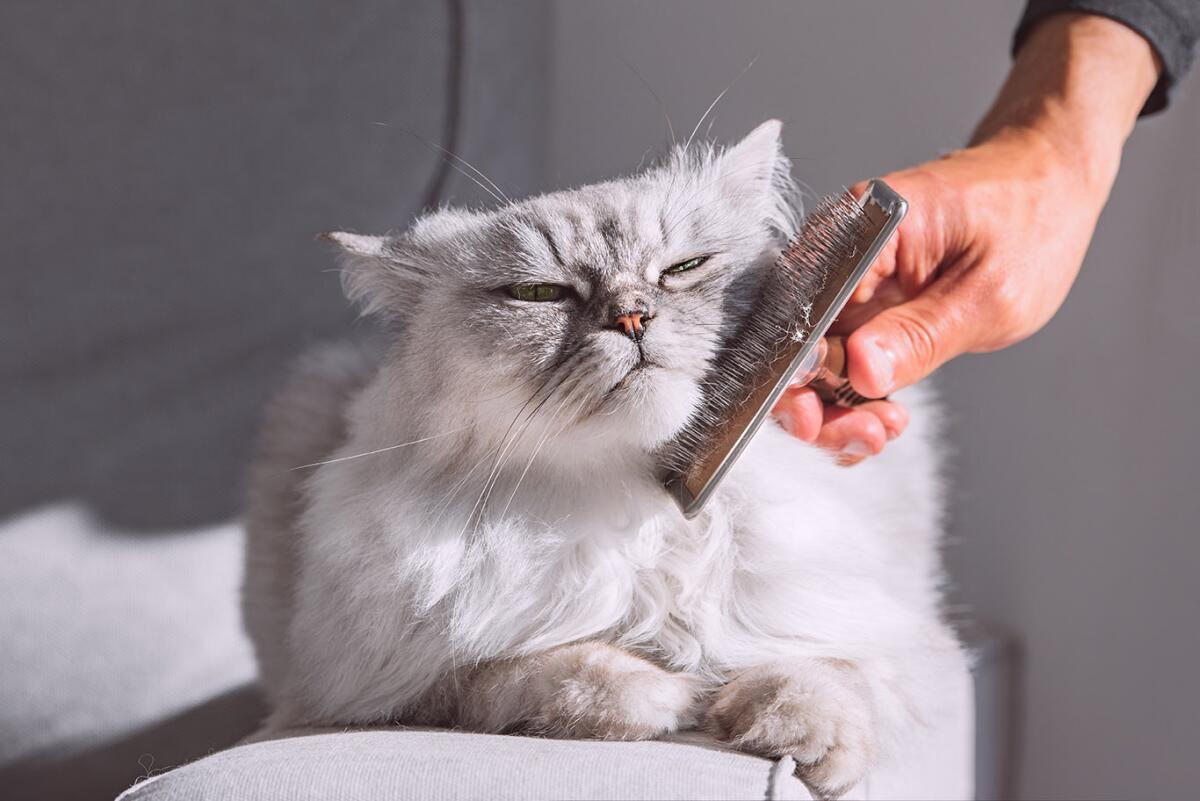
Use a soft-bristle brush or rubber grooming glove. Brush gently in the direction of hair growth. Focus on areas like the neck, back, and tail. Brushing once or twice a week is enough. It removes loose hairs and stimulates skin oils. Watch your cat’s reaction to keep them calm.
Bathing Tips
Bathing is rarely needed for short-haired cats. Only bathe if your cat is dirty or has a skin issue. Use warm water and a mild cat shampoo. Wet your cat slowly, avoiding the head. Lather gently and rinse well. Dry your cat with a towel and keep them warm.
Cleaning Ears And Eyes
Check ears weekly for dirt or wax buildup. Use a damp cotton ball to wipe the outer ear. Never insert anything inside the ear canal. For eyes, use a clean, damp cloth to wipe away discharge. Watch for redness or swelling. Consult a vet if you notice anything unusual.
Diet And Supplements For A Shiny Coat
Diet and Supplements for a Shiny Coat A balanced diet helps keep a short hair cat’s coat shiny and healthy. Omega-3 fatty acids and regular grooming improve fur quality. Supplements like fish oil can add extra luster to their coat.
A shiny coat is not just a sign of a healthy short hair cat; it’s a testament to their overall well-being. While grooming tools play their part, what you feed your feline friend significantly impacts their coat’s luster. Diet and supplements are crucial in ensuring your cat’s fur remains sleek and shiny.Nutritional Needs
Your short hair cat’s diet should be rich in proteins and essential nutrients. Cats are obligate carnivores, meaning they thrive on a diet that primarily consists of meat. Consider feeding them high-quality cat food that lists meat as the first ingredient. Look for products that provide a balanced mix of vitamins and minerals. These nutrients are vital for maintaining a healthy coat.Omega Fatty Acids
Omega fatty acids, particularly Omega-3 and Omega-6, are your allies in achieving a glossy coat. These can be found in fish oils and certain plant oils. Adding a small amount of salmon oil or flaxseed oil to your cat’s food can make a noticeable difference. You might wonder if supplements are necessary. If your cat’s diet lacks these essential fats, supplements can help fill the gap.Hydration Importance
Never underestimate the power of hydration. A well-hydrated cat is more likely to have a healthier coat. Ensure fresh water is always available and consider incorporating wet food into their diet to boost their water intake. Dehydration can lead to dry, brittle fur. Keep an eye on your cat’s water consumption to ensure they’re getting enough. Is your cat’s coat as shiny as you’d like it to be? Reflect on their diet and hydration habits. Making a few adjustments could lead to a noticeable improvement.Common Grooming Challenges
Grooming a short hair cat seems easy, but some challenges often arise. Understanding these common issues helps keep your cat comfortable and healthy. Regular care reduces stress for both you and your cat.
Dealing With Shedding
Short hair cats shed less than long hair cats but still lose fur daily. Shedding can increase during seasonal changes. Use a soft brush to remove loose hair gently. Regular brushing helps control hair around the house. It also reduces hairballs your cat may develop.
Handling Sensitive Areas
Some cats dislike touching certain spots like the belly or paws. These areas can be sensitive or ticklish. Approach these zones slowly and calmly. Use gentle strokes and watch your cat’s reaction. Stop if your cat shows signs of discomfort. Patience builds trust and makes grooming easier.
Managing Matting
Short hair cats rarely get mats, but mats can form near collars or under legs. Check your cat’s coat regularly for small knots. Use a comb to gently work out mats without pulling hair. For tough mats, use scissors carefully or seek professional help. Prevent mats by brushing often and keeping your cat clean.
When To Seek Professional Help
Knowing when to seek professional help is vital for keeping your short-haired cat healthy and comfortable. Some grooming needs go beyond regular brushing and nail trimming. Recognizing the signs that require expert care can save your cat from discomfort and prevent serious health issues.
Recognizing Skin Issues
Watch your cat’s skin closely during grooming sessions. If you notice redness, swelling, scabs, or persistent scratching, these could be signs of skin problems. Dry patches or unusual hair loss might also indicate an underlying issue.
Ignoring these signs can lead to infections or worsen your cat’s condition. Have you ever spotted a rash but weren’t sure if it needed a vet? When in doubt, it’s better to get a professional opinion.
Professional Grooming Services
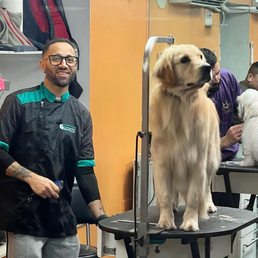
Sometimes, your cat’s coat or nails need more than just your care at home. Professional groomers have the right tools and experience to handle mats, tough dirt, or overgrown claws safely. They can also provide services like ear cleaning and dental checks that are tricky to do alone.
If your cat is nervous or fidgety, a groomer’s calm approach can make the experience less stressful. Think about how much easier grooming could be with a skilled professional on your side.
Veterinary Advice
Your vet is the best person to turn to when grooming reveals health concerns. If your cat shows signs of pain, swelling, or unusual lumps during grooming, schedule a vet visit promptly. Vets can diagnose skin infections, allergies, or other medical issues that affect your cat’s coat and comfort.
Regular vet check-ups can also include professional grooming advice tailored to your cat’s specific needs. Are you confident in identifying when a simple grooming problem is actually a health issue? A vet’s guidance can make all the difference.
Frequently Asked Questions
How Often Should I Groom My Short Hair Cat?
Groom your short hair cat once a week to remove loose fur. Regular grooming reduces shedding and prevents hairballs. It also helps monitor skin health and keeps their coat shiny and smooth.
What Tools Are Best For Grooming Short Hair Cats?
Use a soft-bristle brush or rubber grooming mitt for short hair cats. These tools gently remove loose fur and dirt. Avoid harsh brushes that can irritate their sensitive skin.
Can Grooming Help Reduce My Cat’s Shedding?
Yes, regular grooming significantly reduces shedding. Brushing removes loose hair before it falls off. This keeps your home cleaner and your cat more comfortable.
How Do I Make Grooming Stress-free For My Cat?
Create a calm environment and use gentle strokes. Start with short sessions and reward your cat with treats. Patience and positive reinforcement make grooming enjoyable for your pet.
Conclusion
Grooming a short-haired cat keeps them healthy and happy. Regular brushing removes loose fur and prevents hairballs. It also helps you check for skin issues or pests. Use gentle strokes to make grooming a calm experience. Keep sessions short to avoid stressing your cat.
Clean their ears and trim nails carefully. A clean cat feels comfortable and loved. Make grooming part of your routine. Your cat will thank you with purrs and trust. Simple care makes a big difference in your cat’s life.

Leave a Reply