
Grooming a mean cat can feel like a tricky challenge. You want your furry friend to look and feel their best, but their attitude might make it tough.
What if you could turn those hisses and scratches into calm moments? In this guide, you’ll discover simple, effective ways to groom your cat without stress or struggle. By the end, you’ll have the tools to make grooming easier for both you and your cat — even if they’re a little feisty.
Ready to transform your grooming routine? Let’s dive in.

Credit: nationalcatgroomers.com
Preparing Your Cat
Grooming a cat with a feisty personality can be challenging, but preparing your cat properly makes all the difference. The right preparation helps reduce stress for both you and your cat, turning grooming from a battle into a bonding moment. Let’s look at how to get your cat ready before you even touch the brush.
Creating A Calm Environment
Your cat’s mood depends heavily on the environment you set up. Choose a quiet room where your cat feels safe, away from loud noises and distractions. Soft lighting and a warm spot can help your cat relax and stay still.
Have you noticed how your cat reacts differently in various rooms? Use that to your advantage by picking a place your cat already likes. Sometimes playing gentle music or talking softly can ease tension.
Gathering Essential Tools
Before grooming, gather everything you’ll need so you don’t have to leave your cat unattended. Essential tools usually include a slicker brush, comb, nail clippers, and some treats for positive reinforcement.
Keep your tools within arm’s reach and make sure they are clean and in good condition. If your cat has sensitive skin, choose a brush with softer bristles to avoid discomfort. How often do you check your grooming tools for wear and tear?
Timing Your Grooming Sessions
Picking the right time to groom your cat is crucial. Try to schedule sessions when your cat is naturally calm, such as after a meal or a nap. Avoid times when your cat is hyperactive or stressed.
Short sessions work best. Start with just a few minutes and gradually increase the time as your cat gets used to grooming. This helps build trust and makes grooming less overwhelming for your cat. What time of day does your cat seem most relaxed?

Credit: petradioshow.com
Handling A Feisty Cat
Handling a feisty cat requires calmness and understanding. Cats with strong personalities can resist grooming. Their behavior may seem aggressive or defensive. Knowing how to approach them makes grooming easier. Patience and gentle techniques help build trust. Start by observing your cat’s signals closely. Avoid forcing actions that cause stress. A calm environment supports a smoother grooming session.
Reading Cat Body Language
Watch the tail and ears carefully. A flicking tail shows irritation or excitement. Flattened ears mean fear or anger. Dilated pupils signal stress or alertness. Hissing or growling warns to stop. Relaxed posture means the cat feels safe. Look for slow blinking as a sign of trust. Knowing these signs helps you decide when to pause or continue.
Using Gentle Restraints
Use soft towels or blankets to hold your cat. Wrap the cat gently to limit sudden moves. Avoid tight or harsh holds that cause panic. Support the cat’s body firmly but kindly. Keep one hand free to groom or stroke. Change positions slowly to avoid startling your cat. Gentle restraint prevents scratches and keeps both safe.
Staying Patient And Calm
Speak softly to soothe your cat. Take breaks if your cat becomes restless. Reward good behavior with soft treats or praise. Keep your movements slow and steady. Never rush the grooming process. Your calm energy helps your cat relax. Over time, the cat learns grooming is safe and pleasant.
Brushing Techniques
Gentle strokes with a soft brush help calm a mean cat during grooming. Focus on short sessions and avoid sensitive spots to build trust. Brushing removes loose fur and reduces hairballs for a healthier coat.
Grooming a cat that isn’t too fond of the brush can be quite a challenge. But with the right techniques, you can make the process smoother for both you and your feline friend. Brushing is not just about keeping their coat neat; it’s also an opportunity to bond with your pet. Let’s dive into effective brushing techniques that can help you tackle the task with confidence.Choosing The Right Brush
Selecting the right brush is crucial. Cats have different fur types, and using the wrong brush can make grooming uncomfortable. A slicker brush is great for long-haired cats, while a bristle brush suits short-haired ones. Test a few brushes to see which one your cat tolerates best. Pay attention to your cat’s reactions and adjust accordingly. Remember, the goal is to make brushing a pleasant experience, not a dreaded chore.Dealing With Mats And Tangles
Mats and tangles can be a nightmare for both you and your cat. Instead of pulling and causing discomfort, gently work through them with your fingers first. Then, use a comb with wide teeth to loosen the knot. Patience is key when dealing with these stubborn spots. If your cat becomes agitated, take a break and try again later. This approach prevents stress and builds trust over time.Brushing Sensitive Areas
Some areas are more sensitive than others, like the belly and tail. Approach these spots with extra care. Use gentle, slow strokes and observe your cat’s body language. If your cat becomes uncomfortable, pause and offer a treat to create a positive association. Gradually increase the time spent on these areas as your cat becomes more accustomed. This careful approach can transform grooming from a battle into a bonding activity. Are you ready to turn your cat’s grooming time into a peaceful ritual? With these techniques, you can make brushing a moment both you and your furry friend look forward to.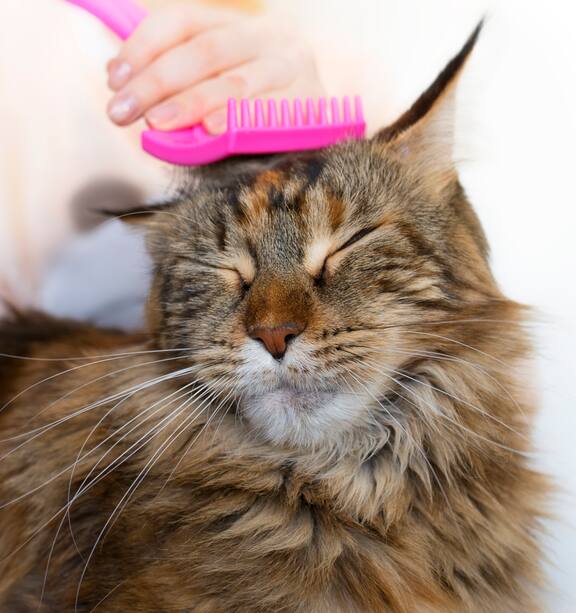
Credit: www.nzherald.co.nz
Bathing Tips
Bathing a mean cat might sound like a challenge, but with the right approach, it can become a manageable task. The key is to make the experience as calm and controlled as possible for both you and your cat. Here are some practical bathing tips to help you navigate this tricky process smoothly.
Preparing For The Bath
Set up your bathing area before bringing your cat in. Use a sink or a small tub with a non-slip mat to prevent slipping. Keep everything within reach—towels, shampoo, and a cup for rinsing—so you don’t have to leave your cat unattended.
Try to trim your cat’s nails beforehand to reduce scratches. Wear long sleeves if needed. Have a helper if your cat tends to be extra feisty, as an extra pair of hands can make a big difference.
Using Cat-friendly Shampoo
Choose a shampoo specifically made for cats. Human or dog shampoos can irritate their sensitive skin. Look for gentle formulas with natural ingredients like aloe vera or oatmeal.
Apply a small amount and lather gently, avoiding the eyes, ears, and mouth. Rinse thoroughly to remove all soap residue, which can cause itching or discomfort. If your cat struggles, speak softly and offer soothing strokes to calm them down.
Drying Your Cat Safely
Wrap your cat in a soft, absorbent towel immediately after the bath. Pat gently rather than rubbing to avoid tangling fur or causing irritation. Some cats tolerate a hairdryer on the lowest, coolest setting, but be cautious and watch for signs of stress.
Give your cat a quiet space to finish drying. This helps them relax and prevents them from shaking water all over your home. Have treats ready to reward their cooperation and build positive associations with bath time.
Nail Care
Nail care is a crucial part of grooming a mean cat, yet it often triggers stress for both you and your feline friend. Proper nail maintenance prevents injury to your cat and avoids damage to your furniture. Understanding how to handle this task gently can make a big difference in your cat’s behavior during grooming sessions.
Trimming Without Stress
Start by choosing a quiet, comfortable spot where your cat feels safe. Use calm, reassuring tones and gentle strokes to relax your cat before touching their paws. Try trimming nails right after a nap when your cat is naturally more relaxed.
Keep sessions short and positive. If your cat resists, stop and try again later rather than forcing the issue. Have treats ready to reward calm behavior, helping your cat associate nail trimming with positive experiences.
Handling Claws Carefully
Hold your cat’s paw firmly but gently to avoid sudden movements that can cause injury or frighten your cat. Press the pad lightly to extend the claw for easier trimming. Be mindful of the quick—the pink area inside the nail that contains nerves and blood vessels.
If your cat has dark claws and the quick is hard to see, trim small amounts at a time to avoid cutting too deep. Have styptic powder or cornstarch on hand to stop bleeding if you accidentally nick the quick.
Using Alternatives To Clippers
If nail clippers aren’t working for your cat, try alternatives like nail grinders or files. Nail grinders can be less intimidating and allow you to smooth nails gradually without sharp clipping sounds. However, introduce grinders slowly, letting your cat get used to the noise and vibration first.
Some cats respond well to scratching posts designed to wear down nails naturally. This can reduce the frequency of trims and keep your cat’s claws in good shape. What creative solutions have you tried to keep your cat’s nails healthy without a struggle?
Dental Hygiene
Dental hygiene plays a key role in keeping a mean cat healthy and happy. Bad breath and gum disease can cause pain and affect your cat’s mood. Regular dental care helps prevent these problems and keeps teeth strong.
Many cats dislike having their mouths touched. Patience and gentle care are needed to keep their teeth clean. Start slow and create a routine that your cat can accept.
Introducing Toothbrushing
Begin by letting your cat get used to your hand near its mouth. Use a soft cloth or finger brush first. Let the cat sniff and lick the brush or cloth. Next, try brushing a few teeth gently for a few seconds.
Keep sessions short and calm. Praise and reward your cat after each try. Slowly increase brushing time as your cat becomes more comfortable.
Choosing The Right Products
Use toothpaste made specifically for cats. Human toothpaste can harm your cat. Choose a small, soft-bristled toothbrush or a finger brush. These fit better in a cat’s mouth.
Some cats prefer flavored toothpaste like poultry or fish. Try different options to find what your cat likes best. Avoid strong minty flavors.
Maintaining Regular Cleaning
Brush your cat’s teeth at least two to three times a week. Daily brushing is best but may take time to achieve. Consistency helps keep plaque and tartar away.
Check your cat’s mouth often for redness or swelling. Visit the vet for professional cleanings if needed. Good dental care supports your cat’s overall health.
Managing Aggression
Managing aggression in a mean cat is key to successful grooming sessions. Aggressive behavior can make grooming stressful for both you and your cat. Understanding the causes and calming your cat can make grooming easier and safer.
Identifying Triggers
Watch your cat closely to find what causes aggression. Common triggers include loud noises, sudden movements, or certain touch areas. Note the time and situation when your cat acts out. This helps avoid or reduce those triggers during grooming.
Using Calming Aids
Calming aids can help reduce stress and aggression. Try pheromone sprays or diffusers designed for cats. Soft music or gentle talking can also soothe your cat. Use these aids before and during grooming to keep your cat calm.
Seeking Professional Help
Sometimes aggression needs expert care. A vet or animal behaviorist can provide advice and treatment. They may suggest medications or special training techniques. Don’t hesitate to get help for your cat’s well-being and your safety.
Building A Routine
Building a grooming routine for a mean cat might seem impossible, but it’s actually the key to turning hostility into cooperation. Establishing a predictable pattern helps your cat know what to expect, reducing anxiety and resistance. You’ll notice that patience combined with structure slowly changes how your cat reacts to grooming sessions.
Consistency Benefits
Consistency is your strongest tool. Groom your cat at the same time and place daily or every other day. Cats thrive on routine, and regular sessions make grooming feel less like a surprise attack.
By sticking to a schedule, your cat starts associating grooming with calmness instead of stress. This lowers aggressive reactions over time and builds trust. Have you noticed how your own mood changes with a steady routine? Your cat feels the same way.
Incorporating Playtime
Adding short play sessions before grooming can change your cat’s mood dramatically. Use toys that get your cat moving and distracted, like feather wands or laser pointers.
This physical activity helps release pent-up energy and eases tension. Play also strengthens your bond, making your cat more willing to accept grooming afterward. What kind of play does your cat respond to best?
Rewarding Good Behavior
Positive reinforcement is crucial when dealing with a mean cat. Offer treats, gentle petting, or soft praise right after grooming to create a positive connection.
Rewards teach your cat that good behavior during grooming leads to pleasant outcomes. Start with small rewards and gradually increase the time between grooming and treats to encourage calmness without expecting instant gratification.
How can you tailor rewards to your cat’s preferences to make grooming less of a battle?
Frequently Asked Questions
How Can I Safely Groom A Mean Cat At Home?
Start by creating a calm environment and using gentle, slow movements. Use gloves if needed to protect yourself. Offer treats to reward good behavior. Gradually introduce grooming tools to build trust and reduce stress for your mean cat.
What Grooming Tools Work Best For Aggressive Cats?
Use soft brushes and combs designed for sensitive skin. Avoid loud or vibrating tools that may scare your cat. Consider grooming gloves to minimize scratches. Choose tools that allow gentle grooming to keep your cat calm and cooperative.
How Often Should I Groom A Mean Cat?
Groom your mean cat weekly to prevent matting and reduce shedding. Frequent grooming helps your cat get used to the process. Adjust frequency based on your cat’s coat type and behavior. Regular grooming promotes a healthier coat and skin.
How Do I Calm A Mean Cat During Grooming?
Speak softly and move slowly to avoid startling your cat. Use pheromone sprays or diffusers to create a relaxing atmosphere. Take breaks if your cat becomes agitated. Patience and consistency help your cat feel secure during grooming.
Conclusion
Grooming a mean cat takes patience and care. Start slow and stay calm. Use gentle touches and watch your cat’s mood. Short sessions work better than long ones. Keep grooming tools ready and clean. Praise your cat with soft words or treats.
Regular grooming helps your cat stay healthy and happy. Over time, your cat may trust you more. Small steps lead to big progress. Keep trying and enjoy the bond you build. Grooming becomes easier with practice and love.


Leave a Reply