If you have a long-haired cat, you know how quickly their fur can get tangled and matted. Those mats aren’t just ugly—they can cause your cat pain and discomfort.
You might feel overwhelmed or unsure about how to fix the problem without hurting your furry friend. But don’t worry—this guide will show you simple, effective steps to groom your matted long-haired cat safely. By the end, you’ll feel confident in keeping your cat’s coat smooth, healthy, and comfortable.
Keep reading to learn exactly what you need to do right now.
Credit: alexthecatgroomer.com
Preparing For Grooming
Preparing to groom a matted long-haired cat sets the tone for a smoother experience. Taking time to get ready helps reduce stress for both you and your feline friend. It’s about being organized, patient, and gentle from the start.
Gathering Necessary Tools
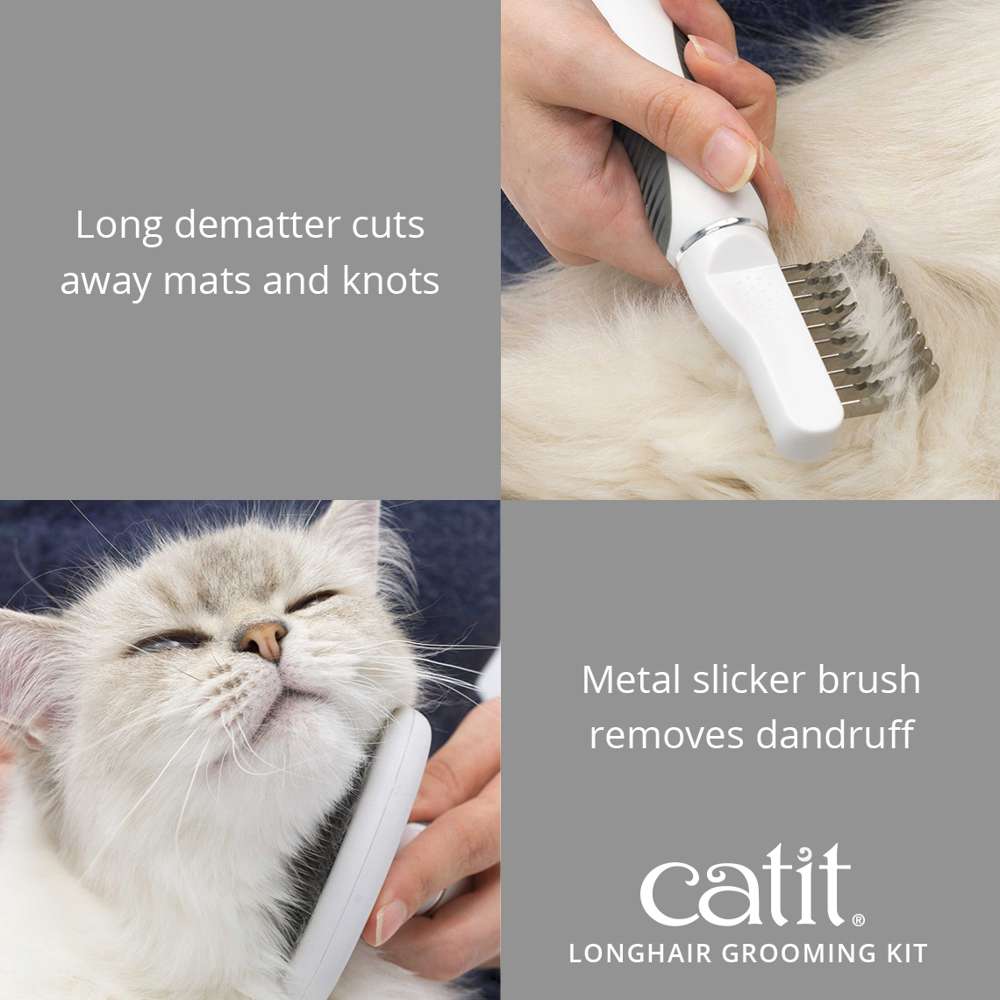
Before you begin, collect all grooming tools in one spot. You’ll need a wide-toothed comb to detangle, a slicker brush to remove loose fur, and blunt-nosed scissors for tough mats. Having treats handy can encourage your cat to stay calm and cooperative.
Don’t forget grooming gloves or a towel to protect yourself from scratches. Preparing everything beforehand means fewer interruptions and a more focused grooming session.
Creating A Calm Environment
Your cat’s comfort depends heavily on the environment you create. Choose a quiet, well-lit space where your cat feels safe. Soft background noise, like gentle music or a ticking clock, can help soothe nervous cats.
Try to keep the room warm and free from distractions. Have you noticed how your cat reacts to different sounds or places? Use that knowledge to pick the best spot for grooming.
Assessing The Cat’s Coat Condition
Take a close look at your cat’s fur before you start. Identify the size, location, and severity of mats. This assessment helps you decide whether you can handle the grooming at home or if a professional’s help is needed.
Look for any signs of skin irritation or wounds beneath the mats. Knowing what you’re dealing with keeps your cat safe and makes the grooming process more effective.

Credit: www.latimes.com
Dealing With Matted Fur
Matted fur is a common issue for long-haired cats. It happens when hair tangles and knots tightly. These mats can cause discomfort and skin problems. Handling matted fur requires patience and the right tools. Knowing how to identify mats helps in removing them safely. Using detangling sprays can make the process easier. Gentle techniques protect your cat’s skin and fur. This section explains how to deal with matted fur effectively.
Identifying Different Types Of Mats
Mats come in various sizes and tightness levels. Some mats are loose and easy to comb. Others are tight and painful to remove. Look for these common mat types:
- Loose mats:Soft tangles that can be brushed out.
- Tight mats:Dense knots that pull on the skin.
- Sticky mats:Mats mixed with dirt or debris.
Check areas like behind the ears, under the legs, and around the collar. These spots often develop mats first.
Using Detangling Sprays
Detangling sprays help soften matted fur. They reduce pulling and make combing easier. Choose sprays made for cats only. Avoid human hair products, as they may irritate.
Spray gently on the matted area. Let it sit for a few minutes. This loosens the knots and smooths the fur. Use a wide-tooth comb to start working through the mats.
Techniques For Gentle Mat Removal
Use patience to avoid hurting your cat. Start by holding the fur close to the skin. This reduces tugging on sensitive areas. Use your fingers to loosen small knots. Then, use a comb or mat splitter carefully.
- Work from the outside of the mat toward the center.
- Do not pull or force the comb through tight knots.
- Cut mats only if absolutely necessary, using blunt scissors.
- Keep sessions short and calm to prevent stress.
Reward your cat with treats and praise after grooming. Regular brushing helps prevent mats from forming again.
Brushing And Combing Tips
Brushing and combing a matted long-haired cat is essential to keep their coat healthy and comfortable. You need patience and the right tools to make this task easier for both you and your cat. Regular grooming prevents future mats and helps you bond with your furry friend.
Selecting The Right Brush
Choosing the right brush is crucial. A slicker brush works well to loosen mats without hurting your cat’s skin. For tougher mats, a wide-toothed comb can help gently separate the tangles.
Think about your cat’s coat thickness and sensitivity. Soft-bristle brushes are great for sensitive skin, while metal combs are better for dense fur. Have both types ready to switch as needed.
Step-by-step Brushing Process
Start by calming your cat in a quiet space. Begin brushing from the neck and work your way down in small sections. This approach helps you catch mats early before they tighten.
Use slow, gentle strokes and hold the base of the fur close to the skin to reduce pulling. When you hit a mat, don’t yank—work it out little by little with your fingers or the comb.
If your cat resists, take breaks and offer treats. This helps build trust and makes grooming less stressful over time.
Avoiding Common Grooming Mistakes
One common mistake is brushing too quickly or roughly, which can hurt your cat and cause fear. Avoid skipping mats or forcing a brush through a tough tangle; it’s better to work slowly or trim the mat carefully if needed.
Never use scissors to cut mats without experience—one wrong move can injure your cat. Also, don’t wait too long between grooming sessions. Regular brushing keeps mats manageable and your cat happy.

Credit: www.amazon.ca
Handling Difficult Cats
Grooming a matted long-haired cat can be tough, especially if the cat is scared or upset. Some cats do not like being touched or held for long. Staying calm and patient helps both you and your cat during grooming. Understanding your cat’s feelings makes the process easier and safer.
Recognizing Stress Signals
Watch your cat’s body language closely. Signs of stress include:
- Flattened ears
- Hissing or growling
- Swishing or twitching tail
- Wide eyes or dilated pupils
- Trying to escape or hide
Stopping grooming at the first sign of stress prevents fear and injury. Gentle touches and slow movements keep your cat calm.
Using Treats And Positive Reinforcement
Use treats to create a positive connection with grooming. Give small treats during breaks or after brushing. Praise your cat softly to build trust.
- Choose favorite treats for motivation
- Offer treats before, during, and after grooming
- Speak softly and use a calm tone
This helps your cat feel safer and more relaxed over time.
When To Seek Professional Help
Some mats are too tight or painful to remove at home. If your cat becomes very aggressive or scared, it is safer to get help. Professional groomers or vets have the tools and experience to handle difficult cases.
Look for:
- Severe mats close to the skin
- Skin irritation or wounds
- Cat showing extreme fear or aggression
Professional grooming keeps your cat comfortable and prevents injury.
Preventing Future Mats
Regular brushing keeps your cat’s fur smooth and tangle-free. Use a wide-tooth comb to gently remove small knots before they become mats. Creating a calm grooming routine helps prevent future tangles and keeps your cat comfortable.
Preventing mats in a long-haired cat requires consistent care. Regular grooming and a balanced diet help maintain a healthy coat. This, along with routine vet visits, ensures your cat stays mat-free.Establishing A Grooming Routine
A daily grooming routine is essential. Use a soft brush to detangle fur. Focus on common mat-prone areas like underarms and belly. Regular brushing not only prevents mats but also strengthens your bond.Diet And Coat Health
Diet impacts your cat’s fur health. Provide food rich in omega fatty acids. These nutrients promote a shiny and healthy coat. Ensure your cat’s diet includes high-quality proteins.Regular Vet Checkups
Regular vet visits help monitor your cat’s overall health. Vets can spot skin issues early. They can provide advice on maintaining a mat-free coat. Regular checkups keep your cat healthy and happy.Frequently Asked Questions
How Do I Safely Detangle A Matted Cat?
Use a wide-tooth comb and gently work through mats. Start from the edges, never pull harshly. Use detangling spray for easier combing. Patience is key to avoid hurting your cat.
When Should I Seek Professional Grooming Help?
If mats are large, close to the skin, or your cat resists grooming, seek a professional. Professionals have tools and skills to handle tough mats safely and reduce stress for your cat.
Can I Prevent Mats In Long-haired Cats?
Yes, regular brushing, at least 3-4 times a week, prevents mats. Keep your cat’s coat clean and check for tangles often. Proper nutrition and hydration also support healthy fur.
What Tools Are Best For Grooming Matted Cats?
Use a wide-tooth comb, slicker brush, and detangling spray. Avoid scissors to prevent accidental cuts. Professional grooming tools are designed to handle mats gently and effectively.
Conclusion
Grooming a matted long-haired cat takes time and patience. Start gently and work slowly to avoid hurting your cat. Use the right tools to make the process easier. Regular grooming helps prevent mats from forming again. Your cat will feel more comfortable and happy.
Remember, small steps lead to big improvements. Keep grooming a part of your routine. Your cat will thank you with a softer, cleaner coat. Care and attention make all the difference.




Leave a Reply