If you have a long-haired cat, you know how important grooming is to keep their coat healthy and beautiful. But choosing the right brushes and knowing how to use them can feel tricky.
You want your cat to enjoy the process, not dread it. In this guide, you’ll discover simple, effective ways to groom your long-haired cat using the best brushes. By the end, you’ll have the confidence to keep your cat’s fur smooth, tangle-free, and shining—making grooming a bonding moment you both look forward to.
Keep reading to unlock the secrets of stress-free grooming!
Choosing The Right Brush
Choosing the right brush for your long-haired cat is essential to keep their coat healthy and tangle-free. Not all brushes work the same, and picking the wrong one can make grooming uncomfortable for your cat and frustrating for you. Understanding the different types of brushes and their uses will make your grooming sessions easier and more effective.
Types Of Brushes For Long Hair
Long-haired cats need brushes that can reach through their thick fur to remove tangles and loose hair. The main types include:
- Slicker Brushes:Fine, short wires close together to gently remove mats and loose fur.
- Wide-tooth Combs:Great for detangling and removing stubborn knots without pulling too hard.
- Bristle Brushes:Good for smoothing the coat and distributing natural oils, but less effective on mats.
Choosing a combination of these tools often works best. Have you noticed how your cat reacts to different brushes? That’s a good hint on what to use.
Benefits Of Slicker Brushes
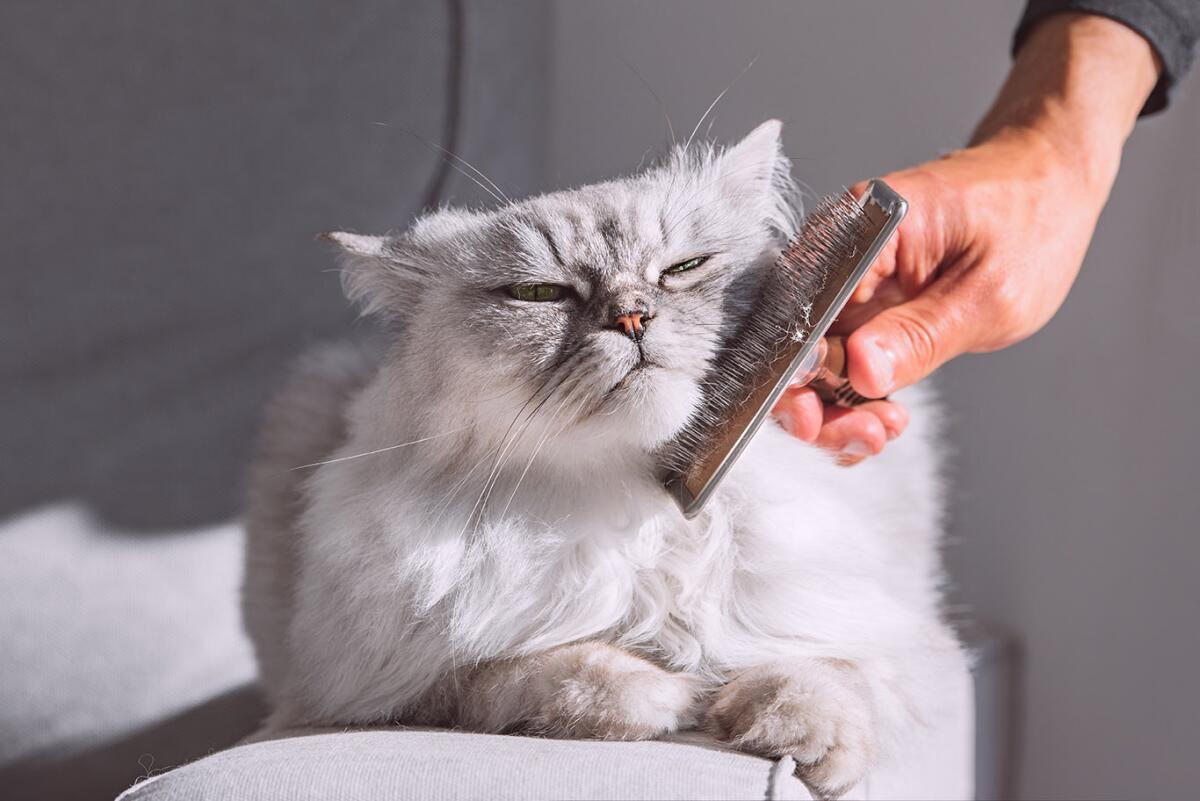
Slicker brushes are a favorite among cat owners with long-haired pets. Their fine wire bristles are designed to get deep into the fur without scratching the skin.
They work well at removing loose hair and preventing mats before they become serious. Using a slicker brush regularly reduces shedding around your home and keeps your cat’s coat shiny.
When I switched to a slicker brush for my Maine Coon, grooming became quicker and more comfortable for both of us. Have you tried a slicker brush on your cat’s thick coat yet?
When To Use A Comb
Combs are especially useful after brushing with a slicker brush. They help to spot any remaining knots and gently work them out.
Use a wide-tooth comb on damp fur to detangle safely without causing pain. It’s also handy around sensitive areas like behind the ears and under the legs.
Try combing your cat’s fur after grooming sessions to check for hidden tangles. This small step prevents painful mats and keeps your cat comfortable.
Preparing Your Cat For Grooming
Preparing your long-haired cat for grooming is essential to make the experience smooth and stress-free for both of you. Cats can be sensitive to new sensations, so setting the stage carefully helps build trust and cooperation. Taking a few moments to prepare will turn grooming from a chore into a bonding opportunity.
Creating A Calm Environment
Choose a quiet room where your cat feels safe and undisturbed. Turn off loud appliances and close windows to reduce outside noise. Soft lighting and a familiar blanket or bed can help your cat relax.
Have you noticed how your cat reacts to different spaces? Picking the right spot is more important than you might think.
Getting Your Cat Comfortable
Spend some time petting your cat gently before you start grooming. Let your cat sniff the brush and get used to its presence. Using treats or soft praise can make your cat associate grooming tools with positive experiences.
Remember, patience is key. If your cat pulls away, pause and try again later rather than forcing the session.
Gathering Grooming Supplies
Collect all the brushes, combs, and scissors you will need before you begin. Having everything at hand prevents interruptions that could unsettle your cat. Choose brushes designed specifically for long-haired cats to avoid pulling on their fur.
- Slicker brush to remove loose hair
- Wide-toothed comb for detangling
- Dematting tool if your cat has knots
- Soft towel to wrap your cat if needed
Keeping your tools organized makes the grooming process quicker and less stressful for your cat.
Step-by-step Grooming Process
Grooming a long-haired cat might seem challenging at first, but breaking the process down into clear steps makes it easier for both you and your feline friend. A consistent routine helps keep your cat’s coat shiny, healthy, and free from painful mats. Let’s dive into the grooming process to make your sessions smoother and more enjoyable.
Brushing Techniques
Start by choosing the right brush—slicker brushes and wide-toothed combs work best for long-haired cats. Hold your cat gently but firmly, so they feel secure without being restrained.
Brush in the direction of hair growth using long, smooth strokes. Don’t rush; take your time to cover all areas, including the belly and under the legs. Notice how your cat reacts—if they seem uncomfortable, slow down or switch to a softer brush.
- Brush small sections at a time to avoid missing spots.
- Use a comb to check for hidden tangles after brushing.
- Reward your cat with treats to build a positive association.
Dealing With Mats And Tangles
Mats can form quickly, especially behind the ears and around the collar area. Never pull hard on mats; it hurts your cat and can make grooming a nightmare next time.
Instead, gently tease apart tangles using your fingers first. For stubborn mats, use a dematting tool or scissors carefully—only if you’re confident and calm.
If a mat is too tight or close to the skin, consider seeking professional help. Have you noticed a particular spot your cat tends to mat? Focusing extra attention there can prevent bigger problems.
Handling Sensitive Areas
Areas like the belly, tail, and face are often sensitive for cats. Approach these spots with extra care and patience.
Use a soft brush or your fingers to groom these parts slowly. Speak softly and pause if your cat becomes restless.
Touching sensitive areas regularly in a gentle way can help your cat get used to the feeling and reduce stress over time. How does your cat react to being touched in these spots? Tailoring your approach to their comfort can make a big difference.
Maintaining Your Cat’s Coat
Maintaining your cat’s coat is key to keeping them healthy and happy. Long-haired cats need special care to prevent mats and tangles. A smooth, shiny coat shows good grooming and proper health.
Regular brushing removes loose hair and dirt. It also helps spread natural oils, which keep the fur soft. Grooming sessions are a great time to bond with your cat.
Regular Grooming Schedule
Brush your long-haired cat at least three times a week. Daily brushing is best during shedding seasons. Use a wide-toothed comb to detangle, then a soft brush to smooth the fur.
Check for mats, especially behind the ears and under the legs. Trim mats carefully or ask a vet for help. Consistent grooming reduces hairballs and skin problems.
Bathing Tips For Long Hair
Bath your cat only when necessary, such as when dirty or oily. Use cat-specific shampoo to avoid skin irritation. Wet the fur gently and rinse thoroughly to remove all soap.
Dry your cat with a towel and use a hairdryer on low heat if they tolerate it. Keep the bathing area warm to prevent chills. Reward your cat after the bath to make it positive.
Diet And Coat Health
A balanced diet supports a shiny, healthy coat. Foods rich in omega-3 and omega-6 fatty acids improve fur texture. Protein helps build strong hair and skin.
Fresh water is essential for hydration and skin health. Consider supplements like fish oil after consulting your vet. Healthy eating shows in your cat’s fur and overall well-being.
Common Grooming Challenges
Long-haired cats often develop mats and tangles that cause discomfort. Grooming brushes can miss stubborn knots, making regular care essential. Patience and gentle brushing help keep their fur smooth and healthy.
Grooming a long-haired cat can be both a rewarding and challenging task. These fluffy companions often require extra care to maintain their beautiful coats and overall health. However, understanding the common grooming challenges can make the process smoother for both you and your feline friend.Dealing With Shedding
Long-haired cats are notorious for shedding, which can quickly cover your home in a layer of fur. Regular brushing is key to minimizing this issue. Using a high-quality brush designed for long-haired cats can help capture loose hair before it ends up on your furniture. Make grooming a daily routine to keep shedding under control. This not only helps with hair management but also strengthens your bond with your cat. Have you ever tried brushing your cat while watching TV? It’s a simple way to multitask and keep your home fur-free.Managing Hairballs
Hairballs are a common problem for long-haired cats, often caused by ingesting loose hair during grooming. You can reduce hairballs by brushing your cat regularly to remove excess hair. A special hairball-reducing diet can also make a big difference. Consider adding a hairball remedy to your cat’s routine. These often come in tasty treats or gels that your cat will enjoy. What creative solutions have you found to prevent hairballs in your furry friend?Signs Of Skin Issues
Long-haired cats can sometimes suffer from skin issues hidden beneath their thick coats. Regular grooming allows you to spot signs of irritation, redness, or unusual lumps early. Pay attention to your cat’s behavior during grooming; if they flinch or show discomfort, it might indicate a problem. Ensure their skin is healthy by maintaining a consistent grooming schedule. This not only keeps their coat in top condition but also helps in identifying any potential health issues. Have you noticed any unusual signs during grooming that made you consult a vet? By understanding and addressing these common grooming challenges, you can ensure your long-haired cat stays healthy, happy, and looking their best.When To Seek Professional Help
Grooming a long-haired cat can be rewarding but sometimes challenging. There are moments when professional help becomes necessary. Knowing when to seek expert care protects your cat’s health and comfort. It also keeps their coat shiny and free of mats.
Recognizing Grooming Difficulties
Watch for signs that grooming is too hard at home. Your cat may resist brushing strongly. Mats might form quickly and cause pain. Skin irritation or wounds can appear under thick fur. Your cat might hide or act stressed during grooming. These signs show that professional grooming is needed.
Choosing A Professional Groomer
Look for groomers who have experience with long-haired cats. Check reviews and ask for recommendations. A good groomer uses gentle tools and techniques. They should handle your cat calmly and safely. Discuss your cat’s specific needs before the appointment. This ensures the best care and comfort for your pet.
Frequently Asked Questions
What Is The Best Brush For Long-haired Cats?
The best brush for long-haired cats is a slicker brush. It removes tangles, mats, and loose fur gently. A wide-toothed comb helps with tough knots. Regular brushing prevents hairballs and keeps the coat shiny.
How Often Should You Brush A Long-haired Cat?
Brush your long-haired cat at least 3 to 4 times a week. Frequent brushing prevents mats and reduces shedding. Daily brushing is ideal during heavy shedding seasons. Consistency keeps your cat comfortable and healthy.
How Do You Avoid Hurting A Cat While Brushing?
Use gentle strokes and a soft brush to avoid pain. Start brushing slowly and reward your cat with treats. Avoid pulling mats; instead, detangle carefully with a comb. Always watch your cat’s reactions to ensure comfort.
Can Brushing Reduce Hairballs In Long-haired Cats?
Yes, regular brushing reduces hairballs by removing loose fur. It prevents your cat from ingesting excessive hair during grooming. This helps maintain digestive health and reduces vomiting caused by hairballs.
Conclusion
Grooming a long-haired cat needs patience and the right brushes. Regular brushing keeps fur smooth and stops mats from forming. Choose soft, gentle brushes to avoid hurting your cat. Brush in the direction of hair growth for comfort. Make grooming a calm, daily habit to build trust.
Your cat will feel happier and look better too. Small steps make a big difference in care. Keep your cat’s coat clean, shiny, and tangle-free with ease. Simple tools and kindness go a long way.

Leave a Reply