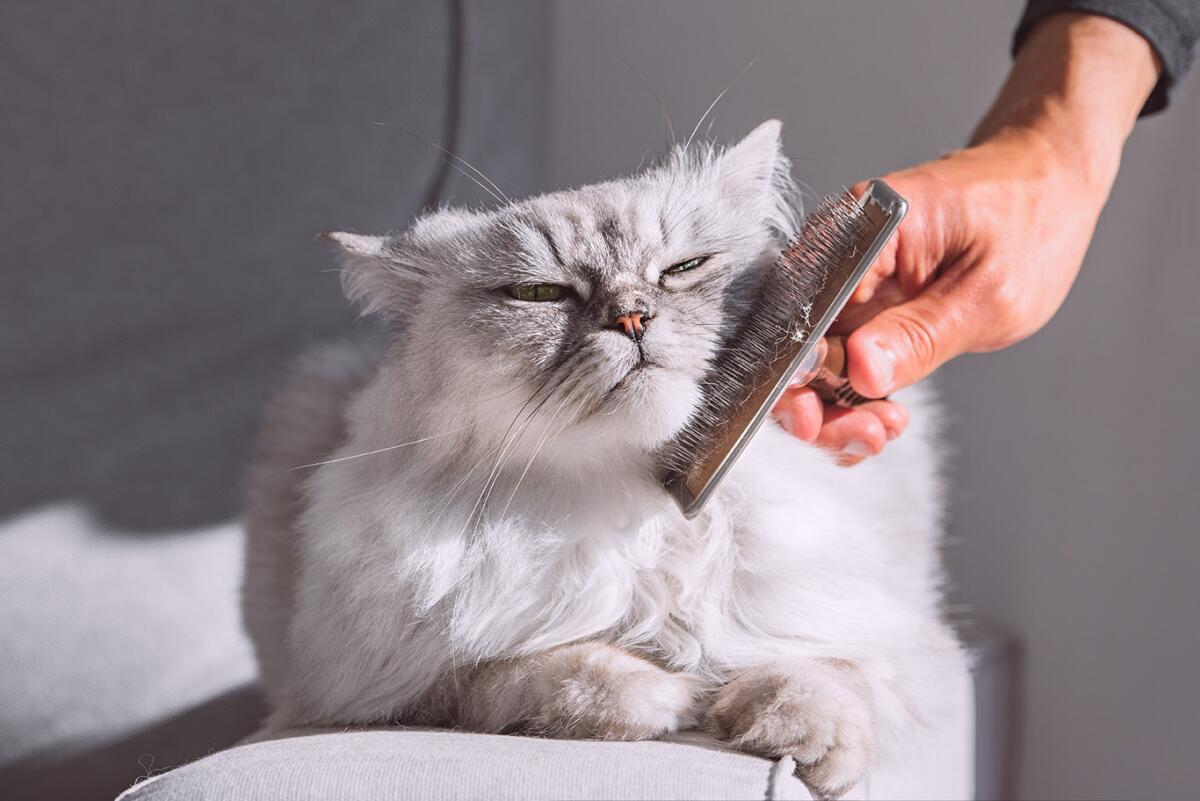
If you have a hypoallergenic cat, you know how special they are—and how important it is to keep them well-groomed. Grooming your cat isn’t just about making them look good; it helps reduce allergens, keeps their coat healthy, and strengthens the bond between you.
But how do you groom a hypoallergenic cat the right way? You’ll discover simple, effective tips that make grooming easy and stress-free for both you and your furry friend. Ready to learn the secrets to a happier, healthier cat? Keep reading!
Choosing The Right Hypoallergenic Cat
Choosing the right hypoallergenic cat is key to managing allergies while enjoying the companionship of a feline friend. Not all hypoallergenic cats are the same, and your choice will affect how much grooming and care your pet needs. Understanding the differences between breeds and allergy factors helps you find a cat that fits your lifestyle and keeps sneezing at bay.
Popular Hypoallergenic Breeds
Some cat breeds are known for producing fewer allergens, making them better suited for allergy sufferers. The Siberiancat, for example, has a lower level of the Fel d 1 protein, which triggers allergic reactions in many people.
- Balinese:Often called the “long-haired Siamese,” this breed sheds less and produces fewer allergens.
- Russian Blue:Known for its dense coat, it releases fewer allergens than many other cats.
- Devon Rex:Has a curly, short coat that traps loose hair and dander.
- Oriental Shorthair:Has a fine coat and minimal shedding, reducing allergen spread.
Each breed has unique grooming needs, so knowing these will help you prepare your routine. Which breed’s personality and care demands match your home?
Considerations For Allergies
Allergies don’t just depend on the cat’s breed. Individual sensitivity varies greatly, so spending time with a cat before adoption is crucial. This hands-on experience helps you gauge your reaction in real time.
Regular grooming plays a big role in controlling allergens. Cats that shed less still produce dander, which carries allergens. Brushing your cat frequently and bathing them occasionally can reduce dander around your home.
Think about your environment too. Using air purifiers and cleaning surfaces often reduces allergen buildup. Can you commit to these extra steps to keep your allergies in check while living with a cat?

Credit: www.addocats.com
Essential Grooming Tools
Grooming a hypoallergenic cat requires the right tools for a smooth experience. Proper tools keep your cat comfortable and healthy. They also reduce allergens in your home. Having these essentials makes grooming easier and safer.
Brushes And Combs
Choose brushes and combs designed for hypoallergenic cats. Soft bristle brushes help remove loose hair gently. A fine-toothed comb can catch small tangles and dander. Regular brushing prevents hair mats and reduces shedding.
- Slicker brushes for delicate fur
- Wide-tooth combs for detangling
- Rubber brushes to massage skin
Bathing Supplies
Select mild shampoos made for sensitive skin and hypoallergenic cats. Avoid harsh chemicals that can irritate your cat’s skin. Use a gentle sponge or washcloth for easy cleaning. Warm water helps relax your cat and removes allergens effectively.
- Hypoallergenic cat shampoo
- Non-slip bath mat
- Soft towels for drying
Nail Care Equipment
Keep your cat’s nails trimmed to prevent scratching injuries. Use sharp, small clippers made for cats. Nail files smooth rough edges after clipping. Proper nail care supports your cat’s comfort and safety.
- Cat nail clippers or scissors
- Emery boards or nail files
- Styptic powder for emergencies
Daily Grooming Routine
Keeping your hypoallergenic cat well-groomed every day helps reduce allergens and keeps their coat healthy. A daily grooming routine builds trust between you and your cat, making the process smoother over time. It also helps you spot any skin issues or discomfort early on.
Brushing Techniques
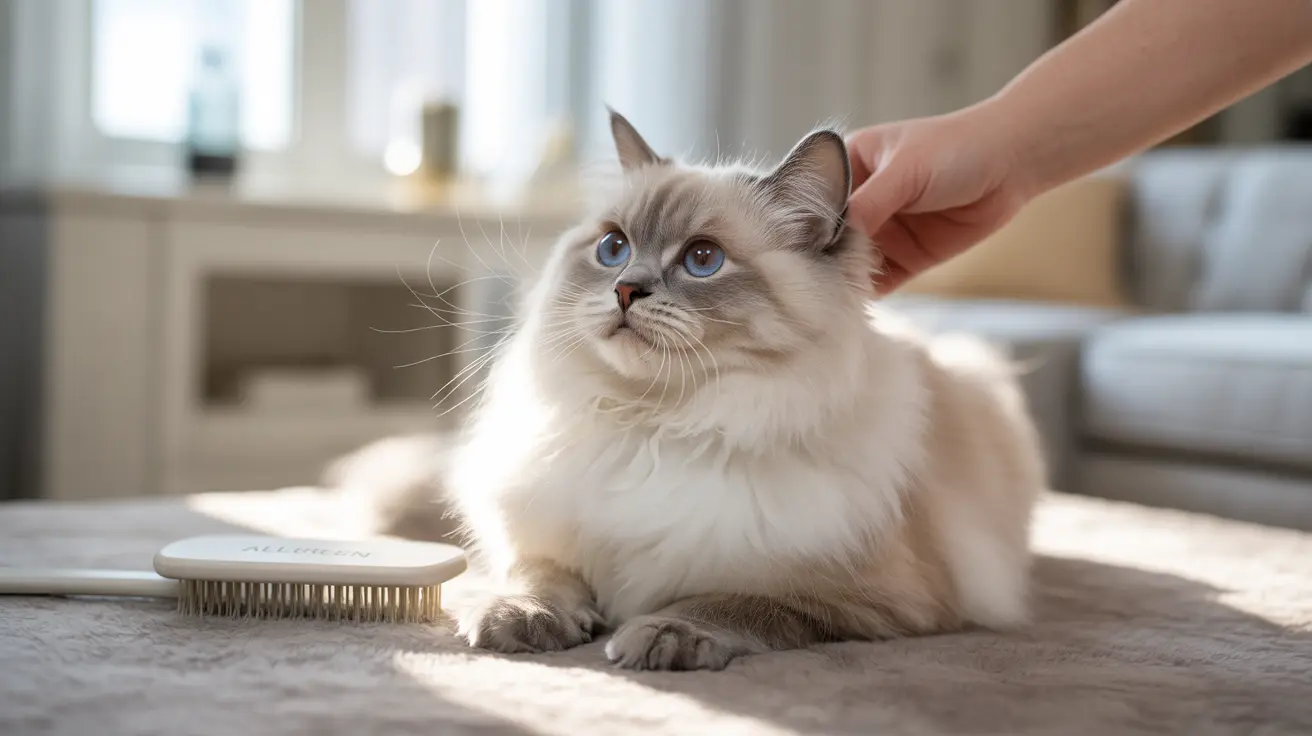
Choose a brush designed for hypoallergenic cats, often softer and less likely to irritate sensitive skin. Brush gently in the direction of the fur growth to avoid pulling or hurting your cat. Pay special attention to areas where loose fur gathers, such as behind the ears and under the legs.
Short, frequent brushing sessions work better than long ones. Your cat will be more relaxed, and you reduce the risk of stressing them out. Notice how your cat reacts—if they seem uncomfortable, switch to a softer brush or reduce the session length.
Cleaning Sensitive Areas
Hypoallergenic cats still need care around their eyes, ears, and paws to prevent irritations. Use a damp, soft cloth or pet-safe wipes to gently clean these spots daily. Avoid harsh chemicals or soaps that might trigger allergies or damage delicate skin.
Check inside the ears for wax buildup or redness, and wipe carefully without pushing too deep. Wiping around the eyes removes tear stains and keeps your cat comfortable. You might find that cleaning these areas daily makes your cat look brighter and feel fresher.
Credit: www.petscare.com
Bathing Your Hypoallergenic Cat
Grooming a hypoallergenic cat involves gentle bathing with cat-friendly shampoo to minimize allergens. Regular brushing keeps their coat clean and reduces shedding, making it easier to maintain their health.
Bathing your hypoallergenic cat requires special attention. These cats produce fewer allergens, but regular baths help maintain their coat and skin health. Bathing removes allergens and keeps your cat comfortable. Understanding the right way to bathe your cat ensures a stress-free experience.Frequency And Timing
Bath your hypoallergenic cat every four to six weeks. This schedule keeps their skin healthy and reduces allergens. Choose a time when your cat feels calm. Avoid bathing after meals or during playtime. A relaxed cat makes the process smoother.Choosing The Right Shampoo
Select a shampoo specifically for cats. Hypoallergenic shampoos are gentle on their skin. Avoid products with strong scents or harsh chemicals. Test a small amount first to ensure no allergic reaction. The right shampoo keeps your cat’s coat clean and soft.Drying Methods
After bathing, gently towel-dry your cat. Use a soft towel to avoid irritation. For long-haired cats, a pet-safe hair dryer on low heat works. Keep the dryer at a safe distance. Ensure your cat is completely dry to prevent colds. Drying properly keeps your cat cozy and healthy.Maintaining Healthy Fur
Maintaining healthy fur is essential for hypoallergenic cats to stay comfortable and look their best. Their coats need regular care and proper nourishment to prevent dryness and shedding. A strong, shiny coat also helps reduce allergens in the environment.
Healthy fur depends on more than just brushing. It starts with what your cat eats and drinks. Supplements can also support the coat’s condition. Paying attention to these areas keeps your cat’s fur soft and vibrant.
Diet And Nutrition
A balanced diet provides the building blocks for healthy fur. Choose high-quality cat food with real protein sources. Proteins help repair skin and fur cells.
Include foods rich in omega-3 and omega-6 fatty acids. These fats reduce inflammation and improve coat shine. Avoid fillers and artificial additives that can irritate the skin.
Hydration Tips
Water is vital for skin and fur health. Dehydration causes dryness and dullness. Always offer fresh, clean water daily.
Some cats prefer running water. Consider a cat water fountain to encourage drinking. Wet cat food also increases fluid intake, helping maintain hydration.
Supplements For Fur Health
Supplements can boost your cat’s coat quality. Fish oil capsules provide omega-3 fatty acids. They support skin moisture and reduce itching.
Biotin and vitamin E improve fur strength and texture. Consult your vet before adding supplements to avoid overdosing. Natural supplements work best for long-term fur health.
Handling Shedding And Dander
Handling shedding and dander is essential when grooming a hypoallergenic cat. Although these cats produce fewer allergens, managing the hair and skin flakes they do shed helps keep your home cleaner and your allergies under control. Paying close attention to these details can make living with your feline friend much more comfortable.
Reducing Shedding
Regular brushing is your best tool to reduce shedding. Use a gentle brush designed for your cat’s fur type to remove loose hair before it falls around your home.
Bathing your cat occasionally can also help control shedding. Use a mild shampoo made for cats to avoid drying out their skin, which can increase shedding.
Nutrition plays a big role too. Feeding your cat high-quality food rich in omega-3 and omega-6 fatty acids supports healthy skin and fur, leading to less hair loss.
Managing Allergens
Dander is the main cause of allergic reactions, so managing it is crucial. Wiping your cat gently with a damp cloth can remove some of the dander on their coat.
Cleaning your living space frequently reduces allergen buildup. Vacuum with a HEPA filter and wash your cat’s bedding weekly to keep dander levels low.
Consider using air purifiers to trap airborne allergens. These devices can make a noticeable difference in air quality, especially if you or someone in your home is sensitive to cat allergens.
Recognizing Grooming Challenges
Grooming a hypoallergenic cat has unique challenges. These cats may shed less but still need regular care. Recognizing grooming challenges early helps keep your cat healthy and happy. Watch for common problems like matting and skin issues. Understanding these signs makes grooming easier and more effective.
Dealing With Matting
Matting happens when fur tangles tightly. It causes discomfort and skin problems. Hypoallergenic cats may have fine or curly fur prone to mats. Regular brushing helps prevent mats from forming. Use a wide-tooth comb or brush designed for sensitive fur. Gently work through tangles to avoid pulling the cat’s skin.
- Brush at least twice a week
- Focus on areas behind ears, under legs, and belly
- Use detangling sprays made for cats if needed
- Trim mats carefully or seek professional help
Identifying Skin Issues
Hypoallergenic cats can still develop skin problems. Look for redness, bumps, or dry patches. Scratching or licking often signals discomfort. Allergies or infections cause many skin issues. Check for fleas or other parasites regularly. Keep your cat’s skin clean and hydrated with vet-recommended products. Early detection prevents serious conditions and improves your cat’s comfort.
When To Seek Professional Grooming
Knowing when to seek professional grooming for your hypoallergenic cat can save you time and prevent health issues. While regular at-home care is important, some situations demand expert help. Recognizing these moments ensures your cat stays comfortable and healthy.
Signs You Need A Groomer
Is your cat’s coat becoming matted despite regular brushing? Mats can pull at the skin and cause pain, making it tough for your cat to move or groom properly.
Look for excessive shedding or flaky skin that doesn’t improve with your care. These signs might indicate your cat needs a deep clean or specialized treatment.
If your cat shows signs of stress or discomfort during grooming, a professional might be better equipped to handle the situation gently and effectively.
Choosing A Grooming Service
Not all groomers have experience with hypoallergenic cats. Ask if they understand your cat’s specific coat and skin needs before booking an appointment.
Look for groomers who offer gentle handling and use hypoallergenic or fragrance-free products. This helps avoid skin irritation and allergic reactions.
Read reviews or get recommendations from other cat owners. A good groomer will communicate clearly and make you feel confident about leaving your cat in their care.

Credit: www.latimes.com
Frequently Asked Questions
How Often Should I Groom A Hypoallergenic Cat?
Groom your hypoallergenic cat at least once a week. Regular grooming reduces allergens, removes loose fur, and keeps their coat healthy. More frequent sessions help minimize dander buildup and improve skin condition.
What Grooming Tools Work Best For Hypoallergenic Cats?
Use a fine-toothed comb and a soft-bristle brush. These tools gently remove loose hair and dander without irritating sensitive skin. Avoid harsh brushes that may cause discomfort or damage their coat.
Can Grooming Reduce Allergic Reactions To Cats?
Yes, grooming significantly lowers allergen levels. Regular brushing removes dander and saliva residues that trigger allergies. Combined with cleaning your home, grooming helps allergy sufferers live comfortably with cats.
Should I Bathe My Hypoallergenic Cat?
Occasional baths can help, but not too often. Bathing removes allergens from the fur and skin. Use cat-safe shampoos and keep baths gentle to avoid drying their skin.
Conclusion
Grooming a hypoallergenic cat helps keep your home clean and fresh. Regular brushing reduces loose hair and dander. Bathing your cat occasionally can also lower allergens. Pay attention to your cat’s comfort during grooming. Use gentle tools made for sensitive skin.
Clean your cat’s bedding and living space often. These small steps make living with a hypoallergenic cat easier. Enjoy the bond with your pet without worry. Keep grooming simple, consistent, and caring for best results. Your cat will feel happy, and your home will stay allergen-free.




Leave a Reply