If you have a double coated cat, you know how beautiful—and thick—their fur can be. But keeping that dense coat healthy and tangle-free can feel like a big challenge.
You might wonder how often to brush, what tools to use, or how to keep shedding under control. This guide will give you simple, clear steps to make grooming easier for both you and your cat. By the end, you’ll feel confident in caring for your furry friend’s unique coat—and enjoy a happier, cleaner home.
Keep reading to discover the secrets to mastering double coated cat grooming!
Double Coated Cats Basics
Double coated cats have a unique fur type that needs special care. Their coats protect them from cold and heat. Understanding the basics helps keep their fur healthy and beautiful. Grooming double coated cats properly reduces shedding and matting.
Traits Of Double Coats
- Two layers of fur: a soft undercoat and a thicker topcoat
- The undercoat is dense and fluffy, providing insulation
- The topcoat has longer, coarser hairs that repel dirt and water
- Double coats keep cats warm in winter and cool in summer
- They need regular brushing to prevent tangles and mats
Common Breeds
- Maine Coon – large cats with thick, long fur
- Norwegian Forest Cat – robust cats with water-resistant coats
- Siberian – fluffy cats with a dense undercoat
- Ragdoll – soft double coats that feel silky
- British Shorthair – short but thick double coats
Seasonal Shedding Patterns
Double coated cats shed their undercoat twice a year. This usually happens in spring and fall. Shedding helps them adjust to changing temperatures. Grooming during these times removes loose fur and reduces hairballs. Regular brushing is key to managing heavy shedding seasons.
Essential Grooming Tools
Grooming a double coated cat requires the right set of tools to keep their fur healthy and tangle-free. Without the proper equipment, you might miss stubborn mats or cause discomfort to your feline friend. Choosing tools that suit your cat’s specific coat type can make grooming a smoother and more enjoyable experience for both of you.
Types Of Brushes
Double coated cats have two layers of fur: a soft undercoat and a coarser topcoat. You need brushes that can reach both layers effectively.
- Slicker Brusheswork wonders on the undercoat by removing loose hair and preventing mats.
- Bristle Brusheshelp smooth the topcoat and add shine.
- Pin Brushesare gentle and good for detangling without pulling too hard.
Think about your cat’s personality—if they’re sensitive, a softer bristle brush might keep grooming sessions calm.
Combs And Dematting Tools
Even with regular brushing, mats can sneak in. Combs and dematting tools are your best friends here.
- Wide-tooth Combsgently work through tangles without causing pain.
- Dematting Rakescut through stubborn mats safely and prevent fur loss.
- Mat Splittersbreak down large mats into smaller sections for easier removal.
Investing in quality dematting tools can save you from stressful grooming battles. Have you noticed your cat avoiding grooming because it hurts? These tools can make a difference.
Bathing Supplies
Baths aren’t always necessary for cats, but double coated breeds benefit from occasional washing to remove dirt and excess oils.
- Cat-specific Shampoomaintains skin health and coat softness without harsh chemicals.
- Conditionershelp reduce tangles and make brushing easier after a bath.
- Non-slip Matskeep your cat stable in the tub, reducing stress.
Have your bathing supplies ready before starting to keep the process quick and comfortable. Remember, patience and gentle handling during baths build trust and make future grooming easier.
Step-by-step Grooming Routine
Grooming a double coated cat requires a careful routine to keep its fur healthy. This routine helps remove loose hair and prevent mats. Regular grooming also reduces shedding and keeps your cat comfortable. Follow these easy steps to maintain your cat’s beautiful coat.
Brushing Techniques
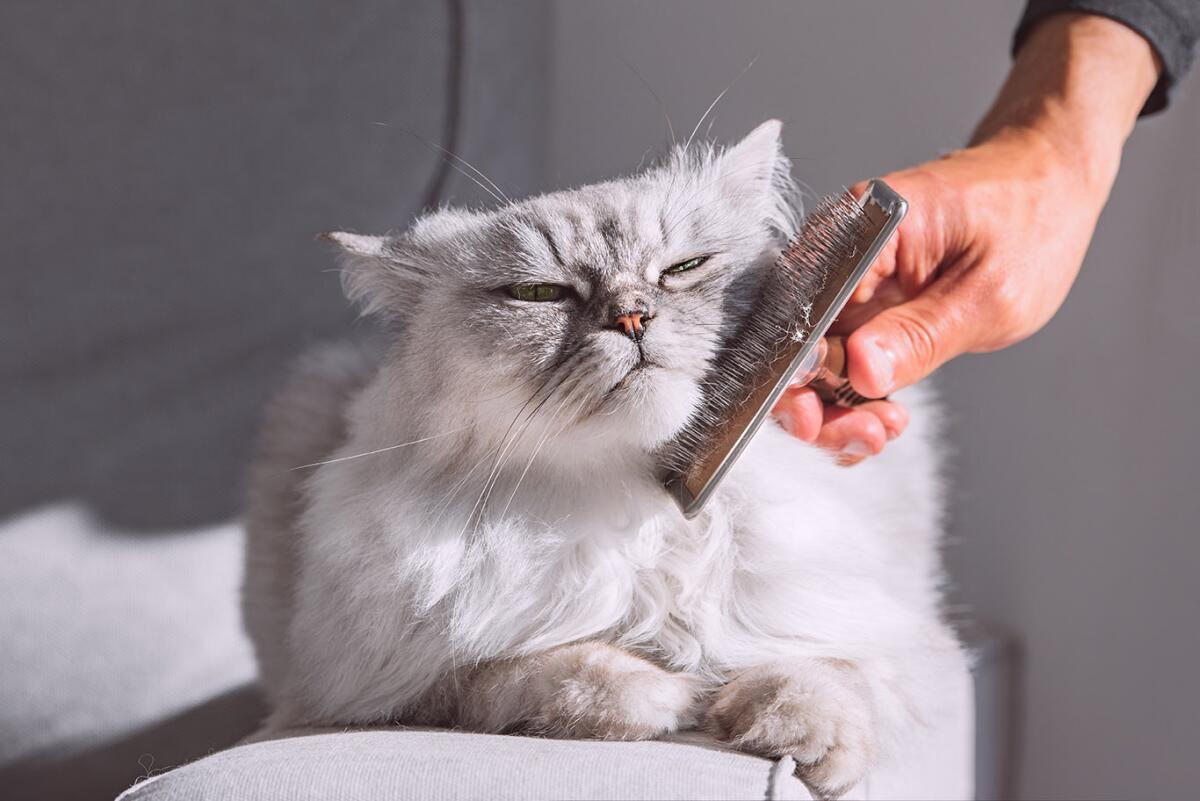
Use a slicker brush to remove loose undercoat hair. Brush gently to avoid hurting your cat’s skin. Start at the head and move toward the tail. Use long strokes along the fur’s natural direction. Pay special attention to areas behind ears and under legs. Use a wide-toothed comb to detangle any knots. Brush your cat at least twice a week for best results.
Bathing Tips
Choose a cat-safe shampoo designed for double coats. Wet your cat’s fur with lukewarm water thoroughly. Apply shampoo and lather gently, avoiding the eyes and ears. Rinse well to remove all shampoo residue. Bathing once every few months is enough unless your cat gets very dirty. Keep your cat calm by speaking softly during the bath.
Drying Methods
Use a soft towel to remove excess water after the bath. Pat the fur gently; do not rub harshly. If your cat tolerates it, use a low heat setting on a hair dryer. Keep the dryer moving to avoid burning the skin. Brush the fur while drying to prevent tangles. Make sure the coat is completely dry to avoid skin problems.
Managing Shedding And Mats
Managing shedding and mats is essential for keeping your double coated cat comfortable and looking their best. These cats naturally shed a lot, especially during seasonal changes, and their thick undercoat can easily tangle into mats if not cared for properly. Regular grooming not only prevents painful mats but also controls shedding, reducing the mess around your home.
Preventing Mats
Preventing mats starts with consistent brushing. Use a slicker brush or a comb designed for double coats to reach the dense undercoat without hurting your cat’s skin.
Brush your cat at least two to three times a week. Pay extra attention to areas where mats form quickly, like behind the ears, under the legs, and around the collar.
Adding a bit of grooming spray or detangler can help loosen fur and make brushing smoother. Have you noticed your cat avoiding grooming in certain spots? That might be where mats begin.
Safe Mat Removal
If you find a mat, don’t pull or cut it out hastily. Pulling can hurt your cat and damage their skin.
Start by gently working through the mat with your fingers or a mat splitter. If it’s stubborn, use a dematting comb carefully to break it apart without cutting the fur.
For very tight mats close to the skin, consider asking a professional groomer for help. Have you ever tried to remove a mat only to make it worse? It’s better to be cautious and gentle.
Dealing With Heavy Shedding
Heavy shedding can feel overwhelming, but regular grooming sessions can help you stay ahead. Brush your cat daily during peak shedding seasons to remove loose fur before it lands on your furniture.
Feeding your cat a balanced diet rich in omega-3 fatty acids can improve coat health and reduce shedding. Have you checked if your cat’s diet supports their skin and fur?
Using a vacuum with a pet hair attachment or a lint roller on your clothes and furniture can keep your home clean between grooming times.
Health And Skin Care
Grooming a double-coated cat goes beyond brushing. It’s essential for their overall health and skin care. Proper grooming ensures your cat’s skin stays healthy and their coat remains shiny. It also helps in detecting any underlying health issues early.
Checking For Skin Issues
Regularly inspect your cat’s skin for problems. Look for redness, bumps, or flakes. These can indicate allergies or infections. Early detection helps in timely treatment. Pay attention to unusual scratching or licking. These behaviors often signal discomfort.
Diet And Coat Health
A balanced diet supports your cat’s coat health. Ensure their food includes omega-3 and omega-6 fatty acids. These nutrients promote a shiny and healthy coat. Fresh water is also crucial. Hydration helps maintain skin elasticity and fur quality.
When To Visit A Vet
Some skin issues need professional care. If you notice persistent problems, consult a vet. Sudden hair loss or bald spots require immediate attention. Regular vet visits also ensure your cat’s overall well-being. They can provide specific advice for grooming and health care.
Grooming Frequency And Scheduling
Grooming a double coated cat requires a clear schedule to keep their fur healthy and clean. Setting a grooming frequency helps reduce mats and shedding. It also keeps your cat comfortable and happy. Understanding how often to groom depends on several factors like coat type and season.
Daily Vs Weekly Grooming
Daily grooming works well for cats with thick, long double coats. It prevents tangles and removes loose fur before it mats. A quick brush daily keeps the coat shiny and skin healthy. For cats with shorter or less dense coats, weekly grooming is enough. Weekly sessions focus on checking for mats and cleaning the fur. Regular grooming reduces hairballs and makes your cat feel calm.
Seasonal Adjustments
Double coated cats shed more during seasonal changes. Spring and fall are peak shedding times. Increase grooming frequency during these months to manage loose fur. Brush more often to remove dead hair and keep the coat fresh. In winter, grooming can be less frequent but still regular. Summer may require extra attention to avoid matting due to heat and sweat. Adjust your schedule based on your cat’s needs and coat condition.
Handling Grooming Challenges
Grooming a double coated cat can be a rewarding experience, but it often comes with its own set of challenges. Handling these obstacles with patience and understanding helps keep grooming sessions calm and effective. Let’s look at ways you can make grooming easier for both you and your feline friend.
Calming Nervous Cats
Some cats get anxious the moment you bring out the brush. Try creating a quiet space with minimal distractions before you start grooming. Softly talking to your cat or gently petting them can help lower their stress levels.
Think about what soothes your cat the most—maybe it’s a favorite blanket or a treat nearby. Giving your cat short breaks during grooming also prevents overwhelm and builds trust over time.
Dealing With Resistance
Resistance can show up as squirming, scratching, or even sudden dashes away. Instead of forcing your cat to stay still, try dividing the session into smaller, manageable chunks. Focus on one area at a time, and allow your cat to move freely between sessions.
Using tools designed for sensitive skin or mats can reduce discomfort, making your cat less likely to resist. Have you noticed if your cat prefers certain types of brushes or combs? Tailoring your tools can make a big difference in cooperation.
Using Positive Reinforcement
Rewarding your cat for calm behavior during grooming encourages them to cooperate more willingly. Offer treats, praise, or gentle petting immediately after each positive interaction. This creates a clear connection between grooming and something enjoyable.
Keep a variety of rewards to see what motivates your cat best—some may prefer food, while others respond to playtime. Remember, patience paired with positive reinforcement turns grooming into a bonding moment rather than a chore.
Frequently Asked Questions
How Often Should I Groom A Double Coated Cat?
Groom double coated cats at least twice a week. Regular brushing reduces shedding and prevents matting. Increase frequency during seasonal shedding for better coat health.
What Tools Are Best For Grooming Double Coated Cats?
Use a slicker brush, undercoat rake, and comb. These tools remove loose fur and prevent tangles. Avoid harsh brushes that can damage the coat.
Can Grooming Reduce Shedding In Double Coated Cats?
Yes, regular grooming removes loose hair and reduces shedding. It also distributes natural oils, keeping the coat healthy and shiny. Groom more during heavy shedding seasons.
How Do I Handle Matting In Double Coated Cats?
Gently detangle mats using a comb or dematting tool. Never cut mats close to the skin. Regular grooming helps prevent mats from forming.
Conclusion
Grooming a double coated cat keeps their fur healthy and clean. Regular brushing stops mats and reduces shedding. It also helps you spot skin problems early. Use the right tools and be gentle. Make grooming a calm and fun time for your cat.
With patience and care, your cat will enjoy the routine. Healthy fur means a happier, more comfortable pet. Start grooming often to see the best results. Your cat will thank you with a soft, shiny coat. Simple steps make a big difference in their well-being.

Leave a Reply