
If you have a long-haired cat, you know how quickly their beautiful fur can become tangled and messy. Grooming your cat might seem like a challenge, but with the right steps, it can be simple and even enjoyable for both of you.
Imagine your cat’s coat looking smooth, shiny, and free of mats—making cuddles even better. In this guide, you’ll discover easy tips and tricks to keep your cat’s long hair healthy and neat. Ready to make grooming stress-free and effective? Let’s get started!
Choosing The Right Tools
Choosing the right tools makes grooming your long-haired cat easier and more effective. Cats with long fur need gentle care to avoid pulling or hurting their skin. Using proper tools helps remove tangles and loose hair. It also keeps the coat shiny and healthy. Picking the right items creates a calm grooming time for both you and your cat.
Brush Types For Long Hair
Long-haired cats need brushes that reach deep into their thick fur. Slicker brushes work well to remove mats and loose hair. They have fine, short wires close together. Pin brushes are gentle and good for daily brushing. They help smooth the coat and reduce shedding. Bristle brushes add shine and remove surface dirt. Choose a brush with a comfortable handle for better control.
Combs And Dematting Tools
Combs help find small tangles and mats that brushes miss. Wide-tooth combs are safe for gently working through knots. Fine-tooth combs remove smaller debris and loose hairs. Dematting tools cut through tough mats without hurting the skin. Use these tools slowly and carefully to avoid pulling. Regular combing prevents painful mats from forming.
Grooming Accessories
- Grooming gloves remove loose hair while petting your cat.
- Scissors with rounded tips trim mats that cannot be brushed out.
- Hairball remedies help reduce fur swallowed during grooming.
- Non-slip mats keep your cat steady during grooming sessions.
- Towels help clean and calm your cat after grooming.
Credit: www.diamondpet.com
Preparing Your Cat
Preparing your cat for grooming is important for a smooth experience. Cats with long hair need extra care and patience. Taking time to prepare them helps reduce stress and makes grooming easier.
Creating A Calm Environment
Choose a quiet place with little noise or distractions. Soft lighting helps your cat feel safe. Avoid sudden movements or loud sounds. Keep grooming tools nearby to avoid leaving your cat alone.
Getting Your Cat Comfortable
Start by gently petting your cat in familiar spots. Let your cat sniff the brush or comb before using it. Speak softly and move slowly to build trust. Watch your cat’s body language and pause if they seem upset.
Establishing A Grooming Routine
Pick a regular time each day or week for grooming. Short sessions are better than long ones at first. Praise your cat with treats or gentle words after grooming. Routine helps your cat expect and accept grooming over time.
Brushing Techniques
Gently brush your cat’s fur in the direction it grows to avoid pulling. Use a wide-toothed comb for knots and a soft brush for smooth fur. Regular brushing keeps long hair clean and reduces mats.
Grooming a cat with long hair can be a delightful bonding experience if done with the right techniques. Brushing is essential to keep your feline friend’s coat healthy and tangle-free. But how do you ensure you’re doing it right? Let’s dive into some effective brushing techniques that will make the process enjoyable for both you and your cat.Detangling Knots Safely
When you encounter a knot, remain calm and patient. Using a wide-toothed comb, gently tease the knot apart, starting from the ends and working your way toward the skin. Avoid pulling or tugging harshly to prevent discomfort. If the knot is particularly stubborn, consider using a detangling spray designed for cats. Remember, the goal is to make the experience pain-free. Have you ever noticed how your cat reacts when you’re gentle? They might even purr in appreciation!Brushing Direction And Motion
Always brush in the direction of hair growth. This reduces the risk of breaking the hair and makes the process smoother. Short, gentle strokes are more effective than long, sweeping motions. Consider using a slicker brush, which is great for removing loose fur and preventing mats. Consistency is key. Regular brushing sessions make the task less daunting and keep your cat’s coat glossy and healthy.Dealing With Sensitive Areas
Cats have sensitive spots, like their belly and behind the ears. Approach these areas with extra care. Use a softer brush or a grooming glove to minimize discomfort. Notice your cat’s body language. If they seem uneasy, give them a break before trying again. Praise them with treats or affection for being cooperative. How does your cat show they appreciate your patience and care? Often, their relaxed demeanor is all the thanks you need. By mastering these brushing techniques, you can turn grooming into a cherished routine that strengthens your bond with your furry companion.
Credit: www.downtowntabbycattery.com
Bathing Tips For Long-haired Cats
Bathing a long-haired cat can feel like a daunting task, but with the right approach, it becomes manageable and even enjoyable for both you and your feline friend. Bathing helps remove dirt, loose fur, and prevent matting, but it’s important to do it gently and correctly. Let’s look at some key tips that will make bath time smoother and more effective for your long-haired cat.
Choosing The Right Shampoo
Select a shampoo specifically made for cats, as their skin is more sensitive than dogs or humans. Look for formulas that are gentle, hypoallergenic, and free from harsh chemicals or fragrances. You might want to try shampoos with moisturizing ingredients like aloe vera or oatmeal to keep your cat’s coat soft and shiny.
Have you noticed your cat’s fur getting dull or tangled easily? A shampoo designed for long-haired cats can help maintain their coat’s health and reduce shedding. Avoid using human shampoo—it can irritate your cat’s skin and strip natural oils.
Bathing Frequency
How often you bathe your long-haired cat depends on their lifestyle and coat condition. Some cats only need a bath every few months, especially if they groom themselves well. Others, particularly those with outdoor access or prone to matting, might benefit from monthly baths.
Watch for signs like greasy fur, a strong odor, or noticeable dirt that signal it’s time for a bath. Over-bathing can dry out their skin, so balance is key. If your cat hates water, consider using dry shampoos or wipes between baths to keep them fresh.
Drying And Post-bath Care
After the bath, gently towel dry your cat to absorb most of the water. Long-haired cats take longer to dry, so use a blow dryer on the lowest heat and speed settings if your cat tolerates it. Keep the dryer moving constantly to avoid overheating any spot.
Once dry, brush their coat carefully to prevent tangles and mats. This is also a great time to check for any skin issues or leftover dirt. Have you noticed your cat becoming calmer during post-bath grooming? This quiet time strengthens your bond and helps keep their coat in top shape.
Trimming And Nail Care
Trimming and nail care are essential parts of grooming a long-haired cat. Proper trimming keeps your cat comfortable and prevents mats. Nail care helps avoid scratches and keeps your cat healthy. Both require patience and gentle handling to ensure a calm experience for your pet.
Safe Hair Trimming Methods
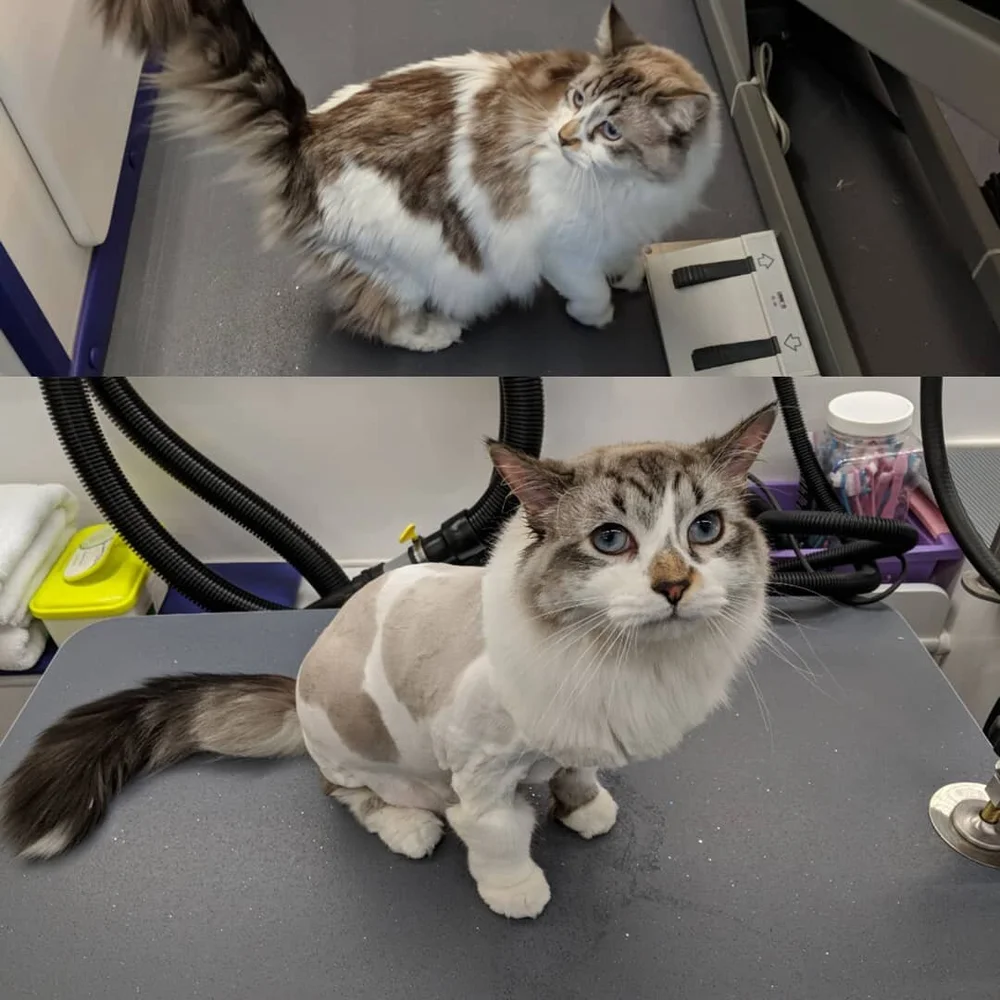
Use sharp, clean scissors or clippers designed for pets. Trim small sections of hair at a time. Avoid cutting too close to the skin to prevent injuries. Focus on problem areas like under the legs and around the rear. Keep your cat calm by speaking softly and offering breaks. Always check the trimmed area for uneven spots or missed mats.
Nail Clipping Tips
Choose nail clippers made for cats or small animals. Hold your cat’s paw gently but firmly. Look for the pink part inside the nail, called the quick. Cut only the clear tip of the nail, avoiding the quick. Trim slowly and carefully to avoid causing pain. Reward your cat with treats or praise after each session. Regular trimming prevents nails from growing too long or splitting.
When To Seek Professional Help
Consult a groomer or vet if your cat is very anxious. Seek help if mats are too tight or close to the skin. Professionals can safely trim nails if your cat resists. Choose experts experienced with long-haired cats. Regular professional grooming can keep your cat healthy and happy.
Preventing Hairballs And Matting
Long-haired cats often struggle with hairballs and matting. These issues cause discomfort and health problems. Preventing them improves your cat’s comfort and well-being. Understanding key factors helps keep your cat’s coat smooth and healthy.
Diet And Hydration
A balanced diet supports healthy skin and fur. Foods rich in omega-3 and omega-6 fatty acids reduce shedding. Proper hydration keeps fur soft and less prone to tangles. Fresh water should always be available. Wet food can also increase moisture intake.
Regular Grooming Habits
Frequent brushing removes loose fur before it forms hairballs. Use a wide-toothed comb or slicker brush. Groom your cat daily or at least several times a week. Pay attention to areas behind ears, under legs, and around the neck. Regular grooming prevents mats from forming and helps spot early tangles.
Signs Of Severe Matting
Severe matting causes tight, painful clumps in the fur. Your cat may scratch or bite at these areas. Skin underneath mats can become red or inflamed. Mats near the tail or belly often trap dirt and moisture. If mats are large or close to the skin, seek professional grooming help to avoid injury.
Handling Grooming Challenges
Grooming a long-haired cat can be rewarding, but it often comes with its own set of challenges. Knowing how to handle these situations calmly can make the experience better for both you and your feline friend. Let’s look at ways to ease tension, handle resistance, and recognize when professional help is needed.
Dealing With Anxious Cats
Some cats get nervous during grooming, which can make the process stressful. To help your cat feel safe, create a quiet, comfortable space free from distractions.
Try using soft voices and gentle strokes before you start grooming. Offering treats during the session can also build positive associations.
Have you noticed your cat calming down after a few minutes of petting? That’s a good time to begin brushing.
Managing Resistant Behavior
Resistance is common, especially if your cat isn’t used to grooming. Instead of forcing the issue, break the session into short, manageable chunks.
- Use a brush designed for long-haired cats to reduce pulling and discomfort.
- Stop if your cat shows signs of distress and try again later.
- Try distracting your cat with a favorite toy during grooming.
Have you tried grooming after a play session? A tired cat often cooperates better.
When To Consult A Veterinarian
Some grooming challenges may signal health problems. If your cat has persistent mats, skin irritation, or shows pain during grooming, it’s time to see a vet.
A vet can check for underlying issues like skin infections, allergies, or arthritis that make grooming difficult.
Don’t hesitate to ask for professional advice if you’re unsure. Your cat’s comfort and health come first.
Credit: www.squeakycleangrooming.com
Frequently Asked Questions
How Often Should I Groom A Long-haired Cat?
Long-haired cats need grooming at least 3-4 times a week. Regular brushing prevents mats and reduces shedding. Daily grooming is ideal during shedding seasons to keep their coat healthy and tangle-free.
What Tools Are Best For Grooming Long-haired Cats?
Use a wide-toothed comb and a slicker brush for long-haired cats. These tools help remove tangles and loose fur gently. Additionally, a mat splitter can help with stubborn knots without hurting the cat.
How Do I Prevent Mats In My Cat’s Fur?
Regular brushing is key to preventing mats in long-haired cats. Focus on areas prone to tangles like behind ears and under legs. Bathing occasionally and keeping the coat clean also helps reduce mat formation.
Can I Groom My Cat If It Resists Brushing?
If your cat resists grooming, try short, calm sessions. Use treats and gentle strokes to build trust. Consider professional grooming help if your cat remains stressed or aggressive during brushing.
Conclusion
Grooming a long-haired cat takes patience and care. Regular brushing stops mats and tangles. It also helps your cat stay clean and comfortable. Use the right tools and gentle strokes. Watch your cat’s mood and take breaks if needed. Clean eyes and ears often to keep them healthy.
Remember, grooming is a chance to bond with your pet. Keep a routine to make grooming easier over time. Your cat will thank you with a soft, shiny coat. Simple steps make grooming a calm, happy experience.


Leave a Reply