Does your cat’s scratching leave you frustrated and worried? You’re not alone.
Grooming a cat that scratches can feel like a challenge, but with the right approach, it becomes easier and even enjoyable for both of you. You’ll discover simple, effective tips to keep your cat calm and cooperative during grooming. Imagine turning those scratchy moments into a bonding experience—ready to learn how?
Keep reading to find out how to groom your cat safely and comfortably, even if scratching has been a problem before.
Recognizing Cat Scratch Behavior
Recognizing cat scratch behavior helps you care for your cat better. Scratching is a natural action for cats. They use it to mark territory, stretch muscles, and keep claws sharp. Understanding why your cat scratches helps prevent damage and keeps your cat calm.
Common Reasons Cats Scratch
- Marking territory: Cats have scent glands in their paws.
- Stretching muscles: Scratching helps stretch and relax muscles.
- Claw maintenance: Scratching removes old claw layers.
- Stress relief: Cats scratch to release nervous energy.
- Play and hunting: Scratching mimics natural hunting behavior.
Body Language To Watch
- Tail twitching: A sign of excitement or agitation.
- Ears flattened: Indicates fear or anger.
- Hissing or growling: Warning before scratching.
- Raised back: Shows readiness to defend or play.
- Focused eyes: Concentration on target, often before scratching.
Preparing For Grooming
Preparing your cat for grooming is essential, especially if your feline tends to scratch. Getting ready properly can reduce stress for both you and your cat, making the process smoother and safer. Before even picking up a brush, take a moment to set the stage carefully.
Choosing The Right Tools
Not all grooming tools are created equal. Selecting the right brush or comb depends on your cat’s fur type and temperament.
- Slicker brusheswork well for long-haired cats but might irritate sensitive skin.
- Rubber grooming glovesare gentler and can help calm a nervous cat by mimicking petting.
- Fine-toothed combsare great for detangling mats without pulling too hard.
Try testing different tools on your cat’s fur before the grooming session. Notice which one they tolerate best or even enjoy. Your choice can make a big difference in minimizing scratching and resistance.
Setting A Calm Environment
Your cat can sense tension and may react with scratching if stressed. Choose a quiet room with few distractions to keep your cat focused and relaxed.
Use soft lighting and, if your cat likes it, play gentle background music or nature sounds. Have treats ready to reward calm behavior and create positive associations with grooming.
Ask yourself: Is your cat comfortable where you plan to groom? Moving the session to a familiar spot can reduce anxiety. Remember, a calm environment invites cooperation, not conflict.
Handling A Scratchy Cat Safely
Handling a cat that scratches can be tricky and needs care. Cats may scratch out of fear or discomfort during grooming. Staying calm and patient helps keep both you and your cat safe. Knowing the right ways to reduce stress and protect yourself is important for a smooth grooming session.
Techniques To Reduce Stress
- Speak softly and gently to your cat to calm it down.
- Offer treats to create a positive experience.
- Let your cat sniff your hand before touching.
- Use a slow, steady approach while grooming.
- Take breaks if your cat seems upset or restless.
- Choose a quiet, comfortable space for grooming.
- Use a towel to wrap your cat if it resists.
Using Protective Gear
- Wear long sleeves to protect your arms from scratches.
- Use thick gloves designed for pet grooming.
- Consider safety goggles to shield your eyes.
- Keep nail clippers or scratching deterrents nearby.
- Use a grooming table with a non-slip surface.
- Have a helper hold the cat gently if needed.
Step-by-step Grooming Process
Grooming a cat that scratches needs patience and care. The right grooming routine helps keep your cat calm. It also protects you from scratches. Follow these simple steps to make grooming safe and easy.
Brushing And Detangling
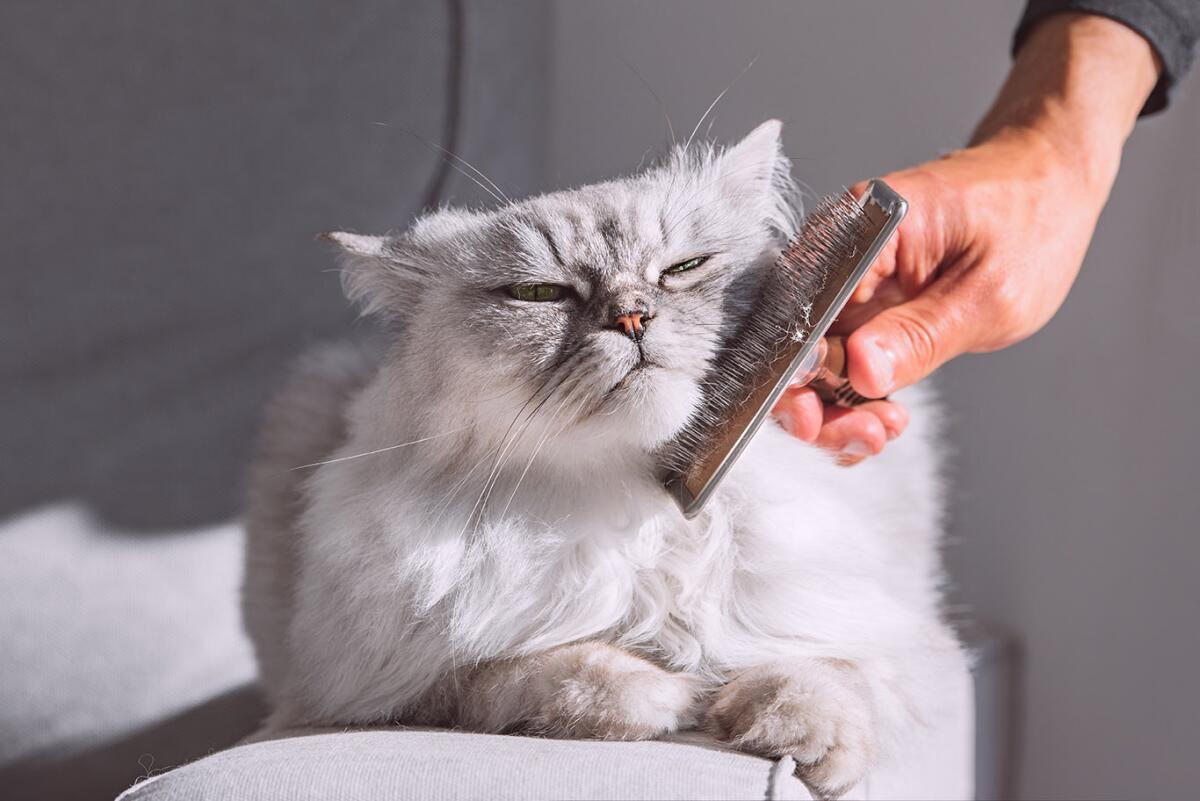
Choose a soft brush made for cats. Start brushing gently along the fur’s direction. Use slow, calm strokes to avoid startling your cat. If you find knots, use a wide-tooth comb to loosen them. Hold the fur close to the skin to reduce pulling. Give breaks if your cat feels tense.
Nail Trimming Tips
Pick sharp, small pet nail clippers. Hold your cat’s paw gently but firmly. Press the paw pad to extend the nails. Cut only the clear, white tip. Avoid the pink part, called the quick—it hurts and bleeds. Reward your cat with treats after trimming.
Bathing Without Aggression
Use lukewarm water and a cat-friendly shampoo. Fill a sink or tub with a few inches of water. Wet your cat slowly, avoiding the face and ears. Apply shampoo gently and rinse thoroughly. Speak softly to soothe your cat. Dry with a towel and keep your cat warm.
Training Cats To Accept Grooming
Grooming a cat that scratches can be challenging. Start slowly with gentle strokes to help it relax. Use treats to create a positive association with grooming sessions.
Training a cat to accept grooming can transform a stressful chore into a bonding experience. Many cats scratch out of fear or discomfort, especially during grooming. However, with patience and the right techniques, you can help your feline friend feel more at ease.Positive Reinforcement Methods
Positive reinforcement is a powerful tool in training cats. Reward your cat with treats, affection, or playtime after each successful grooming session. This creates a positive association with grooming activities. Use treats your cat loves but doesn’t get often. This makes the reward special and more effective. Praise your cat softly as you groom, reinforcing that calm behavior leads to positive outcomes. Consider using a clicker if your cat responds well to sound cues. Click and reward when your cat remains calm during grooming. This method can help solidify the behavior you desire.Gradual Grooming Sessions
Start with short grooming sessions to prevent overwhelming your cat. Even a few minutes can be beneficial if your cat is particularly skittish or resistant. Focus on one area at a time. For example, brush your cat’s back gently before moving to more sensitive areas like the belly. This gradual approach can help your cat adjust without stress. Increase the duration of each session over time. As your cat becomes more comfortable, you can extend the grooming time, ensuring it remains a pleasant experience. Remember, patience is key. Training takes time and each small step is a victory. What strategies have you tried to ease your cat’s grooming anxiety?When To Seek Professional Help
Knowing when to seek professional help for grooming a cat that scratches can save you and your feline friend a lot of stress. Sometimes, a cat’s behavior during grooming signals deeper issues that require expert attention. Paying close attention to these signals can prevent injuries and improve your cat’s overall well-being.
Signs Of Aggression Beyond Grooming
Not all scratching during grooming is just play or minor annoyance. If your cat shows aggression beyond grooming time, it might be time to get help. Watch for these signs:
- Hissing or growlingthat happens frequently and not just during grooming.
- Swatting or bitingeven when you are not touching them.
- Sudden mood changeslike hiding or attacking without warning.
- Excessive scratching or self-harmthat causes wounds or fur loss.
These behaviors could mean your cat is stressed, in pain, or has underlying health problems. Ignoring these signs might make grooming harder and strain your relationship with your cat.
Finding A Cat Grooming Expert
When your cat’s scratching becomes too much to handle, a professional groomer can make a big difference. Look for someone who specializes in cats and understands their unique needs. Ask about their experience with aggressive or anxious cats.
Here are some tips to find the right expert:
- Check online reviews and ask for recommendations from your vet or local pet community.
- Visit the grooming salon beforehand to see how staff interact with cats.
- Ask if they offer a trial grooming session to observe how your cat reacts.
- Ensure they use gentle handling techniques and provide a calm environment.
Finding the right groomer can transform grooming from a battle into a peaceful routine. Have you ever seen your cat relax during a professional grooming? That moment shows how much the right help matters.
Maintaining Long-term Cat Care
Maintaining long-term care for a cat that scratches is essential. Regular grooming helps keep your cat comfortable and healthy. It reduces stress and prevents skin problems. Creating a routine builds trust between you and your cat. Consistency is the key to success in grooming.
Regular Grooming Schedule
Set a clear grooming timetable. Brush your cat’s fur daily or every other day. Short sessions work best for cats that scratch. Use gentle strokes to avoid causing pain. Trim nails carefully to prevent damage. Check your cat’s skin for cuts or irritation. Keep grooming tools clean and sharp. A calm environment helps your cat relax during grooming.
Health Benefits Of Proper Grooming
Grooming improves your cat’s coat condition and skin health. It removes dirt, loose hair, and dandruff. This reduces hairballs and matting. Grooming also helps detect parasites early. Nail trimming prevents overgrowth and injury. Regular care lowers the chance of infections. It supports better blood circulation and warmth. Grooming sessions create bonding moments and reduce anxiety for your cat.
Frequently Asked Questions
How Do I Groom A Cat That Scratches Often?
Start by trimming your cat’s nails carefully and regularly. Use soft brushes and calm tones. Avoid sudden movements to prevent scratches. Reward your cat with treats to create positive associations during grooming sessions.
What Tools Are Best For Grooming Scratch-prone Cats?
Use a soft-bristle brush and a nail clipper designed for cats. Avoid metal combs or rough tools that irritate the skin. Choose grooming gloves if your cat is sensitive to touch. These tools reduce discomfort and scratching during grooming.
How Can I Calm A Cat That Scratches During Grooming?
Speak softly and move slowly to avoid startling your cat. Offer treats and take breaks if your cat seems stressed. Use a towel to gently restrain if needed. Creating a calm environment helps reduce scratching and improves grooming success.
Why Does My Cat Scratch During Grooming Sessions?
Cats scratch when they feel threatened or uncomfortable. Grooming can expose sensitive skin or tangled fur. Stress, fear, or pain often trigger scratching. Understanding your cat’s behavior helps you adjust grooming techniques to keep them calm.
Conclusion
Grooming a cat that scratches needs patience and care. Stay calm and gentle to keep your cat relaxed. Use the right tools to make grooming easier. Regular grooming helps reduce scratching and keeps fur healthy. Always watch your cat’s mood and stop if needed.
With time, grooming can become a pleasant routine for both. Keep these tips in mind to help your cat feel safe. A happy cat means less stress for you too. Simple steps make grooming safe and effective every time.

Leave a Reply