If your cat can’t groom themselves, you might be worried about their comfort and health. Cats usually keep themselves clean, but when they can’t, it’s up to you to step in.
Knowing how to groom a cat that can’t groom themselves isn’t just about keeping them looking good—it’s about keeping them happy and healthy. You’ll discover simple, effective ways to care for your furry friend’s coat, skin, and nails. Keep reading to learn how you can make grooming easy and stress-free for both you and your cat.
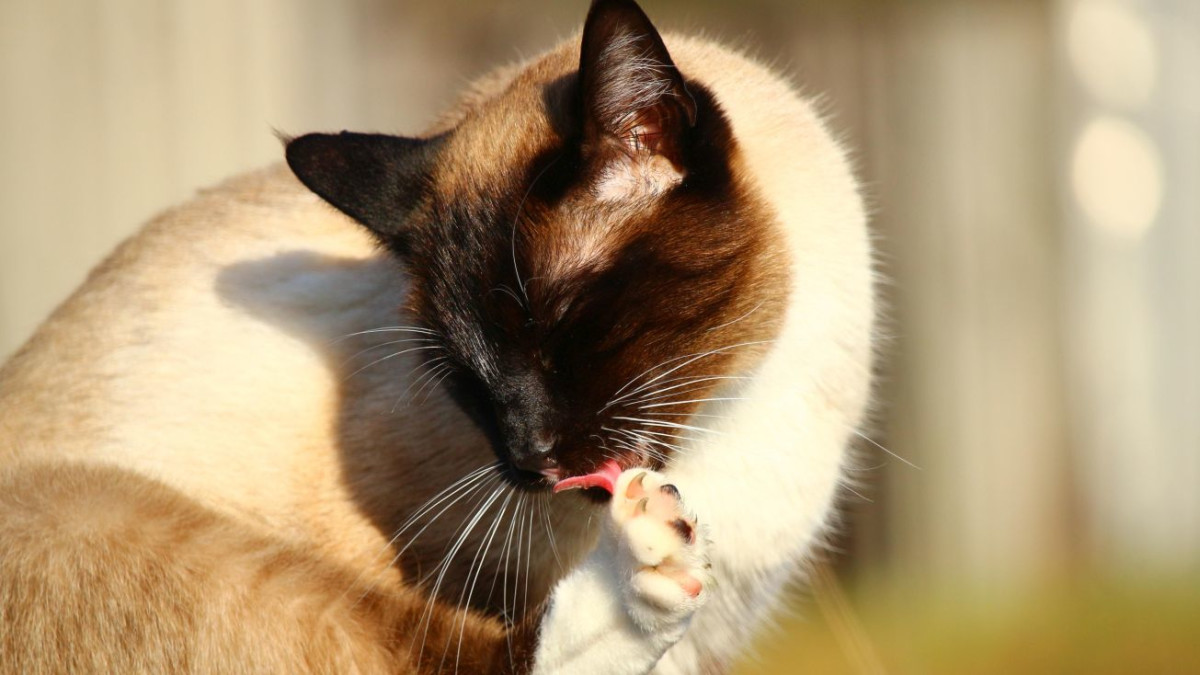
Credit: pethelpful.com
Signs Your Cat Needs Grooming Help
Recognizing when your cat needs grooming help is crucial, especially if they can’t groom themselves properly. Cats are usually meticulous about their hygiene, so any changes in their grooming habits can signal a problem. Paying close attention to specific signs can help you step in before minor issues turn into serious health concerns.
Behavioral Indicators
Have you noticed your cat spending less time cleaning themselves or avoiding certain spots? This could mean they’re struggling to groom due to pain or stiffness.
Look for signs like:
- Excessive licking or biting in one area
- Restlessness or irritability when you try to touch their fur
- Hiding more often than usual
These behaviors might indicate discomfort or frustration from not being able to groom well.
Physical Signs
Check your cat’s coat regularly. Matted fur, clumps of hair, or a greasy texture are clear signs they need grooming help.
Other physical clues include:
- Dandruff or flaky skin
- Bald patches or excessive shedding
- Unpleasant odor from their fur
If you spot any of these, it’s time to assist with grooming or consult your vet.
Health Risks Of Poor Grooming
Poor grooming doesn’t just affect your cat’s appearance—it can lead to serious health problems.
Untended mats can pull on the skin and cause pain or infections. Dirt and debris trapped in the coat may attract parasites or cause skin irritations.
Have you ever wondered how much discomfort your cat might be hiding? Regular grooming support can prevent these risks and keep your cat comfortable and healthy.
Essential Grooming Tools
Grooming a cat that cannot groom itself needs the right tools. These tools help keep your cat clean and healthy. Using proper tools also makes grooming easier for you and less stressful for your cat.
Brushes And Combs
Soft brushes remove loose fur and dirt gently. A slicker brush works well for tangled fur. Use a wide-tooth comb for mats and knots. Regular brushing reduces hairballs and skin problems.
Nail Clippers And Trimmers
Sharp nail clippers keep your cat’s claws short and safe. Choose clippers made for cats or small pets. Trim nails carefully to avoid the quick, which can hurt. Regular trimming prevents scratches and damage to furniture.
Cleaning Supplies
Use gentle, pet-safe wipes for cleaning eyes and ears. A damp cloth can clean dirt from fur. Have cotton balls or pads for delicate areas. Avoid harsh chemicals that can irritate the skin or eyes.
Preparing Your Cat For Grooming
Preparing your cat for grooming is a gentle process. Cats that cannot groom themselves need extra care and patience. This preparation helps your cat feel safe and relaxed. It also makes the grooming session easier for both of you.
Creating A Calm Environment
Choose a quiet room with soft lighting. Remove loud noises and distractions. Use a soft blanket or towel for your cat to sit on. Keep grooming tools nearby to avoid interruptions. Speak softly and move slowly to avoid startling your cat.
Handling Techniques
Hold your cat gently but firmly. Support their body without squeezing. Use slow, calm movements to reduce stress. Take breaks if your cat feels tense or tries to escape. Reward your cat with gentle petting or a small treat after handling.
Setting A Grooming Schedule
Pick a consistent time for grooming sessions. Short, regular sessions work best for cats. Stick to the schedule to build a routine. Adjust the timing if your cat shows signs of stress. A steady routine helps your cat get used to grooming.

Credit: catit.us
Step-by-step Grooming Process
Grooming a cat that cannot groom itself is essential for its health and comfort. A careful and gentle approach helps keep your cat clean and happy. Follow this step-by-step grooming process to care for your cat with ease.
Brushing And Detangling Fur
Start by choosing a soft brush suitable for your cat’s fur type. Gently brush in the direction of hair growth. Use slow, careful strokes to avoid hurting your cat. If you find mats or tangles, use a comb to loosen them gently. Take breaks if your cat seems stressed. Regular brushing prevents hairballs and skin problems.
Bathing Your Cat Safely
Prepare a warm, quiet place for the bath. Use a cat-friendly shampoo only. Wet your cat slowly, avoiding the head and ears. Apply shampoo and massage gently, then rinse thoroughly. Keep water out of the eyes and ears. Dry your cat with a soft towel and keep it warm. Bathing too often can dry the skin, so limit baths.
Cleaning Ears And Eyes
Use a soft, damp cloth or cotton ball for cleaning. Wipe around the eyes gently to remove discharge. For ears, use a vet-recommended cleaner. Avoid pushing anything deep into the ear canal. Clean only the visible part of the ear. Check for signs of infection, such as redness or bad smell. Regular cleaning prevents irritation and infection.
Trimming Nails
Use sharp, small pet nail clippers. Hold your cat’s paw gently but firmly. Trim only the sharp tips of the nails. Avoid cutting into the quick, which is pink and sensitive. If unsure, trim little by little. Reward your cat with treats or praise. Regular nail trimming prevents damage to furniture and skin.
Managing Special Grooming Needs
Cats with special grooming needs require gentle care. Regular brushing helps remove tangles and loose fur. Pay attention to sensitive areas to ensure comfort and cleanliness.
Cats are known for their meticulous grooming habits, but some may face challenges due to age, health, or other factors. If your feline friend struggles with self-grooming, managing their special grooming needs is crucial to ensure their comfort and health. By understanding these unique requirements, you can provide the care they need to look and feel their best.Dealing With Matted Fur
Matted fur can be uncomfortable and even painful for your cat. Regularly check your cat’s coat for tangles, especially in areas like under the legs and behind the ears, where mats often form. Use a detangling spray and a wide-toothed comb to gently work through knots, taking care not to pull on their skin. Consider using a slicker brush for more stubborn mats. It can help break them up without causing discomfort. If mats become too severe, consulting a professional groomer or veterinarian is a wise choice to prevent skin issues.Grooming Senior Or Disabled Cats
Older or disabled cats often need extra help with grooming. Their limited mobility can make reaching certain spots difficult, leading to hygiene issues. Regular brushing not only maintains their coat but also stimulates circulation and provides bonding time. Use soft-bristled brushes to avoid hurting sensitive skin. Pay attention to areas that they can’t easily reach, like their back and tail base. Trimming their nails regularly can also prevent injuries, especially if they’re less active.Addressing Skin Issues
Cats with skin problems require attentive grooming to avoid exacerbating their condition. Look for signs like redness, flaking, or irritation during grooming sessions. These could indicate allergies, infections, or other health issues. Use hypoallergenic grooming products to avoid aggravating their skin. If you notice persistent skin problems, consult your vet to determine the underlying cause and appropriate treatment. Keeping their skin healthy is an integral part of their overall well-being. By addressing these specific grooming needs, you ensure your cat remains comfortable and happy. What unique grooming challenges does your cat face? Tailor your approach to meet their individual needs, and you’ll both enjoy the benefits of a clean and contented pet.
Credit: petradioshow.com
When To Seek Professional Help
Knowing when to get professional help is key for cats that cannot groom themselves. Some grooming tasks need special skills and tools. Experts can protect your cat’s health and comfort. Here are signs to watch for and tips on finding the right help.
Recognizing Grooming Challenges
Some cats face serious grooming problems. Matted fur that you cannot brush out is one sign. Skin irritation or sores under the fur also need attention. If your cat shows pain or stress during grooming, stop and seek help. Long nails that cause scratching or injury require expert care. Watch for signs of infection like redness or bad odor. These problems need quick action to avoid harm.
Choosing A Professional Groomer
Pick a groomer who knows how to handle special needs cats. Check if they have experience with older or disabled cats. A calm and gentle approach is important. Ask if they use safe tools and products for sensitive skin. Find a groomer who offers services like nail trimming, fur trimming, and cleaning ears. Look for positive reviews from other cat owners. A good groomer will keep your cat safe and relaxed.
Veterinary Assistance
Sometimes grooming issues relate to health problems. A vet can check for pain, infections, or other medical causes. They can also sedate your cat if grooming is too stressful. Your vet may recommend professional grooming as part of treatment. Regular vet visits help catch grooming problems early. Keep your vet informed about your cat’s grooming needs and changes in behavior.
Maintaining Grooming Beyond Sessions
Maintaining grooming beyond regular sessions helps keep your cat comfortable and healthy. It prevents mats, reduces skin problems, and supports overall well-being. Small daily habits make a big difference in managing your cat’s coat and skin condition.
Daily Care Tips
- Brush your cat gently every day to remove loose fur.
- Check for dirt, debris, or small knots in the fur.
- Wipe your cat’s face and eyes with a soft cloth.
- Trim nails regularly to avoid scratches and injury.
- Provide a clean, cozy space for your cat to rest.
Diet And Hydration Impact
A healthy diet supports shiny fur and strong skin. Feed high-quality food rich in proteins and essential fats. Omega-3 and omega-6 fatty acids improve coat condition. Always offer fresh water to keep your cat hydrated. Proper hydration reduces dry skin and fur problems.
Monitoring Health Changes
- Watch for changes in your cat’s coat texture or color.
- Notice any excessive scratching or bald spots.
- Look out for unusual lumps or bumps on the skin.
- Observe your cat’s behavior for signs of discomfort.
- Consult a vet promptly if you see any worrying signs.
Frequently Asked Questions
How Often Should I Groom A Cat That Can’t Self-groom?
Cats unable to groom themselves need brushing at least 3-4 times weekly. Frequent grooming prevents mats, reduces shedding, and keeps skin healthy. Adjust frequency based on your cat’s coat type and condition.
What Tools Are Best For Grooming A Non-grooming Cat?
Use a soft-bristle brush, comb, and grooming wipes. These tools gently remove loose fur and dirt without hurting sensitive skin. Avoid harsh brushes that may stress or injure your cat.
How Do I Prevent Stress During Grooming Sessions?
Create a calm environment with soft voices and slow movements. Use treats and praise to reward your cat. Keep grooming sessions short and gradually increase duration to build comfort.
Can I Bathe A Cat That Can’t Groom Itself?
Yes, but only when necessary. Use cat-specific shampoo and lukewarm water. Bathing too often can dry their skin. Always dry your cat thoroughly after a bath.
Conclusion
Grooming a cat that cannot groom itself takes patience and care. Regular brushing keeps their coat clean and healthy. Check for mats and gently remove them to prevent pain. Bathing may be needed but do it with calm and gentle hands.
Watch your cat’s skin and fur for any signs of trouble. Small steps make a big difference in their comfort. Your effort helps your cat stay happy and healthy every day. Keep love and kindness at the heart of your grooming routine.


Leave a Reply