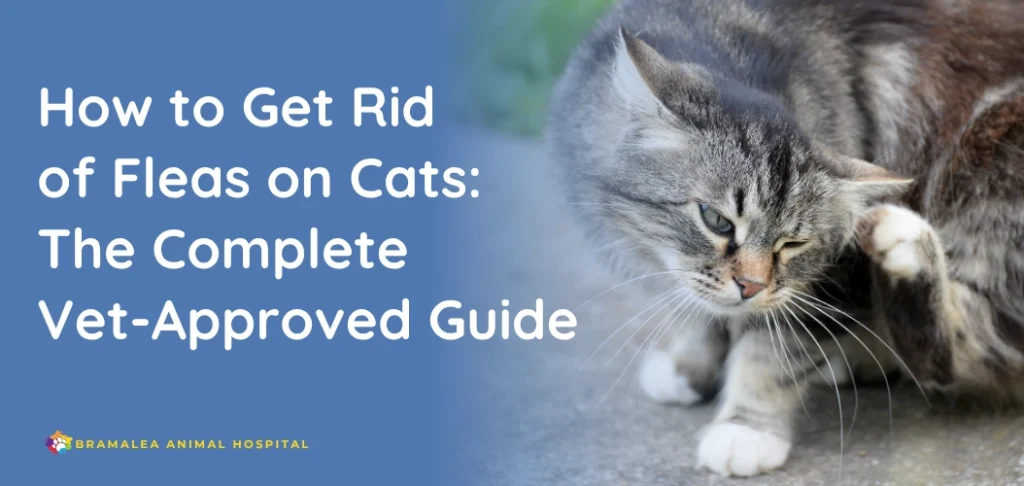
Are you tired of seeing fleas on your cat’s toys and worried about your furry friend’s health? Fleas can quickly turn playtime into a nightmare for both you and your cat.
But don’t worry—getting rid of fleas on your cat’s toys is easier than you think. You’ll discover simple and effective ways to protect your cat’s favorite playthings from these pesky pests. Keep reading to learn how to keep your cat happy, healthy, and flea-free!
Credit: www.kinship.com
Identifying Flea Infestation On Cat Toys
Flea infestations on cat toys can cause discomfort for your pet. Fleas hide in small, soft places. Toys provide a perfect spot for fleas to live and multiply. Identifying fleas on toys helps stop the problem early. It protects your cat from bites and diseases.
Signs Of Fleas On Toys
- Small black or brown specks moving on the surface.
- White flea eggs scattered around the toy.
- Tiny red bite marks on your cat after playing.
- Flea dirt, which looks like black pepper spots.
- A strong, musty odor coming from the toy.
- Your cat scratching more after playing with certain toys.
Common Toys That Harbor Fleas
- Soft plush toys with fabric and stuffing.
- Feather wands and toys with small crevices.
- Scratchers that cats rub against frequently.
- Interactive toys with hidden compartments.
- Rope or yarn toys that trap dirt and fleas.
- Any toy left on the floor or in corners.
Credit: moxieservices.com
Safe Cleaning Methods For Cat Toys
Keeping your cat’s toys clean is key to stopping fleas from making a comeback. Dirty toys can easily harbor flea eggs and larvae, turning playtime into a flea infestation risk. Safe cleaning methods protect both your cat’s health and the lifespan of their favorite toys.
Washing Soft Toys
Soft toys need gentle but thorough washing to remove fleas and eggs. Use warm water with a mild, pet-safe detergent to soak the toys. Avoid harsh chemicals that can irritate your cat’s skin.
After soaking, scrub the toy lightly with a soft brush to reach deep inside the fabric. Rinse thoroughly to remove all soap residue. Dry the toys completely, ideally in direct sunlight, which helps kill any remaining fleas.
Have you noticed how some toys seem to attract more dirt? Rotating your cat’s soft toys and washing them regularly can reduce flea buildup and keep playtime safe.
Cleaning Hard And Plastic Toys
Hard and plastic toys are easier to clean but still need attention. Wipe them down with a cloth soaked in a mixture of warm water and mild soap. For stubborn dirt or flea eggs, use a soft toothbrush to scrub small crevices.
Disinfect these toys by wiping with a pet-safe disinfectant or a diluted vinegar solution. Make sure to rinse well to avoid leaving any strong smells or residues that might deter your cat from playing.
How often do you check your cat’s hard toys for hidden dirt? Regular cleaning keeps fleas away and makes toys more inviting for your pet.
Natural Remedies To Eliminate Fleas
Fleas on your cat’s toys can quickly become a persistent nuisance. Using natural remedies to eliminate fleas is not only safe for your furry friend but also effective in keeping their playthings pest-free. These solutions work gently yet powerfully, helping you maintain a clean and healthy environment without harsh chemicals.
Using Vinegar Solutions
Vinegar is a simple and natural flea deterrent. Its strong smell masks the scent that fleas are attracted to, making your cat’s toys less appealing to these pests.
Mix equal parts of white vinegar and water in a spray bottle. Spray this solution lightly on your cat’s toys and let them air dry. Avoid soaking the toys too much, especially if they are fabric-based, to prevent damage.
Have you noticed how vinegar’s acidity can disrupt flea life cycles? This makes it a handy tool in your flea-fighting arsenal. Repeat this spray every few days to keep fleas away consistently.
Essential Oils That Repel Fleas
Certain essential oils can effectively repel fleas without posing harm to your cat when used correctly. Oils like lavender, cedarwood, and eucalyptus have properties that fleas dislike.
To use, dilute a few drops of essential oil in water (about 10 drops per cup) and spray lightly onto your cat’s toys. Be cautious not to apply oils directly on your cat or on toys they chew on, as some oils can be toxic if ingested.
Have you tried combining these oils for a more potent effect? Many cat owners find that alternating oils keeps fleas from building resistance.
Remember to always monitor your cat’s reaction when introducing new scents. Natural remedies work best when you tailor them carefully to your pet’s comfort and safety.
Chemical Treatments For Stubborn Fleas
Chemical sprays and powders can kill fleas hiding in cat toys. Treat toys regularly to stop fleas from returning. Always follow product instructions for safe use around pets.
Chemical treatments can effectively tackle stubborn fleas on cat toys. These treatments offer a targeted approach to eliminate fleas and their larvae. It’s essential to choose the right product to ensure safety for your pet.Choosing Pet-safe Flea Sprays
Select flea sprays labeled as pet-safe. These sprays are designed to kill fleas without harming cats. Check the ingredients for any harsh chemicals. Look for natural or non-toxic components. Always read customer reviews and product ratings. This helps in understanding effectiveness and safety.Proper Application Techniques
Apply flea spray in a well-ventilated area. This prevents inhaling any fumes. Spray the toys lightly, avoiding saturation. Ensure an even coat over all surfaces. Allow the toys to dry completely before giving them back to your cat. Always wear gloves during application. This protects your skin from any possible reactions.Preventing Flea Reinfestation On Toys
Preventing fleas from coming back on your cat’s toys is just as important as getting rid of them in the first place. Fleas can hide in the smallest crevices of soft toys or cling to fabric surfaces, making it easy for them to reinfest your home and your pet. Taking simple, consistent steps can keep your cat’s playthings safe and flea-free.
Regular Cleaning Schedule
Set a cleaning routine for your cat’s toys and stick to it. Washing plush toys in hot water at least once a week helps kill flea eggs and larvae before they grow. Hard toys can be wiped down with a pet-safe disinfectant or diluted vinegar solution to remove any fleas or dirt.
Don’t forget to check the toys after playtime. Fleas can jump onto toys during outdoor adventures or visits to other homes. You might be surprised how often a quick once-over prevents a full-blown flea problem.
Storage Tips To Keep Toys Flea-free
Where you keep your cat’s toys matters. Store toys in sealed containers or plastic bins to block fleas from getting inside. Avoid leaving toys scattered on carpets or near pet bedding, as these spots are hotbeds for fleas.
Consider dedicating a shelf or drawer just for clean toys. This creates a clean, controlled space that’s easier to monitor. Have you tried using lavender sachets or cedar chips in storage areas? These natural flea repellents add extra protection without chemicals.
Credit: www.hartz.com
Additional Tips For Flea Control In Your Home
Getting rid of fleas on your cat’s toys is just one part of the battle. Fleas can hide anywhere in your home, making it essential to control them in the entire environment. Let’s look at some additional tips that can help you keep your home flea-free and protect your furry friend from those pesky invaders.
Vacuuming And Home Hygiene
Regular vacuuming is one of the simplest yet most effective ways to remove flea eggs, larvae, and adults from your home. Focus on areas where your cat spends time, such as carpets, rugs, and furniture. Don’t forget to vacuum under furniture and along baseboards, where fleas often hide.
After vacuuming, immediately dispose of the vacuum bag or empty the canister outside to prevent fleas from escaping back into your home. Wash your cat’s bedding and toys in hot water weekly to kill any remaining fleas or eggs. Maintaining a clean environment disrupts the flea life cycle and reduces their chances of returning.
Treating Your Cat For Fleas
Even with a spotless home, your cat can bring fleas back if not treated properly. Use veterinarian-approved flea treatments such as topical solutions, oral medications, or flea collars. These treatments kill fleas quickly and prevent new infestations.
Check your cat regularly for signs of fleas, like excessive scratching or small black specks in their fur. Applying flea treatments consistently is crucial—missing a dose can allow fleas to multiply again. Have you noticed how quickly fleas come back when treatment lapses? Staying vigilant is key.
Frequently Asked Questions
How Do Fleas Get On Cat Toys?
Fleas latch onto cat toys through contact with infested pets or environments. They thrive in warm, humid places where pets frequent.
What Is The Best Way To Clean Flea-infested Cat Toys?
Wash toys in hot water with pet-safe detergent. Dry them on high heat to kill fleas and eggs effectively.
Can Flea Sprays Be Used Safely On Cat Toys?
Yes, but only use sprays labeled safe for pets and their belongings. Always follow product instructions carefully to avoid harm.
How Often Should I Treat Cat Toys For Fleas?
Treat toys weekly during flea season or after noticing infestation. Regular cleaning prevents flea buildup and protects your cat’s health.
Conclusion
Keeping your cat’s toys flea-free protects their health and comfort. Regular cleaning and using safe flea treatments work best. Wash toys often with hot water and mild soap. Check your cat’s toys for fleas and eggs regularly. Use flea sprays or powders made for pet items carefully.
Clean your home to stop fleas from returning. A clean environment helps keep your cat happy and safe. Small steps make a big difference in flea control. Stay consistent, and your cat’s toys will stay fresh and clean.



Leave a Reply