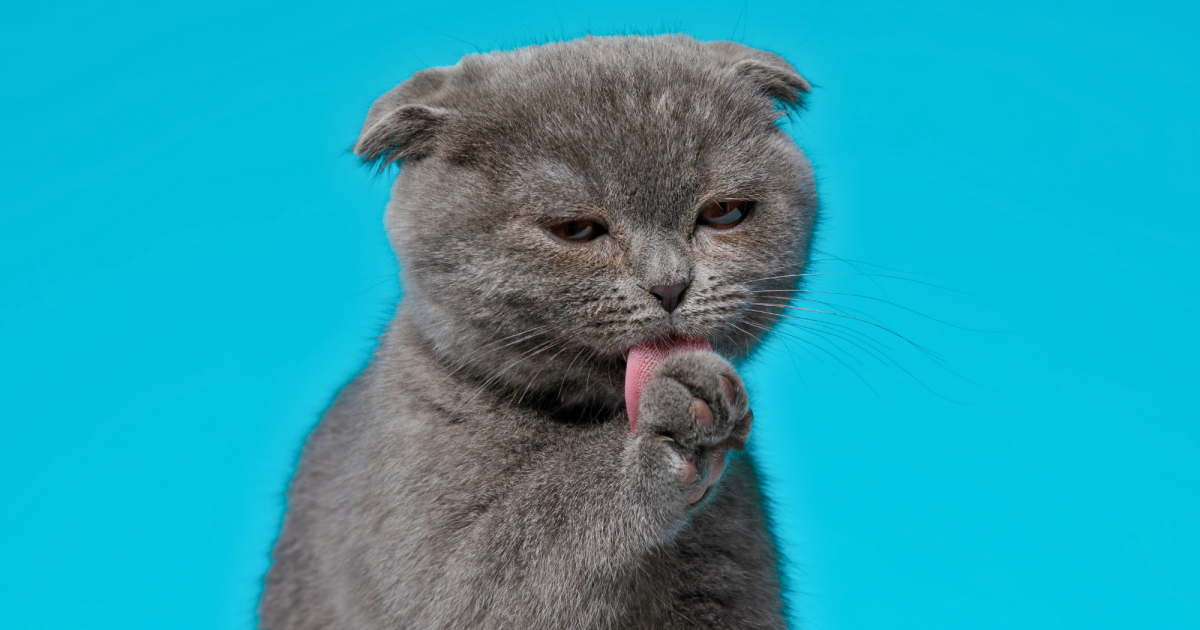
Is your cat constantly licking or nibbling on your skin, leaving you feeling uncomfortable or even irritated? You’re not alone.
Many cat owners struggle with their furry friends’ grooming habits that go beyond normal affection. But why does your cat do this, and more importantly, how can you gently stop it without hurting their feelings? Keep reading, because understanding your cat’s behavior and learning simple, effective steps can help you regain your personal space—while keeping your bond strong.

Credit: icatcare.org
Reasons Cats Groom Humans
Cats grooming humans is a common behavior with several reasons behind it. It is more than just a cute habit. Understanding why cats do this helps to respond properly and build a better bond with them.
Social Bonding Behavior
Cats groom each other to show friendship and trust. When a cat licks you, it means they see you as part of their family. This act strengthens the connection between you and your cat. It is their way of saying they care.
Marking Territory
Grooming also helps cats mark their territory. Cats have scent glands in their mouths. When they lick you, they leave their unique scent. This tells other cats that you belong to them. It is a way to protect their space and feel secure.
Stress And Anxiety Signals
Sometimes, cats groom humans to calm themselves. Licking can reduce stress or anxiety in cats. It works like a soothing action. If your cat feels nervous or uneasy, grooming you may comfort them. Watching for this can help you understand your cat’s mood better.

Credit: www.amazon.com
Signs Of Excessive Grooming
Recognizing the signs of excessive grooming is the first step to helping your cat stop grooming you too much. Cats naturally groom themselves and even their favorite humans occasionally. But when grooming turns into a persistent habit, it may signal stress or discomfort.
Frequency And Intensity
Pay attention to how often and how vigorously your cat licks or nibbles your skin. If your cat is grooming you multiple times a day for extended periods, this could be excessive. Intense grooming, like biting hard or pulling fur, is a clear sign that something isn’t right.
Have you noticed your cat’s grooming sessions getting longer or more urgent? That’s a red flag worth noting.
Physical Effects On Skin
Check your skin for redness, irritation, or even small wounds where your cat grooms. Repeated licking can cause dryness and soreness, sometimes leading to hair loss or scabs. If your skin feels raw or looks inflamed, it’s time to intervene.
Think about the last time your cat’s grooming left a visible mark. Ignoring these signs might worsen the damage to your skin and your relationship with your pet.
Behavioral Changes
Observe if your cat becomes more anxious or restless when grooming you. Excessive grooming can be a way for cats to soothe themselves when stressed or bored. You might also notice your cat seeking more attention or acting unusually clingy.
Ask yourself if your cat’s behavior has shifted recently. Are these grooming sessions a new habit or an increase from before? Understanding these changes can guide you toward the right solution.
Redirecting Grooming Behavior
Redirecting your cat’s grooming behavior is about gently guiding their natural instincts toward more appropriate outlets. Instead of discouraging grooming altogether, you help your cat express this behavior in ways that don’t involve licking your skin. This approach not only protects your comfort but also keeps your cat happy and mentally stimulated.
Providing Alternative Outlets
Offer your cat different textures and surfaces to groom. Soft blankets, plush toys, or even a piece of fleece can be great alternatives. When your cat starts licking you, calmly move their attention to these items instead.
Have you noticed how cats often groom themselves after waking up? Mimic this by placing grooming-friendly items in cozy spots. This subtle change can reduce your cat’s urge to groom you.
Using Toys And Playtime
Engage your cat with interactive toys to keep their mind busy and reduce attention-seeking grooming. Feather wands, laser pointers, and puzzle feeders are excellent tools to shift their focus.
Try scheduling multiple short play sessions throughout the day. This not only tires your cat physically but also satisfies their hunting instincts, which can decrease excessive grooming directed at you.
Offering Grooming Tools
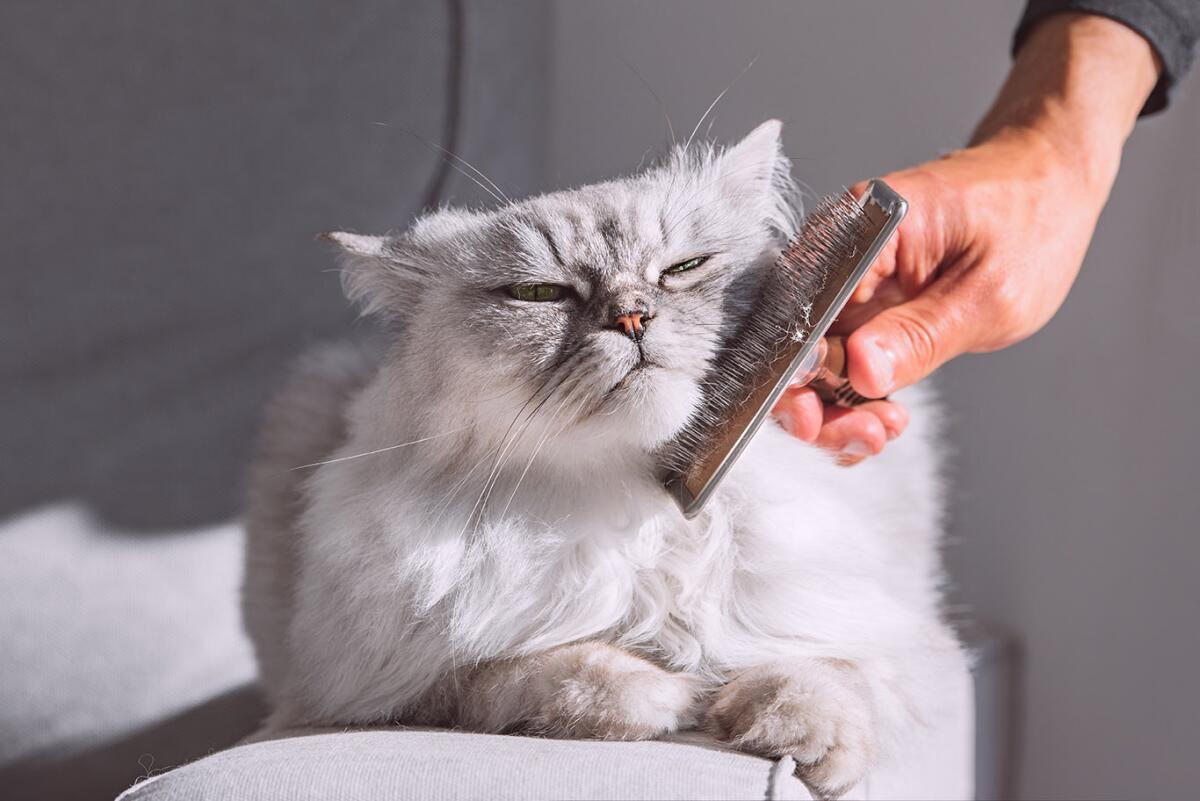
Give your cat brushes or grooming gloves to simulate the grooming experience. Cats often enjoy being brushed, and it can satisfy their need to groom without involving you directly.
Introduce grooming tools gradually and reward your cat with treats or praise. This positive reinforcement helps your cat associate the tools with a pleasant experience, making them more likely to use them instead of licking your skin.
Credit: pethelpful.com
Setting Boundaries With Your Cat
Setting boundaries with your cat is essential if you want to stop unwanted grooming behaviors. Cats often groom their owners to show affection or seek comfort, but it can become overwhelming or uncomfortable. Establishing clear limits helps your cat understand what behavior is acceptable and what isn’t.
Gentle Deterrence Techniques
When your cat starts grooming you, try softly redirecting their attention. Use a calm voice and gently move their paw or head away without startling them. You might also offer a toy or a scratching post as a distraction.
Applying a mild, safe deterrent like a citrus-scented spray on your hands can discourage licking, since cats usually dislike that smell. Have you noticed if your cat reacts differently to certain scents or textures? Observing these reactions helps tailor deterrence methods effectively.
Creating Personal Space
Your cat needs clear zones where grooming you isn’t allowed. Designate specific areas for petting and cuddling, and gently but firmly remove your cat if they start grooming outside those zones. Consistently providing a cozy bed or blanket away from you can help your cat feel secure without needing to groom you.
Think about your own personal comfort—how would you feel if someone invaded your space constantly? Giving your cat their own “safe spots” respects both your needs and theirs.
Consistent Responses
Every time your cat begins grooming you, respond in the same way. Consistency is key for your cat to learn boundaries. Whether you gently say “no,” move away, or redirect their attention, keep your reaction predictable.
Inconsistent responses confuse cats and prolong unwanted behaviors. Have you ever felt mixed signals from your cat when they groom you? Clear and steady communication helps them understand your limits faster.
Improving Cat’s Environment
Creating a calm and engaging space can reduce your cat’s need to groom you. Providing toys and cozy resting spots helps keep your cat happy and distracted. A peaceful environment supports better behavior and less over-grooming.
Improving your cat’s environment can reduce their excessive grooming behavior. Cats often groom their owners due to stress or boredom. Enhancing their surroundings can make them feel more at ease and occupied. This approach can lessen the need for them to groom you constantly.Reducing Stress Factors
Create a calm and peaceful atmosphere for your cat. Ensure they have a quiet space to retreat to when needed. Minimize loud noises and sudden movements in the home. Introduce gradual changes in their environment to avoid overwhelming them.Enhancing Enrichment
Provide toys that stimulate your cat’s mind. Interactive toys can keep them engaged and entertained. Offer a variety of textures and shapes to hold their interest. Scratching posts and climbing trees can also enrich their daily routine. Regular play sessions can help burn off excess energy.Regular Vet Checkups
Schedule regular visits to the vet for your cat. Ensure they are healthy and free of underlying issues. Discuss any behavioral changes with the vet. A professional can provide guidance on specific concerns. Keep vaccinations and treatments up-to-date for overall well-being.When To Seek Professional Help
Knowing when to seek professional help is crucial if your cat’s grooming behavior towards you becomes excessive or problematic. Sometimes, what seems like a harmless quirk can signal underlying issues that need expert attention. Recognizing these moments early can save you and your cat from unnecessary stress and frustration.
Identifying Behavioral Issues
Is your cat grooming you nonstop, even when you try to stop them? This might be more than just affection. Excessive grooming can indicate anxiety, stress, or even compulsive disorders in cats.
Watch for signs like:
- Repeated licking causing irritation or wounds on your skin
- Grooming triggered by specific events or changes in the environment
- Other unusual behaviors such as hiding, aggression, or withdrawal
As a cat owner, you know your pet’s normal behavior best. If you notice these red flags, it’s time to consider professional guidance.
Consulting Veterinarians
Your first call should often be to a veterinarian. They can rule out medical causes such as allergies, skin infections, or pain that might make your cat obsessively groom you.
Veterinarians can also provide advice on managing stress-related behaviors and recommend treatments or medications if needed. Don’t hesitate to share detailed observations about your cat’s grooming habits—you might be surprised how much it helps.
Working With Animal Behaviorists
If medical issues are ruled out, an animal behaviorist can help address the root cause of the grooming problem. These experts specialize in understanding why your cat acts the way they do and can develop tailored behavior modification plans.
Behaviorists might suggest changes in your cat’s environment, new routines, or interactive play to reduce anxiety and redirect grooming impulses. Have you considered how a simple change in daily interaction might transform your cat’s behavior?
Getting professional help isn’t a sign of failure. It’s a smart step toward improving your relationship with your cat and ensuring both of you enjoy a peaceful, happy home.
Frequently Asked Questions
Why Does My Cat Groom Me Excessively?
Cats groom you to show affection and mark you with their scent. Excessive grooming may indicate stress or a desire for attention. Understanding your cat’s behavior can help manage this habit effectively.
How Can I Stop My Cat From Grooming My Skin?
Gently redirect your cat’s attention with toys or treats. Providing alternative grooming outlets like brushes can reduce their urge to groom your skin. Consistency and patience are key to changing this behavior.
Is My Cat’s Grooming A Sign Of Anxiety?
Yes, excessive grooming can be a stress or anxiety sign in cats. Identifying triggers and creating a calm environment helps reduce this behavior. Consult a vet if anxiety persists.
Can Grooming Indicate Health Problems In Cats?
Sometimes, cats groom excessively due to skin irritation or allergies. If grooming becomes obsessive, consult a vet to rule out medical issues. Early diagnosis ensures proper treatment.
Conclusion
Cats groom their owners to show care or feel comfort. Setting clear boundaries helps reduce this behavior. Offer your cat toys or a scratching post instead. Gentle redirection works better than punishment. Patience and consistency will bring good results. Enjoy your time with your cat while keeping grooming in check.
Small changes make a big difference in your bond. Keep observing and adjusting to your cat’s needs. Your calm approach helps your cat feel safe and happy.

Leave a Reply