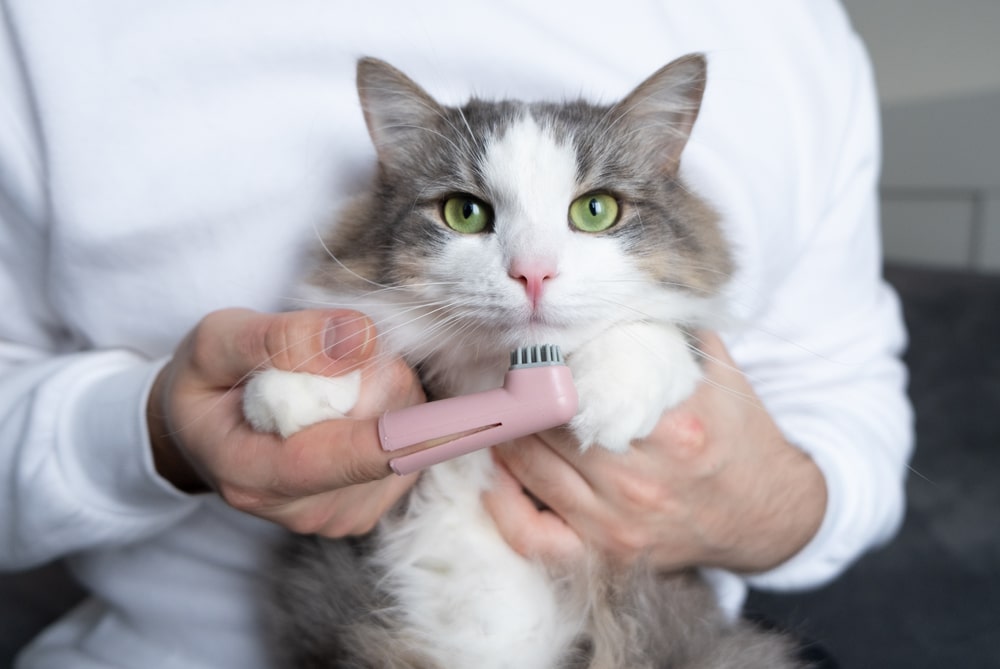
Is your cat leaving you puzzled about grooming? You might have noticed your furry friend skipping those important self-cleaning moments, and it can be frustrating.
But don’t worry—getting your cat to groom regularly is easier than you think. You’ll discover simple, effective ways to encourage your cat to stay clean and healthy. Keep reading to learn the secrets that will make grooming a natural part of your cat’s routine—and strengthen the bond between you and your pet.
Why Cats Groom Themselves
Understanding why cats groom themselves can help you support your feline friend in staying clean and comfortable. Grooming is a natural behavior that plays several important roles in a cat’s daily life. It’s more than just keeping their fur tidy—it affects their health and mood too.
Benefits Of Grooming
Grooming helps cats remove dirt, loose fur, and parasites like fleas. This keeps their coat healthy and shiny. It also prevents skin infections by cleaning wounds and reducing bacteria.
Besides hygiene, grooming helps regulate body temperature. When your cat licks its fur, the saliva evaporates and cools them down, especially on hot days.
Grooming can reduce stress and anxiety in cats. Have you noticed your cat licking itself more when it feels nervous? This self-soothing behavior helps them feel calm and safe.
Common Grooming Habits
Cats spend about 30-50% of their waking time grooming. They use their tongues, which have tiny hook-like structures, to clean and detangle fur efficiently.
- Licking fur from head to tail, often starting with the face and ears.
- Biting or nibbling at knots or mats in their fur.
- Using their paws to wash their face by licking the paw first, then rubbing it on their head.
- Scratching with claws to remove loose fur or dirt.
If your cat suddenly stops grooming, it might be a sign of pain or illness. You should observe closely and consider a vet visit if this happens.
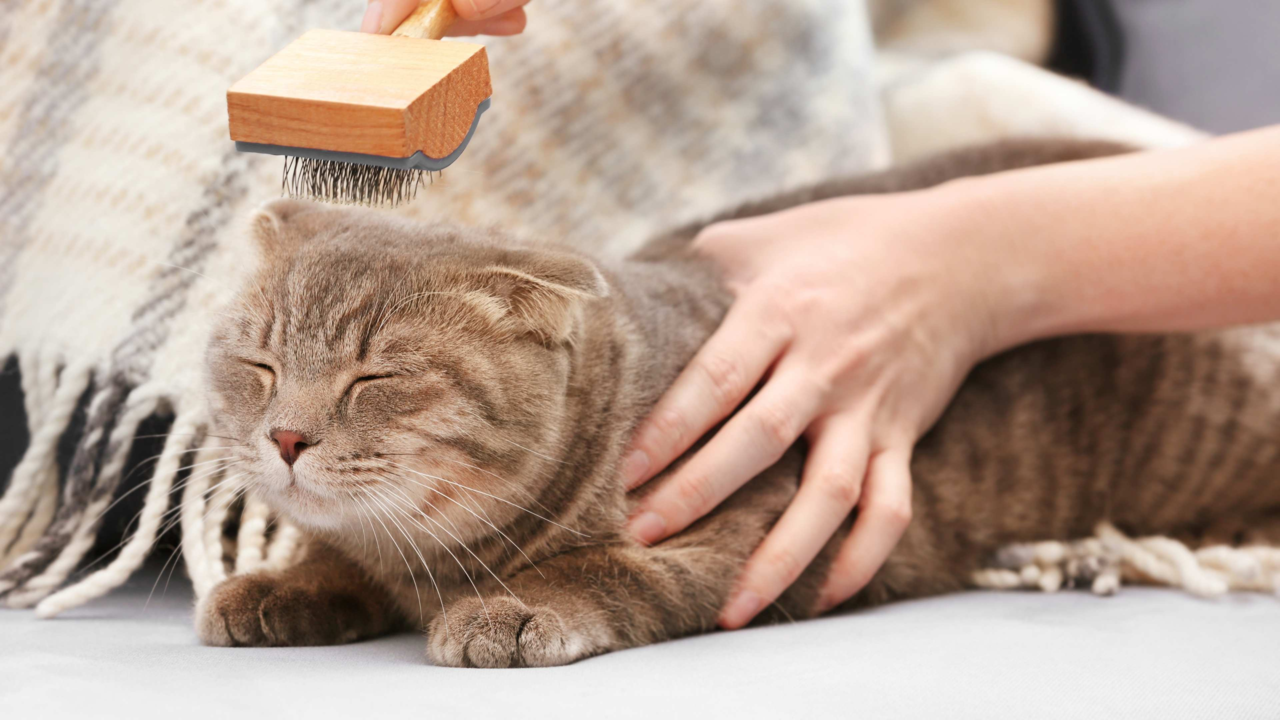
Credit: petdirect.co.nz
Signs Your Cat Needs Help Grooming
Cats are usually good at grooming themselves. Yet, some cats struggle to keep clean. They may need help grooming for many reasons. Recognizing signs early can prevent discomfort and health problems. Watch your cat closely to spot these warning signs.
Matting And Tangled Fur
Matting happens when fur sticks together and forms clumps. Tangled fur looks messy and uneven. These problems trap dirt and moisture. They can cause pain and skin infections. Cats with long fur often face this issue. Check your cat’s coat regularly for knots or mats.
Excessive Shedding
Shedding is normal, but too much can signal trouble. Patches of loose fur or bald spots show grooming difficulties. Excessive shedding may mean your cat is stressed or sick. It can also indicate poor grooming habits. Keep an eye on your cat’s fur condition every day.
Skin Irritations
Red, swollen, or flaky skin shows irritation. Your cat might scratch or lick these areas often. Skin problems may arise from allergies, parasites, or infections. Poor grooming makes skin issues worse. Look for sores, scabs, or unusual bumps on your cat’s skin.
Creating A Grooming Routine
Creating a grooming routine helps your cat stay clean and comfortable. It builds trust between you and your pet. Regular grooming reduces shedding and prevents mats. Cats enjoy consistent care more than sudden sessions. Establishing a routine makes grooming easier for both of you.
Choosing The Right Tools
Select tools based on your cat’s coat type. Short-haired cats need soft brushes or rubber combs. Long-haired cats require wide-tooth combs and slicker brushes. Use nail clippers designed for cats to trim claws safely. Consider grooming gloves if your cat dislikes brushes. Keep all tools clean and in good condition.
Setting A Grooming Schedule
Decide how often to groom based on your cat’s needs. Long-haired cats benefit from daily brushing. Short-haired cats might only need grooming once or twice a week. Pick a quiet, comfortable spot for grooming sessions. Aim for short sessions at first, around five to ten minutes. Increase time gradually as your cat gets used to it.
Encouraging Grooming Behavior
Encourage grooming by gently brushing your cat to build trust and comfort. Offer praise and treats to make grooming a positive experience. Create a calm space where your cat feels safe and relaxed.
Encouraging your cat to groom can be a rewarding experience for both of you. Grooming is a natural behavior that helps cats stay clean and healthy. However, not all cats take to it instinctively, and that’s where you come in. One day, I noticed my fluffy Persian cat, Whiskers, avoiding his grooming routine. His fur started looking tangled, and he seemed less comfortable. It was then I realized the need for a change in approach.Positive Reinforcement Techniques
Positive reinforcement is a powerful tool in encouraging grooming behavior. It’s about rewarding your cat whenever they show signs of grooming themselves. This can be as simple as giving a treat or affection when your cat licks their fur. Incorporate this into your daily routine by keeping small treats nearby. Each time your cat begins to groom, offer them a treat or a gentle stroke. Over time, your cat will associate grooming with positive experiences. Have you ever thought about how your reactions might be influencing your cat’s behavior? Cats are sensitive creatures, and your approval can motivate them to groom more often.Using Play To Promote Grooming
Playtime isn’t just for fun; it can also encourage grooming. Interactive toys can stimulate your cat’s instincts, leading them to groom afterward. Consider using feather wands or laser pointers to get your cat moving. After an active play session, cats naturally tend to groom to clean themselves. You might notice your cat starts grooming after a vigorous chase or pounce. This is the perfect time to reinforce their behavior with a treat or a kind word. What toys does your cat enjoy the most? Integrating these into a grooming routine can make the process enjoyable and effective. By encouraging your cat to groom, you’re not just helping them maintain their appearance but also strengthening your bond. How will you make grooming a part of your daily connection with your cat?Helping Cats Who Resist Grooming
Some cats do not like grooming. They may feel scared or uncomfortable. Helping these cats needs patience and care. Gentle actions can build trust. Using calming products can reduce stress. Both ways make grooming easier and better for your cat.
Gentle Handling Tips
- Speak softly to keep your cat calm.
- Use slow, smooth movements to avoid startling.
- Let your cat sniff the brush before grooming.
- Start with short grooming sessions to build comfort.
- Offer treats to reward calm behavior during grooming.
- Hold your cat gently but firmly to prevent sudden moves.
- Stop if your cat shows signs of stress or pain.
Using Calming Products
- Try pheromone sprays or diffusers to soothe your cat.
- Use calming collars designed for reducing anxiety.
- Apply natural calming sprays on bedding or brush.
- Consider herbal supplements after asking a vet.
- Play soft music or white noise to create a calm space.
- Keep the grooming area quiet and free from distractions.
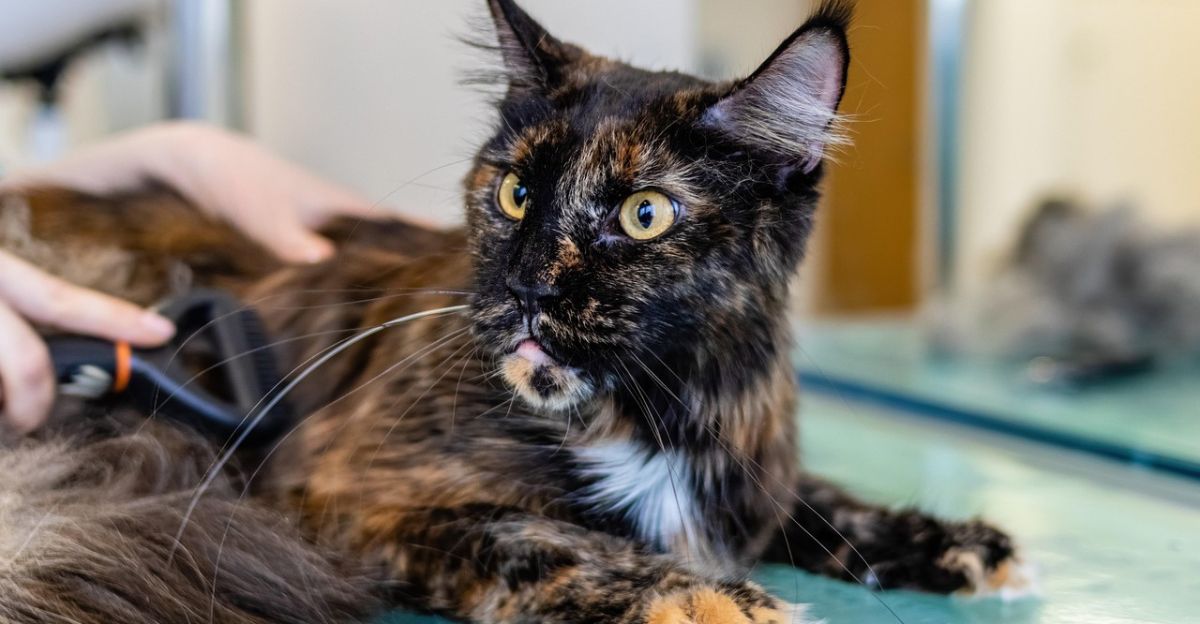
Credit: tryfurgo.com
When To Consult A Vet
Knowing when to consult a vet about your cat’s grooming habits can save you from bigger problems down the road. If your cat suddenly stops grooming or seems uncomfortable while trying, it’s a sign that something might be wrong. Paying attention to these signs early helps you protect your cat’s health and comfort.
Health Issues Affecting Grooming
Cats often stop grooming because of health problems. Pain from arthritis or dental issues can make grooming uncomfortable. Skin infections, allergies, or parasites like fleas can also cause your cat to avoid cleaning itself.
If you notice bald patches, redness, swelling, or sores, these could be signs of skin trouble. Weight changes or lethargy alongside poor grooming might point to internal health issues. You might want to ask yourself: Is my cat showing signs of discomfort or illness?
Professional Grooming Services
Sometimes, your cat needs more than just home care. Professional groomers can help especially if your cat has matted fur or is overweight and struggling to reach certain areas.
Groomers have the right tools and skills to safely clean and trim your cat’s coat. If your cat becomes stressed or aggressive during grooming, professionals can often handle these challenges better than most pet owners.
Consulting your vet about professional grooming can ensure it’s done safely. Would your cat benefit from a grooming session tailored to its specific needs?

Credit: services.petsmart.com
Frequently Asked Questions
How Can I Encourage My Cat To Groom Regularly?
Provide a calm environment and gentle brushing to encourage grooming. Use treats as positive reinforcement. Keep grooming sessions short and consistent to build a habit.
Why Is My Cat Not Grooming Itself Properly?
Cats may stop grooming due to stress, illness, or pain. Check for health issues and consult a vet if grooming declines suddenly.
What Grooming Tools Are Best For Cats?
Use a soft-bristle brush or a fine-toothed comb. Choose tools suitable for your cat’s fur type to prevent skin irritation.
How Often Should I Groom My Cat?
Groom short-haired cats once a week and long-haired cats 2-3 times weekly. Regular grooming prevents mats and reduces shedding.
Conclusion
Helping your cat groom takes time and patience. Start with gentle brushing and praise. Watch your cat’s reactions and adjust your approach. Keep grooming sessions short and calm. Use tools that suit your cat’s fur type. Remember, a clean cat is a happy cat.
Your care builds trust and comfort. Soon, grooming will become a part of your routine. Stay consistent and enjoy the bonding moments.


Leave a Reply