Are you worried that your cat isn’t grooming itself properly? You’re not alone.
Cats are usually great at keeping clean, but sometimes they need a little help to stay healthy and comfortable. If you’ve noticed your furry friend skipping their usual grooming routine, you might be wondering how to encourage them to take care of themselves.
You’ll discover simple and effective ways to get your cat to groom naturally. Keep reading, and soon your cat will be looking and feeling their best without you having to step in constantly.
Benefits Of Self-grooming
Encouraging your cat to groom itself offers more than just a clean coat. Self-grooming plays a crucial role in your cat’s overall well-being. Understanding the benefits can help you support your cat’s natural habits and recognize when they might need a little extra help.
Health Advantages
Self-grooming helps your cat keep its fur free from dirt, parasites, and loose hair. This natural cleaning process reduces the risk of skin infections and matting. Cats that groom themselves regularly often have healthier, shinier coats.
Grooming also stimulates blood circulation, which promotes skin health. Have you noticed your cat licking a certain spot repeatedly? It might be a sign they’re trying to soothe an itch or clean an area that feels uncomfortable. Encouraging regular grooming can help identify these issues early.
Behavioral Benefits
Grooming is more than hygiene; it’s a calming activity for cats. When your cat grooms itself, it often signals contentment and reduces stress. If your cat is not grooming, it might indicate anxiety or discomfort.
Self-grooming also helps cats bond with their environment and themselves. It’s a way for them to feel secure and maintain control. Have you ever noticed how your cat grooms after a stressful event? This behavior is their way of coping.
Common Grooming Challenges
Getting your cat to groom themselves can sometimes feel like a challenge. Understanding the common grooming problems cats face helps you support them better. These problems often affect their comfort and health, so spotting them early is key.
Matting And Tangling
Matting happens when your cat’s fur gets stuck together in clumps. Long-haired cats are more prone to this, but short-haired cats can also get tangles. If you notice your cat struggling with mats, it might cause discomfort or even skin irritation.
Try checking your cat’s coat regularly, especially around the neck, behind the ears, and under the legs. If you find mats, gently work them out with your fingers or a wide-toothed comb. For stubborn mats, it’s safer to visit a professional groomer to avoid hurting your cat.
Overgrooming Issues
Sometimes cats groom too much, leading to hair loss or skin sores. This can happen due to stress, allergies, or even parasites like fleas. If your cat is licking or biting a spot repeatedly, it’s a sign you need to act.
Observe what might be causing your cat’s anxiety or discomfort. Simple changes like adding more playtime or checking for fleas can help reduce overgrooming. If the problem continues, a vet visit is necessary to find the root cause.
Creating A Grooming-friendly Environment
Creating a grooming-friendly environment helps cats feel safe and relaxed. Cats groom themselves better when their surroundings are calm. Small changes in the space can encourage regular grooming habits. This section explains how to set up such an environment.
Comfortable Spaces
Cats prefer soft, warm spots to groom. Provide cozy beds or blankets in quiet corners. Avoid noisy areas or places with heavy foot traffic. Elevated spaces like shelves or cat trees give cats privacy. Clean these areas often to keep them inviting. A calm space reduces stress and boosts grooming behavior.
Proper Lighting
Natural light helps cats see better and feel calm. Place grooming areas near windows with gentle sunlight. Avoid harsh or flickering lights that may scare cats. Soft, warm lighting creates a soothing atmosphere. This lighting setup supports a cat’s comfort during grooming time.
Encouraging Natural Grooming Habits
Encouraging your cat to groom itself naturally can improve its health and reduce your grooming workload. Cats are instinctively clean animals, but some may need a little help to develop consistent grooming habits. Creating the right environment and using positive interactions can make a big difference in how often and how well your cat grooms.
Routine Establishment
Setting a daily routine helps your cat feel secure and more likely to groom regularly. Cats thrive on predictability, so try to schedule grooming-related activities like playtime and feeding at consistent times. This structure encourages your cat to relax and focus on self-care behaviors naturally.
Start by observing when your cat tends to groom the most and gently reinforce those times with calm attention or light petting. Over time, your cat will associate these moments with comfort, making self-grooming a regular part of its day. Have you noticed your cat grooming more after a quiet afternoon nap? That’s a perfect moment to support this habit.
Positive Reinforcement
Rewarding your cat when it grooms itself encourages the behavior to continue. Use treats, gentle praise, or extra affection immediately after your cat finishes grooming. This creates a positive link between self-grooming and pleasant experiences.
Try offering a favorite snack or a new toy right after your cat spends time cleaning its fur. Be patient and consistent—some cats take longer to connect the dots. What small reward does your cat respond to best? Tailoring rewards to your cat’s preferences boosts success.
Tools To Support Self-grooming
Encourage your cat to groom by providing tools like self-grooming brushes and mats. These tools can make grooming easier and more enjoyable for your pet. Regular use helps maintain a clean, healthy coat.
Cats are naturally clean animals, but sometimes they need help. Using the right tools can encourage your cat to groom itself more effectively. These tools make grooming easier and more enjoyable for your feline friend. Let’s explore some options.Brushes And Combs
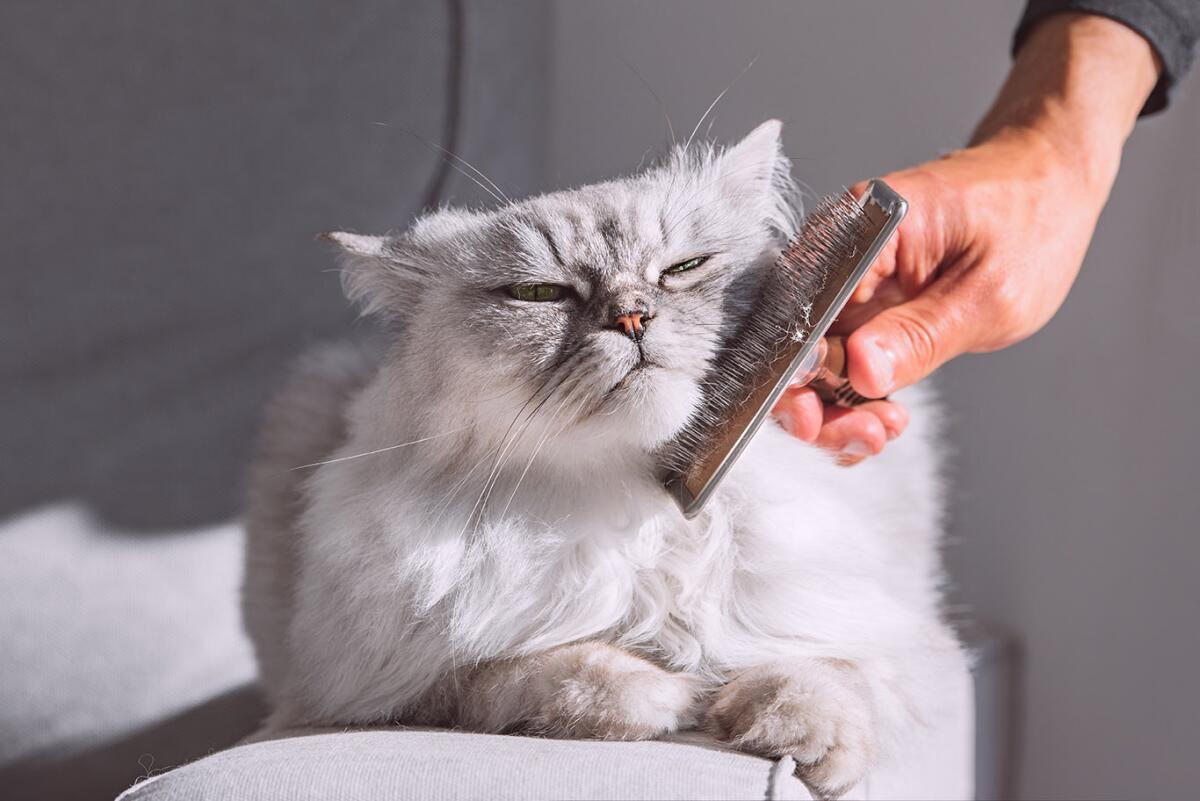
Regular brushing can prevent mats and tangles. Use a soft brush for long-haired cats. Short-haired cats benefit from a rubber brush. It helps remove loose fur and dirt. Combs with fine teeth can tackle small knots. Grooming mitts are also a great option. They mimic petting, making cats more comfortable.Self-grooming Stations
Self-grooming stations are perfect for busy cats. They often include brushes mounted on a frame. Cats can rub against them to remove loose hair. These stations also provide a massage-like experience. Place them in your cat’s favorite spot. Your cat will enjoy the independence and comfort. Providing these tools helps your cat maintain its hygiene. It also strengthens your bond with your pet.Diet And Hydration Tips
Helping cats groom themselves starts with their diet and hydration. A healthy body supports natural grooming habits. Proper nutrition and enough water keep their skin and fur in great condition.
Nutritional Support
Feeding cats a balanced diet improves their coat health. Look for foods rich in omega-3 and omega-6 fatty acids. These nutrients reduce dry skin and promote shiny fur. Protein is also essential for strong hair growth. Avoid low-quality fillers and artificial additives that may harm their skin. A well-fed cat feels better and grooms more often.
Hydration Importance
Water is key for soft, healthy fur. Dehydration can cause dry skin and itchiness. Always provide fresh water in a clean bowl. Some cats prefer running water from fountains. Wet cat food adds moisture and helps hydration too. Proper hydration supports natural oils in the skin. This encourages cats to lick and clean themselves comfortably.
When To Seek Veterinary Help
Knowing when to seek veterinary help is vital for your cat’s health. Some grooming issues signal deeper problems. Ignoring these signs can cause discomfort or illness. Early action helps your cat feel better faster.
Veterinarians can diagnose and treat underlying causes. They also offer guidance on improving your cat’s grooming habits. Trust their expertise to keep your pet healthy and happy.
Signs Of Grooming Problems
- Excessive scratching or biting
- Hair loss or bald patches
- Dirty, matted, or oily fur
- Red, swollen, or irritated skin
- Foul odor from the coat
- Reluctance to groom or move
- Visible wounds or scabs
These signs may indicate allergies, infections, parasites, or pain. Watch your cat closely for changes in behavior or appearance.
Professional Grooming Assistance
Veterinary clinics often provide grooming services. Professionals handle mats, dirt, and nails safely. They identify skin problems early. Groomers use tools suited for sensitive skin and fur.
Regular professional grooming can prevent serious issues. It helps maintain your cat’s comfort and cleanliness. Ask your vet about grooming schedules and tips for home care.
Frequently Asked Questions
How Can I Encourage My Cat To Groom Itself More?
Provide a clean, stress-free environment. Brush your cat regularly to promote self-grooming habits. Offer a balanced diet to maintain healthy fur and skin.
What Are Signs My Cat Isn’t Grooming Properly?
Look for matted fur, greasy coat, or bald spots. Excessive scratching or a bad odor also indicates poor grooming. Consult a vet if these appear.
Can Diet Affect My Cat’s Grooming Habits?
Yes, a nutritious diet supports healthy skin and fur. Omega-3 fatty acids and vitamins improve coat condition and encourage grooming behavior.
How Often Should I Brush My Cat To Aid Grooming?
Brush short-haired cats once a week and long-haired cats daily. Regular brushing helps remove loose fur and stimulates natural grooming instincts.
Conclusion
Cats groom themselves to stay clean and healthy. Helping them develop this habit takes patience and care. Provide a calm space and regular brushing to encourage grooming. Watch for signs of stress or health issues that block grooming. A happy cat grooms often and feels comfortable.
Keep these tips in mind to support your cat’s grooming routine. Small efforts lead to big benefits for your pet’s well-being. Trust your cat’s natural instincts and offer gentle guidance. Grooming is part of their daily life and good health.

Leave a Reply