If you want your cat to stay clean and healthy without constant help from you, teaching them to groom themselves is key. But how do you encourage your furry friend to take care of their own coat?
You might be surprised how simple changes in their environment and your routine can make a big difference. Keep reading to discover easy, practical steps that will help your cat become an expert at self-grooming—so you can enjoy a happier, cleaner pet with less effort.
Benefits Of Self-grooming
Self-grooming is a natural habit that benefits cats in many ways. It helps keep them clean and healthy. Cats also feel calmer and more relaxed. Their connection with themselves and their environment grows stronger through grooming. Encouraging your cat to groom itself supports these positive effects.
Health And Hygiene
Self-grooming removes dirt, loose fur, and parasites. It helps prevent skin infections and matting. Grooming spreads natural oils, keeping the coat shiny and soft. Cats maintain their body temperature better by cleaning their fur. This practice supports overall physical health and well-being.
Stress Reduction
Grooming calms cats during stressful moments. It acts like a soothing routine that lowers anxiety. Cats use grooming to feel safe and secure. This behavior helps them relax after loud noises or changes in their environment. Self-grooming promotes emotional balance and peace.
Bonding And Comfort
Grooming creates comfort and a sense of safety. It is a way for cats to care for themselves. Cats also groom each other to build trust and friendship. When a cat grooms itself, it feels content and happy. This habit strengthens their connection with their surroundings.
Common Grooming Challenges
Getting your cat to groom itself can be tricky, especially when certain challenges get in the way. Understanding these common obstacles can help you support your furry friend better. Let’s look at some of the main grooming challenges cats face and how you can make self-grooming easier for them.
Overweight Or Elderly Cats
Overweight and elderly cats often struggle to reach certain parts of their body. This limitation can cause patches of matted fur or dirt buildup. You might notice your cat licking less or avoiding grooming altogether.
Try helping your cat by gently brushing the hard-to-reach areas. Using a soft brush can make the experience more comfortable. Also, keep an eye on their weight and mobility, as improving these can boost their grooming ability.
Long-haired Breeds
Long-haired cats face unique grooming challenges. Their thick fur can easily tangle and mat, especially if they miss grooming sessions. Mats not only look unpleasant but can also cause discomfort and skin problems.
Regular brushing is essential, but how often should you brush? Daily brushing works best to prevent mats and keep the coat smooth. Consider using a wide-toothed comb to gently detangle before brushing to avoid pulling on your cat’s fur.
Skin Conditions And Parasites
Skin issues like dryness, irritation, or parasites can make grooming painful or uncomfortable. Your cat may avoid licking sore areas, leading to uneven grooming. Watch for excessive scratching, redness, or bald spots as signs your cat needs help.
Addressing these conditions quickly is key. Consult your vet for treatments that relieve discomfort. Meanwhile, assist your cat by gently cleaning affected areas and preventing further irritation through careful grooming.
Creating A Grooming-friendly Environment
Helping your cat groom itself starts with the right environment. Cats feel more relaxed and confident when their surroundings support their natural habits. Creating a grooming-friendly space encourages your cat to take care of its coat without stress or distractions.
Quiet And Comfortable Spaces
Choose a calm spot where your cat spends a lot of time. Loud noises or heavy foot traffic can make your cat anxious, reducing its willingness to groom.
Soft bedding or a cozy nook adds comfort. Have you noticed your cat prefers certain areas for resting? Those might be the best places to encourage grooming.
Proper Lighting And Tools
Natural light helps your cat see its fur clearly, making grooming easier. If natural light isn’t available, use gentle, non-harsh lighting that mimics daylight.
Keep grooming tools like brushes and combs nearby but out of sight. This lets your cat get used to the idea of grooming without feeling pressured.
Routine And Consistency
Set a daily or regular grooming time that fits your cat’s natural schedule. Cats love routine, and consistent timing helps them develop the habit.
Try to make these moments calm and positive. Have you tried pairing grooming times with gentle petting or treats to encourage self-grooming behavior?
Encouraging Grooming Behavior
Encouraging your cat to groom itself helps keep its coat clean and healthy. Cats naturally groom, but some need a little push. Creating a positive environment makes grooming more appealing. Use gentle techniques to support your cat’s grooming habits. This helps build trust and comfort around grooming.
Positive Reinforcement
Reward your cat for grooming or starting to groom. Use treats or soft praise to encourage the behavior. Keep rewards immediate so your cat connects the action and the treat. Offer petting or gentle strokes after grooming sessions. Avoid punishment; it can create fear and stress. Positive reinforcement builds confidence and makes grooming a happy habit.
Interactive Play
Playtime stimulates your cat’s mind and body. Active cats tend to groom more often. Use toys that mimic prey to excite your cat’s natural instincts. Short, frequent play sessions keep your cat engaged. After play, your cat may feel relaxed and more likely to groom. This helps develop a healthy grooming routine naturally.
Using Grooming Aids
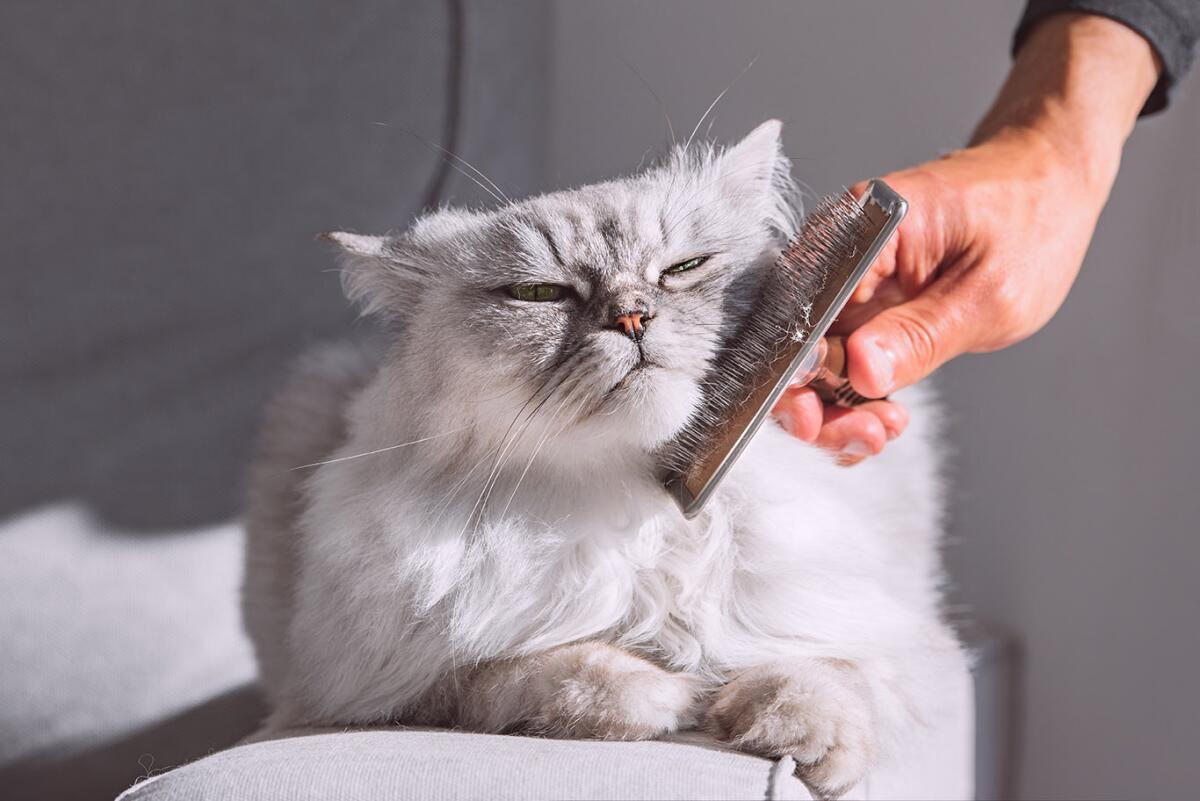
Introduce brushes and combs to help your cat feel comfortable. Use soft-bristle brushes suited for your cat’s fur type. Brush gently to avoid hurting your cat. Let your cat explore grooming tools at its own pace. Grooming aids can remove loose fur and stimulate skin oils. This supports your cat’s self-grooming and keeps the coat shiny.
Diet And Hydration For Coat Health
Ensuring your cat grooms itself effectively starts with understanding the role of diet and hydration in maintaining a healthy coat. A well-balanced diet not only supports overall health but also keeps your cat’s fur shiny and manageable. Hydration is equally important as it helps in maintaining skin elasticity and fur texture. Let’s dive into how you can enhance your cat’s grooming habits by focusing on its diet and hydration needs.
Nutrient-rich Foods
Feeding your cat nutrient-rich foods is crucial for coat health. Look for high-quality cat food that lists protein as the primary ingredient. Protein supports hair growth and repair, ensuring that your cat’s coat remains lush and vibrant.
Essential fatty acids, like Omega-3 and Omega-6, are vital for a glossy coat. These can be found in foods containing fish oil or flaxseed. If your cat’s diet lacks these, consider switching to a brand that includes them.
Supplements That Help
Sometimes, even the best diet might need a little boost. Supplements can play a significant role in enhancing your cat’s coat health. Fish oil supplements are popular as they are rich in Omega-3 fatty acids, which help reduce shedding and promote a silky coat.
Biotin is another supplement that can support healthy fur and skin. Before introducing any supplements, consult your vet to ensure they’re safe and suitable for your cat’s specific needs.
Importance Of Fresh Water
Hydration is as important as nutrition when it comes to coat health. Ensure your cat always has access to fresh, clean water. Dehydration can lead to dry skin and a dull coat, hindering your cat’s ability to groom effectively.
Consider investing in a water fountain to encourage your cat to drink more. Flowing water is often more appealing to cats, and increased water intake can significantly improve coat condition.
How do you ensure your cat is getting enough water? Share your tips and tricks in the comments below!
When To Seek Veterinary Help
Knowing when to seek veterinary help is vital for your cat’s health. Grooming problems can signal deeper health issues. Early detection prevents severe complications. Observe your cat’s grooming habits carefully. Sudden changes or neglect often need expert attention.
Signs Of Grooming Issues
- Mattes or tangles in the fur
- Excessive scratching or licking
- Bald patches or hair loss
- Red, irritated, or flaky skin
- Strong, unpleasant odor from the coat
- Visible wounds or sores
- Reluctance or inability to groom
Spotting these signs early can protect your cat’s well-being.
Treating Underlying Health Problems
Grooming issues often stem from health problems. Skin infections, allergies, or parasites may cause discomfort. Pain from arthritis or dental issues can reduce grooming. A vet can diagnose hidden illnesses. Proper treatment restores your cat’s comfort and grooming ability.
Professional Grooming Support
Some cats need professional grooming help. Long-haired breeds may struggle alone. Groomers can safely remove mats and clean fur. Regular grooming also detects skin problems early. A vet may recommend grooming services as part of care. Professional support keeps your cat clean and healthy.
Frequently Asked Questions
How Can I Encourage My Cat To Groom Itself?
Encourage self-grooming by providing a clean, stress-free environment. Regularly brush your cat to reduce loose fur. Offer praise and treats when your cat grooms. Ensure your cat is healthy, as illness can reduce grooming behavior.
Why Is My Cat Not Grooming Properly?
Cats may stop grooming due to stress, illness, or pain. Skin infections and parasites also affect grooming habits. Observe your cat for other symptoms and consult a vet if needed. Prompt treatment restores normal grooming behavior.
What Tools Help Cats Groom Themselves Better?
Use grooming brushes and combs designed for cats. Self-grooming aids like grooming gloves and mats can help. These tools remove loose fur and stimulate skin oils. Regular grooming sessions improve your cat’s comfort and coat health.
Can Diet Affect My Cat’s Grooming Habits?
Yes, a balanced diet improves skin and coat health. Nutrients like omega-3 fatty acids promote a shiny coat. Poor nutrition can lead to dry skin and less grooming. Consult your vet for the best diet plan.
Conclusion
Helping your cat groom itself takes patience and care. Cats learn best with gentle encouragement and a calm space. Regular brushing can make grooming easier and less stressful. Watch your cat closely and offer praise when it grooms well. Small steps each day build good habits over time.
Your cat will stay healthy and happy with proper grooming. Keep trying, and enjoy the bond you share with your furry friend.

Leave a Reply