Getting your cat comfortable with grooming can feel like a challenge. You want your furry friend to look and feel their best, but the process often leads to stress for both of you.
What if there was a way to make grooming a calm and even enjoyable experience? You’ll discover simple, effective steps to help your cat get used to being groomed. By the end, you’ll have the tools to turn grooming time into a bonding moment, rather than a battle.
Keep reading—your cat will thank you!
Choosing The Right Grooming Tools
Choosing the right grooming tools makes the process easier for both you and your cat. Proper tools ensure comfort and reduce stress during grooming. They also help keep your cat’s coat healthy and clean. Using the right brush or comb can prevent hair damage and tangles. Safe nail clippers protect your cat from injury. Gentle shampoos keep the skin soft without irritation.
Selecting Brushes And Combs
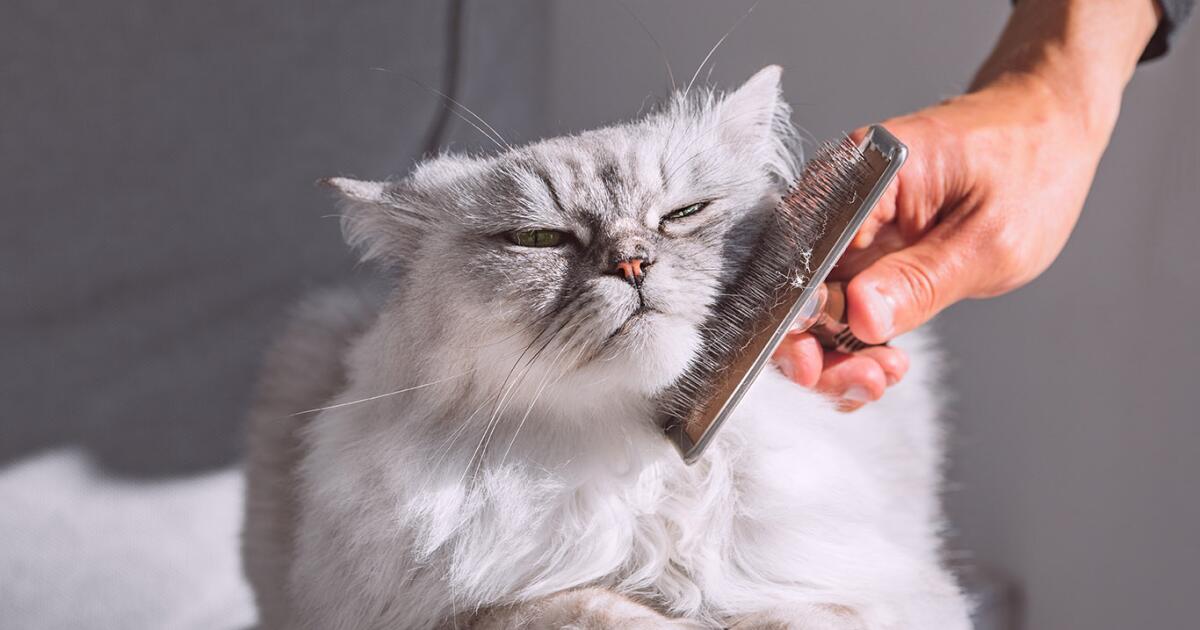
Choose brushes based on your cat’s fur type. Short-haired cats do well with soft bristle brushes. Long-haired cats need slicker brushes to remove tangles and loose hair. Combs help find mats and smooth out the coat. Use a metal comb with rounded tips to avoid scratching the skin. Brush gently in the direction of hair growth. This prevents pulling and discomfort.
Using Nail Clippers Safely
Pick nail clippers made for cats or small pets. Scissor-style or guillotine clippers work well. Avoid using human nail clippers as they can split the nails. Hold your cat’s paw firmly but gently. Cut only the sharp tip of the nail, avoiding the quick. The quick is the pink part that contains nerves and blood vessels. Stop if you see it to prevent pain and bleeding. Keep styptic powder nearby to stop bleeding if needed.
Finding Suitable Shampoos
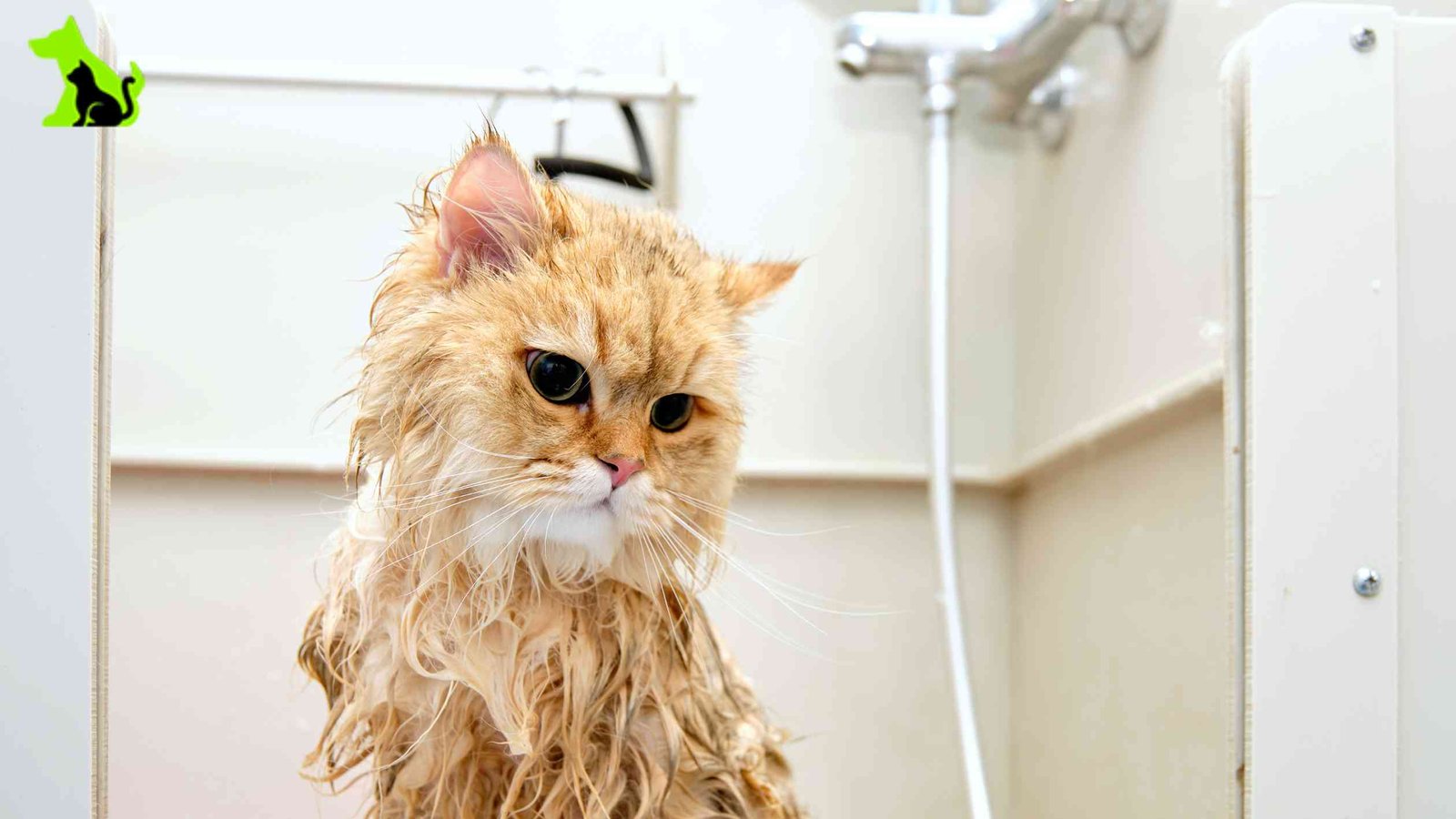
Use shampoos made for cats, not humans or dogs. Cat shampoos have the right pH to keep skin balanced. Choose a shampoo that matches your cat’s skin type, like sensitive or dry skin formulas. Avoid shampoos with strong fragrances or harsh chemicals. These can irritate your cat’s skin. Test a small area first to check for reactions. Rinse thoroughly to remove all shampoo residue.

Credit: www.purina.com
Creating A Calm Environment
Creating a calm environment helps your cat feel safe during grooming. Cats are sensitive to noise and sudden movements. A quiet, cozy space makes grooming easier for both of you. Calm surroundings reduce stress and keep your cat relaxed. Focus on three main things to set up a peaceful grooming spot.
Picking A Quiet Spot
Choose a place with little noise and few people. Avoid busy rooms or areas near loud appliances. A quiet corner or a calm room works best. Your cat will stay calmer without distractions like loud sounds or sudden movements.
Setting A Comfortable Temperature
Keep the room warm but not too hot. Cats prefer moderate temperatures for comfort. Too cold or too hot rooms can make your cat restless. A cozy space helps your cat relax during grooming sessions.
Minimizing Distractions
Turn off TVs, radios, and other noisy devices. Close doors and windows to block outside noises. Remove toys or items that might excite your cat. A distraction-free area keeps your cat focused and calm during grooming.
Introducing Grooming Gradually
Introducing grooming gradually helps your cat feel calm and safe. Cats can get nervous about new things. Taking small steps makes grooming easier for both of you. Patience and care build trust over time.
Starting With Short Sessions
Begin grooming with very short sessions. Just a few minutes each time is enough. Keep sessions calm and quiet. Stop before your cat shows signs of stress. Short sessions help your cat adjust slowly.
Using Gentle Touches
Use soft and gentle touches during grooming. Avoid pulling or pressing hard on fur. Stroke your cat in the direction the fur grows. Gentle touches feel comforting, not scary. This creates a positive experience for your cat.
Rewarding Positive Behavior
Give treats or praise after each grooming session. Rewarding good behavior encourages your cat to stay calm. Use your cat’s favorite treats or soft words. Rewards make grooming a happy time. This helps your cat learn to enjoy grooming.
Credit: www.latimes.com
Handling Common Challenges
Getting your cat comfortable with grooming can be tricky. You’ll face some common challenges that test your patience and skill. Handling these issues with care makes the grooming process smoother and strengthens your bond with your feline friend.
Dealing With Fear And Anxiety
Many cats feel scared during grooming because it’s unfamiliar and can seem threatening. Start by creating a calm environment—dim lights and soft voices help your cat relax.
Use treats and gentle praise to build positive associations. Have you noticed how your cat responds when you pause and give a reassuring pet? This can ease their nerves significantly.
Managing Resistance And Scratching
Resistance and scratching often come from discomfort or fear. Try using a towel to gently wrap your cat if they become too wiggly—this provides a sense of security.
Keep grooming sessions short and focused on the most important areas. If your cat scratches, never punish them; instead, redirect their attention with a toy or treat.
Recognizing When To Take Breaks
Pay close attention to your cat’s body language. Signs like tail flicking, ears flattening, or growling mean it’s time to pause.
Taking breaks prevents stress from building up and helps your cat associate grooming with positive experiences. Could shorter, more frequent sessions work better for your cat’s temperament?
Maintaining Regular Grooming Habits
Regular grooming helps cats feel comfortable and keeps their fur healthy. Start slowly, using gentle strokes and praise to build trust. Consistency makes grooming a positive part of their routine.
Maintaining regular grooming habits for your cat ensures they stay clean and healthy. A routine helps your cat feel comfortable during grooming sessions. Consistent grooming can also strengthen the bond between you and your pet.Establishing A Routine
Start by grooming your cat at the same time each day. This builds anticipation and comfort in your cat. Use gentle strokes and soft brushes. Keep sessions short to prevent stress. Reward your cat with treats or affection afterward. Positive reinforcement makes grooming a pleasant experience.Monitoring Coat And Skin Health
Regular grooming lets you check your cat’s coat and skin for issues. Look for signs of dryness, redness, or parasites. A healthy coat is shiny and free of tangles. Routine checks help spot problems early. Early detection leads to quicker solutions and a happier cat.When To Seek Professional Help
Some cats resist grooming despite your efforts. If your cat is aggressive or very anxious, consider professional help. Groomers have experience with difficult cats. They can safely handle your pet. Also, seek help if you notice serious skin problems. A vet can diagnose and treat underlying issues.
Credit: www.reddit.com
Frequently Asked Questions
How Often Should I Groom My Cat?
Groom your cat at least once a week. Regular grooming reduces shedding and prevents matting. Long-haired cats may need more frequent care.
What Tools Are Best For Cat Grooming?
Use a soft-bristle brush or a comb designed for cats. Nail clippers and grooming wipes are also helpful. Choose tools suitable for your cat’s fur type.
How Can I Make Grooming Stress-free For Cats?
Start grooming slowly with gentle strokes. Reward your cat with treats and praise. Keep sessions short and positive to build trust.
When Is The Best Time To Groom My Cat?
Groom your cat when it is calm or sleepy. Avoid grooming right after meals or playtime. Consistency helps your cat get used to grooming.
Conclusion
Getting your cat used to grooming takes time and patience. Start slow, use gentle strokes, and offer treats. Stay calm and watch your cat’s reactions closely. Small, regular sessions help build trust and comfort. Remember, every cat is different and learns at its own pace.
Keep grooming positive and stress-free to make it easier. Soon, your cat will accept grooming as a normal part of life. Consistency and kindness are key to success. Enjoy the bonding moments with your furry friend.




Leave a Reply