Getting your cat to use the litter box can sometimes feel like a frustrating challenge. You want a clean home and a happy pet, but accidents keep happening.
What if there was a simple way to fix this? You’ll discover easy, effective tips to help your cat learn where to go. By following these steps, you can save time, reduce stress, and enjoy a fresh-smelling home. Keep reading to find out how to make litter box training smooth and successful for both you and your furry friend.
Choosing The Right Litter Box
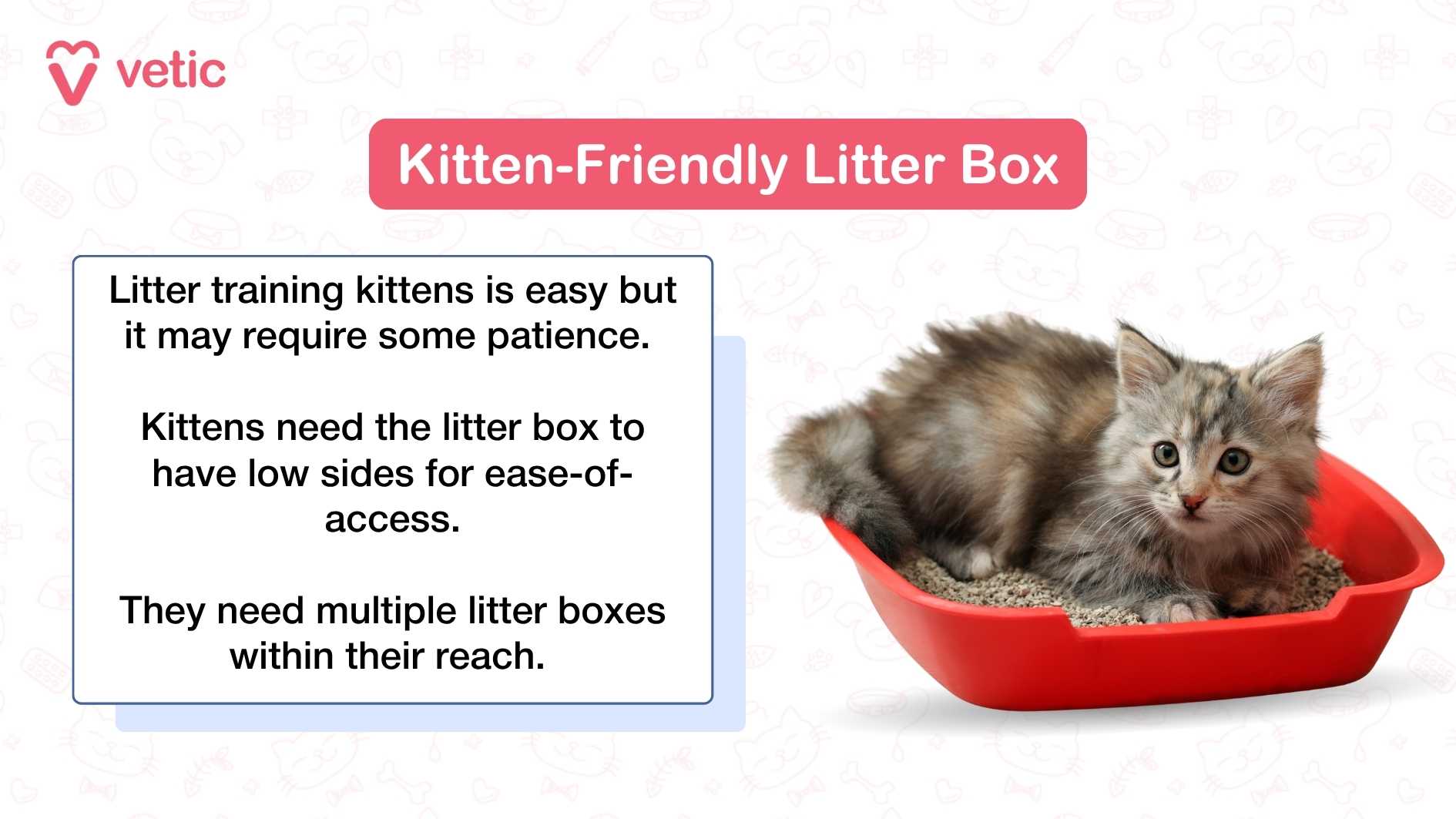
Choosing the right litter box is one of the first and most important steps to help your cat use it consistently. If the box doesn’t fit your cat’s needs, you might face accidents and frustration. Think about your cat’s size, habits, and preferences before making a choice.
Size And Shape Matters
Your cat needs enough space to turn around comfortably in the litter box. A box that is too small can discourage them from using it. Larger cats especially require bigger boxes, so don’t hesitate to get one that offers plenty of room.
Try to observe your cat’s natural posture when they use the box. Some cats prefer a longer box to stretch out, while others may like a deeper one for digging. Matching the shape to your cat’s behavior can make a big difference.
Covered Vs. Open Boxes
Covered litter boxes offer privacy and help contain odors, but not all cats like feeling enclosed. Some may avoid a covered box because it feels trapping or limits ventilation.
Open boxes are easier to access and often preferred by cats who like to watch their surroundings. If your cat is shy or nervous, an open box placed in a quiet corner might work better. Try both types if you’re unsure which your cat prefers.
Number Of Boxes Needed
How many litter boxes should you have? The general advice is one box per cat plus one extra. This reduces stress and prevents territorial issues that can lead to accidents.
If you have multiple floors in your home, place boxes on each level to make access easier. Cats may refuse to climb stairs just to use the litter box, so convenience matters a lot.
Are you noticing your cat avoiding the box sometimes? Adding an extra box in a different location might solve the problem quickly.

Credit: cats-magazine.com
Picking The Best Cat Litter
Picking the best cat litter plays a crucial role in encouraging your cat to use the litter box consistently. The right litter can make the experience comfortable and familiar for your cat, reducing accidents outside the box. Understanding different types and features helps you choose a litter that suits both your cat’s preferences and your cleaning routine.
Types Of Cat Litter
Cat litter comes in various materials, each with its own benefits. Clay-based litters are popular because they absorb moisture well and control odors effectively. However, natural options like wood pellets, corn, or wheat litters offer biodegradable choices that are gentler on the environment.
Consider your cat’s sensitivities too. Some cats prefer softer litters that feel gentle on their paws, while others might reject scented or dusty types. Have you noticed your cat avoiding the litter box? The type of litter could be the reason.
Scented Vs. Unscented
Scented litters mask odors, which might seem helpful for you. But many cats dislike strong smells and may avoid the box because of it. Unscented litters allow your cat to feel comfortable without overwhelming their sensitive nose.
If odor control is a concern, try unscented litter with good clumping properties or add baking soda nearby instead of using scented litter. Have you tried switching from scented to unscented? It might be the simple change that solves your problem.
Clumping And Non-clumping Options
Clumping litter forms solid clumps when wet, making cleaning easier and keeping the box fresh. This type can save you time and reduce odor by allowing you to scoop out waste daily. Non-clumping litter absorbs moisture but requires more frequent complete changes to avoid smells.
Think about your cleaning habits and your cat’s preferences. If your cat tends to dig a lot, clumping litter might be better to keep the box tidy. Have you noticed a difference in your cat’s behavior with clumping versus non-clumping litter?
Ideal Litter Box Placement
Choosing the right spot for your cat’s litter box is crucial. Cats are sensitive creatures, and placement can affect their willingness to use it. Ensuring a comfortable, accessible location can help prevent accidents and encourage proper habits.
Quiet And Private Spots
Cats enjoy privacy when doing their business. Place the litter box in a quiet, secluded area. Avoid noisy appliances like washing machines or dryers. This will make your cat feel secure and relaxed.
Avoiding High-traffic Areas
High-traffic areas can stress your cat. Avoid placing the litter box in busy hallways or near frequently used doors. Too much activity may discourage your cat from using it.
Accessibility For Kittens And Older Cats
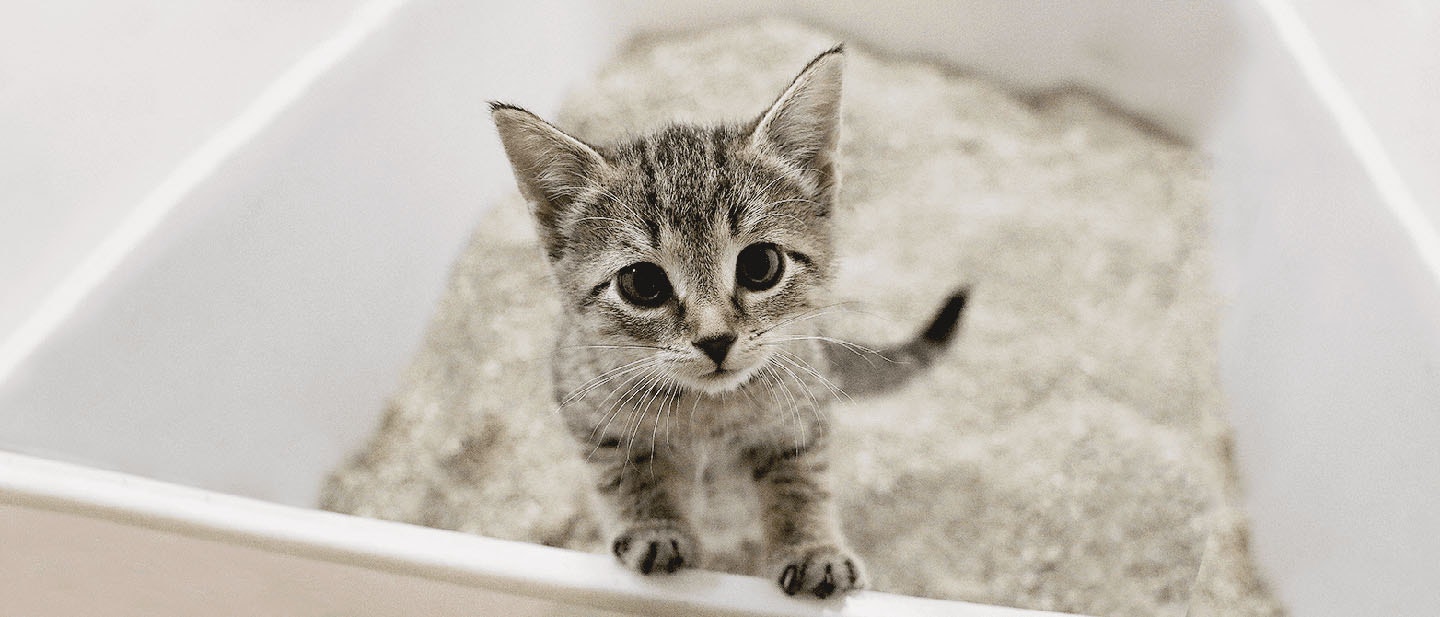
Kittens and older cats need easy access to their litter box. Ensure it’s on the same floor where they spend most of their time. Avoid steep stairs, which can be challenging for them. A convenient location helps maintain their routine.
Training Your Cat
Training your cat to use the litter box takes patience and consistency. Cats learn best in a calm and positive setting. Establishing good habits early helps avoid frustration for both you and your cat.
Introducing The Litter Box
Place the litter box in a quiet, easy-to-find spot. Avoid noisy or busy areas. Let your cat explore the box at their own pace. Show them where it is after meals and naps. Keep the box clean and filled with fresh litter. A clean box encourages use and reduces accidents.
Positive Reinforcement Techniques
Praise your cat softly when they use the box. Offer small treats or gentle petting as rewards. Avoid punishment for mistakes. Positive rewards help your cat understand good behavior. Keep training sessions short and calm. Use the same words or sounds to signal success.
Dealing With Accidents
Accidents happen. Clean spots immediately with an enzyme cleaner to remove odor. Do not use ammonia-based cleaners; they smell like urine to cats. Avoid scolding your cat. Instead, place them gently in the litter box after accidents. Observe if the box location or litter type needs change. Consistency is key to reducing accidents over time.
Maintaining Cleanliness
Maintaining cleanliness in your cat’s litter box is key to encouraging consistent use. Cats prefer a tidy space for their bathroom needs. A clean litter box reduces odors and discomfort, making your cat more willing to use it.
Keeping the litter box clean helps prevent accidents outside the box. It also supports your cat’s health by reducing bacteria buildup. Simple cleaning habits create a pleasant environment for both you and your pet.
Daily Scooping Tips
Remove clumps and waste from the litter box every day. Use a scoop with small holes to catch clean litter. Scoop thoroughly to keep the box fresh and inviting. This quick task stops bad smells and keeps the litter dry.
Regular Deep Cleaning
Wash the litter box with warm water and mild soap weekly. Avoid strong cleaners that can leave harmful residues. Rinse well and dry completely before adding new litter. Deep cleaning helps prevent stains and bacteria growth.
Replacing Litter Properly
Change all the litter at least once a week. Empty the box fully before adding fresh litter. Use the right amount—about two to three inches deep. Keep the litter type consistent to avoid confusing your cat.
Credit: www.whiskas.com.ph
Addressing Common Problems
Getting your cat to consistently use the litter box can sometimes feel like solving a puzzle. Addressing common problems early can save you frustration and keep both you and your feline friend happy. Understanding the reasons behind litter box issues helps you apply the right solutions effectively.
Avoiding Litter Box Aversion
Some cats develop a dislike for their litter box, making them avoid it altogether. This can happen if the box is dirty, placed in a noisy spot, or if the litter type is uncomfortable.
Try cleaning the box daily and changing the litter regularly. Place the box in a quiet, low-traffic area where your cat feels safe. Experiment with different litter textures to find what your cat prefers—some like clumping clay, others prefer natural or unscented options.
Have you noticed if your cat avoids the box after a loud noise or disturbance? Creating a calm and consistent environment around the litter area often makes a big difference.
Handling Marking Behavior
Marking is different from regular urination; it’s a way cats communicate territory, especially if there are other pets or changes in the home.
To reduce marking, increase the number of litter boxes—ideally one per cat plus one extra. Keep the boxes clean to discourage marking outside the box. Use pheromone diffusers to help reduce anxiety and territorial stress.
Think about recent changes in your home. Has a new pet arrived or have there been visitors? Addressing these stressors can lower marking behavior significantly.
When To Consult A Vet
Sometimes litter box issues signal a health problem like urinary tract infections or kidney issues. If your cat suddenly stops using the box or shows signs of discomfort, it’s time to consult a vet.
Other warning signs include frequent attempts to urinate with little output, blood in the urine, or excessive licking of the genital area. Early medical intervention can prevent serious complications and help your cat get back to normal quickly.
Are you unsure whether the problem is behavioral or medical? A vet visit can provide clarity and peace of mind, ensuring your cat’s health is on track.

Credit: www.outdoorbengal.com
Frequently Asked Questions
How Do I Introduce My Cat To A Litter Box?
Place the litter box in a quiet spot. Gently place your cat inside after meals. Reward and praise your cat for using it.
What Type Of Litter Is Best For Cats?
Unscented, clumping litter is preferred by most cats. It absorbs odors well and is easy to clean. Avoid strong fragrances that may deter your cat.
How Often Should I Clean The Litter Box?
Scoop waste daily to maintain cleanliness. Fully change the litter and wash the box weekly. A clean box encourages consistent use.
What If My Cat Refuses To Use The Litter Box?
Check the box location, cleanliness, and litter type. Consult a vet for possible health issues. Patience and positive reinforcement are key.
Conclusion
Getting your cat to use the litter box takes time and patience. Keep the box clean and in a quiet place. Reward your cat when it uses the box correctly. Watch for signs if your cat avoids the litter box.
Changing the type of litter or box might help. Stay calm and consistent with training steps. Soon, your cat will feel comfortable using the litter box. A happy cat means a happy home. Keep trying—you will see progress.



Leave a Reply