Taking care of your cat’s grooming isn’t just about keeping them looking good—it’s about their health and happiness too. If you’ve ever wondered how to make grooming easy and stress-free for both you and your furry friend, you’re in the right place.
This guide will walk you through simple steps that anyone can follow, whether you have a playful kitten or a wise old cat. By the end, you’ll feel confident handling your cat’s grooming needs like a pro. Ready to discover the secrets to a well-groomed, happy cat?
Let’s dive in!
Cat Grooming Basics
Grooming your cat is more than just keeping them clean—it’s about building trust and ensuring their health. Understanding the basics helps you make grooming a positive experience for both of you. With the right approach, grooming can become a bonding moment rather than a chore.
Choosing The Right Tools
The tools you pick can change how your cat feels about grooming. A soft-bristle brush works well for short-haired cats, while a wide-tooth comb is better for untangling longer fur. Avoid metal combs with sharp edges—they might hurt your cat’s skin.
Consider adding nail clippers designed for cats to your kit. Quality tools don’t have to be expensive but should feel comfortable in your hand. Have you noticed how your cat reacts to different brushes? That reaction can guide your choice.
Establishing A Grooming Routine
Consistency is key when it comes to grooming. Setting a regular schedule, like every other day or twice a week, helps your cat get used to the process. Short sessions work better—five to ten minutes is enough to start.
Try to pick a calm time of day when your cat is relaxed. If your cat resists, don’t force it; instead, stop and try again later. Have you found a time of day when your cat is more cooperative?
Recognizing Your Cat’s Preferences
Every cat has unique likes and dislikes during grooming. Some prefer gentle strokes along their back, while others may enjoy their chin or ears being rubbed. Pay attention to your cat’s body language—purring, kneading, or leaning in usually means they’re comfortable.
If your cat flinches or moves away, try changing your technique or the area you’re grooming. You might discover that your cat prefers brushing when sitting on your lap instead of on the floor. What signals does your cat give you that show they’re enjoying grooming?
Brushing Techniques
Brushing your cat regularly is essential to keep their coat healthy and shiny. The techniques you use depend heavily on your cat’s fur length and texture. Let’s dive into brushing tips that make grooming easier and more enjoyable for both you and your feline friend.
Short-haired Cats
Short-haired cats usually need less frequent brushing, but it’s still important. Use a soft-bristled brush or a rubber grooming glove to remove loose fur and dirt gently.
Brush in the direction of hair growth with light strokes. This prevents skin irritation and helps you bond with your cat.
Try brushing for just a few minutes daily and observe how your cat reacts. You might find that short sessions work best to keep your cat calm and cooperative.
Long-haired Cats
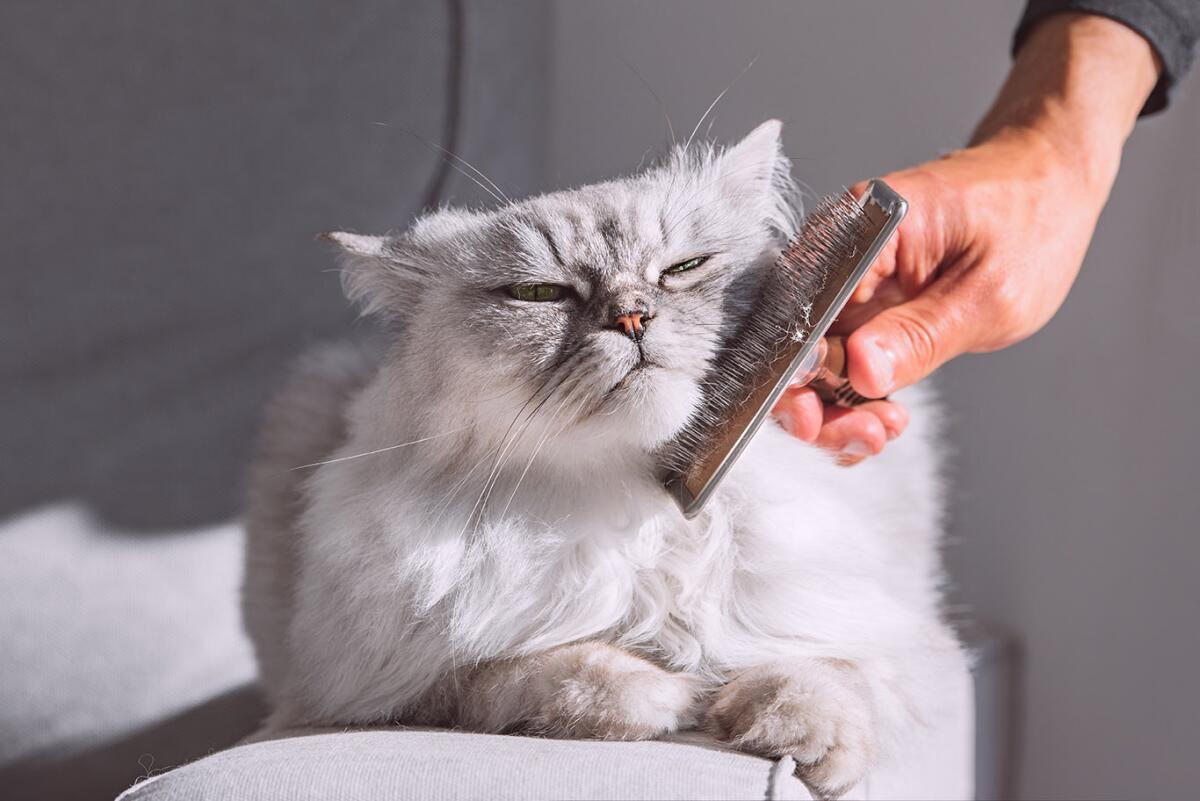
Long-haired cats require more attention to prevent tangles and matting. Use a wide-toothed comb or slicker brush to carefully work through their coat.
Start brushing from the head and move towards the tail, section by section. Be gentle to avoid pulling on sensitive skin, which can make your cat wary of grooming.
Have you noticed your cat’s fur getting fluffier or more prone to knots? Increasing brushing frequency to several times a week can reduce shedding and keep their coat smooth.
Dealing With Mats And Tangles
Mats can be uncomfortable or even painful for your cat, so addressing them quickly is crucial. Use a dematting comb or a pair of blunt-ended scissors if you feel confident and your cat stays calm.
Work on small mats by gently loosening the fur with your fingers first, then carefully comb through. If mats are severe, it’s best to visit a professional groomer to avoid hurting your cat.
Have you ever tried to remove a mat only to see your cat get upset? Patience and calmness during this process make a big difference, as does rewarding your cat with treats for good behavior.
Bathing Your Cat
Bathing your cat might seem like a daunting task, but it’s sometimes necessary to keep them clean and healthy. Many cats groom themselves well, yet certain situations call for a bath—like when they get into something sticky or smelly. Understanding how to bathe your cat safely can turn this challenge into a calm experience for both of you.
When To Bathe
Most cats don’t need frequent baths because they clean themselves. However, you should consider bathing your cat if:
- They get into something oily, sticky, or toxic.
- They have skin conditions that require medicated baths.
- They are elderly or overweight and can’t groom properly.
- They have fleas or dirt buildup that brushing can’t remove.
Ask yourself: Is your cat’s fur visibly dirty or smelly? If yes, then a bath is likely needed.
Preparing For The Bath
Preparation is key to a smooth bathing session. Gather everything you need beforehand: cat-friendly shampoo, a towel, a cup for rinsing, and a non-slip mat for the sink or tub. This keeps the process quick and reduces stress for your cat.
Trim your cat’s nails to prevent scratches, and brush their fur to remove loose hair and mats. If your cat is nervous, try calming them with gentle petting and soft words before starting.
Safe Bathing Steps
Use lukewarm water—not too hot or cold—to avoid shocking your cat. Wet your cat gently with a cup or sprayer, avoiding the head area. Apply a small amount of cat-specific shampoo and lather carefully, focusing on the body.
- Rinse thoroughly to remove all soap—leftover shampoo can irritate skin.
- Use a towel to dry your cat as much as possible; some cats tolerate a blow dryer on low heat, but watch closely for signs of distress.
- Keep the environment warm and quiet after the bath to help your cat relax and dry off comfortably.
Have you noticed how your cat reacts during a bath? Adjust your approach to make them feel safer, and remember, patience goes a long way.
Nail Care Tips
Taking care of your cat’s nails is an essential part of grooming that often gets overlooked. Proper nail care prevents discomfort for your cat and protects your furniture from scratches. It’s also an opportunity to bond with your feline friend if done with patience and care.
Trimming Frequency
How often you trim your cat’s nails depends on their lifestyle. Indoor cats usually need trimming every 1 to 2 weeks because they don’t naturally wear down their nails. Outdoor cats might need it less often since climbing and digging help keep their nails short.
Watch your cat’s nails carefully. If you hear clicking sounds when they walk on hard floors, it’s time for a trim. Keeping a regular schedule can prevent nails from becoming too long or sharp.
Proper Clipping Methods
Choose a quiet spot where your cat feels relaxed. Use a sharp nail clipper designed for cats to avoid splitting the nails. Hold your cat’s paw gently but firmly, and press the pad to extend the nail.
Clip just the white tip of the nail, avoiding the pink area known as the quick. Cutting the quick causes pain and bleeding. If you do accidentally cut it, apply styptic powder or cornstarch to stop bleeding.
- Clip nails in small sections if your cat’s nails are long.
- Reward your cat with treats to make nail care a positive experience.
- Stop if your cat becomes too stressed and try again later.
Handling Difficult Cats
Not all cats will sit still for nail trimming. If your cat resists, try wrapping them gently in a towel to keep them calm and secure. Speak softly and offer treats between nail clips.
Sometimes, trimming just one or two nails per session is better than forcing the entire paw at once. You can gradually increase the number as your cat gets more comfortable.
Have you noticed your cat’s behavior change after nail trims? Keeping sessions short and stress-free helps your cat associate nail care with calmness, not fear.
Ear And Eye Care
Proper ear and eye care is essential in cat grooming. Cats rely on their senses for exploring the world. Neglecting their ear and eye health can lead to discomfort or infections. Regular checks and cleaning can prevent common issues.
Cleaning Ears Safely
Cleaning your cat’s ears keeps them healthy. Use a cat-safe ear cleaner. Gently lift the ear flap and apply the cleaner. Massage the base of the ear to loosen debris. Let your cat shake its head to remove excess liquid. Wipe away the debris with a soft cloth.
Addressing Eye Discharge
Eye discharge can occur due to dust or allergies. Use a damp cotton ball to clean the eyes. Wipe from the inner corner outward. Ensure you use a fresh cotton ball for each eye. This prevents spreading potential infections.
Signs Of Infection
Watch for redness, swelling, or a bad odor. These can indicate an infection. Excessive scratching or head shaking are also warning signs. Consult your vet if you notice these symptoms. Early treatment prevents complications.
Dental Hygiene
Dental hygiene plays a key role in your cat’s overall health. Poor dental care can lead to pain, infections, and other serious problems. Keeping your cat’s teeth clean prevents bad breath and promotes strong gums. Regular dental care helps avoid costly vet visits and keeps your cat happy.
Brushing Your Cat’s Teeth
Start brushing your cat’s teeth slowly and gently. Use a small, soft toothbrush made for cats. Apply a cat-friendly toothpaste, never use human toothpaste. Brush in small circles on the front and back teeth. Aim to brush your cat’s teeth two to three times a week. Praise and reward your cat to make brushing a positive experience.
Choosing Dental Products
Select products designed specifically for cats. Use toothpaste with flavors cats like, such as poultry or fish. Choose brushes with soft bristles and a comfortable handle. Dental wipes can be an alternative for cats who dislike brushing. Dental treats and toys help reduce plaque and freshen breath. Always check product labels for safety and vet recommendations.
Preventing Oral Issues
Regularly check your cat’s mouth for redness, swelling, or bad odor. Signs of dental problems include drooling, difficulty eating, and pawing at the mouth. Offer crunchy food to help clean teeth naturally. Schedule yearly dental check-ups with your vet. Early detection of issues can prevent serious damage. Good dental habits protect your cat’s health and comfort.
Health Benefits Of Grooming
Grooming your cat is more than keeping its fur neat. It helps keep your cat healthy and happy. Regular grooming brings several health benefits that improve your cat’s life. Understanding these benefits can make grooming a pleasant routine for both you and your cat.
Reducing Hairballs
Cats clean themselves by licking their fur. This causes loose hair to enter their stomach. Hairballs form when too much hair gathers inside. Grooming removes loose fur before your cat swallows it. Brushing your cat lowers hairball problems. This keeps your cat more comfortable and prevents digestive issues.
Early Detection Of Health Problems
Grooming helps you check your cat’s body closely. You can spot lumps, bumps, or skin changes early. Look for redness, swelling, or parasites like fleas and ticks. Early detection means quick treatment. This can stop health problems from getting worse. Grooming is a simple way to watch your cat’s health regularly.
Strengthening Your Bond
Grooming time creates trust between you and your cat. Gentle brushing feels good and calms your pet. Your cat learns to enjoy your touch. This builds a strong, loving connection. Grooming is a chance to show care and attention. It improves your relationship and makes your cat feel safe.
Handling Grooming Challenges
Cats may resist grooming, but patience helps. Use gentle strokes and short sessions to keep them calm and comfortable. Regular brushing reduces mats and shedding, making grooming easier over time.
Handling grooming challenges with your cat can be tricky. Cats may resist grooming efforts, leading to stress for both of you. Understanding how to handle these challenges makes the process smoother.Managing Stress And Anxiety
Cats sense stress and react to it. Use a calm voice and gentle touch. Create a peaceful environment before grooming starts. Play soothing music or use calming sprays. Familiarity with grooming tools helps. Let your cat sniff and explore them. Reward your cat with treats for staying calm.Dealing With Aggressive Behavior
Aggressive cats can be challenging. Stay calm and avoid sudden movements. Use a towel to gently restrain your cat if needed. Speak softly to reassure them. Short grooming sessions reduce frustration. Gradually increase the duration as your cat relaxes. Positive reinforcement, like treats, encourages good behavior.When To Seek Professional Help
Some cats refuse grooming despite your efforts. Professional groomers handle difficult cats safely. Seek help if your cat shows extreme aggression. A vet may check for underlying issues causing discomfort. Regular professional grooming ensures your cat’s coat stays healthy.Frequently Asked Questions
How Often Should I Groom My Cat?
Groom your cat at least once a week to keep its coat healthy. Long-haired cats may need daily grooming. Regular brushing reduces shedding, prevents mats, and promotes bonding between you and your cat.
What Tools Do I Need For Cat Grooming?
Essential grooming tools include a slicker brush, comb, nail clippers, and cat-safe wipes. Choose tools based on your cat’s fur type. Proper tools make grooming effective and comfortable for your cat.
How Can I Make Cat Grooming Less Stressful?
Create a calm environment and use gentle strokes. Start grooming sessions short and gradually increase time. Reward your cat with treats to build positive associations with grooming.
When Should I Trim My Cat’s Nails?
Trim your cat’s nails every 2 to 3 weeks or when they get sharp. Regular nail trimming prevents scratching damage and keeps your cat comfortable. Use proper cat nail clippers for safety.
Conclusion
Grooming your cat helps keep them healthy and happy. Regular brushing stops mats and reduces shedding. Use gentle tools and stay calm to ease stress. Watch your cat’s skin and fur for changes. Clean ears and trim nails carefully. A clean cat feels good and looks great.
Make grooming a calm, positive time for both. Small daily efforts bring long-term benefits. Start slowly, and your cat will enjoy it more. Good grooming creates a strong bond between you and your pet.


Leave a Reply