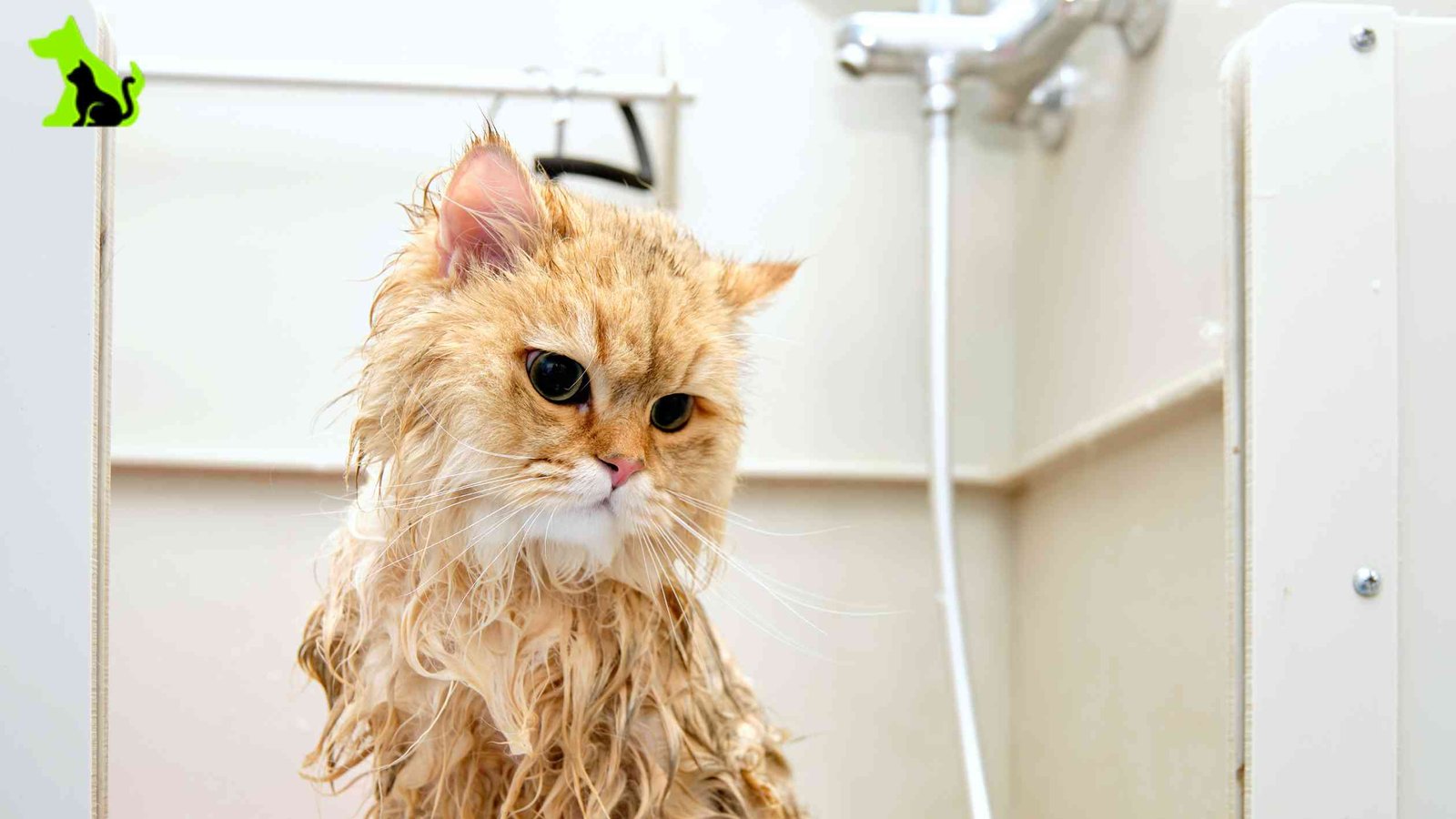
Taking your cat to the groomer can be a stressful experience—for both you and your furry friend. If your cat gets anxious or scared during grooming visits, you’re not alone.
But imagine if you could help your cat stay calm and relaxed every time. You’ll discover simple, effective ways to ease your cat’s nerves before and during grooming. Keep reading, and learn how to turn those tense trips into peaceful moments your cat can handle with ease.

Credit: www.youtube.com
Recognize Cat Stress Signs
Recognizing the signs of stress in your cat is key to helping them stay calm during grooming sessions. Cats can’t tell you they’re anxious, but their behavior and body language speak volumes. If you learn to spot these signs early, you can intervene before stress turns into fear or aggression.
Behavioral Indicators
Watch how your cat acts when they’re at the groomer. Are they hiding or trying to escape? These are clear signs of discomfort.
Other common behaviors include:
- Excessive meowing or growling
- Restlessness or pacing
- Avoiding eye contact or stiff body posture
- Sudden aggression like hissing or swatting
Once, my cat froze completely and refused to move in the groomer’s chair. That stillness was her way of saying she was overwhelmed. Have you noticed your cat doing something unusual when stressed?
Physical Symptoms
Stress doesn’t just show in behavior; your cat’s body will also reveal how they feel. Look for signs like:
- Rapid breathing or panting
- Trembling or shaking
- Excessive grooming or licking
- Dilated pupils and flattened ears
During one visit, I noticed my cat’s tail twitching rapidly—a subtle but clear sign she was anxious. These physical clues help you understand when your cat needs a break or extra comfort. Have you ever seen your cat’s pupils get huge when they’re scared?
Prepare Your Cat Before Grooming
Preparing your cat before a grooming session can make all the difference in keeping them calm and cooperative. Cats often react to new experiences with stress, but gentle preparation helps them feel safe and less anxious. You can start by introducing your cat to the grooming environment and tools gradually, so the experience feels familiar rather than frightening.
Familiarize With Grooming Tools
Show your cat the grooming tools before the appointment. Let them sniff and explore brushes, clippers, or nail trimmers while you gently praise them. This simple step builds curiosity instead of fear.
Try leaving the tools where your cat spends time. Over a few days, they will associate these items with normal, non-threatening objects. You might notice your cat sniffing or even pawing at the brush, which is a great sign.
Practice Handling Sessions
Get your cat used to being touched in grooming areas by holding short handling sessions at home. Touch their paws, ears, and belly gently, using calm and reassuring tones. Keep these sessions brief and positive to avoid overwhelming your cat.
Ask yourself: How does your cat respond when you touch sensitive spots? If they pull away, slow down and try again later. Over time, your cat will tolerate handling better, making the groomer’s job easier and less stressful for both of you.
Choose The Right Groomer
Choosing the right groomer helps keep your cat calm and safe. A good groomer knows how to handle cats gently and patiently. This makes the grooming experience less stressful for your pet. Taking time to find the right place pays off in comfort and care.
Look For Cat-friendly Salons
Pick salons that specialize in cat grooming. These places use tools and techniques made for cats. They understand feline behavior and reduce stress during grooming. The environment is quiet and calm, helping cats feel secure. Staff are trained to soothe nervous cats gently.
Check Reviews And Recommendations
Read reviews from other cat owners. Look for feedback about patience and care. Positive reviews often mention how the groomer handled shy or scared cats. Ask friends or your vet for recommendations. Trusted opinions help you find a groomer your cat will like.

Credit: missmeow.ae
Create A Calm Environment
Creating a calm environment at the groomer can make a huge difference in how your cat handles the experience. Cats are sensitive to sights, sounds, and smells, so adjusting these elements can help reduce their stress. You want your cat to feel safe and relaxed, not overwhelmed or scared.
Use Pheromone Sprays
Pheromone sprays mimic the natural calming scents cats produce when they feel secure. Spraying these in the grooming area can help your cat feel more at ease. Try using them on the carrier, grooming table, or even a towel that your cat is familiar with.
These sprays don’t work instantly, so apply them about 15 minutes before your cat arrives. Many groomers keep these sprays on hand, but bringing your own bottle ensures consistency. Have you noticed how your cat responds to certain smells at home? That’s a clue to what might help at the groomer.
Play Soothing Music
Soft, calming music can drown out harsh noises and create a peaceful atmosphere. Classical music or specially designed pet relaxation tracks work well. Keep the volume low, so it doesn’t startle your cat.
Some groomers play music to help pets relax, but you can also bring a portable speaker with your cat’s favorite tunes. Cats often react positively to sounds with steady rhythms and low frequencies. Have you tried playing quiet music during a stressful moment for your cat? It might surprise you how much it helps.
Use Relaxation Techniques
Calm your cat by gently speaking and softly stroking before grooming. Deep breathing and a quiet voice help reduce stress quickly. Creating a peaceful environment makes grooming easier for your pet.
Calming your cat at the groomer can be a challenging task, but using relaxation techniques can make the experience much smoother for both you and your feline friend. Cats often pick up on your energy, so maintaining a calm demeanor yourself is crucial. Incorporating specific techniques can help soothe your cat and make grooming a less stressful event.Gentle Petting And Massage
Begin by gently petting your cat in areas they enjoy, such as behind the ears or under the chin. This familiar touch can help your cat feel secure. Use slow, deliberate strokes and observe your cat’s reactions to ensure they are comfortable. Massaging your cat can also be incredibly relaxing. Focus on areas like the base of the tail or the back of the neck where tension often builds. A few minutes of massage can significantly lower your cat’s stress levels, making the grooming process more pleasant.Calming Treats And Supplements
Calming treats can be a simple yet effective way to ease your cat’s nerves. Look for treats containing ingredients like L-theanine or chamomile, known for their calming properties. Offering these treats before heading to the groomer can make a noticeable difference in your cat’s demeanor. In addition to treats, consider using calming supplements. These can come in various forms, such as drops or sprays, and can be added to your cat’s food or directly onto their skin. Always consult with your vet to choose the right product and dosage for your pet’s needs. Have you ever tried using these techniques to calm your cat before a grooming session? Implementing these methods can transform a potentially stressful situation into a more relaxed experience for everyone involved.Manage Transportation Stress
Keeping your cat calm during trips to the groomer reduces stress and makes the experience smoother. Gentle handling and familiar items help your cat feel safer in new surroundings. Regular short visits also build comfort over time.
Managing transportation stress can be a crucial part of ensuring your cat’s grooming experience is as calm and pleasant as possible. Cats often associate car rides with distressing experiences, which can escalate their anxiety levels even before they reach the groomer. By taking some thoughtful steps to make the journey more comfortable, you can significantly ease your cat’s stress and set the stage for a smoother grooming session.Choose Comfortable Carriers
Selecting the right carrier can make all the difference. Choose a carrier that is spacious enough for your cat to stand, turn around, and lie down comfortably. It’s essential that the carrier has good ventilation and a secure latch to prevent any escape attempts. Place a soft blanket inside, ideally one that smells like home. This familiar scent can provide a sense of security. Some owners even find success by leaving the carrier out at home as a regular part of the environment, allowing the cat to explore and become familiar with it in non-stressful situations.Maintain A Quiet Ride
A quiet ride can calm your cat’s nerves significantly. Keep the radio off or set to a low volume to avoid overwhelming your cat with unfamiliar sounds. Consider talking to your cat in a soothing voice to provide reassurance. Avoid sudden stops and starts, as they can jolt your cat and increase anxiety. If possible, have a passenger sit near the carrier to provide a comforting presence. Have you ever noticed how your mood affects your cat? Staying calm yourself can be contagious, helping to keep your feline friend more relaxed during the journey. Addressing these transportation concerns can make a big difference in your cat’s grooming experience. What steps will you take to create a more peaceful journey for your furry companion?Communicate With The Groomer
Good communication with your cat’s groomer helps reduce stress. It builds trust between you, your cat, and the groomer. Clear details about your cat’s habits and needs create a smoother grooming experience. The groomer can prepare and handle your cat with care.
Share Your Cat’s Preferences
Tell the groomer about your cat’s likes and dislikes. Mention favorite spots your cat enjoys being touched. Note any areas your cat dislikes or reacts to. Share your cat’s usual behavior during grooming or vet visits. Let the groomer know if your cat gets scared by loud noises or sudden movements.
Request Gentle Handling
Ask the groomer to use gentle and calm movements. Explain that your cat needs slow and careful handling. Suggest breaks if your cat seems stressed or restless. Request soft voices to keep your cat calm. Encourage the groomer to watch for signs of discomfort or fear.
Post-grooming Care
After your cat’s grooming session, the care you provide can make a huge difference in how quickly they recover emotionally and physically. Post-grooming care is all about making your cat feel safe, loved, and relaxed after what might have been a stressful experience. Paying attention to their needs right after grooming helps build trust and makes future visits easier for both of you.
Offer Comfort And Rewards
Once you bring your cat home, create a calm and cozy space for them. Soft blankets, their favorite bed, or a quiet room can help them unwind quickly.
Give your cat gentle pets or soothing words if they welcome it. Some cats prefer to be left alone, so observe their reactions closely.
Reward your cat with treats or playtime to associate grooming with positive experiences. You could try offering a new toy or a special treat they don’t get often.
Monitor For Stress After Effects
Keep an eye on your cat for any signs of lingering stress or discomfort after grooming. Look for behaviors like hiding, excessive licking, or changes in appetite.
If you notice unusual symptoms such as swelling, cuts, or excessive scratching, contact your groomer or vet immediately.
Ask yourself: Is my cat returning to its normal behavior? Tracking their mood helps you know if they’re recovering well or need extra care.

Credit: www.amazon.com
Frequently Asked Questions
How Can I Prepare My Cat For Grooming?
Start by gently handling your cat’s paws and ears daily. Use treats to create positive associations. Gradually introduce grooming tools at home to reduce stress during the groomer visit.
What Are Signs My Cat Is Stressed At The Groomer?
Look for trembling, hiding, growling, or excessive meowing. Cats may also refuse food or show aggressive behavior. Recognizing these signs helps you support your cat better.
Are Calming Sprays Effective For Cats At Grooming?
Yes, pheromone sprays mimic natural calming scents and can reduce anxiety. Apply them on your cat’s carrier or grooming area 15 minutes before the appointment for best results.
Should I Stay With My Cat During Grooming?
If allowed, staying can comfort your cat and reduce stress. However, some cats may feel more anxious with your presence. Discuss this option with the groomer beforehand.
Conclusion
Calming your cat at the groomer takes patience and care. Gentle touches and soft voices help your cat feel safe. Bring familiar toys or blankets to comfort them. Short visits before grooming reduce stress over time. Trust between you, your cat, and the groomer grows slowly.
Small steps lead to calmer trips and happier cats. Keep these tips in mind for smoother grooming days. Your cat will thank you with less fear and more trust. Simple actions make a big difference for your furry friend.




Leave a Reply