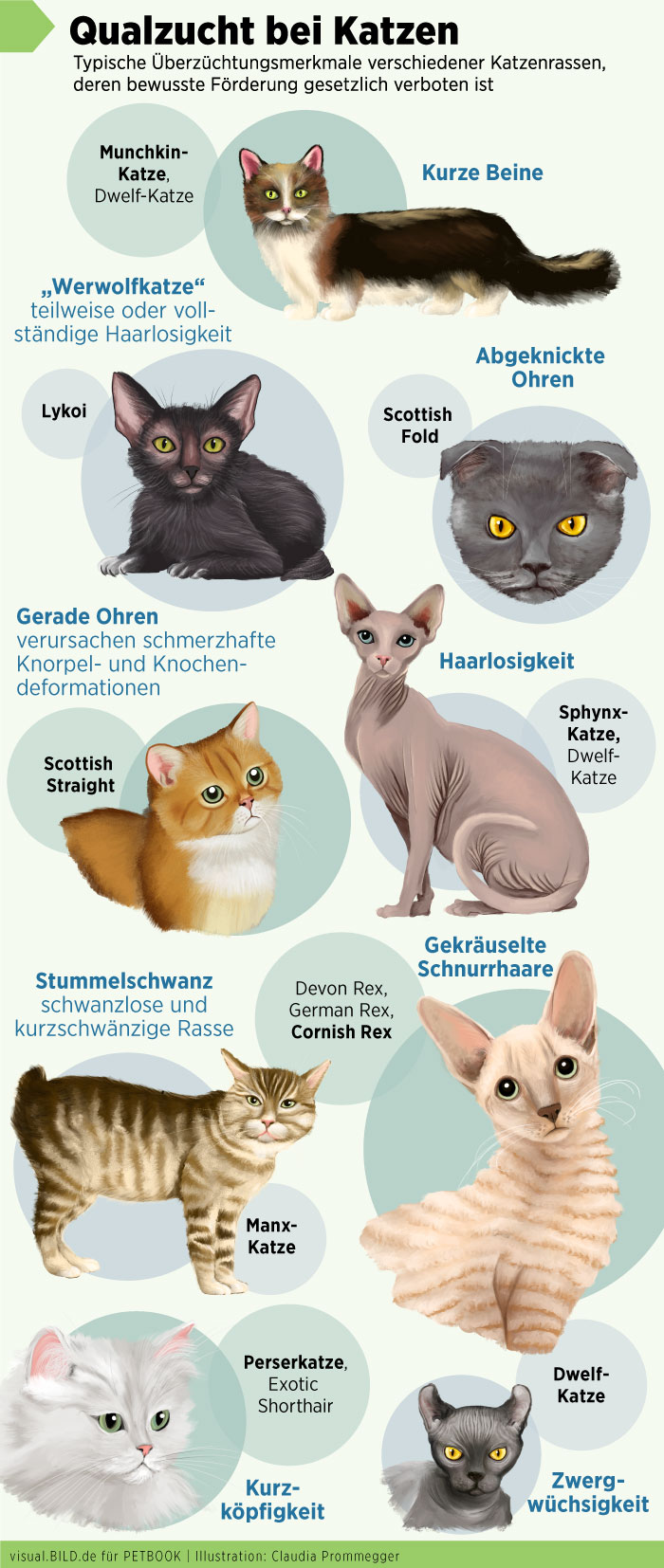
Are you thinking about breeding cat breeds but don’t know where to start? Breeding cats can be rewarding, but it also takes careful planning and knowledge.
Whether you want healthy kittens or to preserve a special breed, understanding the basics is key. In this guide, you’ll discover simple steps and expert tips to help you breed cats the right way. Keep reading to learn how you can ensure happy, healthy cats from start to finish.

Credit: www.rd.com
Choosing The Right Cat Breed
Choosing the right cat breed is essential for successful breeding. Each breed has unique characteristics. These affect temperament, care needs, and breeding outcomes. Selecting a breed that fits your goals and lifestyle matters.
Popular Breeds For Breeding
- Siamese: Known for their vocal and social nature.
- Maine Coon: Large size and friendly personality.
- Persian: Beautiful long fur but requires grooming.
- Bengal: Active, playful, with a wild look.
- British Shorthair: Calm and easy to care for.
These breeds have well-documented traits and breeding standards. They are often chosen by breeders for consistency.
Traits To Consider
- Temperament: Choose friendly and social cats.
- Appearance: Coat color, pattern, and body shape.
- Size: Consider adult size for care and space.
- Activity level: Some breeds need more exercise.
- Care requirements: Grooming frequency and health needs.
Understanding these traits helps in selecting cats that meet your breeding goals.
Health And Genetic Factors
Health is crucial in breeding. Choose cats free from hereditary diseases. Genetic testing can reveal risks.
Breed-specific health issues must be considered. Some breeds are prone to heart or kidney problems.
Regular vet check-ups ensure cats are fit for breeding. Healthy parents increase the chance of healthy kittens.
Preparing For Breeding
Preparing for breeding is a crucial stage for any cat breeder. It ensures the health and safety of both the mother cat and her kittens. Proper preparation reduces risks and improves breeding success. This phase involves careful planning and attention to the cat’s health, age, and environment.
Health Checks And Vaccinations
Start with a full health check by a trusted vet. This helps identify any illnesses or conditions that could affect breeding. Vaccinations must be up to date to protect against common diseases. Parasite control is essential; fleas, ticks, and worms can harm both cats and kittens. Regular blood tests check for genetic diseases and infections. Healthy cats produce healthier kittens.
Optimal Age For Breeding
Cats should reach physical maturity before breeding. For most breeds, this means at least one year old. Breeding too early can cause health problems for the mother. Older cats may face pregnancy complications. Ideal breeding age balances youth and maturity. Knowing the right time helps ensure a safe pregnancy and delivery.
Setting Up A Safe Environment
Create a calm, clean space for the pregnant cat. The area should be quiet and free from stress. Use soft bedding that is easy to clean. Maintain a comfortable temperature to support the mother and kittens. Keep food and water nearby to avoid unnecessary movement. Limit access to other pets during this time. A safe environment promotes healthy births and kitten growth.
Selecting Breeding Pairs
Selecting the right breeding pairs is a crucial step in breeding cat breeds. It’s not just about choosing two cats that look good together. You need to consider how their personalities, health backgrounds, and family histories will combine to produce healthy, well-tempered kittens.
Matching Temperaments
The personality of your breeding cats affects the nature of their kittens. Calm and friendly parents usually have kittens with similar traits. Imagine pairing a shy cat with an outgoing one—what temperament will the kittens have?
Observe your cats closely before deciding. Are they social or more reserved? Make sure their temperaments complement each other to avoid producing overly aggressive or fearful kittens.
Avoiding Genetic Disorders
Health must be your top priority. Some cat breeds carry genes for specific diseases. Breeding two carriers can lead to serious health problems in kittens.
Ask for health clearances and genetic testing results before selecting your pair. This step helps you avoid passing on hereditary disorders like hypertrophic cardiomyopathy or polycystic kidney disease.
Pedigree And Lineage Importance
Knowing the family tree of your cats helps maintain breed standards and improves the quality of your kittens. Good pedigree information shows the presence of desirable traits and highlights any recurring issues.
Use detailed lineage charts to track traits and avoid inbreeding. This practice keeps your breeding program strong and your cats healthier.

Credit: blog.feliway.com
Breeding Process And Timing
Breeding cats requires understanding their heat cycles and readiness. Female cats usually go into heat every few weeks during breeding season. Timing the pairing carefully increases the chance of successful mating and healthy kittens.
Breeding cats requires knowledge and patience. Timing is crucial for success. Understanding the breeding process helps ensure healthy litters and strong kittens. The process involves identifying the right time for mating and recognizing signs of successful mating.Recognizing Heat Cycles
Female cats enter heat several times a year. During heat, they become more affectionate and vocal. Watch for increased grooming and restlessness. A cat in heat may also urinate more frequently. These are clear signs your cat is ready to mate.Mating Techniques
Introduce the male and female in a calm environment. Ensure both cats are comfortable and healthy. Allow them to interact naturally. Monitor their behavior closely. Mating usually occurs quickly. If not, give them time and space. Never force interaction between the cats.Signs Of Successful Mating
After mating, watch the female for behavioral changes. She may become less vocal and more relaxed. Look for physical signs like a swollen vulva. A decrease in heat symptoms indicates successful mating. Consult a vet if you’re unsure about the signs.Pregnancy And Care
Pregnancy and care are crucial stages in breeding cats that require your full attention and dedication. Supporting your queen through this delicate time helps ensure healthy kittens and a smooth birthing process. Knowing what to expect and how to respond can make all the difference for you and your cats.
Nutrition And Diet
Feeding your pregnant cat a balanced diet is key to her health and the kittens’ development. Increase her food intake gradually, focusing on high-quality kitten food rich in protein and essential nutrients. You might notice she eats more often or seems hungrier; this is normal and shows her body is working hard to nourish her unborn kittens.
Don’t forget to provide fresh water at all times. You can also add small meals throughout the day instead of one or two large ones to keep her energy steady. Have you noticed how some cats become picky eaters during pregnancy? Offering a variety of foods may help maintain her appetite.
Monitoring Health
Keeping an eye on your cat’s health means watching for changes in behavior, appetite, and physical condition. Regular vet checkups are essential to catch any issues early, like infections or complications. You should monitor her weight gain and energy levels closely—too much or too little can signal a problem.
Pay attention to any unusual discharge, vomiting, or lethargy. If you spot anything odd, don’t hesitate to contact your vet immediately. Have you experienced a sudden drop in your cat’s activity during pregnancy? It’s often a sign she needs rest or medical attention.
Preparing For Birth
Create a quiet, warm, and safe space for your cat to give birth. This nesting area should be free from noise and distractions, with soft bedding that you can easily clean. Cats instinctively seek privacy during labor, so respect her need for calm and minimal disturbance.
Gather supplies like clean towels, a heating pad, and your vet’s contact information before the big day arrives. Understanding the signs of labor—such as restlessness, nesting behavior, or mild contractions—can help you support her better. Have you thought about how you will respond if complications arise during birth?

Credit: www.reddit.com
Birthing And Kitten Care
Birthing and caring for kittens is a crucial phase in breeding cat breeds. It requires patience, attention, and a calm environment to ensure the mother and her newborns stay healthy. Knowing what to expect and how to respond during labor and after birth can make a huge difference in the survival and wellbeing of your kittens.
Labor Stages
Labor usually has three stages: early contractions, delivery of kittens, and expelling the placenta.
- Stage One:The mother may become restless, pant, or hide. This can last from a few hours up to 24 hours.
- Stage Two:Kittens are born one by one, typically every 30 to 60 minutes. Watch closely but avoid disturbing the mother unless necessary.
- Stage Three:The placenta follows each kitten. Count the placentas to make sure none are retained, which could cause infection.
Have you prepared a quiet, warm space for your cat to deliver? This simple step can reduce stress and complications during labor.
Handling Newborns
Newborn kittens are fragile and need gentle care. Keep them warm using heating pads or blankets, but never overheated.
Check that each kitten is nursing properly. If you notice a kitten struggling, you might need to assist with feeding.
- Wash your hands before touching kittens to prevent infections.
- Limit handling in the first few days to avoid stressing the mother.
- Monitor kittens for signs of illness like weakness or lack of weight gain.
When I first helped with a litter, I learned how critical warmth and hygiene are. One cold kitten I warmed up quickly recovered, proving how timely care saves lives.
Early Socialization
Socializing kittens early shapes their behavior and temperament. Start gentle handling once they are about a week old.
Introduce different sounds and sights gradually to prepare them for new environments. This helps reduce fearfulness later in life.
- Spend short, calm periods holding and talking to the kittens daily.
- Allow the mother to guide interactions to keep her comfortable.
- Expose kittens to other household members and pets carefully.
Have you noticed how a well-socialized kitten is more confident and friendly? Your early efforts can set the stage for a lifetime of positive behavior.
Raising Healthy Kittens
Raising healthy kittens is the key to successful cat breeding. Their early days shape their growth and well-being. Providing proper care ensures strong, happy cats. Focus on nutrition, health checks, and behavior to support their development.
Feeding And Weaning
Kittens need their mother’s milk for the first few weeks. It gives important nutrients and antibodies. Start introducing soft, wet food around four weeks old. Gradually increase solid food while reducing milk. Offer fresh water in a shallow dish. Feed small amounts several times a day. Balanced nutrition supports strong bones and energy.
Vaccinations And Vet Visits
Vaccinations protect kittens from serious diseases. Schedule the first shots at six to eight weeks old. Follow with booster shots as recommended by the vet. Regular check-ups track growth and catch problems early. Deworming is also essential to keep kittens healthy. Keep a health record for each kitten. Early vet care prevents illness and ensures a good start.
Behavioral Development
Socializing kittens helps them become confident cats. Handle them gently every day to build trust. Introduce new sounds, sights, and gentle play. Encourage interaction with other kittens and people. Provide toys to stimulate their minds and bodies. Positive experiences shape friendly and well-adjusted cats. Early training reduces future behavior problems.
Ethical Breeding Practices
Ethical breeding ensures cats are healthy and well cared for throughout their lives. Breeders focus on good genes, proper health checks, and safe living conditions. Respecting the cats’ welfare helps create strong, happy kittens.
Ethical breeding practices are essential for ensuring the health and well-being of cats and their future offspring. Breeding cats responsibly can be a rewarding experience, but it requires a deep understanding of genetics, health, and ethical considerations. By focusing on ethical breeding, you not only contribute to the preservation of the breed but also promote animal welfare.Avoiding Overbreeding
Overbreeding can lead to health problems and an oversupply of cats, which can contribute to shelter overpopulation. It’s crucial to plan your breeding program carefully, considering the health and genetic history of the cats involved. By spacing out breeding cycles and ensuring each cat has ample time to recover, you can maintain their health and vitality. Are you considering how many litters a year is too many? Keeping track of each cat’s breeding history ensures you’re making informed decisions about their reproductive health.Maintaining Genetic Diversity
Genetic diversity is vital for the long-term health of any breed. A limited gene pool can lead to hereditary health issues and reduced vitality in kittens. When selecting breeding pairs, look for cats with diverse genetic backgrounds to ensure robust and healthy offspring. Have you explored genetic testing? This tool can help you identify and avoid potential health issues, giving you peace of mind in your breeding choices.Responsible Selling And Adoption
Once your kittens are ready for their new homes, responsible selling and adoption practices ensure they end up in loving environments. Screen potential buyers thoroughly, asking about their experience with cats and their home environment. How do you ensure your kittens are going to the right homes? Providing education on cat care and offering ongoing support can make a significant difference in the lives of both the cats and their new owners. Ethical breeding is not just about producing kittens; it’s about creating a better future for the breed and ensuring the well-being of each cat involved in the process. By committing to these practices, you’re contributing positively to the feline world.Frequently Asked Questions
What Is The Best Age To Breed Cat Breeds?
The ideal breeding age for cats is between 1 and 5 years. This ensures they are mature and healthy enough. Breeding too early or late can cause health risks for both mother and kittens.
How Do I Choose The Right Cat Breeds To Breed?
Select healthy cats with strong genetic traits. Consider breed compatibility and temperament. Avoid breeding cats with hereditary health issues to ensure healthy offspring.
What Are The Signs A Female Cat Is Ready To Breed?
Female cats show heat signs like restlessness, vocalization, and affectionate behavior. Their vulva swells, and they may roll on the floor. These indicate she is ready for mating.
How Long Is A Cat’s Gestation Period?
A cat’s pregnancy lasts about 63 to 65 days. Monitor her health and provide proper nutrition during this time for healthy kittens.
Conclusion
Breeding cat breeds takes patience and care. Choose healthy cats with good traits. Keep their environment clean and safe. Watch their health closely during pregnancy. Give kittens lots of love and proper food. Learn about each breed’s needs well. Breeding helps keep breeds strong and healthy.
Enjoy the process and respect each cat. With time, you can raise happy, healthy cats.




Leave a Reply