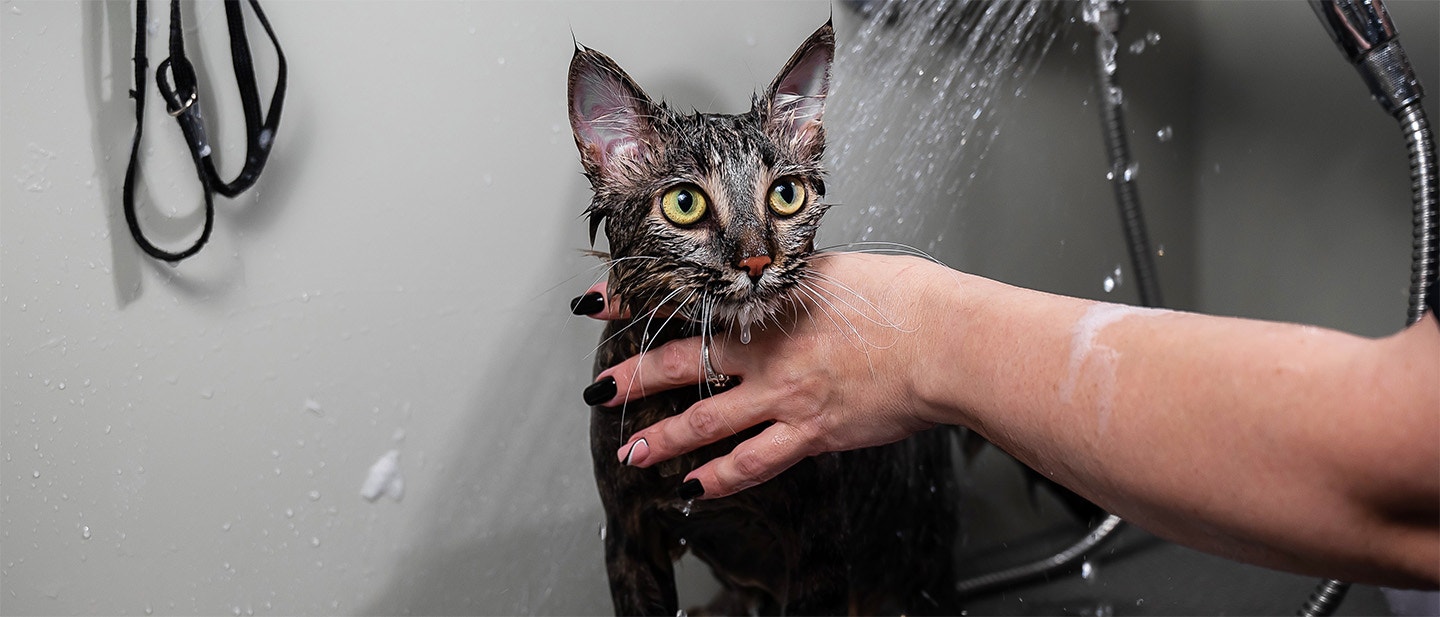
Bathing and grooming your cat might sound challenging, but it doesn’t have to be. When done the right way, it can become a calm and even enjoyable part of your routine.
You want your furry friend to look and feel their best, and knowing how to bathe and groom your cat properly is the key. In this guide, you’ll discover simple steps that make the process easier—for both you and your cat.
Ready to turn grooming time into a bonding moment? Keep reading to learn how.
Preparing For Bath Time
Preparing your cat for bath time makes the process smoother and less stressful. Cats dislike water, so readiness helps keep them calm. Taking time to prepare shows care and respect for your pet’s comfort.
Gathering Supplies
Collect all needed items before starting the bath. This prevents leaving your cat alone in water. Common supplies include:
- Cat-friendly shampoo
- Large towel
- Brush or comb
- Container or cup for rinsing
- Rubber mat or non-slip surface
Keep everything within reach to stay focused on your cat.
Choosing The Right Location
Pick a warm, quiet place for bathing your cat. A bathroom or kitchen sink works well. Avoid noisy or cold rooms that might scare your cat. Use a small tub or sink to control water level and temperature. Place a towel or rubber mat to stop slipping.
Trimming Nails And Brushing Fur
Trim your cat’s nails before the bath. This reduces scratching risks for both of you. Use sharp, pet-safe clippers and be gentle. Brush your cat’s fur to remove loose hair and tangles. This helps shampoo reach the skin evenly. Brushing also calms your cat before bath time.
Getting Your Cat Ready
Getting your cat ready for a bath and grooming session is crucial to make the experience less stressful for both of you. Cats are naturally sensitive to changes, so preparing them carefully can prevent resistance and anxiety. Before you even fill the tub, focus on creating a calm environment and gently introducing your cat to the idea of water.
Calming Techniques
Your cat’s mood plays a big role in how smoothly grooming will go. Start by choosing a quiet room where your cat feels safe and comfortable. Soft music or white noise can help drown out any sudden sounds that might startle your cat.
Try gentle petting and slow, soothing strokes to relax your cat’s muscles. Speaking in a calm, steady voice reassures them that nothing bad is coming their way. If your cat enjoys treats, use small rewards to reinforce calm behavior before and during grooming.
Have you noticed how your cat reacts to your touch? Use those cues to adjust your approach. If your cat tenses or tries to escape, pause and give them a moment to settle down before continuing.
Introducing Water Gradually
Jumping straight into a full bath can overwhelm your cat. Instead, start by letting your cat explore the bathing area when it’s dry. Place a damp cloth nearby and gently rub it over your cat’s fur to get them used to the sensation of moisture.
Next, try using a shallow basin with lukewarm water and encourage your cat to dip a paw or two in. Never force your cat; allow them to approach water at their own pace. This gradual introduction builds trust and reduces fear of getting wet.
Consider using a handheld sprayer or a cup to slowly wet your cat rather than pouring water directly. This method gives you better control and feels less intimidating for your cat.
Bathing Your Cat
Bathing a cat can be a challenge, but it is sometimes necessary. Regular baths help keep your cat clean and healthy. Prepare everything before you start. Stay calm to help your cat relax during the bath.
Using Lukewarm Water
Use water that feels warm, not hot or cold. Lukewarm water is gentle on your cat’s skin and fur. Fill the sink or tub with a few inches of water. Avoid spraying water directly on the cat’s face.
Applying Cat-friendly Shampoo
Choose a shampoo made especially for cats. Human shampoos can hurt their skin. Wet your cat’s fur carefully. Apply the shampoo in small amounts. Massage gently to create a soft lather. Focus on dirty areas but avoid the eyes and ears.
Rinsing Thoroughly
Rinse all the shampoo out with lukewarm water. Leftover shampoo can cause itching or irritation. Use your hand or a cup to pour water slowly. Make sure to rinse the belly, legs, and tail well. Dry your cat with a soft towel after rinsing.

Credit: www.youtube.com
Drying And Comforting
Pat your cat gently with a soft towel to remove excess water. Keep the room warm and speak calmly to soothe your pet. Use a hairdryer on low, if your cat allows, to speed up drying and keep them comfortable.
After bathing your cat, drying and comforting are crucial steps. Cats can get chilly after a bath, so ensuring they are warm is essential. Proper drying prevents them from getting cold and keeps their fur from matting. Comforting your cat during this process helps them feel secure and relaxed.Towel Drying Tips
Start with a soft, absorbent towel. Gently wrap your cat to soak up excess water. Pat the fur dry without rubbing too hard. Focus on the body, legs, and tail. Change towels if necessary to ensure thorough drying.Using A Hair Dryer Safely
If your cat tolerates it, use a hair dryer on a low setting. Keep the dryer at least 12 inches away from their body. Move it constantly to avoid overheating any area. Ensure the noise is low to prevent scaring your cat.Providing A Warm Space
Create a cozy spot with a warm blanket for your cat. Make sure the area is draft-free and quiet. Add their favorite toys or a familiar item for comfort. This helps them relax and dry off completely.Regular Grooming Practices
Keeping your cat well-groomed is more than just a beauty routine; it’s essential for their health and comfort. Regular grooming helps prevent hairballs, skin problems, and infections. It also strengthens the bond between you and your furry friend through gentle, caring touch.
Brushing Techniques
Choose a brush that suits your cat’s coat type—slicker brushes work well for long-haired cats, while rubber brushes are great for short-haired breeds. Brush in the direction of hair growth with gentle strokes to avoid hurting your cat.
Pay close attention to areas that mat easily, like behind the ears and under the legs. Regular brushing not only removes loose fur but also stimulates natural oils, keeping your cat’s coat shiny and healthy.
Cleaning Ears And Eyes
Check your cat’s ears weekly for dirt, wax, or signs of infection like redness or foul odor. Use a damp cotton ball or a vet-approved ear cleaner to gently wipe the outer ear—never insert anything deep inside.
For the eyes, wipe away discharge with a soft, damp cloth. If you notice persistent tearing or redness, consult your vet as it could indicate an underlying issue.
Dental Care Basics
Dental health is often overlooked, but it’s crucial for your cat’s overall well-being. Use a cat-specific toothbrush and toothpaste to brush their teeth a few times a week.
Introducing dental care gradually can make the process easier—start by letting your cat taste the toothpaste, then slowly move to brushing. Regular dental care prevents bad breath, tooth decay, and gum disease.
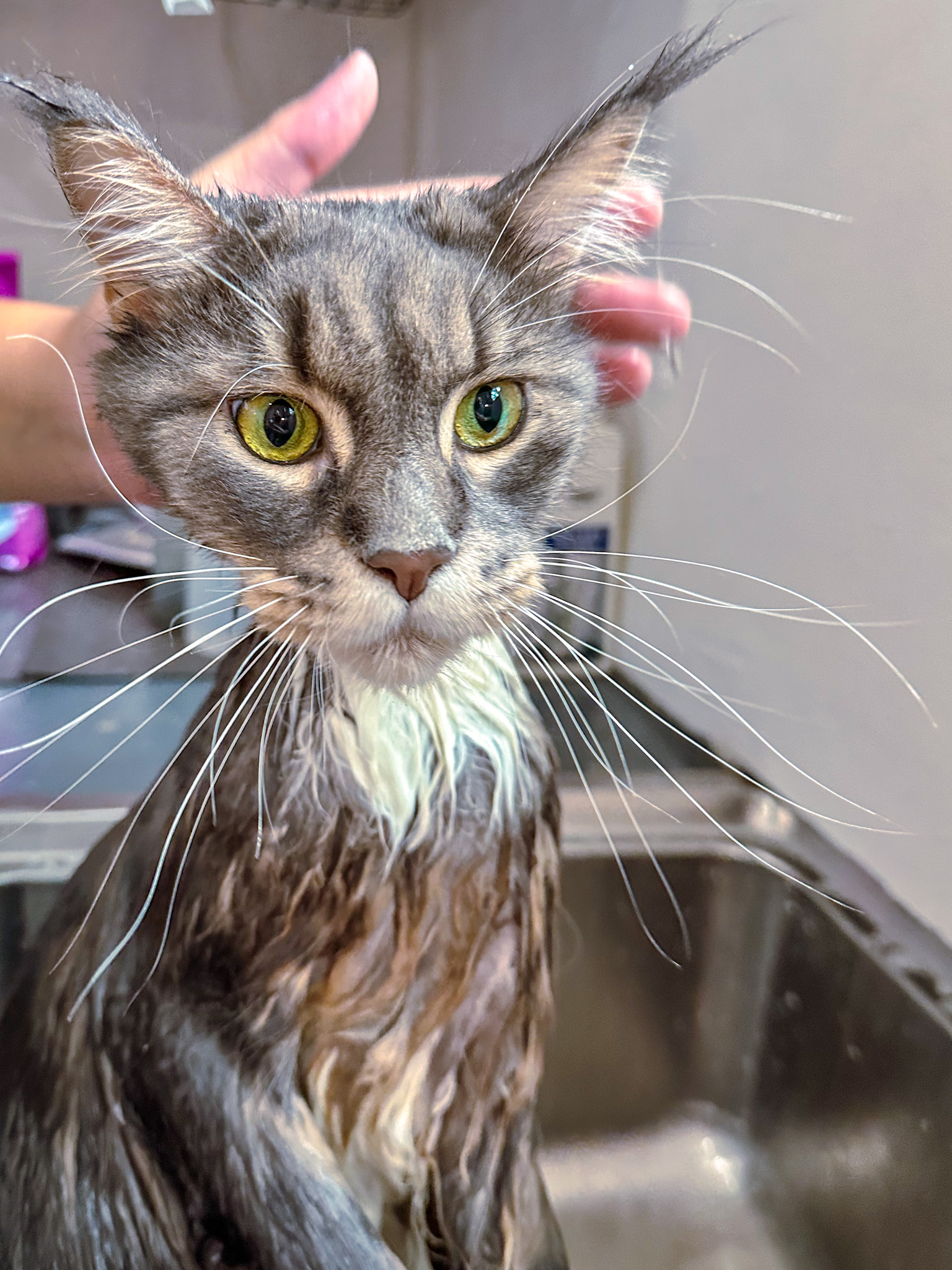
Credit: lazycathotel.com
Handling Common Challenges
Bathing and grooming your cat can sometimes feel like a challenge, especially when your furry friend is nervous or uncooperative. Understanding how to handle common issues during this process will make it easier for both you and your cat. Let’s look at practical ways to manage fear, anxiety, and the risk of scratches or bites while keeping grooming a calm experience.
Dealing With Fear And Anxiety
Many cats dislike water and get anxious during baths. To ease their fear, start by introducing your cat to grooming tools gradually. Let your cat sniff and touch the brush or towel before you use them.
Choose a quiet, warm room where your cat feels safe. Softly speak to your cat and move slowly to avoid startling them. Sometimes, playing calming music or using pheromone sprays can help reduce anxiety.
Think about how you can make the environment less stressful. Could using a shallow basin of warm water instead of a full tub help? What if you try a dry shampoo or grooming wipes to reduce the need for full baths?
Managing Scratches And Bites
Even the calmest cats may scratch or bite when stressed. Protect yourself by wearing long sleeves and using a towel to gently wrap your cat if needed. This limits their movement while keeping you safe.
Use grooming gloves if you find your hands are often scratched. Keep your nails trimmed to reduce injury risk during close contact. If your cat becomes aggressive, pause and give them time to calm down before continuing.
Have you considered distracting your cat with treats or a favorite toy during grooming? This simple trick can shift their attention and reduce resistance, making it easier to finish the bath or brushing session.

Credit: danspetcare.com
Frequently Asked Questions
How Often Should I Bathe My Cat?
Cats usually groom themselves well, so bathing is rarely needed. Bathe your cat only if it’s very dirty or has skin issues. Generally, once every 4 to 6 weeks is enough for bathing a cat.
What Supplies Do I Need For Cat Grooming?
You need cat-safe shampoo, a brush, a towel, and a comb. Use lukewarm water and a non-slip mat for safety. Avoid human shampoos as they can irritate your cat’s skin.
How Can I Calm My Cat During A Bath?
Speak softly and use gentle strokes to soothe your cat. Keep bath time short and reward them afterward with treats. Calm your cat by staying relaxed and patient throughout the process.
Can I Use Regular Shampoo To Bathe My Cat?
No, never use human shampoo on cats. Cats have sensitive skin and different pH levels. Use only shampoos specifically formulated for cats to avoid irritation.
Conclusion
Bathing and grooming your cat can be simple and stress-free. Take your time and stay calm throughout the process. Use gentle products made just for cats. Brush your cat regularly to keep its fur clean and healthy. Reward your cat with treats and praise to build trust.
Clean paws, ears, and eyes carefully. A well-groomed cat feels comfortable and looks great. Enjoy bonding with your pet through grooming routines. Small efforts bring big benefits for your cat’s health and happiness.



Leave a Reply