If you have a long-haired cat, you know how beautiful—and challenging—their fur can be. Keeping your cat’s coat healthy and shiny isn’t just about looks; it’s about their comfort and well-being.
But how should long-haired cats be groomed to avoid mats, tangles, and skin problems? You’ll discover simple, effective grooming tips that make the process easier for both you and your furry friend. By the end, you’ll feel confident caring for your cat’s luxurious fur every day.
Keep reading to learn the secrets to happy, healthy long-haired cats!

Credit: catit.ca
Grooming Tools For Long-haired Cats
Keeping your long-haired cat’s coat smooth and tangle-free starts with having the right grooming tools at hand. The right equipment makes the grooming process easier and more enjoyable for both you and your feline friend. Without proper tools, grooming can become frustrating and even cause discomfort to your cat.
Choosing The Right Brush
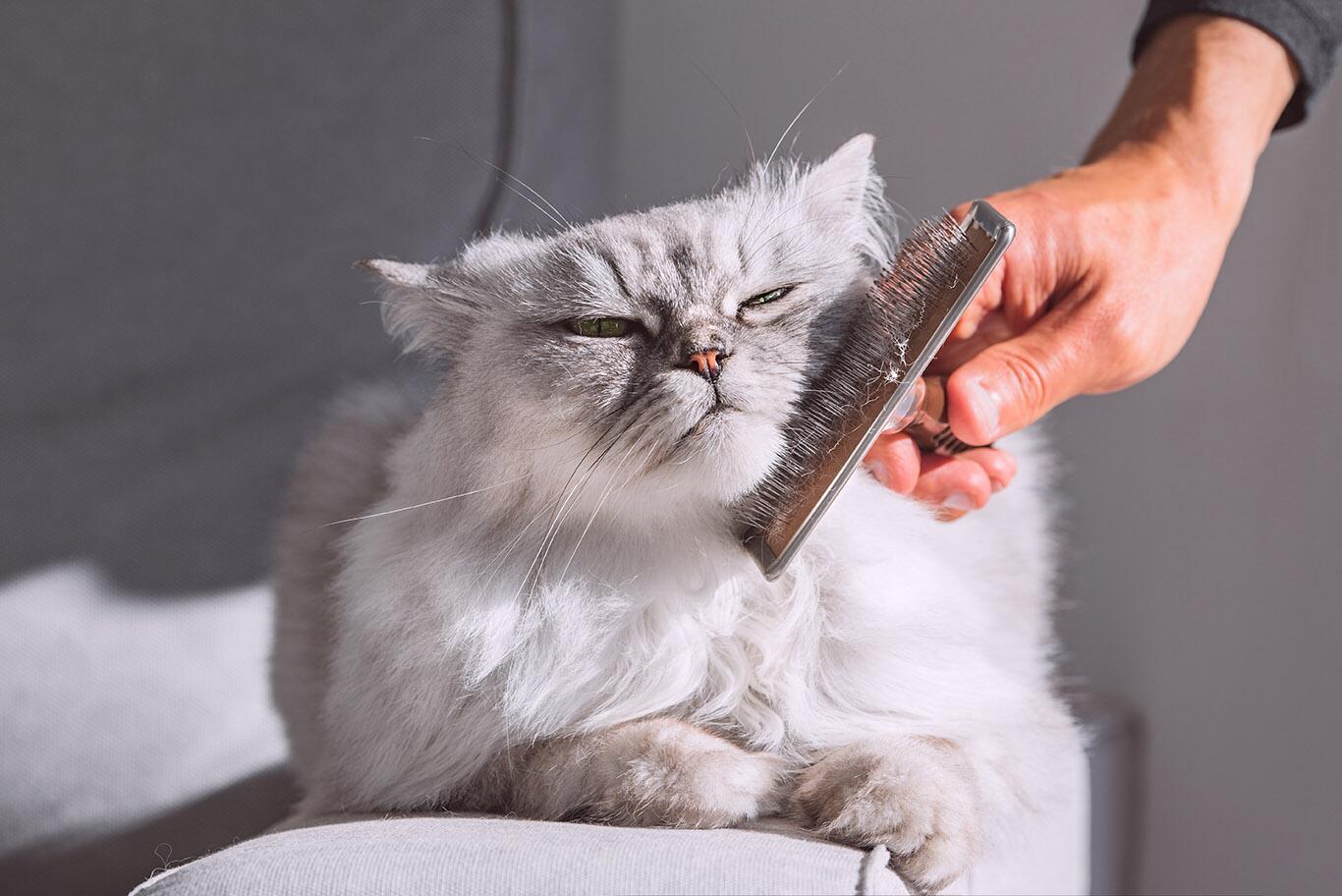
Not all brushes work the same for long-haired cats. A slicker brush with fine, closely spaced wires is excellent for removing loose fur and preventing mats. You might find that a pin brush, which has wider spaced pins, works better for daily grooming to keep the coat soft and shiny.
Think about your cat’s comfort—some brushes can irritate sensitive skin. Try different types to see which one your cat prefers. Does your cat tolerate a gentle brush, or do they need something softer?
Essential Combs And Scissors
A metal comb with both wide and narrow teeth helps you locate and carefully remove any tangles or mats you missed with the brush. The narrow teeth slide through tight knots, while the wider teeth help with general smoothing. This comb is also useful for checking the undercoat, where mats often start.
Sharp grooming scissors are a must-have for trimming around sensitive areas like the paws and rear. Rounded-tip scissors add safety when cutting near your cat’s skin. Have you ever struggled to trim your cat’s fur without hurting them? Investing in good scissors can change that experience.
Additional Grooming Supplies
- De-matting tools:These are designed specifically to gently break up stubborn mats without pulling your cat’s fur.
- Detangling spray:A light mist can ease brushing and reduce static, making the coat more manageable.
- Grooming gloves:If your cat is fidgety, gloves with rubber tips help remove loose fur while petting, turning grooming into a bonding moment.
Which of these tools have you tried? Sometimes small changes, like adding a detangling spray, can make grooming less of a chore for you and your cat.
Daily Grooming Routine
Daily grooming keeps long-haired cats healthy and comfortable. It helps remove loose hair and dirt. This routine also prevents painful mats. Regular care improves your cat’s coat shine and skin health. Spend a few minutes each day to groom your cat. Make it a calm and enjoyable time for both.
Brushing Techniques
Use a wide-toothed comb or a soft-bristle brush. Start from the head and move toward the tail. Brush gently in the direction of hair growth. Pay attention to areas behind ears and under legs. These spots often tangle first. Use short, light strokes to avoid hurting your cat. Regular brushing reduces shedding and hairballs.
Preventing Matting
Check your cat’s coat daily for any knots or mats. Mats can form quickly in thick fur. Separate the fur with your fingers before brushing. If you find a small mat, gently loosen it with a comb. Do not pull hard to avoid pain. For large mats, visit a professional groomer for safe removal.
Checking For Skin Issues
Look closely at your cat’s skin during grooming. Notice any redness, bumps, or sores. Watch for signs of fleas or ticks. Skin problems can cause discomfort and need early attention. Report any unusual findings to your vet. Regular checks help keep your cat healthy and happy.
Bathing Long-haired Cats
Bathing long-haired cats helps keep their coats clean and free from dirt. It also prevents matting and reduces shedding. Bathing can be tricky because many cats dislike water. Gentle care and patience make the experience better for both you and your cat.
When To Bathe Your Cat
Bathe your cat only when necessary. Overbathing can dry out their skin. Look for these signs:
- Coat is very dirty or greasy
- Cat has sticky or smelly fur
- Cat has trouble cleaning due to illness or age
- Fleas or skin conditions that require bathing
Usually, bathing once every few months is enough for long-haired cats.
Safe Bathing Steps
Use lukewarm water to avoid shocking your cat. Prepare everything before starting. Follow these tips:
- Brush your cat’s fur to remove tangles
- Place a rubber mat in the sink or tub to prevent slipping
- Use a cat-specific shampoo that is gentle on skin
- Wet your cat gently, avoiding eyes and ears
- Lather shampoo softly and rinse thoroughly
- Speak calmly to reassure your cat
Drying Tips
Dry your cat carefully to avoid chilling. Start with a soft towel to absorb water. Pat, do not rub. Use a hairdryer only if your cat allows it, set to low heat and noise. Keep your cat warm until fully dry. Brush the fur again to prevent mats.
Trimming And Haircuts
Trimming and haircuts play a key role in caring for long-haired cats. Proper trimming prevents mats and tangles. It keeps your cat comfortable and clean. Regular grooming reduces shedding and hairballs. Knowing when and how to trim helps maintain your cat’s coat health.
When To Trim
Trim your cat’s hair when you see mats forming. Check areas behind ears, under legs, and around the belly. Long hair can trap dirt and moisture. This causes discomfort and skin problems. Trim during shedding seasons for easier coat management. Avoid trimming too often to prevent skin irritation.
Professional Grooming Vs Diy
Professional groomers use special tools and techniques. They handle difficult mats and sensitive cats safely. Groomers can give your cat a neat haircut style. DIY trimming works if your cat is calm and used to grooming. Use sharp scissors and combs made for pets. Always be gentle and patient to avoid stress.
Shaving Sensitive Areas
Shave sensitive spots like the belly and rear carefully. These areas get dirty easily and need extra cleaning. Use electric clippers with a guard to protect the skin. Avoid shaving too close to prevent cuts and irritation. If unsure, leave shaving to a professional groomer. Keep these areas trimmed to reduce mats and odor.
Dealing With Common Grooming Problems
Long-haired cats need regular grooming to prevent matting and tangles. Brushing daily helps remove loose fur and dirt. Trim any knots gently with scissors to avoid pulling on the cat’s skin.
Dealing with grooming problems can be tricky for long-haired cats. Their luxurious coats often face challenges like tangles, excessive shedding, and hairballs. Addressing these issues improves your cat’s comfort and health. Regular grooming sessions also strengthen your bond with your feline friend.Removing Tangles And Mats
Tangles and mats form easily in long-haired cats. Use a wide-tooth comb to gently untangle knots. For stubborn mats, consider using a mat splitter or consult a professional groomer. Regular brushing prevents mats from forming. It also keeps your cat’s coat smooth and shiny.Handling Shedding
Shedding can be overwhelming with long-haired cats. Use a de-shedding tool to remove loose fur. Brushing your cat daily reduces the amount of hair in your home. It also helps prevent hairballs. Choose a grooming tool suitable for long-haired breeds. This ensures effective shedding control.Addressing Hairballs
Hairballs are common in long-haired cats. Regular grooming helps reduce hair ingestion. Provide your cat with hairball-control treats or food. Ensure they have access to fresh water. A hydrated cat will pass hair more easily. Consider consulting your vet for additional solutions.Diet And Health Impact On Coat
The condition of your long-haired cat’s coat reflects much more than just grooming habits. What your cat eats and its overall health play a crucial role in the shine, softness, and strength of its fur. Ignoring diet and health can lead to dull, matted, or even patchy coats that no grooming routine alone can fix.
Nutrition For Healthy Fur
High-quality protein is essential for building strong fur. Cats need animal-based proteins like chicken, turkey, or fish to keep their hair follicles healthy.
Omega-3 and Omega-6 fatty acids are key players in maintaining a glossy coat. These fats reduce inflammation and dryness, preventing flaky skin and brittle hair.
Look for cat foods rich in vitamins A, E, and biotin. These vitamins support skin repair and hair growth, which is vital for long-haired cats prone to tangles.
Supplements To Consider
If your cat’s diet lacks certain nutrients, supplements can help fill the gaps. Fish oil capsules or liquid supplements boost Omega-3 intake and promote a silkier coat.
Adding a vitamin E supplement can improve skin elasticity and reduce itching. Just be sure to check with your vet before starting any new supplement to avoid overdosing.
Probiotics might seem unrelated, but healthy digestion supports nutrient absorption. This indirectly benefits coat health, making your grooming efforts more effective.
Regular Vet Checkups
Skin and coat problems can sometimes signal underlying health issues like allergies, parasites, or hormonal imbalances. Your vet can spot these early and recommend the right treatment.
Routine blood tests check for deficiencies that affect fur quality. Addressing these promptly helps you avoid frustrating grooming setbacks.
Have you noticed sudden changes in your cat’s coat? Don’t wait—schedule a vet visit. Prevention is easier than fixing long-term coat damage.
Behavioral Tips For Grooming
Grooming a long-haired cat involves more than just brushing its fur. Understanding your cat’s behavior helps make grooming easier. Cats can feel nervous or scared during grooming sessions. Recognizing their feelings and responding calmly makes a big difference. Patience and gentle handling build trust and cooperation over time.
Making Grooming Stress-free
Create a calm space for grooming. Choose a quiet room with soft lighting. Speak softly to soothe your cat. Use slow, gentle strokes with the brush. Avoid sudden moves that might startle your cat. Short sessions work better than long ones. Reward your cat with treats or pets after grooming. This helps your cat enjoy the experience more.
Training Your Cat
Start grooming habits early. Let your cat sniff and touch grooming tools first. Practice brushing for just a few seconds daily. Gradually increase the time as your cat adjusts. Use treats to reward good behavior. Teach your cat to stay still using commands like “stay” or “gentle.” Consistency in training builds comfort and trust.
Recognizing Signs Of Discomfort
Watch your cat’s body language closely. Signs of discomfort include:
- Flattened ears
- Tail flicking
- Hissing or growling
- Trying to escape
- Swatting or biting
Stop grooming if your cat shows these signs. Give your cat a break and try again later. Respecting your cat’s limits helps reduce stress and fear.

Credit: catit.ca
Credit: www.petscare.com
Frequently Asked Questions
How Often Should Long-haired Cats Be Groomed?
Long-haired cats need grooming at least 3-4 times weekly. Regular brushing prevents mats, tangles, and hairballs. Consistent grooming also helps distribute natural oils, keeping their coat healthy and shiny.
What Tools Are Best For Grooming Long-haired Cats?
Use a wide-toothed comb, slicker brush, and grooming scissors. These tools gently remove tangles and loose fur without hurting the cat. Choosing quality tools ensures effective and comfortable grooming sessions.
How To Prevent Mats In Long-haired Cat Fur?
Brush your cat daily to prevent mats. Mats form when fur tangles and becomes compacted. Regular grooming breaks up knots and keeps the coat smooth and healthy.
Can Grooming Reduce Shedding In Long-haired Cats?
Yes, grooming removes loose fur and reduces shedding. Frequent brushing captures shed hair before it spreads around your home. It also improves your cat’s comfort and coat condition.
Conclusion
Grooming long-haired cats keeps them healthy and happy. Regular brushing stops mats and tangles from forming. It also reduces shedding and hairballs. Use gentle tools made for delicate fur. Be patient and calm during each session. Check their skin for any signs of irritation.
Trim nails carefully to avoid scratches. Clean ears and eyes as needed. Start grooming early to build trust. Your cat will enjoy the care and attention. Healthy fur means a comfortable and content pet. Simple steps make grooming easy and stress-free.
Keep your long-haired cat looking and feeling great.




Leave a Reply