Have you ever wondered how rare a white cat with a specific breed really is? White cats are stunning and often catch your eye, but not all white cats are the same.
Some come from unique breeds that are hard to find, making them truly special. If you’re curious about what makes these cats rare and why they stand out, you’re in the right place. Keep reading to discover surprising facts that might change the way you see white cats forever.
Your next feline fascination could be closer than you think.
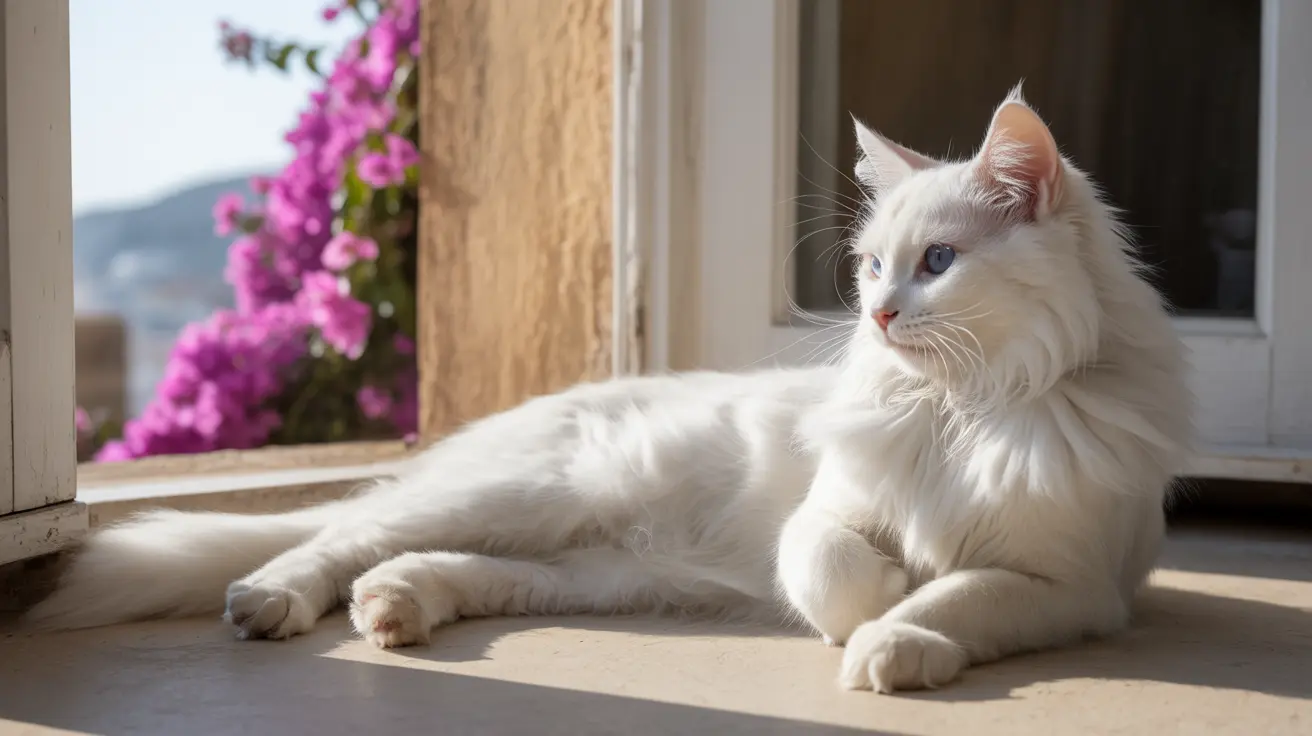
Credit: www.petscare.com
White Cat Breeds
White cats have a unique charm that catches many eyes. Their pure, snowy coats stand out in any crowd. Different breeds can have white fur, but the rarity varies. Some white cat breeds are common, while others are quite rare. Understanding these breeds helps appreciate their beauty and uniqueness.
Common White Cat Breeds
Several well-known cat breeds often show white coats. These cats can have fully white fur or mostly white with other colors. They are popular choices for many pet lovers. Here are some common white cat breeds:
- Persian:Famous for its long, fluffy white fur and gentle nature.
- Turkish Van:Known for mostly white bodies with colored tails and heads.
- British Shorthair:Comes in white among many other colors, with a sturdy build.
- Oriental Shorthair:Sleek and elegant, often seen in pure white.
- Ragdoll:Mostly white with soft fur and blue eyes.
Less Known White Cat Breeds
Some white cat breeds are less common and not well known. These breeds have unique features or come from rare bloodlines. White cats in these breeds are often prized by collectors and enthusiasts.
- Khao Manee:A rare Thai breed, pure white with striking eyes.
- Japanese Bobtail:Usually has white fur with spots, but all-white examples exist.
- Chausie:A wild-looking breed sometimes seen in white.
- Snowshoe:White paws and face markings, occasionally fully white.
- Angora:Turkish origin, elegant with silky white fur.
Genetics Behind White Fur
White fur in cats is more than just a striking appearance—it’s a complex genetic trait shaped by various factors. Understanding the genetics behind white fur helps explain why white cats are rare and why their characteristics can vary so widely. Let’s break down the main genetic influences that determine a cat’s white coat and what makes these cats truly unique.
Dominant And Recessive Genes
White fur can result from dominant or recessive genes, each playing a different role.
- Dominant White Gene (W):This gene masks all other colors, causing a cat to be completely white regardless of its underlying color genes.
- Recessive White Gene (ww):Less common, this gene only produces white fur when the cat inherits two copies, one from each parent.
Have you noticed how some white cats have spots or patterns? That usually means the dominant white gene isn’t present, allowing other colors to show through.
Albinism And White Coat
Albinism is a rare genetic condition that causes a cat to lack pigment entirely, including in their fur, skin, and eyes.
- Albino cats have pink noses and paw pads because of the absence of melanin.
- This differs from dominant white cats, who still have pigmentation in their eyes and skin.
Albinism is fascinating but can make cats more sensitive to sunlight. If you’re considering a white cat, knowing this difference can help you care for their unique needs.
Blue Eyes And Deafness Link
Many white cats with blue eyes face a higher risk of deafness, a connection rooted in genetics.
- The dominant white gene can affect the inner ear’s development, leading to deafness in one or both ears.
- Not all white cats with blue eyes are deaf, but the chance is significantly higher than in cats with other eye colors.
Would you be prepared to give special attention to a deaf cat? Understanding this link can help you make an informed decision and provide the right environment for these unique pets.
Rarity Factors
White cats possess a unique charm. Their pristine coats make them stand out. Yet, breeded white cats are rare. Several factors contribute to their rarity. These include population statistics, breeding challenges, and health considerations. Understanding these factors helps appreciate their uniqueness.
Population Statistics
White cats are not common. They make up a small percentage of the cat population. Only about 5% of cats are entirely white. This makes them a rare sight. Many white cats are not breed-specific. They can come from various breeds, adding to their rarity.
Breeding Challenges
Breeding white cats is challenging. Specific genes are needed for white fur. Breeders must carefully select parent cats. This ensures the desired white coat. Breeding also risks introducing health issues. Finding the right balance is crucial. Not all white kittens will be born pure white.
Health Considerations
White cats often face health challenges. Deafness is common in white cats. Many white cats with blue eyes are deaf. This condition impacts their quality of life. Skin issues are also prevalent. White cats are more prone to sunburn. This requires extra care from owners. Understanding these health concerns is important.
Caring For White Cats
Caring for white cats requires special attention because their unique coloring comes with distinct needs. Their skin and fur are more delicate and prone to certain issues. Understanding these needs helps you keep your white cat healthy and looking beautiful.
Skin And Fur Maintenance
White cats need regular grooming to keep their fur bright and clean. Dirt and oils show up easily on their coat, so brushing them a few times a week helps remove debris and prevents matting.
Bathing your white cat occasionally can brighten their fur, but avoid harsh shampoos. Use products designed for sensitive skin to prevent irritation. You might notice that even small stains stand out—spot cleaning can be a quick fix.
Have you ever seen a white cat with dull fur? It often signals a need for better grooming or diet. Adding omega-3 fatty acids to their meals can improve fur quality and shine.
Sun Sensitivity
White cats are more vulnerable to sunburn, especially on their ears, nose, and other exposed skin. This is because they lack pigment, which usually protects against UV rays.
If your cat enjoys sunbathing near windows or outside, consider limiting their exposure during peak sunlight hours. You can also use pet-safe sunscreen on sensitive areas, but check with your vet first.
Have you noticed pink or red patches on your white cat’s skin? These could be signs of sun damage. Protecting your cat from the sun helps prevent painful burns and lowers the risk of skin cancer.
Regular Health Checks
White cats need frequent health check-ups to catch any skin or eye issues early. Their light skin can sometimes hide problems until they become serious.
Watch for unusual lumps, redness, or swelling, especially on exposed skin areas. Early detection makes treatment easier and more effective.
Ask your vet about the best schedule for your white cat’s health exams. Staying proactive keeps your feline friend healthy and happy for years to come.
White Cats In Culture
White cats have held a special place in many cultures worldwide. Their pure color often sparks curiosity and admiration. These cats appear in stories, art, and folklore, symbolizing various ideas and beliefs. People have long associated white cats with different meanings that reflect cultural values and superstitions.
Symbolism And Myths
White cats often represent purity and peace. In some cultures, they are seen as good luck and bringers of fortune. Others believe white cats have spiritual powers or protect against evil spirits. Myths sometimes claim that white cats can heal or bring happiness to their owners.
In Japan, white cats are linked to the famous Maneki-neko, the “beckoning cat,” which is said to invite good luck. In Europe, white cats were sometimes thought to be witches’ familiars, adding a mysterious aura. These stories show how white cats are woven into cultural beliefs.
Famous White Cats
Many white cats have gained fame through history and media. One example is Snowball from the animated show “The Simpsons,” a beloved white cat character. In literature, the white cat often symbolizes mystery or magic.
In real life, some white cats have become popular as pets of celebrities or influencers. Their striking color makes them stand out and captures public interest. These famous white cats help keep the fascination with white felines alive in modern culture.

Credit: www.youtube.com
Finding A White Cat
Finding a white cat can be a unique journey, especially since truly bred white cats are less common than you might think. Their striking appearance often makes them highly sought after, so knowing where and how to look is key. You want to be prepared to spot genuine breeders, trustworthy adoption options, and avoid common pitfalls along the way.
Adoption Tips
Adopting a white cat means patience and attention. Start by visiting local shelters or rescue groups; sometimes white cats turn up there unexpectedly. Ask about the cat’s health history and temperament to ensure it fits your lifestyle.
Consider if you want a kitten or an adult cat. Adult white cats may already have personalities you can assess, while kittens require more care but offer a fresh start. Have you thought about how much time you can dedicate to your new pet?
Reputable Breeders
Finding a reputable breeder is crucial if you want a purebred white cat. Look for breeders who provide health clearances and allow you to visit their cattery. This transparency shows they care about the cat’s welfare and breed standards.
Ask for references or reviews from other buyers. A good breeder will also be knowledgeable and willing to answer your questions about the cat’s lineage and care. Have you checked if the breeder is registered with a recognized cat association?
Avoiding Scams
White cats can attract scammers due to their popularity. Always be cautious if a deal sounds too good to be true or if the seller pressures you to pay quickly. Research the seller thoroughly before making any payment.
Use secure payment methods and avoid sending money to unknown accounts. Trust your instincts—if something feels off, step back and seek advice. How confident do you feel about verifying the authenticity of the breeder or seller?
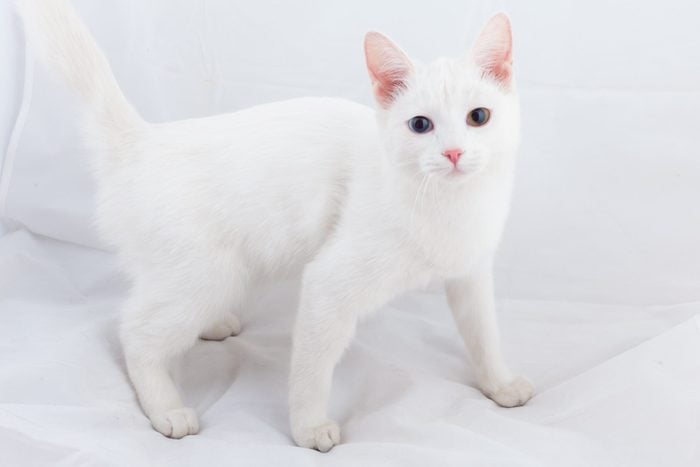
Credit: www.rd.com
Frequently Asked Questions
How Rare Is A Purebred White Cat?
Purebred white cats are relatively rare compared to other colors. They require specific breeding to maintain their unique coat and traits. Their rarity often increases their value and demand among cat enthusiasts and breeders.
What Breeds Commonly Have White Cats?
Breeds like the Turkish Van, Persian, and British Shorthair often have white variants. Each breed displays unique white coat patterns and characteristics. White cats in these breeds are prized for their beauty and purity of color.
Are White Cats More Prone To Health Issues?
Yes, white cats, especially those with blue eyes, may have a higher risk of deafness. This is linked to the genetic factors controlling their coat color. Regular health checks help manage and detect any issues early.
How Can I Identify A Purebred White Cat?
Look for breed-specific traits like body shape, eye color, and coat texture. Purebred white cats often have pedigree papers from recognized cat associations. Consulting reputable breeders or veterinarians ensures accurate identification.
Conclusion
White cats with specific breeds are indeed uncommon. Their unique color and traits make them special pets. Many people love their pure white fur and bright eyes. Owning one means caring for their health carefully. They need regular grooming to keep their coat clean.
These cats bring calm and beauty to any home. Finding a healthy, bred white cat takes patience. But the joy they bring is worth the wait. White cats remain a rare and charming choice. Their rarity adds to their special appeal.



Leave a Reply