
Are you thinking about breeding your cat but wondering when the right time is to start? Knowing how old your cat should be before breeding is crucial for their health and the well-being of the kittens.
If you rush into it too soon, you might risk serious problems; wait too long, and you could miss the best chance for a healthy litter. You’ll discover the key signs to look for, the ideal age to begin breeding, and expert tips to ensure your cat and her kittens stay happy and healthy.
Keep reading—your cat’s future depends on making the right choice now.
Ideal Breeding Age For Cats
Determining the ideal breeding age for cats is crucial for the health and well-being of both the mother and her kittens. Breeding too early can lead to complications, while waiting too long might affect fertility and kitten viability. Understanding the right timing involves looking at both physical and emotional readiness, ensuring your cat is fully prepared for this important stage.
Physical Maturity Milestones
Most cats reach physical maturity between 8 to 12 months, but this can vary by breed and individual health. Before breeding, your cat should have a healthy weight and fully developed reproductive organs. Signs of physical readiness include regular heat cycles and a stable body condition.
Breeding a cat that hasn’t reached these milestones can cause serious health issues like dystocia or developmental delays in kittens. Have your veterinarian check for complete physical development before making any decisions. Remember, bigger breeds like Maine Coons might need extra time to mature fully.
Emotional And Behavioral Readiness
Physical maturity isn’t the only factor; your cat’s emotional and behavioral state matters greatly. Is she calm, confident, and well-socialized? Stress or anxiety can impact her ability to carry and nurture kittens properly.
Some cats may show signs of readiness through their behavior during heat cycles, such as increased affection or restlessness. However, if your cat seems overly fearful or aggressive, it might be wise to delay breeding until she feels more secure. Have you observed how your cat handles new situations or interactions? This insight can guide your timing.

Credit: www.catbreedingforbeginners.com
Risks Of Early Breeding
Breeding cats too early can lead to serious risks for both the mother cat, known as the queen, and her kittens. Many cat owners are eager to start breeding as soon as their cats reach sexual maturity, but rushing this process often causes more harm than good. Understanding these risks is crucial to making responsible decisions for your feline friends.
Health Complications For Queens
Queens that breed too young face a higher chance of health problems. Their bodies may not be fully developed to handle pregnancy and birth, increasing the risk of complications such as:
- Difficulty during labor (dystocia)
- Increased stress and exhaustion
- Weakened immune system leading to infections
One cat owner shared how her 7-month-old queen had a difficult birth requiring emergency veterinary care. The experience showed her how important it is to wait until the queen is physically mature before breeding.
Impact On Kitten Development
Kittens born to very young queens may face developmental issues. The queen’s underdeveloped body might not provide enough nutrients, leading to weaker or smaller kittens. This can result in:
- Lower birth weights
- Delayed growth milestones
- Increased vulnerability to diseases
Have you noticed how some litters seem less robust than others? Early breeding could be the hidden cause behind this. Ensuring your queen is mature before breeding gives kittens a stronger start in life.
Signs Your Cat Is Ready
Knowing when a cat is ready to breed is important for responsible pet care. Signs help you decide if your cat’s body and behavior are prepared for pregnancy. Careful observation ensures both mother and kittens stay healthy. Watch for clear signals in heat cycles and overall health before breeding.
Monitoring Heat Cycles
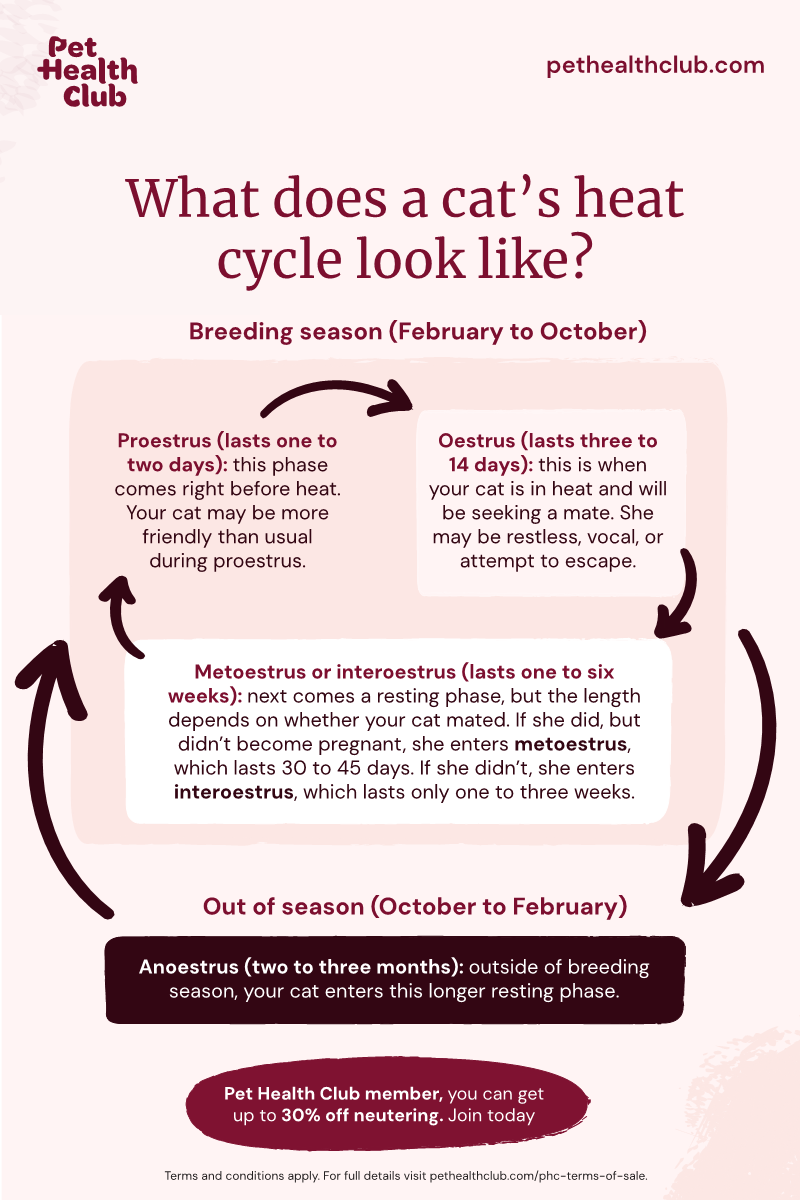
Heat cycles show when a cat is fertile. Female cats usually start heat between five to twelve months old. Signs include:
- Loud, frequent meowing or yowling
- Increased affection and rubbing against objects
- Restlessness and pacing
- Raising hindquarters or tail when touched
Heat cycles last about 7 to 10 days and repeat every two to three weeks. Track these cycles to know the best breeding time. Avoid breeding during the first heat; wait for the second or third cycle for better health results.
Evaluating Overall Health
Good health is essential before breeding. A healthy cat has:
- Clear eyes and clean ears
- Shiny, smooth fur
- Normal weight and muscle tone
- No signs of illness or parasites
Visit a vet to check vaccinations and screen for diseases. The vet can also confirm if your cat is physically mature enough. Only breed cats that are strong and free from health issues to ensure safe pregnancies and healthy kittens.
Breeding Frequency And Timing
Cats should start breeding after they reach at least one year old to ensure full growth. Breeding too early can harm their health and reduce litter size. Timing breeding cycles carefully helps improve the chances of healthy kittens.
Understanding the appropriate breeding frequency and timing for your cats is crucial for their health and well-being. It’s not just about producing adorable kittens, but also about ensuring the longevity and vitality of your feline companions. Let’s explore how to time and space out breeding efforts to keep both mama cats and kittens healthy and thriving.Optimal Breeding Intervals
Breeding cats too frequently can lead to health issues for the mother. A good rule of thumb is to allow at least a year between litters. This gives the mother enough time to recover and regain her strength. Spacing out breeding intervals ensures your cat isn’t overburdened by constant pregnancies. Some breeders suggest even longer periods, depending on the cat’s health and age. Always observe your cat’s condition and consult with a vet for personalized advice.Seasonal Considerations
Cats are often more fertile during certain times of the year, typically spring through late summer. This is due to longer daylight hours which can influence their reproductive cycle. Breeding during these peak times can increase the likelihood of a successful pregnancy. But remember, quality over quantity. It’s better to have one healthy litter than multiple poorly timed ones. Consider how your local climate and daylight hours affect your cats. Do you notice behavioral changes in them during different seasons? Observing these patterns can help optimize your breeding schedule. Breeding responsibly involves careful planning and timing. How do you ensure your breeding practices support the health of your cats?Veterinary Advice And Testing
Before you decide to breed your cat, consulting a veterinarian is crucial. Veterinary advice and testing help ensure your cat is healthy and ready for breeding. This step protects both the mother and her future kittens from potential health risks.
Pre-breeding Health Checks
Your cat needs a thorough health check before breeding. A vet will examine her overall condition, including weight, teeth, and heart health. Vaccinations should be up to date to prevent infections during pregnancy.
Parasite control is another key point. Fleas, ticks, and worms can harm both the mother and kittens. Your vet can recommend safe treatments to use before and during pregnancy.
Have you ever considered how a simple health check can prevent expensive vet bills later? It’s an investment in your cat’s well-being and the health of her offspring.
Genetic Screening Importance
Genetic screening uncovers inherited diseases that may pass to kittens. Many cat breeds carry specific genetic conditions that can cause serious health problems. Testing helps you avoid breeding cats with these issues.
Tests vary by breed but often include screening for conditions like hypertrophic cardiomyopathy (HCM) or polycystic kidney disease (PKD). Knowing your cat’s genetic status guides responsible breeding decisions.
Imagine the impact on your breeding program if you unknowingly pass on a genetic disorder. Genetic screening gives you control to select healthier cats, improving the quality of your kittens and your reputation as a breeder.
Male Cat Breeding Age
Knowing the right age to start breeding male cats is key for healthy litters. Male cats reach breeding age at different times. Understanding this helps ensure strong offspring and a safe experience for the male cat.
When Males Reach Sexual Maturity
Male cats usually reach sexual maturity between 5 and 9 months. At this age, they start producing sperm and showing mating behaviors. Some males may mature earlier or later based on breed and health. Breeding too early can cause health problems for the cat.
Breeding Readiness Factors
Age is not the only factor to consider. Good health is essential before breeding. Check for:
- Proper weight and size
- Clear eyes and nose
- Strong muscles
- Vaccinations up to date
- Free from genetic diseases
Behavior matters too. The male should be calm and social with females. Stress or aggression may reduce breeding success. A vet check can confirm readiness. Waiting until the male is at least 1 year old often produces better results.
Ethical Breeding Practices
Ethical breeding practices protect cats’ health and happiness. They help maintain strong, healthy cat populations. Breeders focus on the well-being of the mother cat and her kittens. Breeding is done responsibly, with respect for the animals involved.
Avoiding Overbreeding
Overbreeding can harm a cat’s health. It leads to stress, illness, and weaker kittens. Responsible breeders give mother cats time to recover between litters. They limit the number of litters per year. This helps keep cats strong and healthy.
Ensuring Quality And Welfare
Quality breeding means choosing healthy cats with good traits. Breeders test for genetic diseases before mating. They provide proper food, care, and a clean environment. Socializing kittens early helps them grow into friendly pets. Welfare always comes first in ethical breeding.

Credit: dremmanuelfontaine.com
Credit: www.pethealthclub.com
Frequently Asked Questions
At What Age Can Cats Safely Start Breeding?
Cats can safely start breeding at around 1 year old. This age ensures they are physically mature and healthy enough for pregnancy. Breeding too early can cause health problems for both the mother and kittens. Always consult a vet before breeding your cat.
How To Tell If A Cat Is Ready To Breed?
A cat is ready to breed when she shows signs of heat, like restlessness and vocalization. She should be at least 1 year old and in good health. A vet checkup is essential to confirm readiness and rule out any health issues.
What Are The Risks Of Breeding Cats Too Young?
Breeding cats too young increases risks like pregnancy complications and weak kittens. Young cats may not be fully developed physically or emotionally. This can lead to health problems for the mother and offspring. Proper timing helps ensure safer pregnancies and healthier kittens.
How Often Should A Cat Be Bred?
Cats should ideally be bred no more than once per heat cycle. Allow full recovery between pregnancies to maintain health. Overbreeding can cause stress and health issues. Consult your vet for a breeding schedule that supports your cat’s wellbeing.
Conclusion
Breeding cats requires careful timing and good health checks. Cats should be mature enough to handle pregnancy safely. Starting too early can cause health problems for both mother and kittens. Wait until your cat is at least one year old and fully grown.
Always consult a vet before breeding. Healthy cats make healthier kittens. Take time to learn and prepare well. Breeding is a big responsibility. Do it with care and respect for your pets. Your cats will thank you.



Leave a Reply