Are you wondering if your older cat can still enjoy a grooming session? You might be asking yourself, “How old can a cat be to get groomed?”
It’s a common concern for many pet owners who want the best care for their furry friends as they age. Grooming isn’t just about keeping your cat looking good—it helps with their health, comfort, and happiness too. But is there an age limit?
Keep reading to discover how grooming can benefit cats at any stage of life and learn the important things you need to know to keep your senior cat safe and comfortable during grooming.
Cat Grooming Basics
Understanding the basics of cat grooming is essential for every cat owner. Grooming is not just about keeping your cat looking good; it plays a significant role in their overall health and happiness. Whether your cat is young or elderly, knowing these basics will help you provide the best care possible.
Importance Of Grooming
Grooming helps remove dirt, dead hair, and parasites from your cat’s coat. It also prevents matting, which can cause discomfort or skin infections. Regular grooming allows you to check for lumps, bumps, or skin problems early on.
Beyond physical health, grooming strengthens the bond between you and your cat. Cats often groom themselves, but they sometimes need your help, especially as they age. Have you noticed your older cat struggling to reach certain spots? That’s when your grooming routine becomes crucial.
Common Grooming Techniques
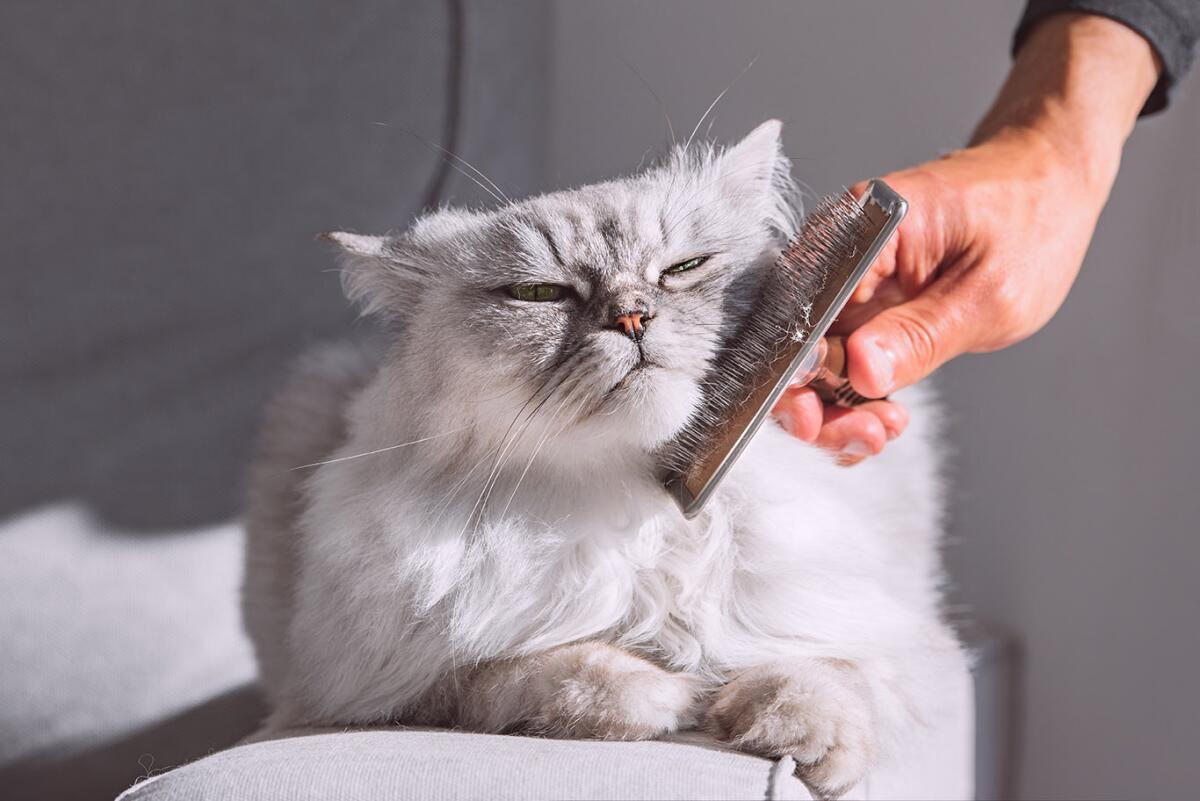
Brushing is the most common grooming technique and varies depending on your cat’s fur type. Short-haired cats usually need a quick brush once a week, while long-haired cats benefit from daily brushing.
- Brushing:Removes loose hair and reduces shedding.
- Bathing:Occasionally necessary for cats with very dirty or greasy coats.
- Nail Trimming:Keeps claws at a healthy length and prevents damage.
- Ear Cleaning:Removes excess wax and prevents infections.
Each technique should be done gently and with patience. Watch your cat’s reactions to find what they tolerate best. What grooming steps do you think your cat would enjoy the most?
Age Factors In Cat Grooming
Age plays a key role in how cats should be groomed. Each life stage has different needs and challenges. Understanding these helps keep cats healthy and comfortable during grooming sessions.
Kitten Grooming Needs
Kittens need gentle grooming to get used to touch. Their fur is soft and delicate. Use a soft brush to avoid skin irritation. Keep sessions short to hold their attention. Grooming helps remove loose fur and prevents mats. It also builds trust between kitten and owner.
Adult Cat Grooming
Adult cats require regular grooming to maintain a shiny coat. Brushing removes dirt and loose hair. It also reduces shedding around the house. Use a brush suited to the cat’s fur type. Grooming can be a bonding activity. Watch for skin problems or unusual fur changes.
Senior Cat Grooming Challenges
Older cats may have trouble grooming themselves. Arthritis or stiffness can make movement hard. Their fur may become matted or dull. Grooming needs more care and patience. Use gentle strokes and avoid pulling mats. Check for skin lumps or wounds during grooming. Regular grooming helps seniors stay comfortable and clean.
Health Considerations By Age
Understanding the health considerations related to your cat’s age is essential before grooming. Each stage of life brings unique challenges that affect how your cat handles grooming sessions. Paying attention to these changes helps keep your cat comfortable and safe during grooming.
Physical Limitations
Older cats often have joint pain or arthritis, making it hard for them to sit still or stay in one position for long. You might notice your cat struggling to jump up or turn around easily. Adjust your grooming routine by using gentle strokes and shorter sessions to avoid stressing their body.
Young kittens, on the other hand, may be too wiggly and impatient for long grooming. So, keep sessions brief and playful to build positive associations. Can you spot signs of discomfort before grooming begins? That awareness can save your cat from unnecessary pain.
Skin And Coat Changes
As cats age, their skin becomes thinner and more fragile. This makes them prone to cuts and irritation during brushing. Using soft-bristled brushes and avoiding aggressive detangling is crucial to protect sensitive skin.
Older cats might also experience a duller coat due to less self-grooming. Regular, gentle brushing can help distribute natural oils and improve their fur’s appearance. Have you checked your cat’s coat texture lately? Changes might signal underlying health issues.
Medical Conditions Impacting Grooming
Health problems like diabetes, kidney disease, or dental issues can affect your cat’s grooming needs and tolerance. Some conditions reduce mobility or cause pain, limiting how much grooming your cat can handle at once.
Medications may also cause dry skin or hair loss, requiring special grooming care. Always consult your vet before introducing new grooming tools or routines. Have you discussed your cat’s health conditions with your vet in relation to grooming? This can guide you toward safer, more effective care.
Signs Your Cat Needs Grooming
Knowing when your cat needs grooming can save you and your pet from unnecessary stress. Cats may not always show obvious signs, but subtle clues can tell you it’s time to pick up the brush or schedule a grooming session. Paying attention to these signs helps keep your cat comfortable and healthy.
Matting And Tangles
Have you noticed your cat’s fur looking clumpy or knotted? Mats and tangles can form quickly, especially in long-haired cats. These not only cause discomfort but can lead to skin irritation or infections if left untreated.
Running your fingers through your cat’s coat regularly helps you spot mats early. If your cat resists touch in certain areas, that could be a sign of painful tangles. Don’t wait until the mats are severe—gentle grooming or professional help can make a big difference.
Excessive Shedding
Shedding is normal, but when you find fur all over your furniture or clothes, it might mean your cat needs grooming. Regular brushing reduces loose hair and prevents hairballs.
Notice if shedding increases suddenly or if your cat’s coat looks dull. These changes can signal stress or health issues, but grooming can often improve the situation. Have you tried grooming your cat during shedding season to see if it eases the problem?
Unpleasant Odors
If your cat starts to smell bad, it’s a clear sign that grooming is overdue. Odors can come from dirt buildup, oily skin, or even dental problems.
Smelling your cat regularly is an easy way to catch issues early. A clean, fresh-smelling cat usually means their grooming needs are met. If you notice persistent bad odors, a grooming session combined with a vet check might be necessary.
Safe Grooming Practices For Older Cats
Cats can be groomed safely at any age with gentle care. Older cats may need slower, shorter grooming sessions to stay comfortable. Regular grooming helps keep their coat healthy and reduces matting.
Caring for an older cat requires a gentle approach, particularly when it comes to grooming. As cats age, they may face health challenges that make regular grooming more complex. Understanding safe grooming practices can enhance your cat’s quality of life, ensuring they remain comfortable and content.Handling Sensitivities
Older cats often develop sensitivities, whether due to arthritis, skin conditions, or other age-related issues. Pay attention to your cat’s body language during grooming sessions. Notice any signs of discomfort such as twitching, flinching, or growling, and adjust your technique accordingly. Use slow, gentle strokes when brushing. If your cat seems especially sensitive, try grooming in short sessions. This not only minimizes stress but also makes the experience more enjoyable for your feline friend.Choosing The Right Tools
Select grooming tools that cater to your cat’s specific needs. A soft-bristle brush is usually a safe choice for older cats with sensitive skin. If your cat has long hair, a wide-tooth comb can help untangle knots without causing pain. For trimming nails, consider using a scissor-style clipper. It’s easier to control and less likely to cause injury. Always have styptic powder on hand to quickly stop any bleeding from accidental cuts.When To Seek Professional Help
Sometimes, grooming at home may not be enough, especially if your cat has matted fur or severe skin issues. In such cases, a professional groomer can be invaluable. They have the skills and tools needed to handle more complicated grooming tasks safely. Consider visiting a groomer who specializes in handling older or special-needs pets. Ask for recommendations from your veterinarian or fellow pet owners. Regular professional grooming can complement your at-home efforts and keep your cat feeling their best.Benefits Of Regular Grooming
Regular grooming offers many benefits for cats of all ages. It helps keep their fur clean and healthy. Grooming also supports their overall well-being. Cats enjoy the gentle care and attention. This routine can improve their daily comfort and happiness.
Improved Comfort
Grooming removes loose hair and dirt from the coat. It prevents mats and tangles that cause pain. Brushing helps reduce shedding around the home. Groomed cats feel lighter and freer to move. Their skin stays healthy without irritation or dryness.
Early Detection Of Health Issues
While grooming, you can spot problems early. Look for bumps, cuts, or parasites like fleas. Notice changes in skin color or unusual lumps. Detecting issues early leads to quicker treatment. It helps avoid serious health problems later on.
Strengthened Bond With Your Cat
Grooming creates a calm and loving moment. Cats learn to trust their owners more. The gentle touch reduces stress and anxiety. It builds a closer relationship every time. Your cat feels safe and cared for during grooming.
Frequently Asked Questions
How Old Can A Cat Be To Start Grooming?
Cats can begin grooming at any age, including seniors. Age isn’t a barrier, but health matters most. Older cats may need gentler grooming due to fragile skin and health issues. Always consult your vet before grooming elderly cats to ensure safety.
Is Grooming Safe For Very Old Cats?
Yes, grooming is safe for old cats when done carefully. Use gentle techniques and avoid stressful procedures. Monitor the cat’s reaction closely and stop if they show discomfort. Regular grooming helps maintain coat health and comfort in senior cats.
How Often Should Elderly Cats Be Groomed?
Elderly cats should be groomed more frequently, ideally once a week. This helps prevent matting and skin problems. Senior cats groom less effectively, so regular brushing aids in cleanliness and comfort. Adjust frequency based on your cat’s coat type and health.
Can Grooming Improve An Old Cat’s Health?
Grooming can improve an elderly cat’s health by removing dirt and loose fur. It boosts circulation and reduces hairballs. Grooming also allows early detection of skin issues or lumps. Regular grooming promotes comfort and well-being in older cats.
Conclusion
Cats of almost any age can enjoy grooming safely. Older cats may need gentler care and shorter sessions. Watch for signs of stress or discomfort during grooming. Regular grooming helps keep cats clean and healthy. Always consult your vet if your cat has health issues.
Grooming supports your cat’s comfort and well-being. Start slowly and be patient with senior cats. Keep grooming a positive experience for your furry friend. Caring for your cat’s coat improves their happiness.

Leave a Reply