How often should you take your cat for professional grooming? If you’ve ever wondered about the right schedule to keep your furry friend looking and feeling their best, you’re not alone.
Grooming isn’t just about appearance—it’s essential for your cat’s health and comfort. But how do you know when it’s time to book that appointment? Keep reading to discover the simple signs and expert tips that will help you decide the perfect grooming routine for your cat.
Your pet will thank you for it!
Benefits Of Professional Cat Grooming
Professional cat grooming offers more than just a clean and tidy coat. It plays a key role in maintaining your cat’s overall well-being. Understanding these benefits can help you decide how often your feline friend should visit a groomer.
Health Advantages
Regular grooming helps prevent mats that can cause skin infections and discomfort. Groomers also check for signs of parasites, lumps, or skin issues that you might miss at home.
Think about the last time you noticed your cat scratching excessively. A professional groomer could catch underlying problems early, saving you costly vet visits later.
Appearance Enhancements
A groomer can make your cat look their best by trimming fur evenly and cleaning hard-to-reach areas. This is especially important for long-haired breeds that require extra care.
Have you noticed how a fresh grooming session makes your cat’s coat shinier and softer? That boost in appearance can brighten your home and even improve your cat’s confidence.
Behavioral Improvements
Many cats feel calmer and more relaxed after grooming. The gentle handling and massage-like brushing can reduce stress and anxiety.
Regular grooming sessions also help your cat get used to being touched, which makes vet visits and daily care easier for both of you. How might your cat’s behavior improve if grooming became a positive routine?
Factors Influencing Grooming Frequency
Knowing how often to groom your cat professionally depends on several important factors. These elements shape the best grooming schedule to keep your feline friend healthy and comfortable. Understanding these can help you avoid under- or over-grooming, which can cause stress or skin problems for your cat.
Cat Breed And Coat Type
The breed and coat type play a huge role in grooming needs. Long-haired breeds like Persians or Maine Coons need grooming more often—sometimes every 4 to 6 weeks—to prevent mats and tangles. Short-haired cats may only require professional grooming every few months since their fur is less prone to knots.
Think about your cat’s coat texture too. Cats with dense or double coats, such as Siberians, may shed heavily and benefit from regular grooming to manage loose fur. You might notice how quickly your cat’s fur gets messy or sheds—that’s a good clue on how often grooming is needed.
Age And Health Conditions
Older cats often struggle with self-grooming due to arthritis or other mobility issues. They might need professional help more frequently to keep their coats clean and skin healthy. Similarly, cats with skin conditions or allergies may require special grooming treatments tailored to their needs.
Have you observed your cat grooming less as they age or when sick? This is a sign to increase grooming attention. Regular professional care can improve their comfort and prevent painful matting or infections.
Indoor Vs Outdoor Cats
Indoor cats generally stay cleaner and may need less frequent professional grooming. However, they still shed and can develop dander or hairballs that grooming helps control. Outdoor cats, on the other hand, get exposed to dirt, debris, and parasites, which often means they require grooming more often.
Outdoor cats might pick up burrs or get muddy, creating tangles and skin irritations. If your cat ventures outside regularly, scheduling grooming every 4 to 8 weeks can keep them fresh and healthy. Have you noticed your outdoor cat needing more baths or brushing than your indoor one?
Signs Your Cat Needs Grooming
Knowing when your cat needs professional grooming helps keep them healthy and happy. Cats often hide discomfort, so watch for clear signs. Grooming removes dirt, loose hair, and prevents skin problems. Regular care improves your cat’s comfort and coat condition.
Matting And Tangles
Mats and tangles form when fur is not brushed regularly. They cause pain and skin irritation. Mats trap dirt and moisture, leading to infections. Cats with long hair are more prone to mats. Grooming breaks up these knots and prevents skin damage.
Excessive Shedding
Shedding is normal but too much fur on furniture or clothes is a warning. Excessive shedding may signal stress, poor diet, or health issues. Professional grooming removes loose hair and reduces shedding. It keeps your home cleaner and your cat more comfortable.
Skin Irritations
Redness, bumps, or scabs on your cat’s skin show irritation. These signs can mean allergies, parasites, or infections. Grooming helps spot skin problems early. It also soothes irritated skin and removes allergens from the coat.
Recommended Grooming Schedules
Finding the right grooming schedule for your cat can make a big difference in their comfort and health. Grooming isn’t just about keeping fur tidy; it helps catch skin issues early and reduces shedding around your home. Your cat’s coat type and age play key roles in how often you should book a professional groomer.
Short-haired Cats
Short-haired cats usually require less frequent professional grooming. Their coats shed naturally, so a grooming session every 2 to 3 months often works well. If your cat is very active outdoors or sheds heavily, you might want to groom them more often to keep their coat clean and skin healthy.
Pay attention to your cat’s behavior too. If you notice excessive scratching or bald patches, it might be time for a grooming check-up. Have you ever noticed how a quick brushing at home can reduce hairballs? Professional grooming can amplify these benefits.
Long-haired Cats
Long-haired cats need more frequent grooming because their fur mats easily and traps dirt. Scheduling professional grooming every 4 to 6 weeks is ideal to prevent tangles and painful matting. Long-haired breeds like Persians or Maine Coons especially benefit from regular care to maintain a silky, healthy coat.
If you’ve struggled with tangled fur or your cat resists home brushing, professional help can save both of you stress. Regular grooming sessions also reduce the risk of skin infections hidden under thick fur. Could a monthly grooming routine be the secret to your cat’s comfort?
Senior Cats
Senior cats often have more sensitive skin and may groom themselves less effectively. Their grooming needs depend on mobility and health, but generally, a professional grooming every 6 to 8 weeks is helpful. This schedule supports their comfort and helps you spot any changes in their skin or coat early.
Older cats may also need gentle handling during grooming, something professionals are trained to provide. If your senior cat has arthritis or other issues, you might notice grooming sessions become more important for their overall well-being. How often do you check your older cat’s coat for changes?
What To Expect During A Grooming Session
Professional grooming sessions help keep your cat healthy and comfortable. Expect gentle care tailored to your cat’s needs. Groomers work patiently to reduce stress and make the experience pleasant. Each session usually involves several key steps focused on cleanliness and care.
Bathing And Brushing
Bathing removes dirt and loose fur from your cat’s coat. Groomers use mild shampoos made for cats. They rinse carefully to avoid irritation. Brushing helps remove tangles and mats. It also spreads natural oils, making fur shiny and soft.
Nail Trimming
Trimming your cat’s nails prevents overgrowth and damage to furniture. Groomers use special clippers designed for cats. They cut only the sharp tips, avoiding sensitive areas. This step keeps nails healthy and your cat safe.
Ear And Eye Cleaning
Cleaning ears removes wax and debris that cause infections. Groomers use gentle solutions and soft cloths or cotton balls. Eye cleaning clears away discharge and dirt. Both steps improve your cat’s comfort and health.
Choosing The Right Grooming Professional
Selecting a skilled grooming professional is essential for your cat’s well-being. Professional grooming every 4-6 weeks keeps your cat’s coat healthy and clean. Regular grooming appointments help prevent matting and reduce shedding significantly.
Choosing the right grooming professional for your cat is crucial. A skilled groomer ensures your cat’s safety and comfort. This decision requires careful consideration of several factors. Below are important aspects to consider.Certifications And Experience
Ensure the groomer has relevant certifications. These show a commitment to professional standards. Experience matters too. An experienced groomer handles various cat breeds and temperaments. Ask about their training and years in the field. This helps assess their expertise.Reviews And Recommendations
Check reviews from other cat owners. Feedback provides insight into the groomer’s reliability and quality. Recommendations from friends or your veterinarian are valuable. They can guide you to trusted professionals. Positive word-of-mouth is often a good sign.Handling Cat Anxiety
Cats can get anxious during grooming. Choose a groomer who understands feline behavior. They should use calming techniques to ease stress. Ask about their approach to nervous cats. A gentle, patient groomer can make a big difference.Diy Grooming Tips Between Appointments
Keeping your cat well-groomed between professional appointments can make a big difference in their comfort and health. Regular DIY grooming helps prevent mats, reduces shedding, and keeps your feline friend feeling fresh. Plus, it’s a wonderful way to bond with your cat while checking for any skin issues or unusual lumps.
Brushing Techniques
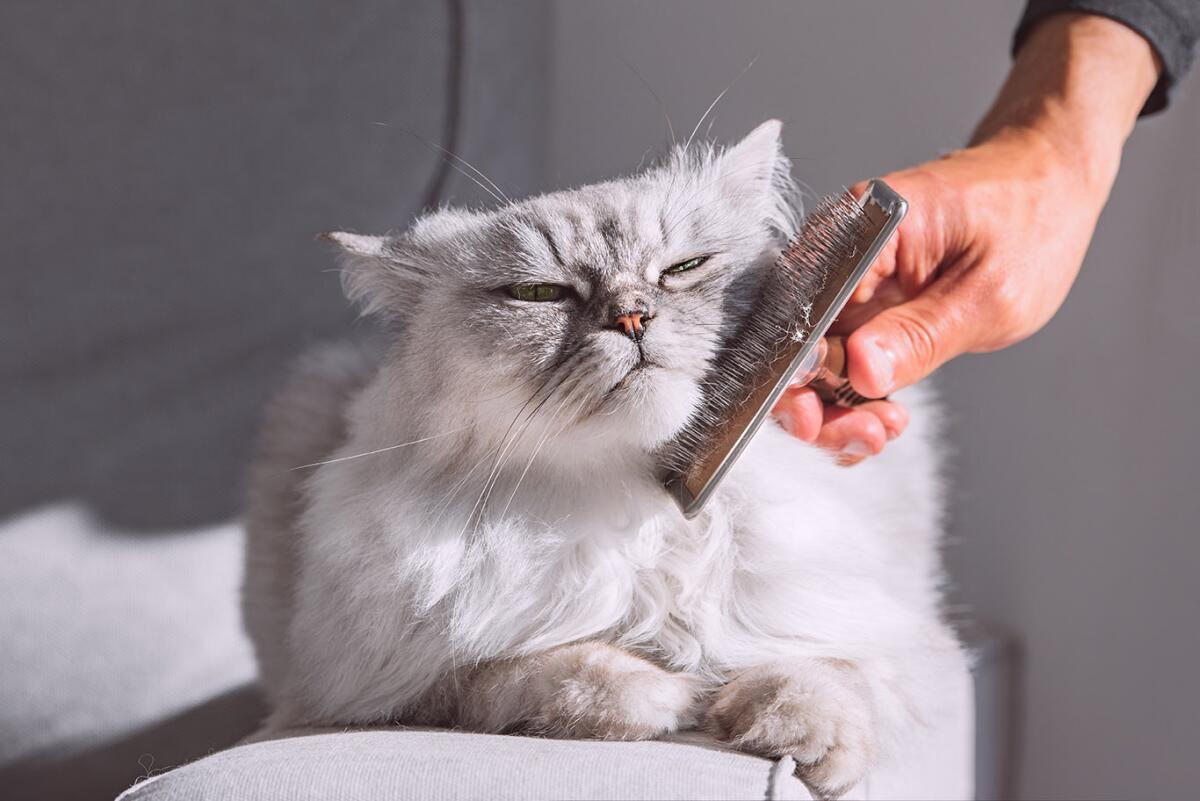
Choose a brush that suits your cat’s fur type. For short-haired cats, a rubber brush works well, while long-haired cats benefit from a slicker brush to remove tangles.
Brush gently in the direction of the fur growth to avoid hurting your cat. Start with short sessions and gradually increase the time as your cat gets used to the process.
Try to brush at least a few times a week. Notice how your cat reacts—if they seem relaxed, you’re probably doing it right. If they resist, try a different spot or brush type.
Bathing At Home
Most cats don’t need frequent baths, but occasional cleaning can be helpful, especially if your cat gets into something sticky or dirty.
Use a cat-specific shampoo and lukewarm water. Avoid getting water in their ears and eyes to keep them comfortable.
Keep the bath short and reward your cat afterward with a treat or playtime. Have you noticed how some cats actually enjoy a splash of water?
Maintaining Nail Health
Trim your cat’s nails every couple of weeks to prevent overgrowth and reduce the chance of scratching injuries.
Use a pet nail clipper and only cut the sharp tip, avoiding the pink quick inside the nail. If you’re unsure, ask your vet or groomer for a quick demonstration.
Keep some styptic powder nearby to stop any bleeding if you accidentally cut too deep. Regular nail care can reduce your cat’s stress during professional grooming sessions.
Frequently Asked Questions
How Often Should I Groom My Cat Professionally?
Most cats benefit from professional grooming every 6 to 8 weeks. This helps manage shedding and prevents matting, especially for long-haired breeds. Regular grooming also keeps your cat’s skin healthy and reduces hairballs, promoting overall well-being.
What Are The Benefits Of Professional Cat Grooming?
Professional grooming removes loose fur, dirt, and tangles effectively. It helps detect skin issues early and keeps nails trimmed safely. Groomers can also clean ears and trim fur around sensitive areas, ensuring your cat stays comfortable and healthy.
Can Professional Grooming Reduce Cat Hair Shedding?
Yes, professional grooming significantly reduces shedding by removing loose hair. Regular brushing and grooming sessions prevent fur buildup and minimize hair around your home. This is especially helpful for cats that shed heavily or have thick coats.
Is Professional Grooming Necessary For Short-haired Cats?
While short-haired cats require less grooming, professional care every few months is still beneficial. It helps maintain a healthy coat, reduces shedding, and checks for skin problems. Grooming can also improve your cat’s comfort and hygiene.
Conclusion
Professional grooming keeps your cat healthy and happy. Regular sessions prevent matting and skin problems. Most cats benefit from grooming every 4 to 8 weeks. Short-haired cats need less frequent care than long-haired ones. Watch your cat’s coat and behavior for signs of grooming needs.
Clean fur means less hairballs and fewer fleas. A groomer also checks for health issues early. Choose a grooming schedule that fits your cat’s breed and lifestyle. Keep your cat comfortable with gentle, consistent care. Simple steps make a big difference in your cat’s well-being.

Leave a Reply