How often should you groom your cat? It’s a question every cat owner wonders about.
Grooming isn’t just about keeping your furry friend looking good—it’s key to their health and happiness. But finding the right balance can be tricky. Too little grooming may cause mats and discomfort, while too much can stress your cat. You’ll discover simple tips to help you know exactly when and how to groom your cat.
By the end, you’ll feel confident giving your cat the care they truly need. Keep reading to unlock the secrets to a happier, healthier kitty!
Benefits Of Regular Grooming
Regular grooming offers many benefits for your cat’s health and happiness. It keeps their coat shiny and clean. Grooming also helps reduce problems that affect cats often. A few minutes spent grooming can improve their daily life greatly.
Improving Coat Health
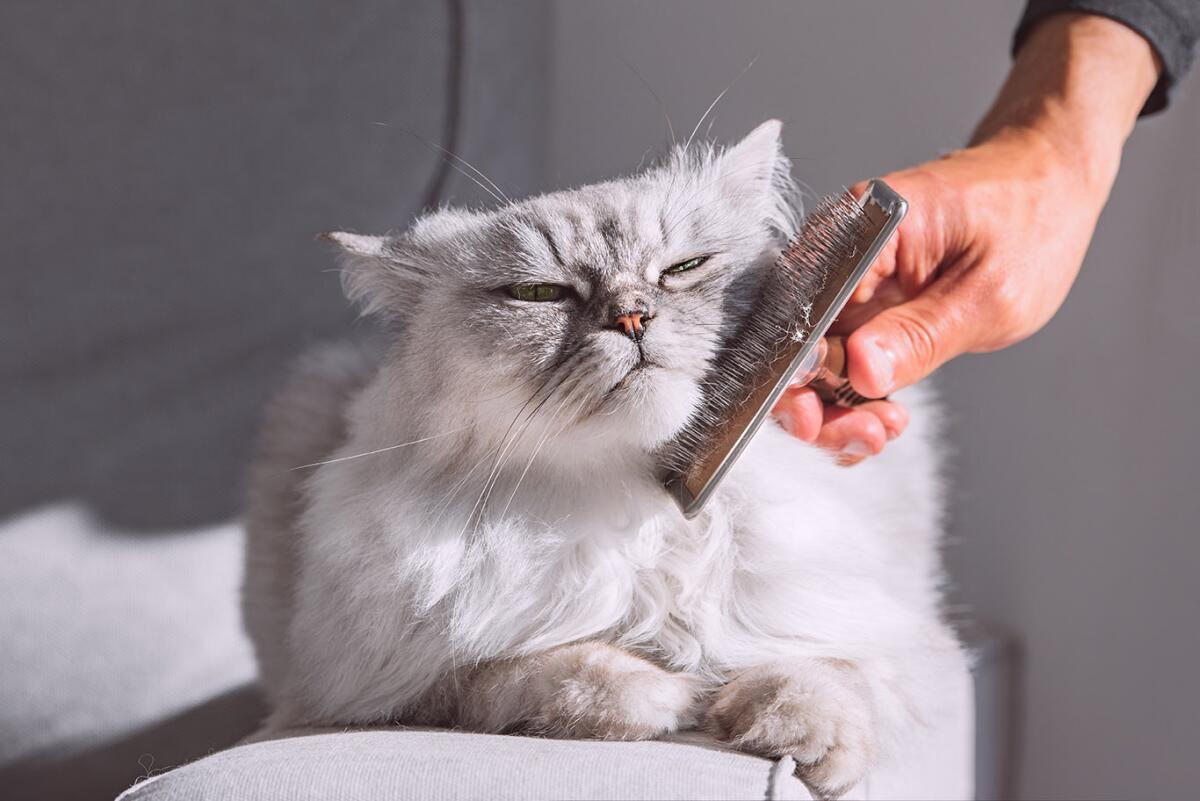
Brushing your cat removes dirt and loose hair. It spreads natural oils that protect the skin. This makes the fur soft and shiny. Regular grooming stops mats and tangles from forming. Healthy fur means a happy, comfortable cat.
Reducing Hairballs
Cats groom themselves but swallow loose hair. This hair can form hairballs in their stomach. Brushing your cat often removes loose fur before they swallow it. This lowers the chance of hairballs. Hairballs can cause discomfort and vomiting.
Detecting Skin Issues Early
Grooming lets you check your cat’s skin closely. You can spot bumps, redness, or parasites early. Early detection means faster treatment. This prevents small problems from becoming serious. A quick daily check can save your cat pain later.
Factors Influencing Grooming Frequency
Understanding how often to groom your cat depends on several key factors. Each cat has unique needs, and knowing these can help you keep your feline friend comfortable and healthy. Let’s look at what affects grooming frequency so you can tailor your routine effectively.
Breed And Fur Type
Different breeds have different grooming demands. Long-haired cats like Persians require daily brushing to prevent mats and tangles. Short-haired cats usually need less frequent grooming, often once a week, but still benefit from regular brushing to reduce shedding and hairballs.
Some breeds have dense undercoats that shed seasonally, increasing grooming needs during those times. Pay attention to your cat’s fur texture and shedding patterns. Have you noticed how your cat’s fur changes with the seasons? Adjust your grooming accordingly.
Age And Health Conditions
Older cats or those with health issues might struggle with self-grooming. Arthritis or obesity can make it hard for them to reach certain areas. You might need to step in more often to keep them clean and comfortable.
Cats with skin conditions or allergies often require special grooming care. Regular grooming sessions give you a chance to check for any signs of irritation or infection. How closely do you monitor your cat’s skin and coat health during grooming?
Indoor Vs Outdoor Cats
Outdoor cats generally need more frequent grooming. They collect more dirt, debris, and sometimes parasites. Regular grooming helps keep their coat clean and reduces the risk of skin issues.
Indoor cats typically stay cleaner but still shed and benefit from brushing. Grooming is also a great way to bond with your cat, regardless of their lifestyle. How does your cat react when you groom them—do they enjoy it or resist?
Daily Grooming Tips
Daily grooming is more than just a routine; it’s a chance to bond with your cat and keep them healthy. Spending a few minutes each day on grooming helps catch potential issues early. It also keeps your cat comfortable and looking their best.
Brushing Techniques
Choose a brush suited to your cat’s fur type—slicker brushes work well for long hair, while rubber brushes suit short-haired cats. Gently stroke in the direction of hair growth to avoid discomfort. Pay special attention to areas prone to mats like behind the ears and under the legs.
If your cat resists brushing, try using treats to create positive associations. Start with short sessions and gradually increase the time as your cat gets used to it. Have you noticed how some cats seem to enjoy the brushing almost as much as you do?
Checking For Parasites
Part your cat’s fur regularly to look for signs of fleas, ticks, or mites. Flea dirt looks like tiny black specks and can be found near the tail and neck. Ticks might appear as small bumps attached to the skin.
Early detection makes treatment easier and prevents infestations. Use a fine-toothed flea comb to help spot tiny pests. Can you imagine how much discomfort your cat avoids when you catch parasites early?
Cleaning Sensitive Areas
Pay careful attention to your cat’s eyes, ears, and teeth during daily grooming. Use a damp cotton ball to gently wipe around the eyes and remove any discharge. Check ears for wax buildup or a bad smell, which could signal infection.
Dental care can be part of grooming too—try brushing your cat’s teeth with a pet-safe toothpaste or offering dental treats. These small steps can prevent bigger health problems down the line. How often do you check these sensitive spots during your grooming routine?
Weekly And Monthly Grooming Tasks
Weekly and monthly grooming tasks keep your cat healthy and comfortable. Regular care helps prevent problems and makes your cat feel loved. Some tasks fit well into a weekly routine, while others can be done monthly. This balance keeps grooming easy and effective.
Bathing Your Cat
Bathing your cat is not needed often. Most cats clean themselves well. Bath once every month or two if your cat gets very dirty. Use warm water and a gentle cat shampoo. Avoid water in the ears and eyes. Dry your cat gently with a towel after the bath.
Nail Trimming
Trim your cat’s nails every one to two weeks. Short nails prevent scratches and damage to furniture. Use a special cat nail clipper for safety. Cut only the sharp tips. Avoid the pink area inside the nail, called the quick. If unsure, ask a vet or groomer for help.
Ear And Eye Care
Check your cat’s ears and eyes weekly. Use a soft cloth or cotton ball to clean dirt and discharge. Never insert anything deep into the ear canal. Look for redness, swelling, or bad smells. Wipe eyes gently if you see tear stains or crusts. Contact a vet if you notice unusual signs.
Tools For Effective Grooming
Regular grooming keeps a cat’s coat healthy and clean. Brush your cat weekly to prevent matting and reduce shedding. Long-haired cats may need more frequent grooming sessions for best results.
Grooming your cat can be a delightful bonding experience and a crucial part of maintaining their health. Having the right tools on hand can make this task easier and more effective. Whether your cat is a short-haired beauty or a long-haired diva, selecting the appropriate grooming equipment can significantly impact the process.Choosing The Right Brush
Selecting a brush that suits your cat’s fur type is essential. Short-haired cats benefit from brushes with soft bristles, which help remove loose hair without irritating the skin. Long-haired cats may require a slicker brush to tackle those pesky tangles and mats. Consider your cat’s comfort. Some cats may dislike certain brushes, so it might take some trial and error to find the perfect one. Always observe your cat’s reaction to ensure they are comfortable and relaxed during grooming sessions.Grooming Gloves And Combs
Grooming gloves can be a game-changer for cats that are sensitive to traditional brushes. These gloves allow you to gently remove loose fur while petting your cat, creating a pleasant experience for both of you. Combs, especially those with wide teeth, are excellent for detangling. They’re particularly useful for long-haired cats that might develop knots. Keep a variety of combs to address different needs, from fine-toothed combs for detailed grooming to wide-toothed ones for general maintenance.Safe Clippers And Scissors
Nail care is an often-overlooked aspect of grooming. Using safe clippers designed for pets will prevent injuries during nail trimming. Look for clippers with safety guards to avoid cutting too close to the quick, which can be painful for your cat. Scissors are useful for trimming fur around delicate areas like the face and paws. Ensure they are sharp and have rounded tips for safety. Are you confident with your trimming technique? Practice on less sensitive areas before moving on to trickier spots. With these tools in your grooming arsenal, maintaining your cat’s coat becomes a manageable and rewarding task.Handling Grooming Challenges
Grooming your cat can sometimes be tricky. Some cats resist brushing or trimming. Others develop mats that are hard to remove. These challenges need patience and the right approach. Handling them well keeps your cat happy and healthy.
Dealing With Aggressive Cats
Some cats get nervous or scared during grooming. They may scratch or bite to protect themselves. Use calm, gentle movements to reduce stress. Speak softly to soothe your cat. Try short grooming sessions to build trust. Always watch your cat’s body language for signs of discomfort. Stop if your cat becomes too upset.
Managing Mats And Tangles
Mats form when fur twists and sticks together. They can cause pain and skin problems. Use a wide-tooth comb to work through tangles gently. Hold the fur close to the skin to avoid pulling. For tough mats, trim carefully with scissors or clippers. Never pull hard; it hurts your cat. Regular brushing helps stop mats from forming.
When To Seek Professional Help
Some grooming tasks need expert care. Deep mats or skin issues require a professional groomer or vet. If your cat is very aggressive or stressed, a groomer can help safely. Professionals have tools and skills for difficult grooming. Don’t wait too long to get help. It keeps your cat comfortable and healthy.
Creating A Grooming Routine
Building a grooming routine for your cat is key to keeping their coat healthy and reducing shedding around your home. A consistent schedule helps your cat get used to the process, making grooming a calm and even enjoyable experience for both of you. Let’s look at how to create a routine that fits your lifestyle and your cat’s needs.
Setting A Schedule
Decide how often your cat needs grooming based on their breed and coat type. Short-haired cats might only need brushing once a week, while long-haired cats often require daily attention. Try to pick specific days and times for grooming sessions to make it a habit.
Ask yourself: what time of day is your cat most relaxed? Early mornings or quiet evenings might work best. Keeping sessions short but regular will prevent stress and help your cat look forward to grooming.
Making Grooming Enjoyable
Turn grooming into a positive time by using treats and gentle praise. Use soft brushes and work slowly to avoid hurting your cat or making them anxious. You can even pair grooming with playtime to create a happy association.
Think about adding variety—some cats enjoy a gentle massage before brushing. Watch your cat’s reactions and adjust your technique to what makes them comfortable. Your calm attitude will reassure your cat and build trust.
Tracking Grooming Progress
Keep a simple log of grooming sessions to notice patterns or changes in your cat’s coat or behavior. You can use a notebook or an app to mark dates, duration, and any issues like mats or skin irritation.
Tracking helps you spot problems early and shows you if your routine needs adjusting. Have you ever noticed your cat’s fur looking dull or shedding more than usual? This record can be a handy reference for your vet visits.
Frequently Asked Questions
How Often Should I Groom My Short-haired Cat?
Short-haired cats benefit from grooming once a week. Regular brushing removes loose fur and reduces shedding. It also helps prevent hairballs and keeps their coat healthy and shiny.
How Frequently Do Long-haired Cats Need Grooming?
Long-haired cats require grooming at least 3 to 4 times weekly. This prevents mats and tangles, which can cause discomfort and skin issues. Consistent grooming maintains their coat’s cleanliness and reduces shedding.
Can Grooming Frequency Affect My Cat’s Health?
Yes, regular grooming improves your cat’s skin and coat health. It also helps detect parasites, wounds, or abnormalities early. Proper grooming reduces hairballs and promotes overall well-being.
When Should I Start Grooming My Kitten?
Start grooming kittens as early as 6 to 8 weeks old. Early grooming helps them get used to the process and reduces stress. It builds trust and makes future grooming easier.
Conclusion
Regular grooming keeps your cat healthy and happy. Short-haired cats need brushing once a week. Long-haired cats benefit from daily brushing. Pay attention to your cat’s skin and coat. Grooming helps spot problems early. It also reduces shedding and hairballs.
Make grooming a calm, positive time together. Your cat will enjoy the care and attention. Consistency is key for the best results. Keep your cat comfortable and well-groomed always.


Leave a Reply