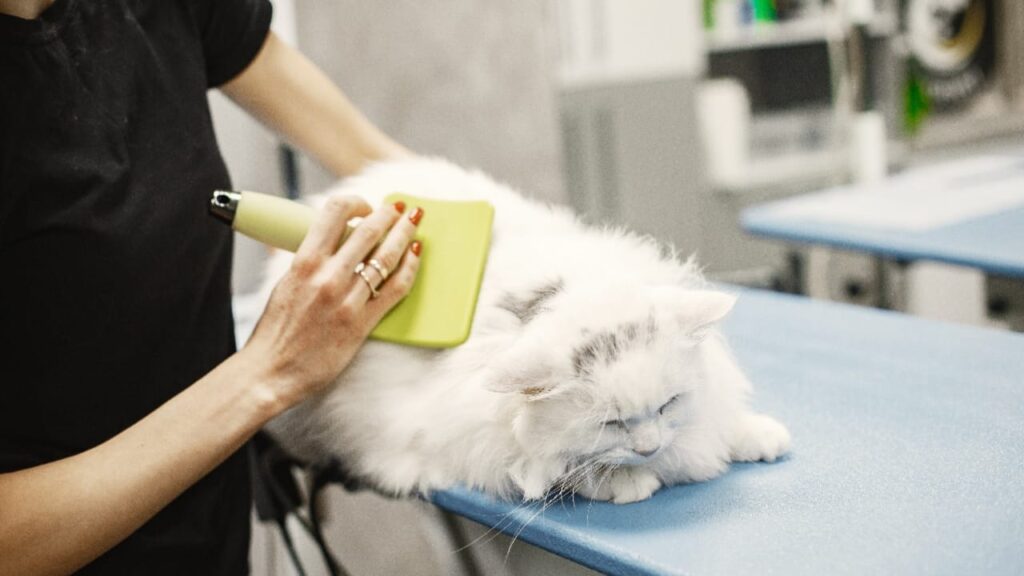
If you have a longhaired cat, you know how beautiful—and how much work—they can be. But how often should you actually groom your furry friend to keep their coat healthy and free of mats?
Skipping or delaying grooming can lead to discomfort for your cat and extra problems for you. You’ll discover the perfect grooming schedule tailored for longhaired cats. By the end, you’ll feel confident about caring for your cat’s coat the right way, making both of you happier.
Keep reading to find out exactly how often you should groom your longhaired companion!
Benefits Of Regular Grooming
Regular grooming offers many benefits for longhaired cats. It keeps their fur clean and healthy. Grooming also helps spot skin problems early. Cats feel more comfortable and relaxed too. Spending a little time each day on grooming improves their overall well-being.
Improved Coat Health
Brushing removes dirt and dead hair from the coat. It spreads natural oils, making fur shiny and soft. Grooming stimulates blood flow to the skin. This supports healthy hair growth and skin repair. A well-groomed coat looks vibrant and feels smooth.
Reduced Shedding
Regular brushing catches loose hair before it falls out. This lowers the amount of fur around the house. It helps keep furniture and clothes cleaner. Less shedding means fewer hairballs, too. Grooming controls shedding naturally and gently.
Prevention Of Matting
Long fur can tangle and form mats without care. Mats pull on the skin and cause pain. Grooming breaks up knots and stops mats from forming. It keeps the fur soft and easy to manage. Preventing mats protects your cat’s comfort and health.
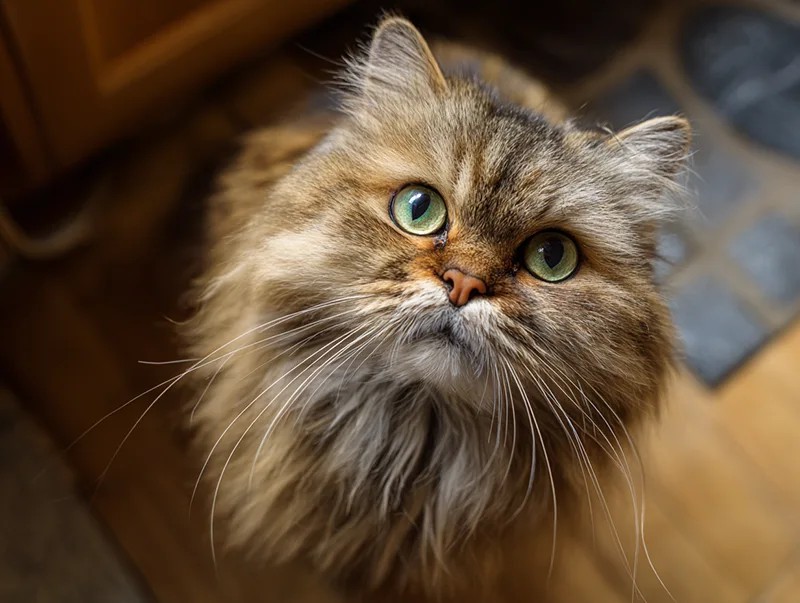
Credit: www.thecatpalace.com.au
Ideal Grooming Frequency
Knowing how often to groom your longhaired cat is key to keeping their coat healthy and tangle-free. The ideal grooming frequency balances daily attention with more thorough weekly care. This routine helps prevent mats and keeps your cat comfortable and happy.
Daily Brushing Needs
Longhaired cats often need daily brushing to stop tangles before they form. A quick 5-10 minute session each day can make a huge difference. You might find your cat actually enjoys this time—it can become a bonding moment.
Use a soft-bristle brush or a wide-tooth comb to gently remove loose hair and dirt. Pay attention to areas behind the ears and under the legs, where mats often start. Have you noticed your cat’s fur getting thicker or more prone to knots? That’s a sign daily brushing is even more important.
Weekly Full Grooming Sessions
Besides daily brushing, set aside time once a week for a deeper grooming session. This includes checking for mats, trimming fur around sensitive areas, and inspecting skin health. It’s also the perfect chance to clean ears and trim nails.
A thorough weekly grooming helps catch problems early before they become painful or cause skin issues. You might want to create a calm environment with treats and gentle talk to keep your cat relaxed. How does your cat respond to longer grooming sessions? Adjust your approach based on their comfort level.
Tools For Longhaired Cats
Grooming a longhaired cat needs the right tools to keep their coat healthy. Proper tools reduce hair mats and make grooming easier. Using good tools protects your cat’s skin and fur. It also helps you enjoy the grooming time together.
Types Of Brushes
Brushes come in many shapes and sizes for longhaired cats. A slicker brush works well to remove loose fur. It has fine, short wires close together. A pin brush has long, flexible pins that reach deep into the fur. Use it to smooth the coat and remove dirt. A bristle brush helps spread natural oils across the fur. It adds shine and removes surface dust.
Combs And Dematting Tools
A wide-tooth comb gently detangles knots without pulling. It is good for daily use. Fine-tooth combs catch smaller tangles and loose hairs. Dematting tools cut through tough mats carefully. They have sharp blades or teeth to break knots. Always use these tools slowly and gently to avoid hurting your cat.
Additional Grooming Supplies
- Grooming gloves help remove loose hair while petting.
- Scissors or thinning shears trim mats or excess fur safely.
- Flea combs check for tiny pests and remove them quickly.
- Pet wipes clean fur without water and freshen smell.
- Nail clippers keep claws short and prevent scratching.
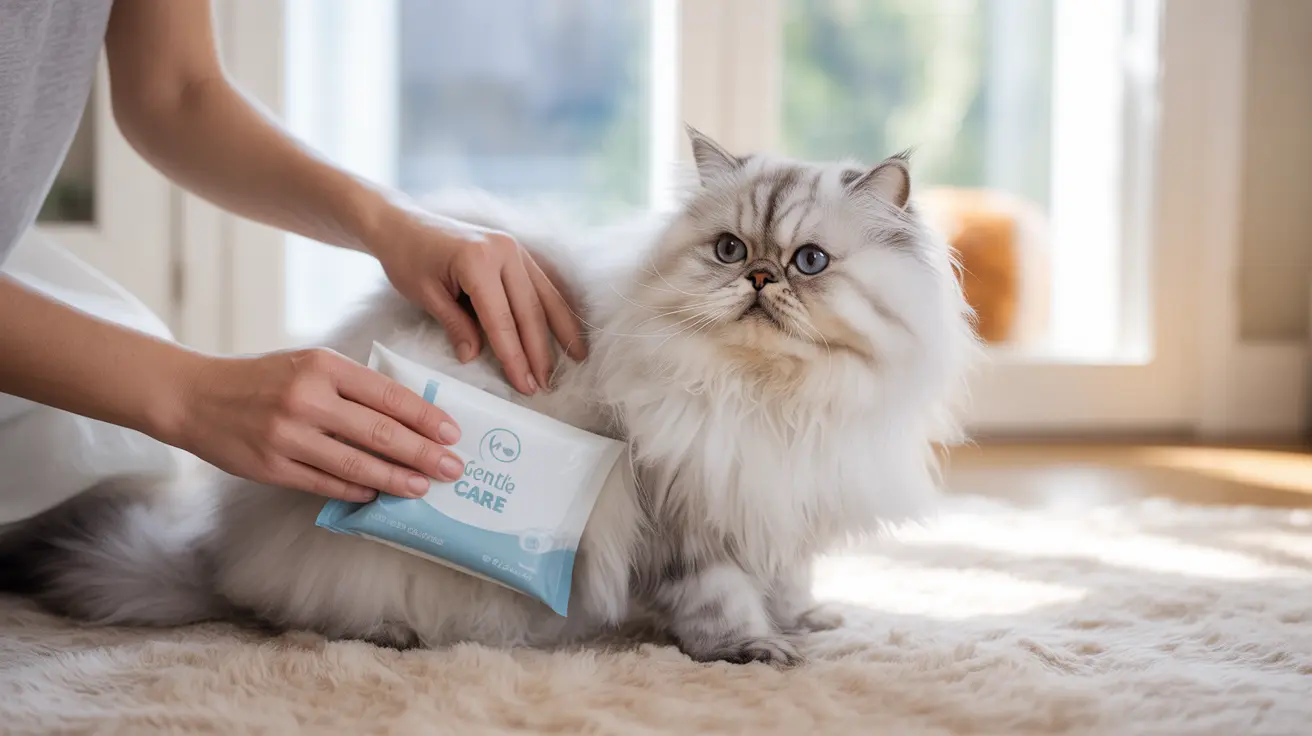
Credit: www.petscare.com
Step-by-step Grooming Routine
Grooming a longhaired cat requires patience and consistency. A regular routine helps maintain your cat’s coat, preventing tangles and mats. Follow these steps to keep your feline friend looking and feeling their best.
Preparing Your Cat
Start by creating a calm environment. Choose a quiet room with minimal distractions. Speak softly to reassure your cat. Gather all grooming tools before beginning. You will need a brush, comb, and detangling spray. Having treats on hand can help reward good behavior.
Brushing Techniques
Use a wide-toothed comb to gently detangle the fur. Work in sections, starting from the head and moving to the tail. Use short strokes to avoid pulling. Follow with a bristle brush to remove loose hair. Brushing your cat daily prevents matting and reduces shedding.
Handling Mats And Tangles
Mats can form quickly in longhaired cats. Use your fingers to gently separate small tangles. Apply detangling spray for tough mats. Carefully cut large mats with scissors if needed. Always hold the fur close to the skin to prevent cuts. Be patient and take breaks if your cat becomes stressed.
Signs Your Cat Needs More Grooming
Knowing when your longhaired cat needs extra grooming is important. Cats often hide discomfort well. Watch for clear signs that grooming is lacking. These signs can affect your cat’s health and happiness. Regular checks help catch issues early.
Excessive Shedding
Shedding happens naturally, but too much can signal a problem. If you see large clumps of fur around your home, your cat might need more brushing. Excess fur can cause discomfort and make your cat feel itchy. More grooming reduces loose hair and keeps your cat comfortable.
Visible Mats
Mats look like tangled clumps of fur. They can pull on your cat’s skin and cause pain. Mats trap dirt and moisture, leading to infections. Check your cat’s coat often, especially behind the ears and under the legs. Grooming breaks up mats and stops them from getting worse.
Skin Irritations
Redness, bumps, or scabs show skin problems. These irritations often happen because of poor grooming. Dirt and loose fur irritate your cat’s skin. Grooming helps remove irritants and keeps the skin healthy. Look closely for signs of scratching or licking too much.
Tips For Grooming Reluctant Cats
Grooming a longhaired cat can be a challenge, especially if your cat resists brushing. Patience and gentle care help turn grooming into a positive experience. Using the right approach reduces stress for both you and your cat. Below are practical tips to make grooming easier for reluctant cats.
Creating A Calm Environment
Choose a quiet spot free from loud noises and distractions. Soft lighting helps your cat feel relaxed. Speak softly and move slowly to avoid startling your pet. A calm atmosphere encourages your cat to stay still during grooming.
Using Treats And Rewards
Offer small treats to reward good behavior during grooming. Use treats your cat loves to keep them interested. Praise your cat gently to build trust. Rewards help your cat associate grooming with positive feelings.
Short And Frequent Sessions
Keep grooming sessions brief to avoid overwhelming your cat. A few minutes at a time works best. Frequent short sessions help your cat get used to grooming gradually. Stop before your cat shows signs of stress to keep the experience positive.
When To Seek Professional Grooming
Knowing when to seek professional grooming for your longhaired cat is important. Some grooming tasks need special tools and skills. Professionals can handle tricky situations safely and effectively. Recognizing these moments helps keep your cat comfortable and healthy.
Complex Matting Issues
Mats that are tight or large can hurt your cat. Pulling mats out can cause pain and skin damage. Professionals use special scissors and clippers to remove mats safely. They know how to handle sensitive skin and avoid injuries. Trust experts to deal with severe matting problems.
Health Concerns
Some cats have skin conditions or wounds needing gentle care. Groomers trained in pet health can spot infections early. They can clean and groom without worsening health issues. Cats with arthritis or mobility problems may find grooming stressful. Professionals can make grooming more comfortable for these cats.
Seasonal Grooming Needs
Longhaired cats shed more in spring and fall. Heavy shedding can lead to tangles and hairballs. Professional groomers can provide thorough brushing and deshedding treatments. They help reduce loose hair and keep your cat’s coat smooth. Seasonal visits can prevent grooming problems before they start.

Credit: www.latimes.com
Frequently Asked Questions
How Often Should I Groom A Longhaired Cat?
Longhaired cats need grooming at least 3 to 4 times a week. Regular brushing prevents matting and reduces shedding. Daily grooming is ideal for cats prone to tangles or with very thick fur.
What Tools Are Best For Grooming Longhaired Cats?
Use a slicker brush and a metal comb for best results. Slicker brushes remove loose hair and mats, while combs detangle fur gently. Avoid harsh tools that can hurt your cat’s skin.
Can Grooming Reduce Hairballs In Longhaired Cats?
Yes, regular grooming significantly reduces hairballs. Brushing removes loose fur before your cat ingests it during self-grooming. This decreases hair accumulation in their digestive system and improves overall health.
How Do I Prevent Matting In Longhaired Cats?
Frequent brushing is the best way to prevent mats. Focus on areas prone to tangling, like behind ears and under legs. If mats form, carefully use a dematting tool or seek professional grooming help.
Conclusion
Grooming a longhaired cat often keeps its coat healthy and clean. Brush your cat at least a few times each week. This helps stop mats and hairballs from forming. Regular grooming also builds trust and comfort between you and your pet.
Pay attention to your cat’s needs and adjust grooming times as needed. A well-groomed cat feels happier and looks beautiful. Small daily efforts make a big difference in your cat’s life. Keep grooming simple and consistent for the best results.



Leave a Reply