If you have a long-haired cat, you know how beautiful—and sometimes challenging—their fur can be. But how often should you groom your furry friend to keep their coat shiny, healthy, and tangle-free?
The answer might surprise you. Getting the grooming routine right isn’t just about looks; it affects your cat’s comfort and well-being too. Keep reading, because understanding the best grooming schedule for your long-haired cat will save you time, prevent problems, and strengthen the bond you share.
Let’s dive into what your cat really needs!
Grooming Frequency Basics
Grooming a long-haired cat requires regular attention to keep their coat healthy and tangle-free. The right grooming frequency depends on the cat’s coat type, lifestyle, and health. Understanding the basics helps maintain a shiny, soft fur and prevents mats from forming.
Daily Vs Weekly Grooming
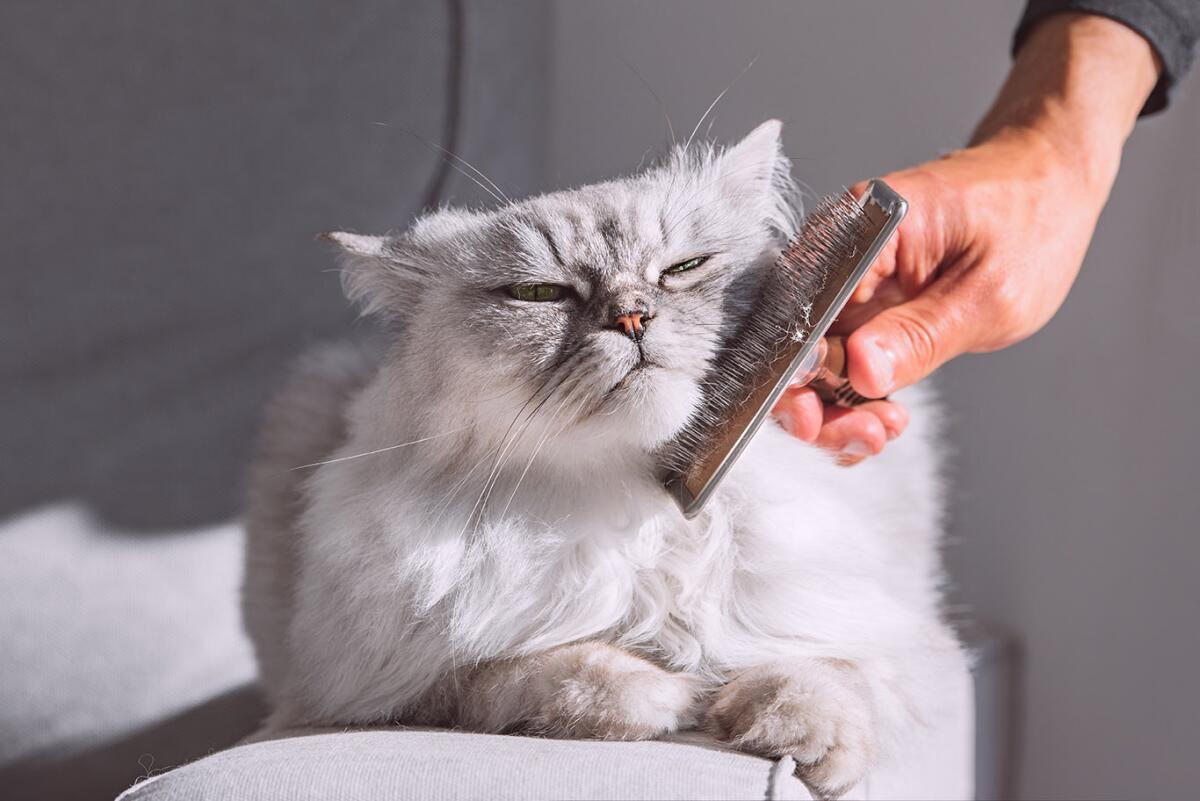
Long-haired cats benefit from daily grooming to remove loose hair and prevent tangles. Daily brushing reduces shedding and stops hairballs. Some cats tolerate daily sessions well, while others prefer shorter, weekly grooming.
Weekly grooming works for cats with less thick coats or calmer temperaments. Weekly sessions should be thorough, focusing on areas prone to mats like behind ears and under legs. Choose the grooming frequency based on your cat’s comfort and coat condition.
Seasonal Changes Impact
Seasonal changes affect a cat’s coat and grooming needs. Cats shed more in spring and fall to adjust to temperature changes. During these seasons, grooming frequency should increase to manage extra shedding.
In warmer months, more frequent brushing helps cool the cat and remove dead hair. In colder months, grooming still prevents mats but may require less time. Adjust grooming routines according to the season to keep your cat comfortable and their coat healthy.
Tools For Long Haired Cats
Grooming a long haired cat requires the right tools. Proper tools make grooming easier and more effective. They help prevent mats and keep the coat shiny. Investing in quality tools saves time and reduces stress for both cat and owner.
Essential Brushes And Combs
- Slicker Brush:Removes loose hair and tangles gently.
- Wide-tooth Comb:Works through thick fur without pulling.
- Fine-tooth Comb:Catches small knots and debris.
- Pin Brush:Smooths the coat and adds shine.
Special Grooming Accessories
- Dematting Tool:Breaks up stubborn mats safely.
- Grooming Gloves:Provides gentle massage and hair removal.
- Nail Clippers:Keeps claws trimmed to avoid scratching.
- Detangling Spray:Helps comb through knots easily.
Step-by-step Grooming Process
Grooming a long-haired cat regularly keeps its coat healthy and shiny. The process involves gentle brushing and careful handling of mats and tangles. A calm environment helps your cat stay relaxed during grooming sessions.
Following a clear grooming routine supports your cat’s comfort. It also reduces hairballs and skin problems. Use soft brushes designed for long fur to avoid pulling or hurting your cat.
Brushing Techniques
- Use a wide-toothed comb to start and remove loose hairs.
- Brush in the direction of hair growth for comfort.
- Work gently from head to tail, covering all areas.
- Focus on problem spots like behind ears and under legs.
- Short, gentle strokes reduce stress for your cat.
- Check for dirt, fleas, or skin irritation during brushing.
Dealing With Mats And Tangles
- Hold the fur close to skin to avoid pulling.
- Use a dematting comb or your fingers to loosen knots.
- Cut mats carefully only if they cannot be brushed out.
- Apply a detangling spray made for cats to ease brushing.
- Separate large mats into smaller sections before removing.
- Be patient and stop if your cat becomes stressed.
Signs Your Cat Needs More Grooming
Long-haired cats need regular grooming to stay healthy and comfortable. Sometimes, signs appear that show your cat needs more grooming. These signs help you know when to increase brushing or care. Watch carefully for changes in behavior and appearance.
Behavioral Clues
- Your cat scratches or bites at its fur often.
- It hides or avoids being touched on certain spots.
- Your cat grooms itself more than usual but still looks messy.
- It seems restless or uncomfortable without clear reason.
- Your cat resists or reacts nervously during grooming sessions.
Physical Indicators
- Hair mats and tangles form easily and look tight.
- Fur looks dull, oily, or dirty even after grooming.
- Skin shows redness, flakes, or sores under the fur.
- Loose hair clumps appear around the house or on furniture.
- Areas of missing fur or bald patches become visible.
Health Benefits Of Regular Grooming
Regular grooming of your long-haired cat is more than just a beauty routine. It plays a crucial role in maintaining their health and well-being. From preventing uncomfortable hairballs to ensuring a healthy skin and coat, grooming is a key part of your cat’s care.
Preventing Hairballs
Long-haired cats are more prone to hairballs, which can lead to discomfort and digestive issues. By grooming your cat regularly, you remove loose fur before it can be ingested. This simple act can significantly reduce the frequency of hairballs.
Have you ever noticed your cat coughing or gagging? These are often signs of hairballs. Regular brushing can help prevent these unpleasant episodes, keeping your furry friend more comfortable and healthy.
Skin And Coat Health
Grooming is essential for maintaining your cat’s skin and coat health. It helps distribute natural oils, which keeps the coat shiny and the skin moisturized. This can prevent tangles, mats, and skin irritations.
Neglecting grooming can lead to painful mats that tug at your cat’s skin. Imagine wearing a sweater that’s too tight—it’s not comfortable. Regular grooming ensures your cat’s coat is free from tangles and keeps their skin happy.
Think about grooming as a bonding time. It’s an opportunity to check for unusual lumps or skin conditions. Early detection is key, and grooming gives you a chance to spot potential health issues early on.
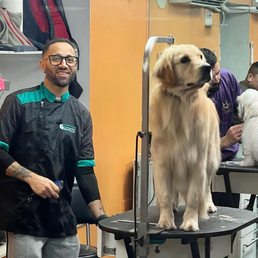
When To Seek Professional Grooming
Knowing when to seek professional grooming for your long-haired cat can save you time and stress. Some situations require expert care to keep your cat comfortable and healthy. Recognizing these moments helps you avoid painful mats and ensures your cat’s coat stays in top shape.
Handling Difficult Cats
Not all cats enjoy brushing or grooming, especially long-haired breeds that need frequent attention. If your cat becomes aggressive or overly stressed during grooming, it may be time to call a professional. Groomers have experience and tools to manage anxious or resistant cats safely.
Have you noticed your cat hiding or reacting badly whenever you bring out the brush? Professionals know how to calm and handle difficult cats, reducing the risk of injury to both you and your pet. They can also trim nails or clean ears without causing distress.
Special Grooming Situations
Some grooming tasks go beyond daily brushing and require specialized skills. If your cat develops severe mats that you can’t remove at home, a groomer can safely cut them out without hurting your pet. Groomers can also provide deep cleaning baths, flea treatments, and haircuts tailored to your cat’s needs.
Think about times when your cat’s coat looks dull or has excessive shedding despite regular grooming. A professional can assess your cat’s skin and fur health and recommend treatments or dietary changes. Sometimes, a trim before seasonal changes helps keep your cat comfortable and reduces hairballs.
Frequently Asked Questions
How Often Should You Groom A Long-haired Cat?
Long-haired cats need grooming at least 3-4 times a week. Frequent brushing prevents mats and reduces shedding. Regular grooming also promotes healthy skin and a shiny coat.
Can Grooming Reduce Hairballs In Long-haired Cats?
Yes, regular grooming helps reduce hairballs. Brushing removes loose fur before your cat ingests it. This minimizes hair accumulation in the digestive tract.
What Tools Are Best For Grooming Long-haired Cats?
A slicker brush and wide-toothed comb work best. These tools gently detangle fur and remove loose hair without hurting the cat’s skin.
Is Professional Grooming Necessary For Long-haired Cats?
Professional grooming is beneficial every few months. Experts handle tough mats and trims. It complements your regular home grooming routine.
Conclusion
Grooming a long-haired cat often keeps its coat healthy and clean. Regular brushing helps avoid mats and tangles. Aim to groom your cat at least three times a week. Daily grooming works best for cats with very thick fur. Stay gentle and patient during each session.
Watch your cat’s reaction to find the best routine. Clean fur means a happier, more comfortable cat. Keep grooming simple and consistent for best results. Your cat will thank you with less shedding and fewer knots. Small efforts make a big difference in your cat’s care.

Leave a Reply