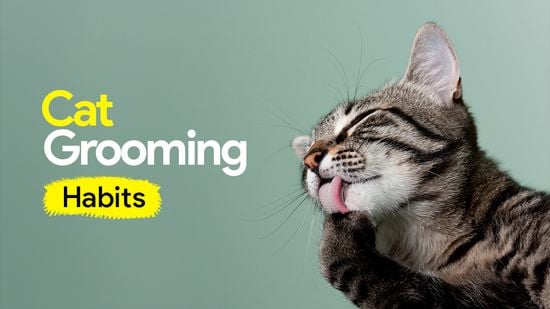
Are you wondering how often you should get your cat groomed? Keeping your furry friend clean and comfortable is more important than you might think.
Regular grooming doesn’t just make your cat look good—it can prevent health problems and strengthen the bond between you. But how do you know the right grooming schedule for your cat’s unique needs? You’ll discover simple tips to keep your cat happy, healthy, and well-groomed without the guesswork.
Keep reading to find out what works best for your feline companion.
Factors Influencing Grooming Frequency
Understanding how often your cat needs grooming depends on several key factors. These factors affect not only how frequently you should groom but also the techniques and products you might use. Paying attention to these details can make grooming a smoother experience for both you and your feline friend.
Breed And Coat Type
Different breeds have vastly different grooming needs. Long-haired cats like Persians require daily brushing to prevent mats and tangles. Short-haired breeds usually need less frequent grooming—often just once a week.
If your cat has a double coat, such as a Maine Coon, shedding can be intense during certain seasons. This might mean increasing grooming sessions temporarily. Think about your cat’s fur texture and length when deciding how often to groom.
Age And Health
Young cats often groom themselves well, but as they age, their grooming habits can decline. Older cats may have arthritis or dental issues that make self-cleaning difficult, so you might need to step in more often.
Health conditions like obesity or skin allergies also affect grooming frequency. If your cat shows signs of discomfort or excessive shedding, consult your vet and adjust grooming accordingly.
Indoor Vs Outdoor Cats
Outdoor cats get dirtier and face more environmental hazards like burrs or ticks. They usually need more frequent grooming to stay clean and healthy. You might find yourself brushing your outdoor cat several times a week.
Indoor cats, on the other hand, tend to stay cleaner but still benefit from regular grooming to reduce hairballs and maintain a healthy coat. How often you groom depends on their activity level and exposure to dust or allergens inside your home.
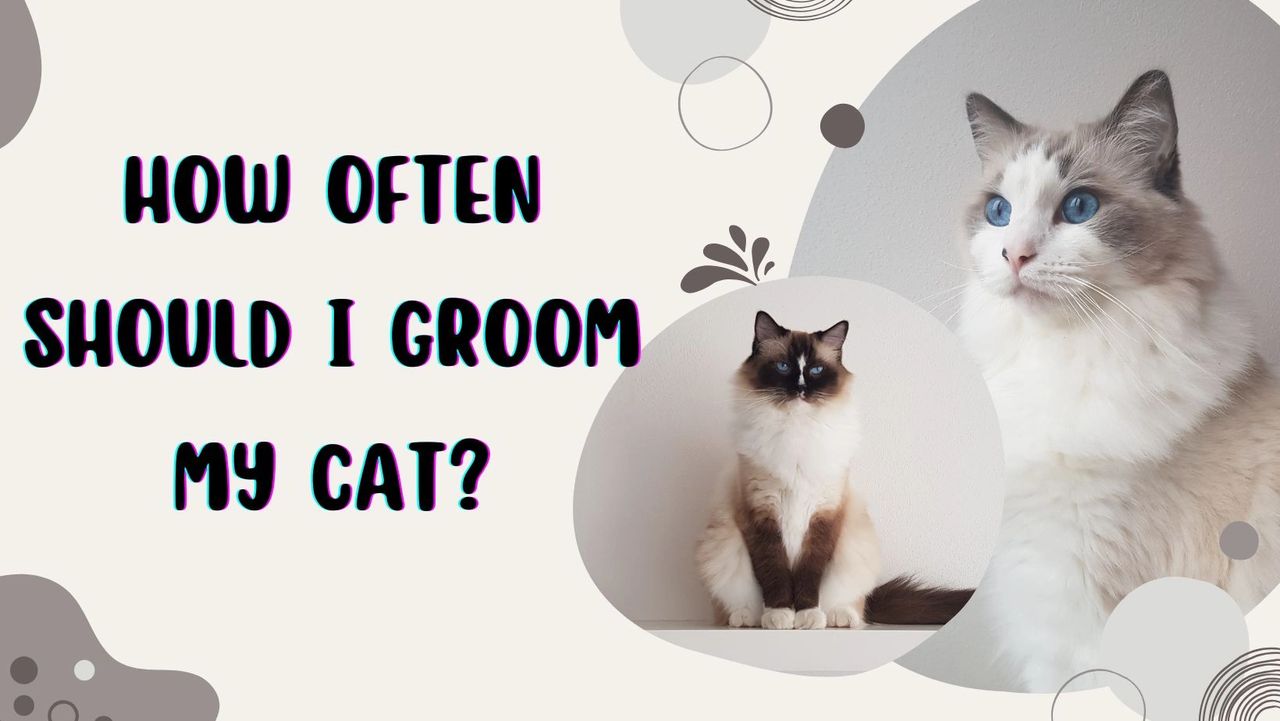
Credit: temeculapetsalonandspa.com
Signs Your Cat Needs Grooming
Recognizing when your cat needs grooming helps keep them healthy and happy. Cats cannot always clean themselves fully. Signs of needing grooming appear in their coat and skin. Watching for these signs prevents discomfort and health issues.
Matting And Tangles
Matted fur feels tight and clumped. It pulls on your cat’s skin and causes pain. Tangles can trap dirt and moisture. These create a breeding ground for bacteria and fleas. Regular grooming stops mats and tangles from forming.
Shedding Patterns
Shedding is normal but excessive fur loss is not. Large clumps of fur on furniture or clothes show shedding problems. Uneven patches or bald spots also signal a grooming need. Grooming removes loose fur and reduces shedding around the house.
Skin Irritations
Redness, bumps, or scabs on your cat’s skin need attention. These irritations cause itching and discomfort. Scratching or licking too much can worsen the problem. Grooming helps find skin issues early and soothes irritated areas.
Grooming Frequency For Different Cats
Not all cats need the same grooming schedule. Their coat length, age, and health play a big role in how often you should groom them. Knowing the right frequency helps keep your cat comfortable and healthy without wasting your time or theirs.
Short-haired Cats
Short-haired cats usually groom themselves quite well. They often only need brushing once every two weeks to remove loose fur and reduce shedding.
If your cat sheds heavily or has sensitive skin, consider brushing once a week. This helps prevent hairballs and keeps their coat shiny.
Have you noticed your short-haired cat enjoying the attention during grooming? This can be a great bonding moment for both of you.
Long-haired Cats
Long-haired cats need more frequent grooming to avoid mats and tangles. Daily brushing is ideal, especially during shedding seasons.
Skipping grooming sessions can lead to painful knots that might require professional help to remove. Your regular care can save your cat from discomfort and vet visits.
Try using a wide-tooth comb and a slicker brush to gently work through their fur. This keeps their coat soft and prevents hairballs from forming.
Senior Cats
Older cats may struggle to groom themselves properly due to arthritis or reduced flexibility. They often need more frequent grooming, even if they have short hair.
Check for dry skin, mats, or areas your senior cat can’t reach. Brushing them two to three times a week can improve their comfort and coat health.
Have you noticed your older cat spending less time grooming? This is a clear sign they need your help more often.

Credit: www.purina.com
Diy Grooming Tips
Taking care of your cat’s grooming at home can save you time and money while keeping your furry friend happy and healthy. With a few simple tools and a bit of patience, you can maintain your cat’s coat, nails, and overall cleanliness between professional grooming sessions. Have you ever wondered how to make grooming a positive experience for both you and your cat? Here are some practical tips to get you started.
Brushing Techniques
Regular brushing prevents mats and reduces shedding. Use a brush suited to your cat’s fur type—slicker brushes work well for long hair, while rubber brushes are great for short hair.
Brush gently in the direction of hair growth. Start with short sessions and praise your cat to build comfort. Notice areas where tangles form most often and focus there.
Bathing Your Cat
Bathing isn’t always necessary, but some cats benefit from occasional washes. Use lukewarm water and a cat-specific shampoo to avoid skin irritation.
Keep the bath short and calm. Speak softly and use a cup to pour water instead of a spray. If your cat resists, try wiping them down with a damp cloth instead.
Nail Trimming Basics
Trim your cat’s nails every two to three weeks to prevent scratching damage. Use a proper pet nail clipper and avoid cutting into the quick—the pink area inside the nail.
Hold your cat’s paw firmly but gently. If your cat is anxious, try trimming just one or two nails at a time. Rewarding with treats helps create a positive association.
When To Visit A Professional Groomer
Regular grooming keeps your cat healthy and comfortable. At times, a professional groomer is necessary. Professional groomers have the skills and tools for a thorough job. They can handle difficult tasks that you might find challenging.
Benefits Of Professional Grooming
Professional grooming offers many benefits for your cat. Groomers can remove knots and mats efficiently. They also check for skin issues or parasites. A groomer can trim your cat’s nails safely. This prevents overgrowth and potential injuries.
Finding The Right Groomer
Finding a good groomer ensures your cat’s safety and comfort. Look for groomers with certifications and good reviews. Visit the grooming salon beforehand. Check the cleanliness and observe how they handle animals. Speak with the groomer about your cat’s needs and your expectations.
Handling Anxious Cats
Anxious cats need special care during grooming. A professional knows how to calm nervous cats. They use gentle techniques and patience. Discuss your cat’s anxiety with the groomer. They might use calming sprays or play soothing music. Reassure your cat with a familiar toy or blanket.

Credit: www.latimes.com
Maintaining Grooming Between Sessions
Keeping your cat well-groomed goes beyond just scheduled grooming appointments. The time between sessions plays a crucial role in maintaining their coat, skin, and overall health. By establishing simple daily habits, you can help your cat stay comfortable and reduce the need for intensive grooming later.
Daily Care Routines
Brushing your cat regularly is one of the easiest ways to prevent mats and reduce shedding. Short sessions, even just 5 minutes a day, can make a big difference, especially for long-haired breeds.
Pay attention to areas prone to tangles, like behind the ears and under the legs. You might find that your cat enjoys the brushing time—it can be a chance to bond and spot any unusual lumps or bumps early.
Diet And Hydration
A healthy coat starts from within. Make sure your cat’s diet includes essential fatty acids, such as omega-3 and omega-6, which support skin and fur health.
Fresh water is equally important. Dehydration can lead to dry skin and dull fur, so providing clean water daily helps keep your cat’s coat shiny and soft.
Regular Health Checks
Inspect your cat’s skin and fur for signs of parasites, irritation, or infection during your grooming routine. Early detection can prevent bigger problems and discomfort.
Don’t hesitate to consult your vet if you notice excessive scratching, hair loss, or changes in your cat’s grooming habits. These could be signs of allergies, stress, or health issues that need attention.
Frequently Asked Questions
How Often Should Short-haired Cats Be Groomed?
Short-haired cats should be groomed every 4 to 6 weeks. Regular brushing reduces shedding and prevents hairballs. It also keeps their coat shiny and healthy.
When Is The Best Time To Groom A Cat?
The best time to groom a cat is during calm, relaxed moments. Groom after playtime or when the cat is resting. This helps reduce stress and makes grooming easier.
Can Grooming Frequency Vary By Cat Breed?
Yes, grooming needs differ by breed. Long-haired cats require weekly grooming. Short-haired cats need less frequent care. Always consider your cat’s specific coat type.
How Does Grooming Benefit A Cat’s Health?
Grooming removes dirt, loose hair, and prevents matting. It improves skin health and circulation. Regular grooming also helps detect parasites or skin issues early.
Conclusion
Regular grooming keeps your cat healthy and happy. Short-haired cats need less grooming, while long-haired cats need more. Watch your cat’s coat and skin to decide the best schedule. Grooming helps prevent mats, reduces shedding, and avoids skin problems. It also strengthens the bond between you and your cat.
Remember, each cat is different. Pay attention to their needs and adjust grooming often. A clean, brushed cat is a joyful cat. Keep grooming simple and consistent for the best results.



Leave a Reply