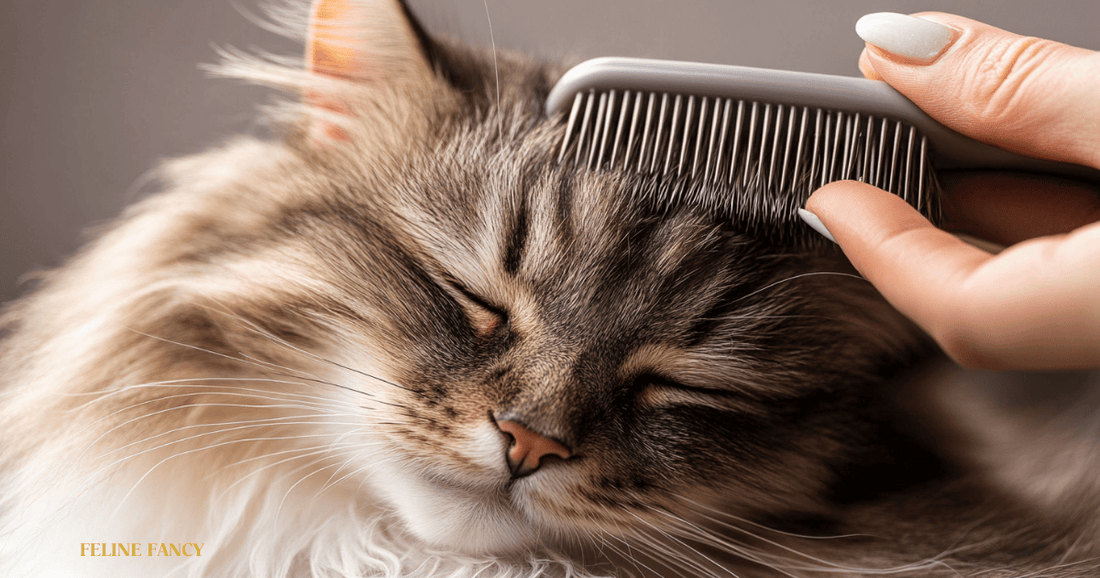
Are you tired of dealing with your cat’s tangled fur and uncomfortable mats? You’re not alone.
Knowing how often to groom your cat is key to keeping their coat smooth and healthy. But how do you find the right balance between too little and too much grooming? You’ll discover simple tips to prevent matting and keep your furry friend happy.
Keep reading to learn how a little regular care can make a big difference for your cat’s comfort and well-being.

Credit: nationalcatgroomers.com
Cat Fur Types
Understanding your cat’s fur type is key to preventing matting. Different fur types need different grooming frequencies and techniques. Knowing the specifics helps you tailor your care routine effectively and keeps your cat comfortable.
Short Hair Cats
Short hair cats usually have smooth, dense fur that lies close to the body. They generally require less frequent grooming—about once a week is enough to remove loose hairs and reduce shedding.
However, don’t skip grooming completely. Even short hair cats can develop mats around sensitive areas like the collar or behind the ears if not checked regularly. Have you noticed your cat’s fur feeling sticky or clumpy? That’s a sign to groom more often.
Long Hair Cats
Long hair cats need much more attention because their fur can tangle easily and form mats quickly. Daily brushing is often necessary to prevent painful knots and skin irritation.
While it might seem like a chore, grooming your long-haired cat can be a bonding experience. Use a wide-tooth comb and a slicker brush to gently work through tangles. Are you prepared to invest a few minutes each day to keep your cat comfortable?
Mixed Fur Types
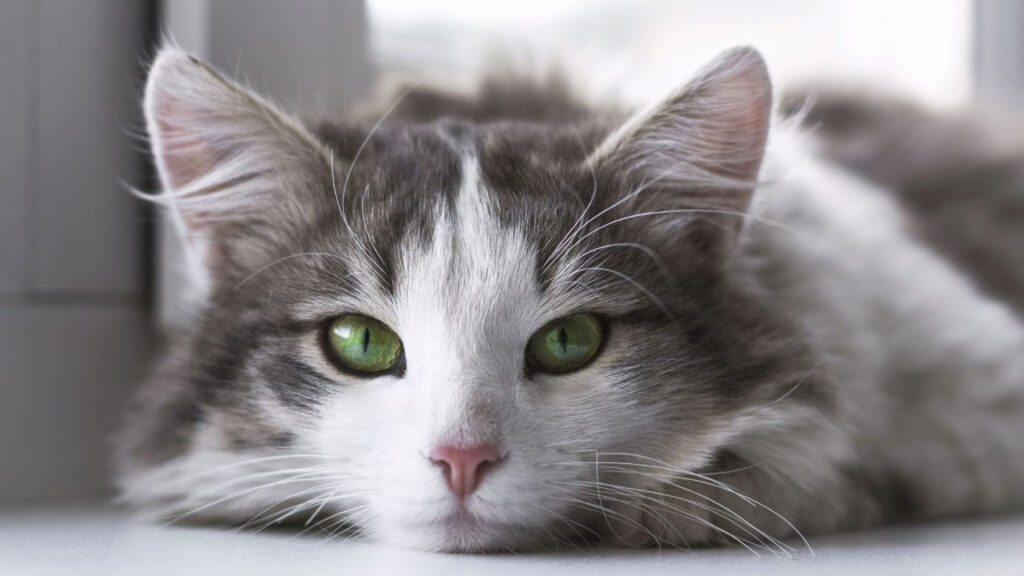
Mixed fur types, like medium-length or cats with varied textures, need a tailored approach. Grooming every two to three days often works well, but observe your cat’s fur to adjust.
Pay attention to areas that mat easily, such as under the legs and around the neck. If you notice any mats forming, address them immediately with gentle brushing or a detangling spray. How well do you know your cat’s unique fur needs?
Credit: alexthecatgroomer.com
Signs Of Matting
Spotting the signs of matting early can save your cat from discomfort and painful grooming sessions. Mats don’t just appear overnight—they develop over time, often hidden beneath your cat’s fur. Knowing what to look for helps you act before mats become a serious problem.
Tugging And Pulling
Does your cat flinch or pull away when you start brushing? This reaction might mean there are mats tangled in the fur. Mats resist the brush’s movement, causing an unpleasant tugging sensation that your cat tries to avoid.
Pay close attention to how your cat reacts during grooming. If you notice any sudden jerks or attempts to escape, gently check for knots in those areas. Catching mats early makes grooming easier for both of you.
Visible Clumps
One of the clearest signs of matting is visible clumps of fur sticking together. These clumps can look like small balls or thick patches and feel dense or hard to the touch. You might find them around the neck, behind the ears, under the legs, or near the tail.
Run your fingers through your cat’s coat regularly. If your hand encounters rough, tight spots instead of smooth fur, mats are likely forming. Early detection here means you can carefully detangle before it worsens.
Skin Irritation
Mats pull tightly on your cat’s skin, which can cause redness, inflammation, or even sores. If your cat is licking or scratching a specific area more than usual, check the skin underneath for irritation. This discomfort often signals that mats are causing pain beneath the fur.
Ignoring these signs can lead to infections or hair loss. If you notice irritated skin, consider consulting a vet or professional groomer to relieve your cat’s discomfort safely.
Grooming Frequency
Knowing how often to groom your cat is key to keeping their coat smooth and mat-free. Grooming frequency depends on your cat’s fur type, lifestyle, and any health issues. Paying attention to these factors helps you create a grooming schedule that fits your cat’s unique needs.
Daily Grooming Needs
Long-haired cats usually need daily grooming to stop mats from forming. Brushing every day removes loose hairs and prevents tangles before they start. Even short-haired cats can benefit from a quick daily brush to reduce shedding and build your bond.
Think about how often your cat sheds or how active they are outside. If they play in bushes or shed heavily, a daily grooming session might save you from painful mats later.
Weekly Grooming Routine
Most cats with medium to short fur do well with a weekly grooming routine. This is enough to catch small knots early and keep the coat healthy. Use a comb or brush suitable for your cat’s fur type to gently detangle any rough spots.
Ask yourself if your cat enjoys grooming or seems anxious. Adjust the routine to make it a positive experience. Consistency helps your cat expect and accept grooming without stress.
Monthly Checkups
Even if your cat doesn’t need daily or weekly grooming, monthly coat and skin checks are important. Look for signs of mats, dry skin, or parasites. Early detection can prevent discomfort and costly vet visits.
Mark a day each month to thoroughly examine your cat’s fur and skin. Use this time to check areas that often get missed, like behind the ears and under the legs. What’s your cat’s coat telling you today?
Essential Grooming Tools
Good grooming starts with the right tools. Each cat’s coat needs specific care tools to stay clean and tangle-free. Using proper tools helps avoid painful mats and keeps your cat comfortable. Here are the essential grooming tools every cat owner should have.
Brush Types
Brushes come in many styles to suit different fur types.
- Slicker Brushes:Great for removing loose hair and small tangles. Ideal for medium to long fur.
- Bristle Brushes:Gentle on the skin. Good for short-haired cats to remove dirt and spread natural oils.
- Pin Brushes:Help detangle longer fur without pulling.
- Undercoat Rakes:Designed to remove loose undercoat fur, preventing matting in thick-coated cats.
Combs And Dematting Tools
Combs and dematting tools target stubborn mats and tangles.
- Wide-Tooth Combs:Work well to gently loosen knots in thick fur.
- Fine-Tooth Combs:Help remove small tangles and debris close to the skin.
- Dematting Tools:Special blades or cutters designed to break up mats without hurting your cat.
Clippers And Scissors
Clippers and scissors help manage severe matting and trim overgrown fur.
- Electric Clippers:Useful for shaving large matted areas safely and quickly.
- Grooming Scissors:Rounded tips reduce injury risk. Perfect for trimming around sensitive areas like the face and paws.
- Thinning Shears:Blend fur and thin out thick patches without sharp edges.
Grooming Techniques
Regular grooming helps prevent matting in cats. Brushing once or twice a week is usually enough. Long-haired breeds may need more frequent grooming to maintain a tangle-free coat.
Grooming your cat is key to preventing mats. Regular grooming keeps your cat’s coat healthy and smooth. It also strengthens your bond with your pet. Below are some effective grooming techniques.Brushing Tips
Brush your cat regularly to prevent tangles. Use a comb or slicker brush. Short-haired cats need brushing once a week. Long-haired cats need daily grooming. Start brushing from the head and move towards the tail. Be gentle to avoid hurting your cat. Use short strokes to remove loose hair.Handling Sensitive Areas
Some areas are sensitive and need extra care. These include the belly, tail, and underarms. Approach these areas slowly and calmly. Use your hand to support your cat. Speak softly to keep your cat calm. If your cat resists, take a break and try again later.Dealing With Mats Safely
Mats can be tough to remove. Never pull or yank on a mat. Use a detangling spray to loosen it. Work on the mat gently with a comb. Start from the edges and move inward. For stubborn mats, use scissors or clippers. Always ensure the safety of your cat. If you’re unsure, consult a professional groomer.Professional Grooming Help
Professional grooming can help keep your cat’s coat smooth and mat-free. Regular visits to a groomer reduce the risk of painful tangles. Groomers have the skills and tools to handle thick or long fur safely. They can also spot skin problems early. This support is essential for cats that resist home brushing or have special needs.
When To Visit A Groomer
Visit a groomer if your cat has thick or long hair. Cats that shed a lot may need grooming every 6 to 8 weeks. Older cats or those with health issues might require more frequent care. Signs like mats forming quickly or skin irritation mean it’s time for professional help. If your cat dislikes brushing at home, a groomer can make the process easier.
Choosing A Grooming Salon
Pick a salon with experienced pet groomers. Look for places that are clean and calm. Staff should handle cats gently and patiently. Ask if they use pet-safe products and tools. Check reviews from other cat owners. A good groomer will explain the process and answer your questions clearly.
Costs And Benefits
| Cost Range | Service | Benefit |
|---|---|---|
| $40 – $70 | Basic Grooming (brushing, nail trim) | Prevents mats, keeps coat healthy |
| $70 – $120 | Full Grooming (bath, haircut) | Removes mats, improves comfort |
| $100+ | Specialized Care (dematting, skin treatment) | Treats severe mats and skin issues |
Professional grooming saves time and avoids painful mat removal later. It improves your cat’s comfort and coat health. Investing in regular grooming can reduce vet costs related to skin infections or injuries.
Preventing Future Mats
Preventing future mats in your cat’s fur is more than just a quick brush now and then. It requires building habits and understanding factors that affect your cat’s coat health. Paying attention to grooming routines, diet, and environment can make a huge difference in keeping your cat comfortable and mat-free.
Regular Grooming Habits
How often you groom your cat depends on their coat type, but consistency is key. Short-haired cats may only need a quick brush once a week, while long-haired breeds often benefit from daily grooming.
Set a regular time each day or week for grooming. This helps your cat get used to the routine and makes mat prevention easier.
Use the right tools: a slicker brush works well for long fur, while a rubber brush suits short-haired cats. Pay special attention to areas where mats often form, like behind the ears, under the legs, and around the collar.
Diet And Hydration
Your cat’s diet plays a big role in coat health. High-quality food rich in omega-3 and omega-6 fatty acids supports a shiny, strong coat less prone to tangling.
Have you noticed your cat scratching more or their fur looking dull? It might be time to check if they’re getting enough nutrients or hydration.
Keep fresh water available at all times. Dehydration can lead to dry skin, which increases the risk of mats forming.
Environmental Factors
Think about where your cat spends most of their time. Dusty or dirty areas can cause fur to tangle and collect debris, making mats more likely.
Regularly clean your cat’s bedding and vacuum areas they frequent. This reduces loose hair and dirt that contribute to matting.
If your cat goes outdoors, inspect their fur for burrs or twigs that can catch and tangle. Bringing your cat inside before dusk helps reduce exposure to elements that worsen coat condition.

Credit: www.purina.com
Frequently Asked Questions
How Often Should I Groom My Cat To Prevent Matting?
Groom your cat at least twice a week to prevent matting. Long-haired cats may need daily brushing. Regular grooming removes loose fur and prevents tangles.
What Tools Are Best For Cat Grooming To Avoid Mats?
Use a slicker brush, wide-tooth comb, and grooming gloves. These tools effectively remove loose hair and detangle fur gently. Choose tools based on your cat’s coat type.
Can Grooming Frequency Vary By Cat Breed?
Yes, grooming frequency depends on your cat’s breed and coat length. Long-haired breeds require more frequent grooming than short-haired cats. Adjust grooming to suit your cat’s needs.
How Do I Know If My Cat’s Fur Is Matting?
Check for tight clumps or knots in your cat’s fur. Mats feel hard and pull on the skin, causing discomfort. Regular grooming helps detect mats early.
Conclusion
Regular grooming keeps your cat’s fur healthy and smooth. Short-haired cats need brushing once a week. Long-haired cats require grooming several times weekly. Watch for signs of mats, like tugging or clumps. Use the right tools to make grooming easy.
Stay patient and gentle during each session. Keep your cat comfortable and calm. Clean fur means less matting and fewer skin problems. A little daily care goes a long way. Happy cats enjoy grooming and feel better too.




Leave a Reply