If you have a cat, you know how important their litter box is. But how often should you clean it to keep your home fresh and your kitty happy?
You might be surprised how the right cleaning schedule can make a big difference in your cat’s health and behavior. You’ll discover simple tips to keep your cat’s litter box clean without spending all day on it. Keep reading to learn the best cleaning routine that works for both you and your feline friend.
Credit: www.petsradar.com
Litter Box Cleaning Basics
Keeping your cat’s litter box clean is more than just a chore—it’s essential for your cat’s health and comfort. Understanding the basics of litter box cleaning helps you maintain a fresh environment that your cat will appreciate. Let’s look at why regular cleaning is necessary and how the type of litter you choose can make a big difference.
Why Regular Cleaning Matters
Regular cleaning prevents odors from taking over your home. Cats have a strong sense of smell, and a dirty litter box can discourage them from using it. This can lead to accidents outside the box, which nobody wants to deal with.
Cleaning your cat’s litter box daily by scooping out waste is a simple habit that saves bigger headaches later. It also reduces the risk of bacterial growth that could harm your cat’s health. Have you noticed how your cat behaves differently when the box is less clean? That’s a sign to clean it immediately.
Types Of Cat Litter
The type of litter you use affects how often you need to clean the box. There are clumping and non-clumping varieties, each with pros and cons.
- Clumping litter:Forms solid clumps when wet, making it easy to scoop out urine and feces daily. This type often controls odor better and allows for less frequent full litter changes.
- Non-clumping litter:Absorbs moisture but doesn’t form clumps, requiring more frequent complete changes to avoid smell and mess.
- Natural and biodegradable options:Made from materials like corn, wheat, or pine, these are environmentally friendly but may need more regular cleaning depending on your cat’s habits.
Choosing the right litter can reduce the frequency of deep cleaning and keep your cat happier. What type of litter does your cat prefer, and how does it affect your cleaning routine?

Credit: www.petplan.co.uk
Daily Cleaning Routine
Keeping your cat’s litter box clean daily helps maintain a fresh home. A daily cleaning routine prevents odors and keeps your cat happy. It also reduces the risk of infections and litter box avoidance. Simple daily care makes a big difference in hygiene and comfort.
Scooping Frequency
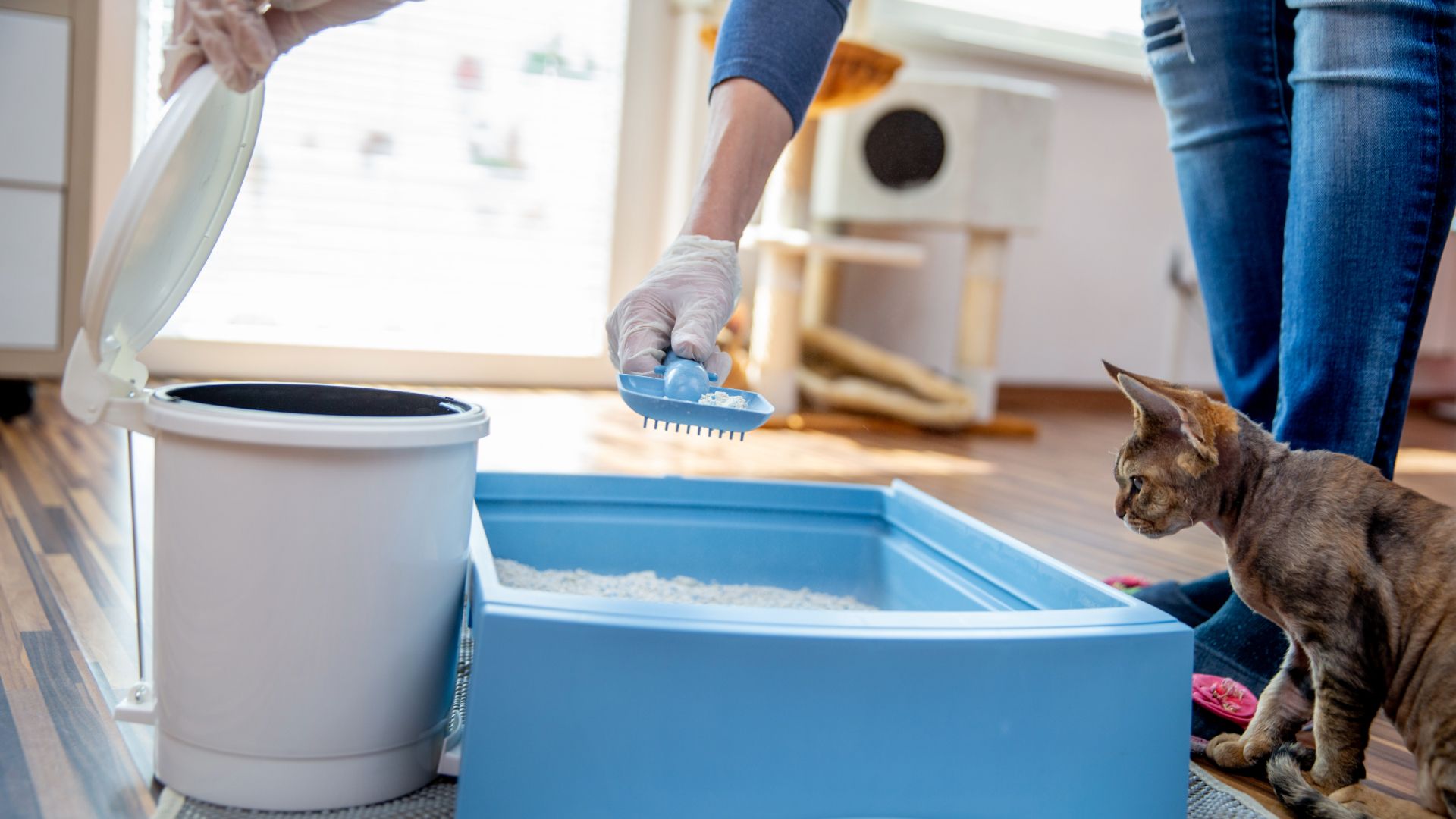
Scoop the litter box at least once every day. Remove clumps of waste and solid droppings quickly. This keeps the litter fresh and dry. It also stops smells from building up. Use a sturdy scoop to make the job easier. For multiple cats, scoop two or three times daily.
Spot Cleaning Tips
Check the litter box for wet or dirty spots daily. Use a paper towel or tissue to wipe them clean. Replace any clumped or soaked litter immediately. Keep a small brush nearby to clean the box edges. Avoid using harsh chemicals that can harm your cat. Freshen the box surface with a little baking soda if needed.
Weekly Deep Cleaning
Weekly deep cleaning of your cat’s litter box is essential to maintain a fresh and healthy environment for your feline friend. It goes beyond daily scooping and helps prevent odors, bacteria buildup, and potential health issues for both you and your cat. This thorough cleaning routine keeps the litter box inviting and encourages your cat to use it consistently.
Full Litter Replacement
Start by completely emptying the litter box. Remove all the old litter, even the parts that seem clean. This prevents odor traps and keeps harmful bacteria from lingering.
After emptying, take a moment to check for any cracks or damage in the box. A damaged box can trap bacteria and odors, so consider replacing it if needed. Once inspected, add a fresh layer of litter tailored to your cat’s preference.
Sanitizing The Box
Cleaning the box with soap and water isn’t enough. Use a mild disinfectant or a vinegar-water solution to sanitize the entire surface. This kills germs and eliminates stubborn smells.
Make sure to rinse the box thoroughly and dry it completely before adding new litter. Cats can be very sensitive to strong odors, and a wet or smelly box may discourage them from using it. Have you noticed how your cat reacts to a freshly cleaned box? Their preference can guide you in choosing cleaning products.
Credit: www.embracepetinsurance.com
Factors Influencing Cleaning Frequency
The number of cats and their habits affect how often the litter box needs cleaning. Litter type and box size also play a key role in maintaining freshness. Regular checks help keep your cat happy and the area odor-free.
Factors Influencing Cleaning Frequency Understanding how often to clean your cat’s litter box is essential. Several factors determine the cleaning schedule. Let’s explore these factors to maintain a healthy environment for your feline friend.Number Of Cats
The number of cats using the litter box affects cleaning frequency. More cats mean more usage. This leads to quicker litter box filling. For one cat, clean daily. For multiple cats, consider cleaning twice a day. This ensures a fresh box for each cat.Cat’s Health And Age
A cat’s health and age can impact litter box needs. Older cats might use the box more often. Cats with health issues may have increased urination. Pay attention to these signs. Adjust the cleaning schedule accordingly. Keeping the box clean helps monitor your cat’s health.Litter Box Type And Size
The type and size of the litter box play a role. Smaller boxes fill up faster. They require more frequent cleaning. Covered boxes can trap odors. Large, open boxes may need less frequent cleaning. Choose a box that suits your cat’s size and habits.Signs Your Cat’s Litter Box Needs Cleaning
Recognizing the signs that your cat’s litter box needs cleaning is key to keeping your feline friend happy and healthy. Cats are sensitive creatures, and they won’t hesitate to show you when something is off with their bathroom habits. Paying attention to these signs can help you avoid unpleasant surprises and ensure a fresh environment for your pet.
Odor Issues
If you notice a strong, unpleasant smell coming from the litter box, it’s a clear sign it’s time for a thorough cleaning. Even with regular scooping, odors can build up and linger in the box. Trust your nose—if the smell is noticeable to you, it’s definitely bothering your cat too.
Sometimes the smell can be subtle at first but quickly worsen. A clean litter box helps control ammonia and urine odors, which can become overwhelming if ignored. Have you ever walked into a room and immediately sensed something off? That’s your cue to take action.
Behavioral Changes
Your cat may start avoiding the litter box if it’s dirty. Watch for changes like urinating outside the box or spending less time near it. These behaviors often signal discomfort or dissatisfaction with the box’s cleanliness.
One time, my cat started scratching near the door instead of entering the room with the litter box. It was her way of telling me she didn’t want to use it. Don’t ignore subtle shifts in behavior—they often point directly to litter box problems.
Litter Clumping Problems
When the litter no longer clumps properly, it’s usually a sign the box needs cleaning or the litter needs replacing. Clumps should be firm and easy to scoop. If they’re breaking apart or sticking to the bottom, it could mean the litter is saturated or dirty.
Keep an eye on how the litter responds after your cat uses it. Poor clumping can make cleaning more difficult and reduce the box’s effectiveness. Have you noticed your scoop dragging through wet litter? That’s your signal to refresh the entire box.
Tips To Keep Litter Box Fresh Longer
Keeping your cat’s litter box fresh longer makes a big difference in your home’s comfort and your cat’s happiness. Simple changes can reduce odors and mess, making cleanup easier. Here are practical tips that can help you maintain a cleaner, fresher litter box for days.
Using Deodorizers
Deodorizers can be a game-changer in controlling litter box smells. You can sprinkle baking soda at the bottom of the box before adding litter; it naturally absorbs odors without harsh chemicals. Some pet stores offer special deodorizing powders or crystals designed specifically for cat litter boxes.
Be careful not to use strong air fresheners or sprays directly on the litter. Cats have sensitive noses, and overpowering scents might discourage them from using the box. Have you noticed if your cat avoids the box after you add scented products?
Choosing The Right Litter
The type of litter you use plays a huge role in odor control and freshness. Clumping litters trap moisture and waste better, making scooping easier and reducing smell. Look for litters with activated charcoal or natural odor-absorbing ingredients.
Some litters are dust-free, which keeps the air cleaner and is better for your cat’s respiratory health. If your cat has allergies or sensitivities, consider unscented or natural options like corn or wheat-based litters. Have you tested different types to see which one your cat prefers?
Proper Box Placement
Where you place the litter box affects how quickly odors spread in your home. Choose a well-ventilated area but avoid drafty spots that might chill your cat. A quiet, low-traffic corner often works best.
Keep the box away from your kitchen or dining area to prevent unpleasant smells near your food. Also, placing it on an easy-to-clean surface helps with spills or scattered litter. Have you tried moving the box to different spots to see if it stays fresher longer?
Common Mistakes To Avoid
Keeping a cat’s litter box clean is essential for their health and comfort. Many cat owners make mistakes that can cause bad smells or stress for their pets. Avoiding these errors helps keep your home fresh and your cat happy.
Overlooking Regular Scooping
Scooping the litter box daily is crucial. Waste left in the box can cause odors and bacteria growth. Cats dislike dirty boxes and may refuse to use them. Regular scooping keeps the box clean and inviting.
Ignoring Multiple Cats
Multiple cats need extra attention to litter box care. One box is not enough for several cats. Add one box per cat plus one extra. This prevents overcrowding and fights over the box. Each box should be cleaned often to avoid problems.
Using Harsh Cleaners
Strong cleaners can harm cats and damage the litter box. Avoid bleach and ammonia-based products. Use mild soap and warm water instead. Gentle cleaners keep the box safe and free from harmful chemicals.
Tools And Products For Easy Cleaning
Keeping your cat’s litter box clean doesn’t have to be a dreaded chore. The right tools and products can make the process faster, cleaner, and even a bit satisfying. These items not only help maintain hygiene but also reduce odor and mess around the box.
Scoopers And Liners
A good scooper is your best friend for daily cleaning. Look for one with slotted holes that let clean litter fall through while catching clumps. Plastic scoopers are lightweight and easy to handle, but metal ones often last longer.
Liners can save you from scrubbing the box itself. They create a barrier between the litter and the container, making complete changes quicker. However, some cats dislike liners, so watch how your pet reacts before relying on them.
Cleaning Solutions
Choosing the right cleaning solution is key to keeping your cat’s box fresh without harming them. Mild, unscented soaps or pet-safe enzymatic cleaners work well to break down odors and bacteria. Avoid ammonia-based products since they can smell like urine to your cat, discouraging use.
Regularly washing the box with warm water and a gentle cleaner once a week prevents buildup. Have you noticed how a clean-smelling box encourages your cat to use it more consistently?
Litter Mats
Litter mats catch stray litter from your cat’s paws, reducing mess around the box. Look for mats with a textured surface or grooves that trap particles effectively. Materials like rubber or EVA foam are easy to shake out or rinse off.
Placing a mat also protects your floor and makes your cleaning routine simpler. Would you agree that less mess means a happier home for both you and your cat?
Frequently Asked Questions
How Often Should I Scoop My Cat’s Litter Box?
Scoop the litter box daily to keep it clean and odor-free. Frequent scooping prevents bacteria buildup and keeps your cat healthy.
When Should I Completely Change My Cat’s Litter?
Change all the litter and clean the box every 1 to 2 weeks. This ensures thorough cleanliness and reduces odor effectively.
Can Infrequent Cleaning Harm My Cat’s Health?
Yes, infrequent cleaning can cause infections and stress for your cat. Regular cleaning promotes hygiene and a comfortable environment.
How Does Litter Box Cleaning Affect Odor Control?
Regular cleaning removes waste that causes bad smells. Daily scooping and weekly litter changes keep odors under control.
Conclusion
Keeping your cat’s litter box clean helps keep your home fresh. Scoop waste daily to stop bad smells and keep your cat happy. Change the litter completely once a week for best results. A clean box reduces health risks for your cat.
It also encourages your cat to use the box properly. Remember, a little effort each day makes a big difference. Clean litter boxes mean a healthy, comfortable space for both you and your cat. Simple habits keep your cat’s litter box clean and inviting.



Leave a Reply